
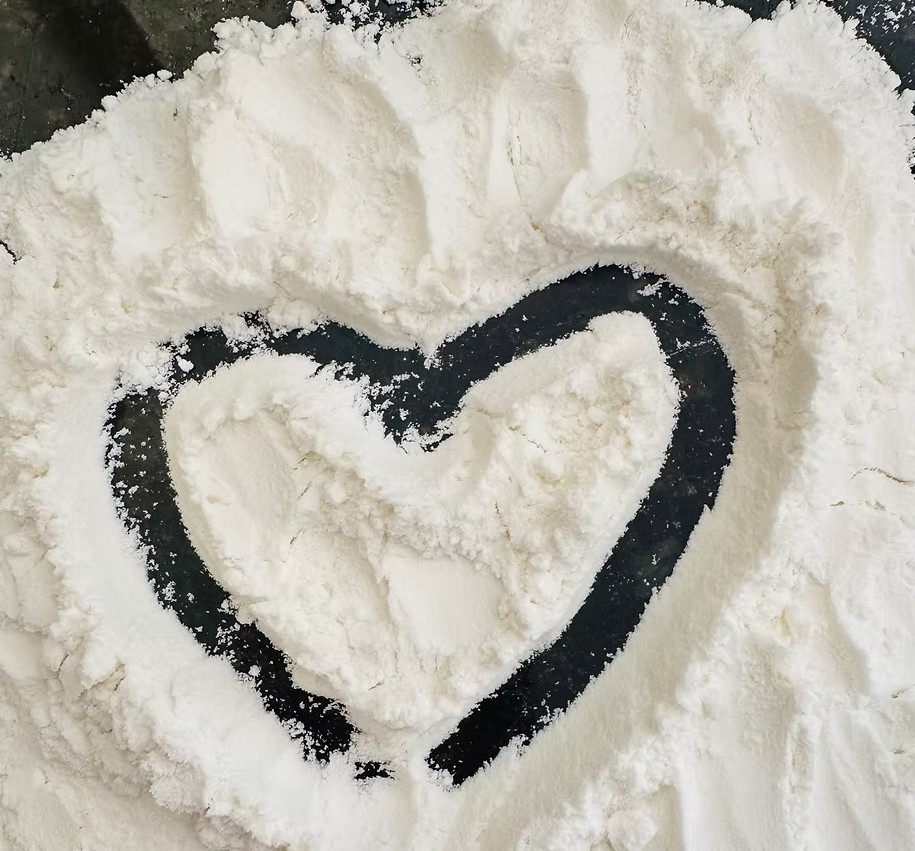

Perfect Arrowroot Substitutes with Easy Conversion Ratios for Gluten-Free Cooking and Baking
Learn the best arrowroot substitutes with easy conversion ratios for gluten-free cooking and baking. Discover when to use cornstarch, tapioca starch, potato starch, rice flour, xanthan gum, guar gum, and gluten-free flour for perfect results every time. If you enjoy gluten-free cooking and baking, arrowroot is likely one of the pantry staples you reach for often. This versatile starch is prized for its ability to thicken sauces, gravies, soups, and fruit fillings while creating a smooth, glossy finish. It is also naturally gluten-free, grain-free, and flavorless, making it an excellent ingredient for countless recipes. Even so, there may be times when your pantry is empty or you simply want to use an ingredient you already have on hand. Fortunately, several common kitchen staples can replace arrowroot with excellent results. The key is knowing which substitute works best for your recipe and using the proper conversion ratio. Whether you are preparing a homemade pie filling, thickening a savory sauce, or baking gluten-free treats, this guide will help you choose the perfect arrowroot substitute with confidence. What Is Arrowroot? Arrowroot is a fine white starch extracted from the rhizomes of tropical plants. Because it has a neutral flavor, it thickens recipes without changing their taste. Unlike some starches, arrowroot produces a crystal-clear, glossy finish instead of a cloudy appearance, making it especially popular for fruit sauces, glazes, and pie fillings. It also thickens at lower temperatures than many other starches, making it a dependable choice for delicate recipes. Since it is naturally gluten-free, arrowroot is commonly used in gluten-free, grain-free, and paleo cooking. Why You May Need an Arrowroot Substitute There are several reasons you might be searching for an alternative to arrowroot powder. Perhaps you ran out while preparing dinner. Maybe your grocery store was sold out, or you already have another thickening agent in your pantry. Some substitutes are also better suited for certain recipes, depending on the texture and consistency you are trying to achieve. Fortunately, there are several excellent replacements that can provide nearly identical results when used correctly. The Best Arrowroot Substitutes with Conversion Ratios Cornstarch Cornstarch is one of the most common substitutes for arrowroot. It thickens quickly and creates smooth sauces, gravies, and puddings. Conversion Ratio 1 tablespoon arrowroot = 1 tablespoon cornstarch Although cornstarch is an excellent replacement, it creates a slightly cloudy appearance instead of the clear finish that arrowroot produces. Best for: Cream sauces Gravy Custards Puddings Pie fillings Tapioca Starch Tapioca starch, sometimes labeled tapioca flour, is one of the closest substitutes for arrowroot. It produces a glossy finish and works exceptionally well in gluten-free baking. Conversion Ratio 1 tablespoon arrowroot = 2 tablespoons tapioca starch Tapioca starch creates slightly more elasticity than arrowroot, making it an excellent choice for fruit desserts and baked goods. Best for: Fruit pies Pie fillings Fruit sauces Gluten-free baking Dessert toppings Potato Starch Potato starch provides a silky texture and thickens quickly, making it another excellent alternative. Conversion Ratio 1 tablespoon arrowroot = 1 tablespoon potato starch Potato starch performs best when added near the end of cooking because prolonged boiling can reduce its thickening ability. Best for: Cream soups Gravy Sauces Stews White Rice Flour White rice flour can also replace arrowroot in many recipes, although it requires a larger quantity to achieve similar results. Conversion Ratio 1 tablespoon arrowroot = 2 tablespoons white rice flour Rice flour creates a slightly thicker and more opaque consistency than arrowroot but works well in hearty recipes. Best for: Cream soups Casseroles Sauces Gluten-free baking Xanthan Gum Xanthan gum is not a starch, but it is an excellent thickener and binder that is widely used in gluten-free baking. Because it is highly concentrated, only a small amount is needed. Conversion Ratio 1 tablespoon arrowroot = ¼ teaspoon xanthan gum Adding too much xanthan gum can result in a gummy texture, so accurate measuring is essential. Best for: Gluten-free breads Cookies Salad dressings Sauces Guar Gum Guar gum is another concentrated thickening agent that performs well in both hot and cold recipes. Conversion Ratio 1 tablespoon arrowroot = ¼ teaspoon guar gum Like xanthan gum, only a small amount is needed to produce excellent thickening. Best for: Ice cream Smoothies Cold sauces Salad dressings Gluten-free baking Gluten-Free All-Purpose Flour If you do not have starches available, a gluten-free all-purpose flour blend can also serve as a substitute. Conversion Ratio 1 tablespoon arrowroot = 2 tablespoons gluten-free all-purpose flour While flour thickens effectively, it creates a heavier texture and is best suited for hearty dishes. Best for: Cream soups Gravy Casseroles Roux-based sauces Which Arrowroot Substitute Is Best? Each substitute has its own strengths, making some better suited for specific recipes than others. For fruit pies and glossy fillings, tapioca starch is often the closest match to arrowroot. For creamy gravies and sauces, cornstarch and potato starch deliver dependable results. For gluten-free baking, tapioca starch, xanthan gum, and guar gum provide excellent structure while helping improve texture. For soups and casseroles, rice flour and gluten-free flour blends create a rich, satisfying consistency. Understanding how each substitute performs makes it much easier to choose the right ingredient for every recipe. Helpful Tips for Replacing Arrowroot Always mix starches with cold water before adding them to hot liquids. This creates a smooth slurry that helps prevent lumps. Avoid prolonged boiling when using potato starch or arrowroot because excessive heat can reduce their thickening ability. Measure xanthan gum and guar gum carefully since they are far more concentrated than traditional starches. For fruit pies and desserts, tapioca starch often creates the smoothest and most stable filling. If you are freezing sauces or pie fillings, arrowroot and tapioca starch generally maintain their texture better after thawing than cornstarch. Quick Arrowroot Substitute Conversion Chart Arrowroot to Cornstarch 1 tablespoon arrowroot = 1 tablespoon cornstarch Arrowroot to Tapioca Starch 1 tablespoon arrowroot = 2 tablespoons tapioca starch Arrowroot to Potato Starch 1 tablespoon arrowroot = 1 tablespoon potato starch Arrowroot to White Rice Flour