Thai Basil Growing Guide: Discover the Bold Flavor and Beauty of This Aromatic Herb
Learn how to grow Thai basil in garden beds or containers, from planting and watering to harvesting its fragrant leaves and managing flowers.
Thai basil brings fragrance, flavor, and ornamental beauty to the garden. Its glossy green leaves, purple stems, and delicate flower spikes make it as attractive in a container or garden bed as it is useful in the kitchen. When the leaves are gently brushed, they release a distinctive aroma with notes of anise, licorice, clove, and warm spice.
Unlike sweet basil, which is often associated with Italian cooking, Thai basil has a bolder flavor and a slightly firmer texture. The leaves hold up especially well when added near the end of cooking, making this aromatic herb a favorite for curries, noodle dishes, stir-fries, soups, and fresh garnishes.
Thai basil is a warm-season herb that thrives in sunshine and warmth. Although it is sensitive to cold, it grows quickly when provided with suitable soil, consistent moisture, and regular harvesting. Gardeners can grow it in traditional garden beds, raised beds, patio containers, or sunny indoor spaces.
What Is Thai Basil?
Thai basil is a cultivated type of basil valued for its spicy, licorice-like aroma and attractive purple accents. It belongs to the mint family, which helps explain its square stems, opposite leaves, and highly aromatic foliage.
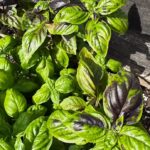
The appearance of Thai basil can vary among cultivars, but many plants develop bright green leaves, reddish-purple or deep purple stems, and purple flower spikes. Its upright growth habit gives the plant a polished appearance, allowing it to function as both a culinary herb and an ornamental addition to edible landscapes.
In climates with freezing winters, Thai basil is grown as an annual. It grows throughout the warm season and dies when exposed to frost. Gardeners in consistently warm, frost-free climates may be able to grow it for a longer period, although plant performance still depends on local heat, humidity, rainfall, and disease pressure.
The Bold Flavor and Fragrance of Thai Basil
Thai basil has a sweet, spicy flavor with noticeable anise or licorice notes. Some varieties also suggest clove, cinnamon, or mint. Its flavor is usually more assertive than that of common sweet basil, giving it enough character to complement strongly seasoned dishes.
The fragrance becomes more pronounced when the leaves are crushed, torn, or chopped. Because aroma is one of the herb’s most appealing qualities, fresh leaves are generally added near the end of cooking or scattered over a finished dish. Prolonged cooking can soften their fresh fragrance and change their texture.
Growing conditions may influence the intensity of the leaves. Sun exposure, moisture, temperature, soil fertility, harvest timing, and the specific cultivar can all affect the plant’s growth and aromatic character.
Choosing the Best Location
Thai basil grows best in a sunny location that receives at least six hours of direct sunlight each day. In many gardens, six to eight hours of sun encourages sturdy growth and flavorful foliage.
In regions with extremely hot summers, light afternoon shade may help reduce stress, particularly when the plant is growing in a container that dries quickly. Too much shade, however, can cause weak or stretched growth and reduce leaf production.
Choose a location with good air circulation, but avoid an exposed area where strong winds may damage the stems or dry the soil too rapidly. Air movement around the foliage can also help discourage diseases that develop under persistently damp, crowded conditions.
Soil and Drainage
Plant Thai basil in fertile, well-drained soil. The ground should retain enough moisture to support steady growth without remaining waterlogged. Heavy soil that stays saturated can contribute to root problems, while extremely sandy soil may require more frequent watering and additional organic matter.
Mixing finished compost into ordinary garden soil can improve its texture and moisture-holding ability. Compost should complement the existing soil rather than replace it entirely.
For container growing, use a quality potting mix designed for pots instead of soil taken directly from the garden. The container must have drainage holes so excess water can escape. A pot that is too small may dry rapidly and restrict the plant’s roots, so choose one that provides room for the mature cultivar.
Starting Thai Basil From Seed
Thai basil can be started indoors several weeks before the expected final spring frost or sown directly in the garden after the weather and soil have warmed. Because basil is sensitive to cold, planting it outdoors too early can stunt growth or damage the leaves.
Sow the seeds according to the depth recommended on the seed packet and keep the growing medium consistently moist, but not saturated. Warm conditions support faster, more reliable germination. Place indoor seedlings under strong grow lights or beside an exceptionally bright window so they do not become thin and stretched.
Before transplanting indoor seedlings into the garden, gradually expose them to outdoor conditions over several days. This transition helps the young plants adjust to direct sunlight, wind, and changing temperatures.
Direct sowing also works well once frost danger has passed and the ground is warm. Keep the seedbed evenly moist while the seeds germinate and the young roots become established.
Transplanting Thai Basil Outdoors
Wait until the danger of frost has passed and nighttime temperatures are reliably mild before transplanting Thai basil. Cold soil and chilly air can slow its growth, discolor the leaves, and damage tender plants.
Space plants according to the mature dimensions printed on the seed packet or plant label. Cultivars differ in height and spread, so their spacing requirements can vary. Providing adequate space improves airflow and gives each plant access to sunlight.
Water transplants thoroughly after planting. During the first several days, monitor the soil closely while the roots adjust to their new location.
Watering Thai Basil
Thai basil performs best with consistent moisture. Water when the upper layer of soil begins to feel dry, soaking the root area thoroughly instead of applying only a light surface sprinkle.
The correct watering schedule will depend on temperature, rainfall, soil texture, plant size, and whether the herb is growing in the ground or in a container. Container plants often need water more frequently during hot or windy weather.
Direct water toward the base of the plant whenever possible. Frequently wet foliage, crowded planting, and poor airflow can create conditions favorable to leaf diseases. Watering earlier in the day gives any splashed foliage time to dry.
A light layer of organic mulch can help moderate soil temperature, conserve moisture, and limit weeds. Leave a small open area around the stems so the mulch does not remain pressed against the plant.
Feeding Thai Basil
Thai basil benefits from reasonably fertile soil, but excessive fertilizer is unnecessary. Too much nitrogen may encourage soft, rapid growth and can affect the balance between lush foliage and concentrated aroma.
Plants growing in garden soil amended with compost may require little additional feeding. Container-grown basil usually needs more support because nutrients gradually wash out of the potting mix. If growth slows or the leaves become unusually pale, use an appropriate fertilizer according to its label rather than applying extra fertilizer automatically.
Pinching for Fuller Growth
Pinching is one of the simplest ways to encourage a full, productive Thai basil plant. Once a young plant has several sets of true leaves, remove the tip just above a pair of leaves. New branches should develop below the cut.
Continue harvesting or pinching stem tips throughout the growing season. Regular pruning discourages tall, sparse growth and promotes additional branches, which can produce more leaves.
Avoid removing most of the foliage at once, especially from a young or stressed plant. Leaving plenty of healthy leaves allows the plant to continue producing energy and recovering between harvests.
Managing Thai Basil Flowers
Thai basil produces attractive purple flower spikes that add color and vertical interest to an herb garden. The flowers can also attract visiting pollinators.
If leaf production is your priority, pinch off flower buds as they appear. Allowing the plant to flower and form seed redirects some of its energy away from tender leaf growth, and the flavor or texture of older foliage may change.
Gardeners can also leave flowers on selected plants for ornamental value, pollinator activity, or seed collection. This creates a useful balance between culinary harvesting and garden beauty.
Growing Thai Basil in Containers
Thai basil is well suited to containers, making it a practical choice for balconies, patios, decks, and small gardens. Its green foliage and purple stems pair beautifully with other edible or ornamental plants that enjoy similar conditions.
Choose a container with adequate drainage and fill it with quality potting mix. Position it where the plant receives plenty of sunlight. Because pots lose moisture faster than garden beds, check the soil regularly during warm weather.
Container plants may also require occasional feeding. Follow the fertilizer label carefully because excessive applications can damage roots or encourage weak growth.
Thai basil can share a large container with compatible herbs or vegetables, but avoid crowding. Each plant needs enough root space, light, moisture, and airflow to grow properly.
Growing Thai Basil Indoors
Thai basil can grow indoors when it receives enough light. A bright, unobstructed window may support modest growth, but supplemental grow lights often produce stronger and more compact plants.
Keep indoor plants away from cold drafts, heating vents, and chilly window glass. Use a container with drainage holes and empty any collected water so the roots are not left standing in it.
Indoor basil can become thin when light is insufficient. If stems stretch toward the window or the spaces between leaves become unusually long, increase the available light and continue pinching the growing tips.
Harvesting Thai Basil
Begin with light harvesting once the plant is established and growing actively. Snip a stem just above a leaf pair rather than repeatedly removing only the largest individual leaves. This method encourages branching from the nodes below the cut.
Harvest regularly to maintain a compact plant and a steady supply of tender foliage. Morning can be a pleasant time to gather leaves, once dew has dried and before the hottest part of the day.
Use clean scissors or garden snips, particularly when harvesting several plants. Avoid taking a large portion from a plant that is newly transplanted, drought-stressed, diseased, or recovering from pest damage.
Common Pests and Diseases
Thai basil may attract aphids, Japanese beetles, slugs, snails, and other common garden pests. Inspect the upper and lower surfaces of the leaves regularly. Small infestations may often be managed by hand-picking pests or using a firm stream of water, provided the foliage has time to dry afterward.
Basil can also develop fungal or bacterial leaf problems. Basil downy mildew is a particularly important disease that can cause yellowing, discoloration, and dark growth on the undersides of leaves. Resistant cultivars, good spacing, careful watering, and prompt removal of badly affected plants may help reduce problems.
Do not compost material suspected of carrying a serious plant disease unless local guidance confirms that your composting method will destroy the pathogen. When using any pest-control product on an edible herb, confirm that the label specifically permits its use on basil and follow all instructions.
Using Thai Basil in the Kitchen
Thai basil is closely associated with Thai and Southeast Asian cooking, but its uses extend well beyond any single cuisine. Fresh leaves complement curries, noodle bowls, stir-fries, soups, rice dishes, spring rolls, salads, and grilled vegetables.
The herb also pairs well with ingredients such as coconut milk, lime, ginger, garlic, chiles, lemongrass, tofu, chicken, seafood, and mushrooms. Its assertive fragrance can brighten rich or spicy foods without becoming lost among stronger flavors.
Add the leaves shortly before serving when you want to preserve their fresh aroma. Larger leaves can be torn, while small tender leaves make an attractive garnish. Thai basil flowers are also edible when the plant has been correctly identified and has not been treated with products that are unsuitable for edible crops.
Storing the Harvest
Fresh basil is sensitive to cold and may discolor in the refrigerator. Short stems can be placed in a glass of water at room temperature for brief storage, much like a small bouquet. Keep the leaves away from harsh direct sunlight and replace the water as needed.
For longer storage, freezing generally preserves basil’s flavor better than drying. Leaves may be frozen whole, chopped, or combined with a small amount of water or cooking oil in freezer trays. Choose the storage method that best suits how you plan to use the herb later.
Saving Thai Basil Seeds
To save seeds, allow selected flower spikes to remain on healthy plants until they mature and begin to dry. Collect them before weather or wildlife scatters the seeds.
Separate the dry seeds from the flower material and store them in a labeled envelope or container in a cool, dry, dark location. If the plant was a hybrid cultivar or grew near other flowering basil varieties, the next generation may not look or taste exactly like the original plant.
A Beautiful and Flavorful Addition to the Garden
Thai basil offers much more than fresh leaves for cooking. Its glossy foliage, colorful stems, fragrant presence, and graceful flowers make it a striking addition to edible landscapes and container displays.
With warm weather, abundant sunlight, well-drained soil, consistent moisture, and regular pinching, this aromatic herb can provide repeated harvests throughout the growing season. Whether grown for its bold flavor, decorative beauty, or both, Thai basil brings character and versatility to gardens of nearly every size.
Purple Thai basil flower clusters add rich color and texture to the sunny herb garden.
There is something timeless about growing basil. With its fragrant leaves, vibrant foliage, and incredible versatility in the kitchen, basil has earned its place as one of the world’s most beloved culinary herbs. Whether you are planting a traditional herb garden, filling containers on a sunny patio, or tucking basil among vegetables in raised beds, this remarkable plant rewards gardeners with continuous harvests and exceptional flavor throughout the growing season. A Basil Growing Guide is the perfect starting point for learning how to grow healthy, productive plants while enjoying one of the easiest and most satisfying herbs to cultivate. What Is Basil? Basil (Ocimum basilicum) is a warm-season annual herb in the mint family that is native to tropical regions of Asia and Africa. Known for its aromatic leaves and rapid growth, basil has become an essential ingredient in cuisines around the world. From classic Italian pesto and fresh Caprese salads to Thai curries and Mediterranean dishes, basil adds a fresh, sweet, and slightly peppery flavor that enhances countless recipes. Beyond its culinary uses, basil is also valued for its ornamental appeal. Depending on the variety, plants produce lush green, deep purple, variegated, or ruffled foliage that adds color and texture to herb gardens, flower beds, and containers. Why Grow Basil? Basil is one of the most rewarding herbs for gardeners of every experience level. It grows quickly, thrives in warm weather, and provides a steady supply of fresh leaves for months with regular harvesting. Some of the many reasons gardeners love growing basil include: Fresh herbs available just steps from the kitchen. Fast-growing plants that produce abundant harvests. Beautiful foliage that complements vegetable and flower gardens. Excellent companion plants for tomatoes, peppers, and many other vegetables. Fragrant leaves that bring wonderful aroma to outdoor spaces. Flowers that attract bees, butterflies, and other beneficial pollinators when allowed to bloom. Whether you grow a single pot on a windowsill or an entire herb garden, basil delivers beauty, fragrance, and flavor throughout the season. Popular Types of Basil One of the greatest joys of growing basil is discovering the remarkable diversity available. While sweet basil remains the most familiar variety, many cultivars offer unique flavors, colors, and textures. Sweet Basil is prized for its tender green leaves and classic flavor that pairs perfectly with pasta, pizza, and tomato dishes. Genovese Basil is considered the gold standard for homemade pesto because of its large, aromatic leaves. Purple Basil offers striking burgundy foliage with a slightly spicier flavor, making it both ornamental and edible. Thai Basil features narrow leaves and a distinctive anise-like flavor that complements Asian cuisine. Lemon Basil produces bright green leaves with a refreshing citrus aroma, making it ideal for seafood, desserts, teas, and beverages. Cinnamon Basil combines traditional basil flavor with warm cinnamon notes that work beautifully in fruit dishes and baked goods. Each variety brings its own personality to the garden while sharing the same easy-growing nature. Basil Brings Beauty and Flavor Together Basil is much more than a culinary herb. Its lush foliage creates attractive borders, fills containers with vibrant greenery, and blends beautifully with flowers and vegetables. Gardeners often plant basil alongside tomatoes because the two share similar growing requirements while creating an attractive and productive garden display. Whether harvested fresh for everyday meals, preserved for later use, or simply enjoyed for its delightful fragrance, basil offers months of enjoyment from spring through the first frost. With minimal care and plenty of sunshine, even beginner gardeners can grow healthy plants that provide generous harvests all season long. Growing basil is simple when you provide the right environment. As a warm-season herb, basil flourishes in sunshine, fertile soil, and consistent moisture. Whether you are planting in a backyard garden, raised beds, containers, or windowsill planters, giving basil proper care will reward you with vigorous plants and an abundant harvest throughout the growing season. Choosing the Best Location Basil thrives in locations that receive plenty of direct sunlight. Select an area that receives at least six to eight hours of sunlight each day. More sunlight encourages fuller plants, stronger stems, and highly aromatic leaves. If you live in an area with extremely hot summers, basil appreciates a little afternoon shade during periods of intense heat. Good air circulation also helps reduce the risk of fungal diseases while keeping plants healthy. Soil Requirements Basil grows best in rich, well-drained soil filled with organic matter. The ideal soil is loose enough to allow roots to expand while holding enough moisture to support steady growth. Before planting, enrich garden beds with compost or well-aged organic matter. This improves soil fertility, drainage, and moisture retention. Basil prefers a slightly acidic to neutral soil with a pH between 6.0 and 7.5. Planting Basil Basil can be grown from seeds or nursery transplants. Seeds should be sown after the danger of frost has passed and the soil has warmed. Plant seeds about ¼ inch deep and lightly cover them with soil. Germination usually occurs within five to ten days under warm conditions. When planting young basil plants, space them about 12 to 18 inches apart. This spacing provides room for healthy air circulation and allows plants to become full and bushy. Container-grown basil should be planted in pots with drainage holes using a high-quality potting mix. Watering Basil Consistent watering is one of the keys to healthy basil plants. Keep the soil evenly moist but never soggy. Water deeply whenever the top inch of soil begins to dry. Morning watering is preferred because it gives leaves time to dry before evening, reducing the chance of disease. Container-grown basil typically requires more frequent watering than plants growing directly in garden beds, especially during hot summer weather. Applying mulch around outdoor plants helps conserve moisture, regulate soil temperature, and suppress weeds. Fertilizing Although basil is not a heavy feeder, occasional fertilizing encourages vigorous growth. Mix compost into the soil before planting to provide a steady source of nutrients. During the growing season, apply a balanced liquid
Discover everything you need to know about Basil Perpetuo, a stunning variegated basil variety with a mild, citrusy flavor. Learn how to grow, harvest, care for, and use Basil Perpetuo in the kitchen and garden. Basil Perpetuo: A Stunning Herb for Your Garden and Kitchen Basil Perpetuo is one of the most beautiful and distinctive basil varieties you can grow. With its striking green leaves edged in creamy white, this ornamental herb offers far more than visual appeal. It combines exceptional beauty with a delightful fragrance and a mild basil flavor that makes it a favorite among gardeners, home cooks, and landscape designers alike. Unlike traditional basil varieties that often flower quickly and slow their leaf production, Basil Perpetuo is known for its long-lasting foliage and upright growth habit. It continues producing flavorful leaves throughout much of the growing season, making it an excellent addition to herb gardens, raised beds, decorative containers, and edible landscapes. Whether you are growing herbs for cooking, pollinator-friendly gardening, or simply to create a beautiful outdoor space, Basil Perpetuo delivers impressive results while requiring relatively little maintenance. What Is Basil Perpetuo? Basil Perpetuo is a variegated cultivar of sweet basil prized for its attractive cream and green foliage. The colorful leaves remain vibrant throughout the growing season, giving the plant an elegant appearance that rivals many ornamental plants. Growing between 24 and 36 inches tall, Basil Perpetuo develops an upright, bushy form that works well as a focal point in herb gardens or mixed ornamental beds. Its fragrant leaves release a pleasant basil aroma with subtle citrus notes whenever they are brushed or harvested. Unlike many basil varieties that quickly produce flowers during warm weather, Basil Perpetuo tends to flower later, allowing gardeners to enjoy a longer harvest of fresh leaves. Why Basil Perpetuo Stands Out Basil Perpetuo offers several qualities that make it one of the most desirable basil varieties available. Its stunning cream and green variegated foliage adds beauty to gardens throughout the growing season. Its upright growth habit creates an elegant architectural accent in containers and garden beds. Its mild basil flavor with delicate citrus notes complements a wide variety of recipes. Its extended leaf production allows for continuous harvesting over many months. It serves as both an ornamental landscape plant and a productive culinary herb. Flavor Profile Basil Perpetuo has a lighter, more delicate flavor than traditional Genovese basil. The leaves provide the familiar sweetness associated with basil while introducing subtle hints of lemon and spice. Because of its balanced flavor, it pairs well with both savory and fresh dishes without overwhelming other ingredients. Its pleasant aroma also makes it an excellent herb for infused oils, vinegars, beverages, and herb butters. Culinary Uses Fresh Basil Perpetuo is incredibly versatile in the kitchen. Its leaves are delicious in fresh salads, pasta dishes, homemade pizzas, soups, sandwiches, and wraps. Blend the leaves into pesto for a colorful and flavorful variation of the classic recipe. Add chopped basil to tomato sauces near the end of cooking to preserve its delicate flavor. Mix fresh leaves into herb butter for grilled meats, seafood, or roasted vegetables. Infuse olive oil or vinegar with fresh basil for homemade dressings and marinades. Add a few leaves to lemonade, iced tea, or fruit-infused water for a refreshing herbal twist. Its mild flavor also pairs beautifully with tomatoes, mozzarella, strawberries, peaches, citrus fruits, grilled chicken, shrimp, and roasted vegetables. Growing Basil Perpetuo Basil Perpetuo is easy to grow and performs well in gardens across many climates. Choose a planting location that receives six to eight hours of direct sunlight each day. While it can tolerate light afternoon shade, full sun encourages stronger growth, vibrant foliage, and better flavor. Plant Basil Perpetuo in fertile, well-drained soil enriched with compost or organic matter. Good drainage is essential to prevent root diseases and encourage healthy growth. Water regularly, keeping the soil evenly moist without allowing it to become waterlogged. Deep watering once or twice each week is generally sufficient, although container-grown plants may require more frequent watering during hot weather. Applying a balanced fertilizer every few weeks throughout the growing season helps support continuous leaf production. Harvesting Basil Perpetuo Harvesting Basil Perpetuo regularly encourages the plant to become fuller and more productive. Begin harvesting once the plant reaches approximately 8 to 10 inches tall. Use clean scissors or garden pruners to cut stems just above a pair of leaves. New branches will quickly emerge from these points, producing even more fresh foliage. Avoid removing more than one-third of the plant during a single harvest to ensure continued healthy growth. Frequent harvesting helps delay flowering and keeps the plant producing fresh leaves for a longer period. Companion Planting Basil Perpetuo is an excellent companion plant for many vegetables and herbs. It grows especially well alongside tomatoes, peppers, eggplants, asparagus, lettuce, and parsley. Its fragrant foliage helps attract bees and other beneficial pollinators while contributing beauty to vegetable gardens and raised beds. Many gardeners also enjoy planting Basil Perpetuo near patios, walkways, and outdoor seating areas where its attractive foliage and pleasant fragrance can be appreciated throughout the season. Growing Basil Perpetuo in Containers One of the greatest advantages of Basil Perpetuo is its outstanding performance in containers. Its upright growth habit makes it a natural centerpiece for decorative pots, herb planters, and patio containers. Use a high-quality potting mix with excellent drainage, and choose a container with drainage holes to prevent excess moisture around the roots. Container-grown plants benefit from regular watering and occasional feeding throughout the growing season. Common Growing Problems Basil Perpetuo is generally resistant to many common garden problems, but a few issues may occasionally occur. Overwatering can lead to root rot. Poor air circulation may encourage fungal diseases such as powdery mildew. Aphids, spider mites, and whiteflies sometimes feed on the leaves but are usually easy to control with a strong spray of water or insecticidal soap. Providing adequate spacing between plants and avoiding overhead watering can help prevent many
Discover how to grow sage with this complete guide to planting, sunlight, soil, watering, pruning, harvesting, varieties, containers, and winter care. Sage is a timeless herb that brings fragrance, flavor, texture, and understated beauty to the garden. Its velvety leaves, woody stems, and delicate flowers make it equally valuable in an edible landscape, ornamental border, container garden, or dedicated herb bed. Once established in suitable conditions, sage is also relatively easy to maintain. Common culinary sage, botanically known as Salvia officinalis, is a Mediterranean herb in the mint family. It is best known for its earthy flavor and silvery green foliage, but its value reaches far beyond the kitchen. A mature sage plant can soften garden edges, complement flowering perennials, and produce blossoms that attract bees, butterflies, and other visiting pollinators. Whether you want fresh leaves for cooking, fragrant foliage for seasonal crafts, or a beautiful perennial for a sunny garden, this sage growing guide will help you choose, plant, care for, harvest, and enjoy this remarkable herb. Understanding the Sage Plant The name sage can refer to many plants within the large Salvia genus. Some are grown primarily for ornamental flowers, while others are prized for their edible leaves. If your goal is to grow sage for cooking, look for a plant labeled Salvia officinalis, common sage, garden sage, or culinary sage. Common sage develops woody stems as it matures and typically grows into a compact, shrubby plant. Its soft, aromatic leaves are usually gray-green, although cultivated varieties may display purple, golden, cream, or variegated foliage. Depending on the variety and growing conditions, common sage may reach approximately 18 to 30 inches tall and wide. Its flower spikes often appear from late spring into summer, producing shades of blue, lavender, purple, pink, or white. Bloom time varies according to the cultivar, regional climate, and seasonal weather. The Beauty and Benefits of Growing Sage Sage offers a distinctive combination of culinary usefulness and ornamental appeal. The softly textured leaves provide a beautiful contrast to glossy foliage, fine ornamental grasses, and brightly colored flowers. Sage can be used along a pathway, near a patio, in a rock garden, or as part of a drought-tolerant planting design. Its flowers provide nectar for visiting pollinators. Allowing at least some flower spikes to remain can make a sage plant especially valuable in an herb garden designed to support bees and butterflies. Sage is also well suited to water-conscious gardens once its roots are established. It generally tolerates short dry periods better than continuously wet soil. This preference makes it a natural companion for other Mediterranean herbs, including lavender, rosemary, oregano, marjoram, and thyme, as long as every plant receives the drainage and winter protection it requires. In the kitchen, sage contributes a savory, woodsy flavor to poultry, roasted vegetables, soups, sauces, beans, breads, and holiday dishes. Because its flavor can be assertive, a small amount is often enough to transform a dish. Popular Types of Culinary Sage Common sage is the familiar gray-green variety traditionally used in cooking. Its aromatic leaves and classic appearance make it a dependable choice for kitchen gardens. Purple sage has richly colored young foliage that matures toward a muted green or gray-green shade. It adds dramatic color to mixed borders and herb containers while offering the familiar flavor associated with culinary sage. Tricolor sage features gray-green leaves edged with cream and touched with pink or purple. It is especially attractive in decorative containers, although variegated varieties may grow more slowly than standard common sage. Golden sage brightens the garden with green and yellow foliage. Its cheerful coloring works well along sunny borders or beside darker-leaved plants. Berggarten sage is known for its broad leaves and compact growth. Its relatively restrained flowering can encourage continued leaf production, making it an appealing selection for gardeners focused on culinary harvesting. Flavor and growth can vary among cultivars. Always confirm the botanical name and check the plant label before using an unfamiliar sage in food. Ornamental plants called sage are not automatically interchangeable with culinary sage. Choosing the Best Location Sage performs best in a sunny location with excellent drainage. In many gardens, six or more hours of direct sunlight encourages sturdy growth, concentrated fragrance, and attractive foliage. Plants grown with insufficient light may become loose, leggy, or inclined to sprawl. In regions with extremely hot summers, a little protection from intense late-afternoon sun may help reduce heat stress. Local conditions matter, so observe how quickly the soil dries and how the plant responds to seasonal temperatures. Good air circulation is also important. Avoid crowding sage between larger plants or placing it where wet foliage remains enclosed for long periods. Thoughtful spacing allows the plant to dry more efficiently after rain and can reduce conditions that favor fungal problems. Preparing the Soil Drainage is one of the most important considerations when growing sage. The plant prefers soil that releases excess water quickly rather than remaining saturated around the roots. Persistently wet soil can cause declining growth and may lead to root or crown rot. Loose, moderately fertile soil is generally sufficient. Sage does not require especially rich ground, and excessive fertility may encourage soft growth with less concentrated flavor. If the planting area contains dense clay or holds standing water after rain, consider using a raised bed, a mound, or a container filled with a free-draining potting mix. Adding organic matter may improve soil structure, but compost alone cannot correct every drainage problem. In a chronically wet location, moving the plant to a better site is often more effective than repeatedly amending the planting hole. Planting Sage in the Garden Spring is a convenient time to plant sage in areas with cold winters because it gives the roots time to establish before freezing weather. In mild climates, early fall may also be suitable if the plant has enough time to settle in before cold or prolonged rainy conditions arrive. Position the plant at approximately the same depth it occupied in its nursery
Originally published
March 2026
Updated
August 2026
Reviewed by
Culibloom