How to Add Texture to Cakes with Sprinkles and Edible Glitter for Stunning Cake Decorations
Discover how to add texture to cakes with sprinkles and edible glitter. Learn simple cake decorating techniques, creative design ideas, and expert tips for beautiful homemade cakes.
A beautifully decorated cake is often the centerpiece of a celebration, capturing attention before the first slice is ever served. While smooth buttercream and elegant piping create a classic finish, adding texture gives a cake extra dimension, personality, and charm. One of the simplest ways to achieve this is with sprinkles and edible glitter. These easy-to-use decorations can transform even the most basic cake into a bakery-worthy masterpiece.
At Culibloom, we believe that cake decorating should be both creative and approachable. Whether you are baking a gluten-free birthday cake, an elegant wedding dessert, or a festive holiday treat, learning how to add texture to cakes with sprinkles and edible glitter for stunning cake decorations will help you create desserts that are every bit as beautiful as they are delicious.
Why Texture Makes a Cake More Beautiful
Texture is one of the most overlooked elements of cake decorating. It creates depth, catches the light, and gives every cake a more polished appearance. A smooth layer of buttercream provides the perfect canvas, but adding decorative accents creates visual interest that makes your cake stand out.
Texture also makes cakes feel more inviting. Layers of color, sparkle, and decorative finishes draw guests in and make the dessert feel like the highlight of any celebration.
This Gluten-Free Rainbow Candy Surprise Cake reveals a hidden center overflowing with colorful candies and sprinkles.
Decorating with Sprinkles
Sprinkles remain one of the easiest and most versatile cake decorating tools available. They come in countless colors, shapes, and finishes, making them suitable for birthdays, weddings, baby showers, holidays, and everyday celebrations.
Classic jimmies create a cheerful look, while tiny nonpareils provide a delicate textured coating. Confetti sprinkles add playful color, sugar pearls offer timeless elegance, and sanding sugar creates beautiful sparkle without overpowering the design.
One of the easiest techniques is pressing sprinkles onto the sides of a freshly frosted cake. While the buttercream is still soft, gently press the sprinkles against the cake until the sides are evenly coated. This simple method instantly transforms a plain cake into a colorful showpiece.
Sprinkles can also be arranged around the top edge of the cake, scattered over piped frosting, or used to create decorative borders and patterns. Mixing different sprinkle sizes and colors creates additional dimension and makes the design feel more custom.
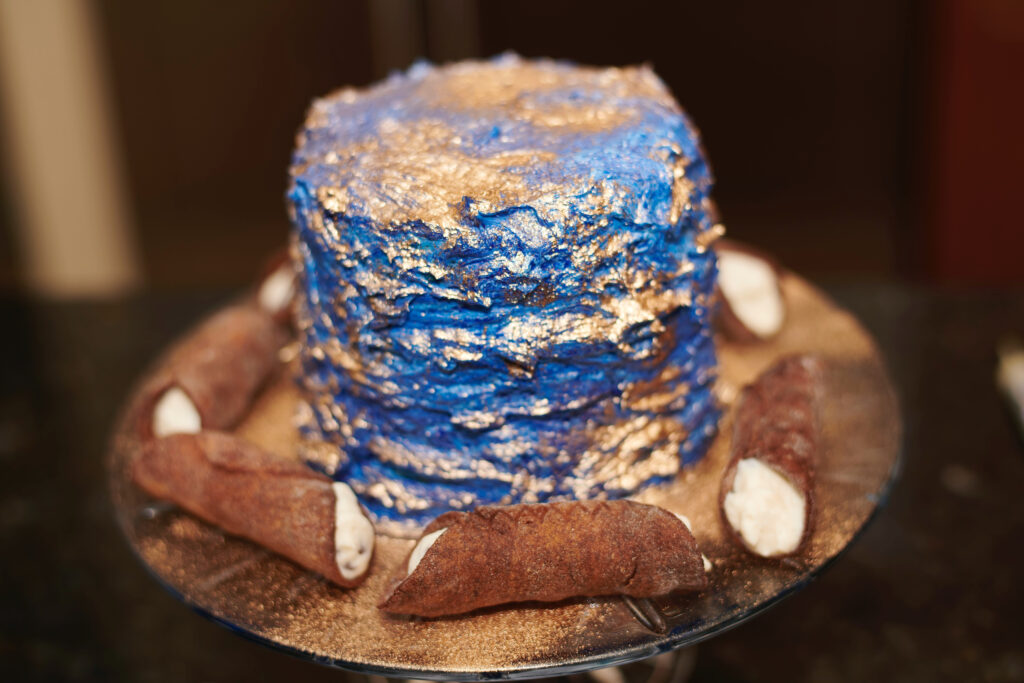
Crisp gluten-free chocolate cannoli filled with creamy ricotta filling and displayed around an elegant blue and gold cake.
How Edible Glitter Adds Sparkle
Edible glitter creates an entirely different type of texture by adding shimmer rather than crunch. Available in shimmering dusts, flakes, and fine powders, edible glitter reflects light beautifully and gives cakes an elegant finish.
A light dusting over buttercream creates a subtle glow that looks stunning in photographs. For a bolder appearance, edible glitter can be concentrated on decorative flowers, drip cakes, piped borders, or fondant details. Even a small amount adds elegance and enhances the overall design.
Combine Sprinkles and Edible Glitter for Maximum Impact
Some of the most beautiful cakes combine both sprinkles and edible glitter. Sprinkles provide colorful texture while edible glitter adds sparkle and depth. Together they create layers of visual interest that make homemade cakes look professionally decorated.
Imagine a smooth vanilla buttercream cake decorated with pastel confetti sprinkles around the base and finished with a soft dusting of iridescent edible glitter across the top. The combination feels festive, elegant, and balanced without becoming overwhelming.
Choose Colors That Match Your Celebration
Color selection plays a major role in creating a cohesive cake design. Coordinating sprinkles and edible glitter with your celebration theme helps produce a polished finished look.
Soft pastel colors work beautifully for spring celebrations, baby showers, and Easter desserts. Gold, silver, and pearl accents create timeless elegance for weddings and anniversaries. Bright rainbow sprinkles paired with shimmering glitter make cheerful birthday cakes that delight both children and adults.
Seasonal colors also make decorating easier. Rich reds and greens are perfect for Christmas, orange and black create festive Halloween cakes, while soft pinks, yellows, and lavender shades celebrate spring.
Add Texture Beyond the Visual Appeal
Texture is not only about appearance. Sprinkles introduce a satisfying crunch that contrasts beautifully with soft cake layers and creamy buttercream frosting. This combination creates a more enjoyable eating experience while making every bite feel special.
Layering different decorative elements also gives cakes more depth and dimension, making them appear more detailed and thoughtfully designed.
Tips for Decorating Success
Apply sprinkles while the frosting is still fresh so they adhere easily without falling away from the cake.
Use edible glitter sparingly. A light dusting often creates a more elegant appearance than applying too much.
Decorate over a baking sheet or parchment paper to catch excess sprinkles so they can be reused.
Step back occasionally while decorating to evaluate the overall balance of color and texture before adding more decorations.
Storing Decorated Cakes
Proper storage helps preserve both the appearance and texture of your decorations. Keep cakes in a cool, dry location away from direct sunlight. Excess humidity can soften sprinkles and reduce the sparkle of edible glitter.
If refrigerating the cake, allow it to come to room temperature before serving for the best flavor and texture.
Let Your Creativity Shine
One of the greatest advantages of decorating with sprinkles and edible glitter is the freedom to experiment. Mix colors, combine textures, and try different decorating techniques until you find a style that reflects your personality. There are no strict rules, only endless creative possibilities.
Whether you are decorating a simple family dessert or an elaborate celebration cake, these decorative touches make every cake feel extra special.
At Culibloom, we believe every homemade cake deserves a beautiful finishing touch. With just a handful of sprinkles, a touch of edible glitter, and a little creativity, you can transform an everyday cake into a stunning centerpiece that your family and guests will remember long after the last slice has been enjoyed.
Here is to fresh flavors, beautiful gardens, and all the little moments that make cooking and growing so rewarding.
Sending joy and happiness from my garden and kitchen to yours,
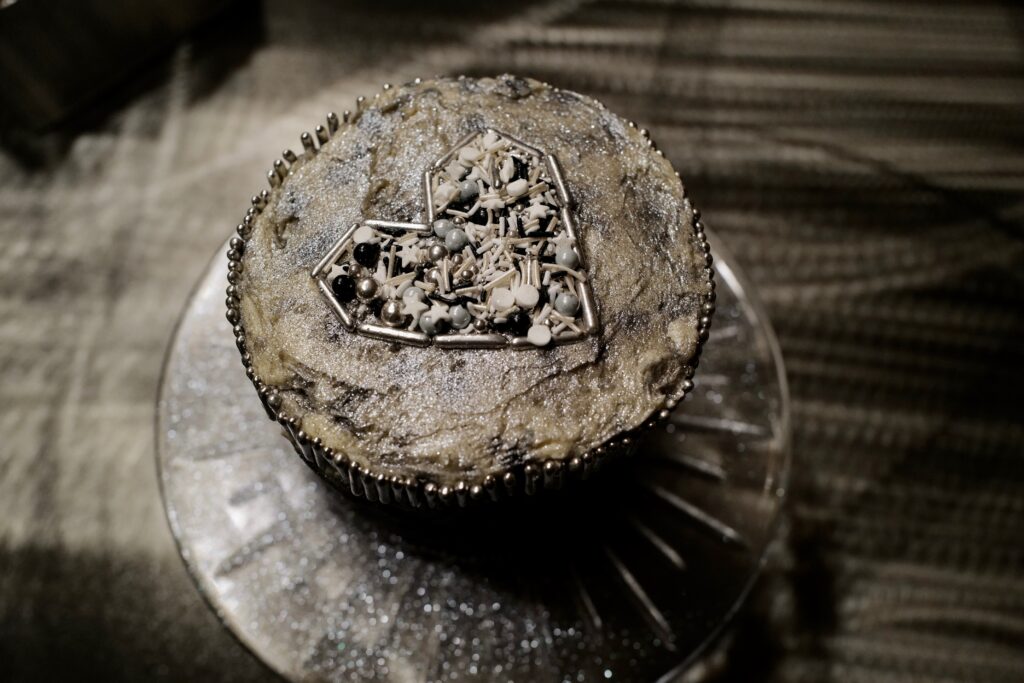
A sparkling Silver Sprinkle Surprise New Year’s Cake decorated with metallic frosting and a sprinkle-filled champagne bottle.
Creative cake decorations can turn an ordinary dessert into the centerpiece of any celebration. Whether you are baking for a birthday, wedding, baby shower, anniversary, or holiday gathering, the right decorating techniques can make your cake look professionally designed while showcasing your personal style. From elegant edible flowers to eye catching ombre effects, creative cake decorations allow you to transform simple cakes into unforgettable works of edible art.
Keeping colorful sprinkles firmly attached to your cookies is one of the easiest ways to make homemade treats look as though they came straight from a professional bakery. Whether you are baking classic sugar cookies for the holidays, colorful birthday treats, or gluten-free cookies for a special celebration, the right decorating techniques can make all the difference. Knowing when to add sprinkles, how much pressure to use, and which decorating methods work best will help your cookies stay beautiful from the moment they come out of the oven until the last delicious bite. Decorated cookies are a favorite for birthdays, holidays, baby showers, weddings, and cookie exchanges, but nothing is more frustrating than watching sprinkles fall off after baking or scatter across the bottom of a storage container. Fortunately, keeping sprinkles securely attached is easier than many home bakers realize. The key is understanding how cookie dough, frosting, and sprinkles work together. A few simple techniques can transform ordinary cookies into colorful, bakery-worthy creations that stay picture-perfect long after they have cooled. Why Sprinkles Fall Off Cookies Before learning how to keep sprinkles in place, it helps to understand why they sometimes fail to stick. One of the most common mistakes is applying sprinkles to dough that has dried out or to frosting that has already formed a crust. Without a slightly sticky surface, the sprinkles have nothing to grip. Overhandling decorated cookies or stacking them before they have completely cooled can also loosen decorations. Fortunately, each of these issues can be prevented with proper timing and a few easy decorating habits. Decorate Before Baking Whenever Possible For many cookie recipes, the best time to apply sprinkles is before the cookies go into the oven. After shaping your cookie dough, gently press the sprinkles into the surface. As the cookies bake, the dough expands slightly around the decorations, helping secure them in place. This technique works especially well for sugar cookies, butter cookies, shortbread, chocolate cookies, and gluten-free sugar cookies. The finished cookies maintain bright, colorful decorations with very little effort. Use Gentle Pressure One of the biggest decorating mistakes is pressing too hard when adding sprinkles. A light touch is all that is needed to help the decorations adhere to the dough. Pressing too firmly can flatten shaped cookies, distort decorative edges, or cause the dough to spread unevenly during baking. If you are decorating large batches, the flat bottom of a drinking glass lined with parchment paper can gently press sprinkles into the dough without damaging the cookie’s shape. Chill the Dough After Decorating If your cookie recipe recommends chilling the dough, decorate first and refrigerate afterward. Chilling helps the dough firm up around the sprinkles while also reducing cookie spread during baking. The result is sharper cookie shapes and decorations that remain exactly where you placed them. This extra step is especially helpful when making intricate cut-out cookies for holidays or special occasions. Add an Egg Wash for Extra Adhesion For cookies that require additional security, lightly brushing the tops with beaten egg before adding sprinkles works extremely well. The thin layer of egg acts like edible glue, helping sprinkles bond to the surface while baking. This method is commonly used for decorative pie crusts, pastry cookies, and holiday sugar cookies. Only a light coating is necessary. Too much egg wash can leave the cookies with an overly shiny appearance. Decorate Baked Cookies with Royal Icing If you prefer decorating cookies after baking, royal icing offers one of the strongest and most reliable ways to secure sprinkles. Apply a thin layer of icing and immediately add the sprinkles before the icing begins to dry. As the royal icing hardens, it locks the decorations into place and creates a beautiful, smooth finish. Royal icing is ideal for detailed cookie decorating because it dries firm enough for stacking and packaging. Buttercream Works Beautifully Too Soft buttercream frosting naturally holds sprinkles without requiring any additional adhesive. Spread or pipe the frosting onto cooled cookies and immediately decorate while the buttercream is still fresh. Once the frosting begins to crust over, sprinkles become much more difficult to attach. Buttercream is an excellent choice for oversized bakery-style cookies, sandwich cookies, and festive celebration treats. Choose Sprinkles That Bake Well Not every type of sprinkle performs the same during baking. Jimmies are among the most dependable because they hold their shape and vibrant colors in the oven. Sanding sugar adds sparkle while maintaining its texture. Sugar crystals create a beautiful shimmering finish with a pleasant crunch. Confetti sprinkles add cheerful color to birthday and holiday cookies. Nonpareils provide excellent coverage but may slightly bleed into lighter-colored dough during baking. Selecting the right sprinkle for your recipe can dramatically improve your finished cookies. Avoid Using Too Many Sprinkles Although it is tempting to completely cover each cookie, using too many sprinkles can actually reduce how well they stay attached. A moderate, even layer allows the dough or frosting to grip each sprinkle more effectively while creating a cleaner, more polished appearance. Sometimes less truly creates a more elegant result. Bake at the Proper Temperature Following the recommended baking temperature helps preserve the color and texture of decorative sprinkles. Oven temperatures that are too high may cause certain sprinkle varieties to fade or soften excessively. Overbaking can also make cookies more fragile, increasing the chance that decorations will loosen during handling. Proper baking helps ensure your cookies remain both beautiful and delicious. Cool and Store Cookies Carefully Freshly baked cookies need time to set before being moved. Allow them to cool on the baking sheet for several minutes before transferring them to a cooling rack. Once completely cooled, store decorated cookies in airtight containers with parchment paper placed between each layer. Keeping cookies in a cool, dry location also helps preserve both their freshness and their decorative finish. Common Mistakes to Avoid Even experienced bakers occasionally make simple decorating mistakes. Applying sprinkles after the dough has dried, waiting too long to decorate frosting, using
Discover the perfect gluten-free chocolate Bundt cake with these three delicious variations! Using all-purpose flour, measure-for-measure flour, or cake mix, you can enjoy a moist, flavorful cake that's both indulgent and accessible.