Find the best chestnut flour substitute for cakes, breads, pancakes, and more, with easy ratios and tips for successful gluten-free baking.
Chestnut flour brings a naturally sweet, nutty flavor and fine texture to cakes, muffins, pancakes, cookies, crepes, and rustic breads. It is also naturally gluten-free, making it a distinctive choice for gluten-free baking.
Because chestnut flour is less common than many other specialty flours, it may not always be available when you need it. Fortunately, almond flour, oat flour, brown rice flour, buckwheat flour, all-purpose flour, and gluten-free flour blends can all serve as practical alternatives.
The best chestnut flour substitute depends on the recipe, the desired flavor, and whether the finished dish must be gluten-free. The following ratios provide useful starting points, but minor adjustments may be necessary because different flours absorb moisture and provide structure in different ways.
What Makes Chestnut Flour Unique?
Chestnut flour differs from many nut flours because chestnuts contain less fat and more starch than almonds and other common baking nuts. The flour has a naturally sweet flavor, a delicate nutty character, and a fine consistency that blends easily into batters and doughs.
A successful substitute should account for more than volume. Sweetness, moisture absorption, fat content, and structure can all affect the finished result. No alternative recreates every quality of chestnut flour perfectly, but several options perform well when matched to the right type of recipe.
Almond Flour Substitute Ratio
Almond flour is a popular chestnut flour replacement because it adds a mild nutty flavor and helps baked goods remain moist and tender.
Substitution ratio: 1 cup chestnut flour = 1 cup almond flour
Use this as a starting point for cakes, muffins, cookies, and quick breads. Almond flour contains more fat and less starch than chestnut flour, so the finished product may be richer, softer, and slightly more delicate.
Because almond flour comes from tree nuts, it is not suitable for people with almond or tree nut allergies.
Oat Flour Substitute Ratio
Oat flour has a mild flavor and soft texture that work well in pancakes, muffins, cookies, and other tender baked goods.
Substitution ratio: 1 cup chestnut flour = 1 cup oat flour
If the batter becomes thicker than expected, add a small amount of the recipe’s existing liquid until the desired consistency is reached. Oat flour is less sweet than chestnut flour, so the flavor of the finished dish may also be more neutral.
For gluten-free baking, choose oat flour labeled or certified gluten-free because ordinary oats may be exposed to gluten during growing, processing, or packaging.
Brown Rice Flour Substitute Ratio
Brown rice flour has a mild, slightly nutty flavor and can replace chestnut flour in both sweet and savory dishes.
Substitution ratio: 1 cup chestnut flour = 1 cup brown rice flour
Brown rice flour may produce a drier or more noticeably grainy texture when used alone. It often works best as part of a gluten-free flour blend containing a starch such as tapioca starch or arrowroot starch.
This alternative is especially useful when you want a neutral flour that will not compete with the other flavors in the dish.
Buckwheat Flour Substitute Ratio
Despite its name, buckwheat is not a type of wheat. It is naturally gluten-free and has a bold, earthy flavor that pairs especially well with pancakes, waffles, crepes, rustic breads, and savory baked goods.
Substitution ratio: 1 cup chestnut flour = ¾ to 1 cup buckwheat flour
Begin with the smaller amount when working with a delicate or lightly flavored recipe. Use the full amount when a stronger earthy flavor and heartier texture are welcome.
Buckwheat flour has a more pronounced taste than chestnut flour, so it may not be the best choice for every cake or mildly flavored dessert.
All-Purpose Flour Substitute Ratio
When a gluten-free replacement is not required, regular all-purpose flour offers a simple and widely available option.
Substitution ratio: 1 cup chestnut flour = 1 cup all-purpose flour
The gluten in all-purpose flour provides more elasticity and structure, which can result in a lighter or chewier texture. Avoid excessive mixing after adding the flour, particularly when preparing muffins, pancakes, or quick breads.
All-purpose flour does not provide chestnut flour’s natural sweetness or nutty flavor. A small adjustment to the recipe’s flavoring or sweetener may be helpful, depending on the dish.
Gluten-Free All-Purpose Flour Blend Ratio
A well-balanced gluten-free all-purpose flour blend is often the most convenient replacement when consistent structure is the priority.
Substitution ratio: 1 cup chestnut flour = 1 cup gluten-free all-purpose flour blend
This option works well in many cakes, cookies, muffins, pancakes, and quick breads. Results can vary among brands because each blend contains a different combination of grains, starches, and binders.
Check whether the blend already contains xanthan gum or another binder before adding any separately. Using more binder than the recipe needs can create a gummy or overly dense texture.
Choosing the Best Substitute for Cakes and Muffins
Almond flour and oat flour are useful choices for cakes and muffins because they promote a moist, tender texture. Almond flour provides greater richness, while oat flour has a milder flavor that allows ingredients such as chocolate, vanilla, citrus, and warm spices to stand out.
A gluten-free all-purpose blend may be the better choice when the recipe needs more structure or when you want a replacement with a relatively neutral flavor.
Choosing the Best Substitute for Pancakes, Waffles, and Crepes
Oat flour is a versatile option for soft pancakes and waffles. Buckwheat flour creates a heartier result with a deeper, earthier flavor that works particularly well in crepes and rustic breakfast dishes.
Almond flour may also be used, but its higher fat content can produce a more delicate batter and softer finished texture.
Choosing the Best Substitute for Breads and Pizza Dough
Yeast breads and pizza dough rely heavily on structure, so replacing chestnut flour may require more than a direct flour swap. A gluten-free all-purpose blend designed for bread or yeast baking will usually provide better structure than almond flour or brown rice flour used alone.
Brown rice flour can contribute body when combined with starches and an appropriate binder. When chestnut flour represents only a portion of the flour in a bread formula, replacing that portion is generally easier than replacing all the flour in the recipe.
Choosing the Best Substitute for Savory Dishes
Buckwheat flour is an excellent option for savory crepes, rustic breads, crackers, and batters where its assertive flavor can complement herbs, vegetables, mushrooms, and cheese.
Brown rice flour and gluten-free flour blends offer more neutral alternatives when you want the other ingredients to remain the focus.
How to Adjust Sweetness and Moisture
Chestnut flour contributes natural sweetness, while most substitutes have a milder or more savory flavor. Taste the mixture when appropriate and adjust the recipe’s existing sweetener gradually rather than adding a large amount immediately.
Moisture may also require adjustment. Oat flour and brown rice flour can absorb liquid differently from chestnut flour, while almond flour contributes additional fat. If a batter appears unusually thick or dry, add a small amount of the recipe’s existing liquid. If it appears too loose, allow it to rest briefly before deciding whether more flour is necessary.
Common Chestnut Flour Substitution Mistakes
Assuming every gluten-free flour behaves the same way is a common mistake. Almond flour contributes fat, oat flour creates tenderness, rice flour can feel grainy when used alone, and buckwheat flour has a strong flavor. Each substitute changes the recipe differently.
Another mistake is overlooking chestnut flour’s natural sweetness. A replacement may perform well structurally while producing a noticeably less sweet finished dish.
It is also important to consider how much chestnut flour the original recipe contains. Replacing a small portion is usually more forgiving than replacing the primary flour in a cake, bread, or pizza dough.
Finally, avoid making several major adjustments at once. Start with the recommended ratio, evaluate the consistency, and make small changes as needed.
Baking Successfully Without Chestnut Flour
Running out of chestnut flour does not have to bring your baking plans to a halt. Almond flour provides richness, oat flour creates tenderness, brown rice flour offers a neutral base, buckwheat flour adds earthy depth, and gluten-free all-purpose blends provide convenient structure.
Treat each ratio as a practical starting point rather than a universal guarantee. By considering sweetness, moisture, flavor, and the role flour plays in the original recipe, you can choose a chestnut flour substitute that produces satisfying and dependable results.
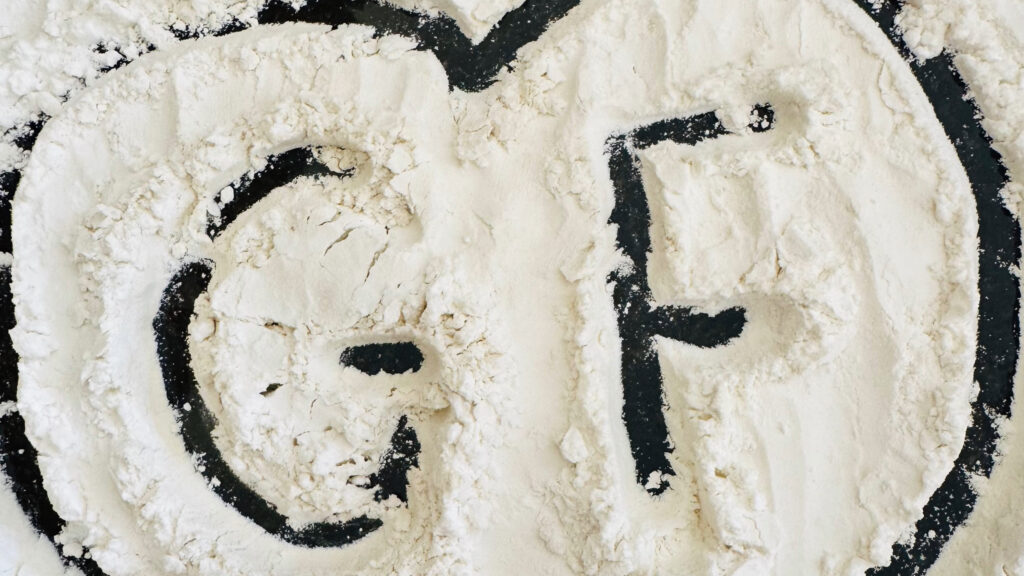
flour-drawn heart surrounding “GF” celebrates gluten-free baking made with love.
Almond flour is a versatile gluten-free ingredient that adds moisture and a nutty flavor to baked goods. However, tree nut allergies, cost, availability, and the desire for experimentation can make it a challenging substitute. Coconut flour, a popular alternative, is high in fiber and absorbs liquid well, making it a great option for those needing a gluten-free flour.
Discover the ultimate gluten-free flour blends for every baking need. From cakes and cookies to bread and pastries, learn how to create the perfect blend for your favorite recipes with easy ratios and expert tips.
Discover the secrets to perfect gluten-free baking with our comprehensive guide! From all-purpose to pizza flour, learn how each blend enhances your recipes. Whether you're a beginner or a seasoned baker, unlock the potential of gluten-free ingredients and elevate your culinary creations.