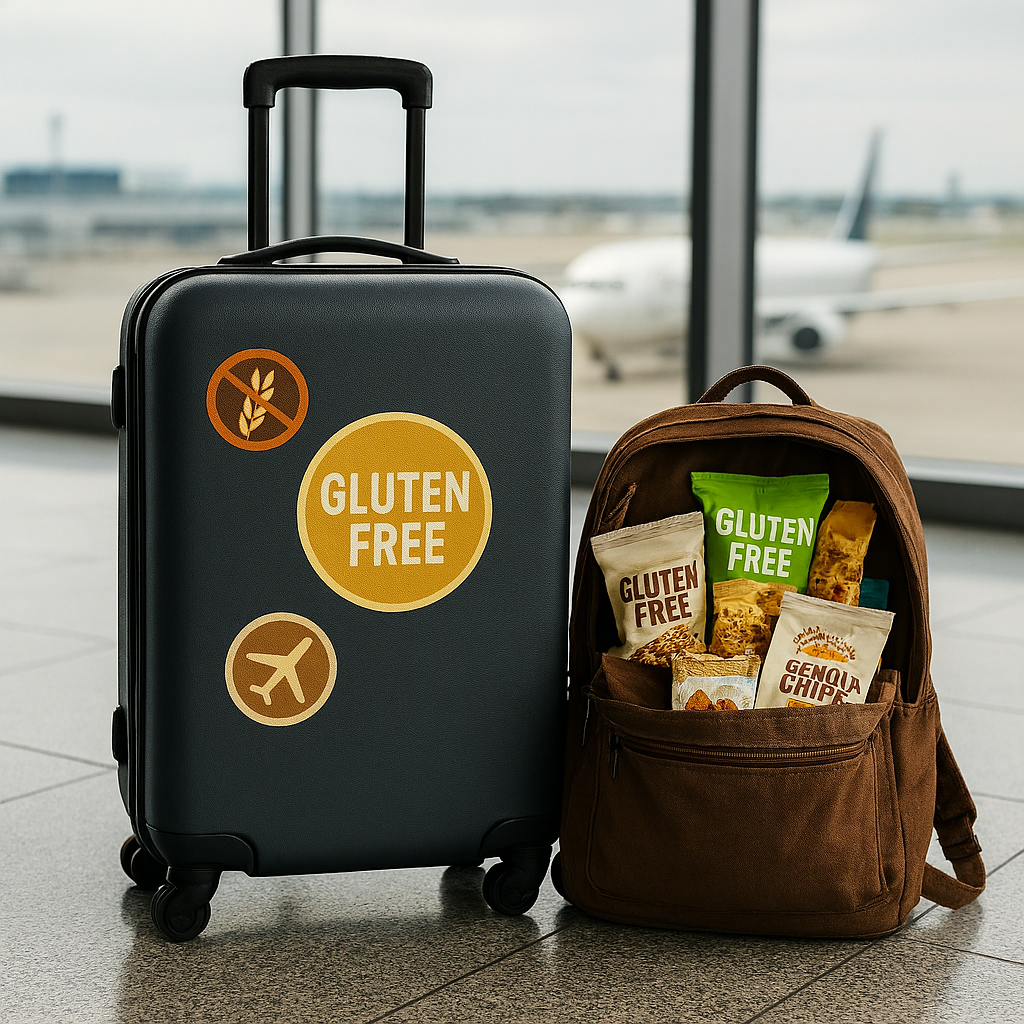

Discover practical tips for eating gluten-free while traveling, including planning ahead, preventing cross-contact, packing snacks, and dining safely.
Travel can be exciting, restorative, and full of memorable experiences. However, eating gluten-free while traveling often requires more preparation than choosing a destination and packing a suitcase. Unfamiliar restaurants, language barriers, limited airport options, and concerns about cross-contact can make meals feel stressful, especially for travelers with celiac disease.
The good news is that gluten-free travel is manageable. Careful research, clear communication, reliable snacks, and flexible expectations can make it easier to eat confidently without allowing food concerns to overshadow the trip.
Research Your Destination Before Leaving
Planning ahead is one of the most effective gluten-free travel strategies. Before departure, research restaurants, grocery stores, bakeries, and cafes near your hotel and the places you plan to visit.
Restaurant websites and online menus can provide a helpful starting point, but a gluten-free label does not always explain how food is prepared. Look for businesses that mention allergen procedures, separate preparation areas, dedicated equipment, or staff training.
Save several possibilities in different neighborhoods instead of relying on one restaurant. Confirm important details directly with the establishment because menus, ingredients, and kitchen practices can change.
Learn How to Explain Your Needs
Clear communication matters, particularly when avoiding gluten for medical reasons. Simply asking whether a dish is gluten-free may not provide enough information. Explain that you must avoid wheat, barley, rye, and cross-contact with gluten-containing foods.
When traveling internationally, learn a few useful phrases in the local language. A professionally translated gluten-free dining card can help communicate your needs to restaurant staff, but it should support a conversation rather than replace one.
Regional ingredients and cooking practices can vary. Learning about common breads, sauces, seasonings, and preparation methods at your destination can help you ask more informed questions.
Pack Food You Know You Can Eat
Unexpected delays and limited food choices are common during travel. Carrying dependable gluten-free snacks gives you a safe alternative when suitable meals are difficult to find.
Shelf-stable options may include certified gluten-free bars, nuts, trail mix, dried fruit, rice crackers, nut or seed butter packets, and individually packaged snacks. Check every label, even on familiar products, because ingredients and manufacturing practices may differ between countries.
Pack enough food for the journey and a little extra for delays. If you are flying, review current airline and destination rules for carrying liquids, fresh produce, meat, and other foods.
Choose Accommodations That Make Meals Easier
A hotel room with a refrigerator, microwave, or kitchenette can make eating gluten-free while traveling much simpler. Access to basic kitchen facilities allows you to store groceries, prepare breakfast, and assemble easy meals when restaurant choices are limited.
Vacation rentals may provide more flexibility, but shared kitchens can introduce cross-contact concerns. Inspect cookware, utensils, cutting boards, toasters, and food-preparation surfaces before using them. Disposable liners, your own small cutting board, or a reusable toaster bag may be helpful when appropriate.
Even without a full kitchen, a refrigerator can hold fruit, yogurt, cheese, vegetables, and clearly labeled gluten-free foods for quick meals and snacks.
Ask Specific Questions at Restaurants
A gluten-free menu is useful, but it does not automatically mean every listed item is appropriate for someone with celiac disease. Ask how the food is prepared and whether the kitchen can accommodate your needs.
Find out whether fried foods are cooked in a dedicated fryer, whether pasta uses separate water, and whether clean utensils and preparation surfaces are available. Ask if grilled foods share a surface with breaded items or buns. It is also worth checking whether gloves are changed before your meal is handled.
Sauces, marinades, soups, dressings, gravies, seasoning blends, and garnishes deserve special attention. If the staff cannot answer your questions confidently, choosing a simpler dish or eating elsewhere may be the safest decision.
Understand Cross-Contact
Cross-contact occurs when gluten-free food touches gluten or contaminated equipment, surfaces, or utensils. This can happen through shared fryers, cutting boards, colanders, toasters, serving utensils, condiment containers, or preparation areas.
People avoiding gluten by choice may make different dining decisions than someone with celiac disease. If you have celiac disease or another medically diagnosed condition, follow the advice of your healthcare professional and communicate the level of care you require.
Build Meals Around Naturally Gluten-Free Foods
Naturally gluten-free foods can make travel meals more straightforward. Fruits, vegetables, plain rice, potatoes, eggs, legumes, fish, poultry, and unprocessed meats may be suitable when they are prepared without gluten-containing ingredients or cross-contact.
Preparation still matters. Plain potatoes can become unsafe when fried in shared oil, and grilled meat may be exposed to contaminated surfaces, sauces, or seasoning blends. Ask questions even when a dish appears simple.
Choosing uncomplicated meals with fewer components can make ingredients and preparation practices easier to understand.
Shop at Local Grocery Stores
A nearby grocery store can be one of the most useful resources for gluten-free travelers. It provides access to packaged foods with ingredient labels as well as simple staples for breakfasts, snacks, and light meals.
Labeling standards vary by country, so research the rules at your destination before relying on unfamiliar packaging. A translation tool can help you read ingredient lists, but it should not replace official allergen information when safety is uncertain.
Keep a few grocery items in your room so that every meal does not depend on finding a suitable restaurant.
Use Gluten-Free Travel Apps Carefully
Travel apps, restaurant directories, online groups, and customer reviews can help identify promising places to eat. Recent reviews from people with celiac disease may offer useful information about staff knowledge and kitchen practices.
Treat reviews as research rather than guarantees. Restaurant procedures can change, and another diner’s dietary requirements may differ from yours. Contact the restaurant directly when possible and discuss your needs again when you arrive.
Save addresses, menus, and maps for offline use in case your phone loses service or internet access.
Prepare for Airports, Flights, and Road Trips
Airports and transportation hubs can have limited gluten-free selections, especially early in the morning or late at night. Eat before leaving when practical and keep safe food in your carry-on rather than checked luggage.
If an airline offers a gluten-free meal, request it well in advance and confirm the request before departure. Still bring backup food because special meals may be unavailable, incorrectly labeled, or unsuitable for your individual needs.
For road trips, plan stops near grocery stores or researched restaurants. A cooler can expand your options, provided perishable food remains at a safe temperature.
Stay Flexible Without Taking Unnecessary Risks
Schedules change, restaurants close, and planned meals do not always work out. Flexibility can reduce stress, but it should not require compromising your health.
Keep backup food available, identify more than one dining option, and be willing to leave a restaurant if the staff cannot accommodate you safely. A simple meal from a grocery store may be less exciting, but it can allow you to enjoy the rest of the day with greater peace of mind.
Create a Personal Gluten-Free Travel Routine
The most effective travel plan is one you can repeat. Before each trip, research food options, save essential phrases, pack dependable snacks, confirm accommodations, and make a list of questions to ask restaurant staff.
After returning home, note which strategies worked and what you would change next time. With experience, gluten-free travel can become less intimidating and more routine.
Travel With Greater Confidence
Eating gluten-free while traveling does not require a perfect itinerary. It requires preparation, communication, and a willingness to adapt.
Researching restaurants, packing safe food, choosing convenient accommodations, checking hidden ingredients, and asking detailed questions can reduce uncertainty throughout the trip. With a practical plan in place, you can spend less time worrying about your next meal and more time enjoying the destination.