Dark Purple Zinnia: A Stunning Garden Flower That Attracts Pollinators and Brightens Every Landscape
Learn how to grow Dark Purple Zinnia flowers, discover their benefits, companion planting ideas, pollinator appeal, and creative floral uses for a colorful, thriving garden.
Dark Purple Zinnia is a breathtaking annual flower prized for its rich, velvety purple blooms and long-lasting display throughout the growing season. With its bold color, sturdy stems, and remarkable ability to attract butterflies, bees, and other beneficial pollinators, this beautiful zinnia has become a favorite among home gardeners, flower farmers, and floral designers alike.
Whether planted in flower beds, borders, raised gardens, cutting gardens, or decorative containers, Dark Purple Zinnias provide continuous color from early summer until the first frost. Their vibrant blossoms create stunning contrast against green foliage while complementing nearly every other flowering plant in the landscape.
Here you will learn about Dark Purple Zinnia, including how to grow it successfully, its companion planting benefits, pollinator value, and creative ways to enjoy these elegant flowers in both the garden and floral arrangements.
What Is a Dark Purple Zinnia?
Dark Purple Zinnia belongs to the Zinnia elegans species, one of the easiest and most rewarding flowering annuals to grow. Native to Mexico, zinnias thrive in warm weather and are celebrated for their fast growth, exceptional bloom production, and minimal maintenance requirements.
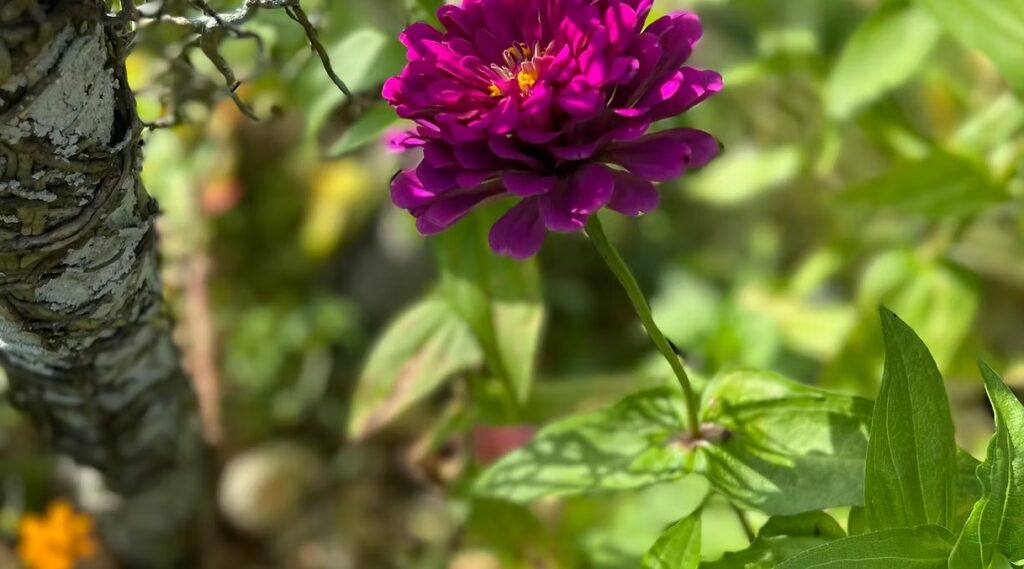
The deep purple blossoms range from royal purple to rich plum and burgundy-purple shades depending on the variety and growing conditions. Many cultivars produce large, fully double flowers that resemble dahlias, while others feature semi-double or single blooms that are equally attractive to pollinators.
These flowers typically grow between 18 and 36 inches tall, making them ideal for adding height and vibrant color to garden beds while also serving as excellent cut flowers.
Growing Dark Purple Zinnia
Dark Purple Zinnias are among the easiest flowers for beginner and experienced gardeners alike. Their vigorous growth and continuous blooming make them one of the most dependable annual flowers available.
Plant seeds outdoors after all danger of frost has passed and the soil has warmed to at least 70°F. Zinnias dislike cold temperatures, so waiting for consistently warm weather helps ensure quick germination.
Choose a location that receives six to eight hours of direct sunlight each day. Full sun encourages abundant flowering, stronger stems, and healthier plants.
Well-drained soil enriched with compost provides excellent growing conditions. While zinnias tolerate average garden soil, adding organic matter improves moisture retention and encourages vigorous growth.
Water deeply during dry periods while allowing the soil surface to dry slightly between waterings. Avoid overhead watering whenever possible, as wet foliage can encourage powdery mildew.
Regular deadheading encourages continuous blooms throughout the season, keeping plants productive until frost.
Companion Planting with Dark Purple Zinnia
Dark Purple Zinnias pair beautifully with vegetables, herbs, and other flowering plants, making them valuable additions to edible gardens as well as ornamental landscapes.
The colorful flowers attract pollinators that improve fruit and vegetable production while also inviting beneficial insects that naturally help control garden pests.
Their upright growth habit allows them to fit easily among vegetables without overwhelming nearby plants, making them ideal companions for raised beds and cottage gardens.
Pollinator Benefits
One of the greatest advantages of growing Dark Purple Zinnias is their incredible ability to attract pollinators.
Butterflies are especially drawn to the nectar-rich blossoms. You may frequently see swallowtails, monarchs, painted ladies, and other butterfly species visiting the flowers throughout the day.
Honeybees, native bees, hoverflies, and beneficial wasps also visit the blooms, helping pollinate nearby fruits, herbs, and vegetables.
As the growing season progresses, birds may feed on mature zinnia seeds, adding another layer of wildlife interest to the garden.
Planting large groups of Dark Purple Zinnias creates an irresistible destination for pollinators while adding spectacular seasonal color.
Blooming Season
Dark Purple Zinnias begin flowering approximately six to eight weeks after planting from seed.
Once blooming begins, flowers continue appearing until the first autumn frost with very little maintenance.
Regular harvesting for bouquets actually encourages additional flowers, making these plants even more productive.
Their exceptional blooming period makes them one of the longest-lasting annual flowers available for home gardens.
Culinary Uses
Dark Purple Zinnias are primarily ornamental flowers and are not commonly grown for culinary purposes.
Although zinnia petals are technically considered non-toxic, they are generally not cultivated as edible flowers because of their slightly bitter flavor and coarse texture.
If using flowers as decorative garnishes, only harvest blooms that have been grown organically without pesticides or other chemicals. For edible flower recipes, it is generally recommended to choose flowers traditionally grown for culinary use, such as calendula, nasturtiums, pansies, chamomile, or borage.
Floral Arrangements
Dark Purple Zinnias are among the finest cut flowers available for fresh bouquets.
Their long, sturdy stems make arranging simple, while their vibrant blooms provide striking focal points in both rustic and elegant floral designs.
They pair beautifully with white cosmos, pink coneflowers, sunflowers, celosia, dahlias, eucalyptus, ornamental grasses, basil flowers, and fresh herbs.
Harvest flowers early in the morning when stems are fully hydrated, and immediately place them into cool water to maximize vase life.
With proper care, freshly cut zinnias often remain beautiful for seven to ten days.
Common Growing Problems
Dark Purple Zinnias are generally easy to grow, but a few common issues may occur.
Powdery mildew can develop during humid weather or when plants are spaced too closely together. Good air circulation and watering at the soil level help reduce this problem.
Japanese beetles, aphids, and spider mites occasionally feed on foliage or flowers. Most infestations can be controlled by encouraging beneficial insects or using appropriate organic gardening methods.
Root rot may occur if soil remains consistently waterlogged, making well-drained soil essential for healthy plants.
Why Gardeners Love Dark Purple Zinnias
Dark Purple Zinnias combine beauty, simplicity, and productivity in one remarkable flower. Their rich jewel-toned blooms add elegance to any landscape while supporting butterflies, bees, and other beneficial wildlife.
Because they bloom continuously, tolerate summer heat, make outstanding cut flowers, and require relatively little maintenance, they remain one of the most rewarding annual flowers for gardeners of every experience level.
Whether you are creating a colorful cottage garden, planting a pollinator paradise, filling raised beds with companion flowers, or growing blooms for fresh bouquets, Dark Purple Zinnias deliver months of spectacular color and dependable performance that brighten both the garden and the home.
A rich purple zinnia adds bold color and graceful beauty to a sunlit garden.
Learn how to grow purple pansies in garden beds and containers with helpful tips for planting, watering, sunlight, care, and companion plants. Purple pansies bring rich color, velvety petals, and old-fashioned charm to garden beds, containers, and window boxes. Their expressive blooms appear in shades ranging from soft lavender to deep violet, often accented by contrasting centers that resemble tiny faces. These cool-season flowers can brighten the garden when many warm-season plants are resting or have not yet begun to bloom. Known botanically as Viola × wittrockiana, garden pansies are compact flowering plants commonly grown as annuals, biennials, or short-lived perennials, depending on the climate. They perform especially well during the mild temperatures of spring and fall. In regions with gentle winters, they may continue flowering through much of the cooler season. Purple pansies are easy to combine with other flowers and foliage plants, making them a versatile choice for both formal and relaxed garden designs. With suitable light, consistent moisture, and protection from excessive heat, these timeless flowers can provide weeks or even months of beautiful color. Why Grow Purple Pansies? Purple pansies offer a combination of beauty, versatility, and cool-season performance. Their low, mounded growth habit makes them ideal for edging pathways, filling gaps near the front of flower beds, and adding color beneath taller plants. They also grow well in pots, hanging baskets, window boxes, and mixed seasonal containers. The color purple adds depth and elegance to the landscape. Deep violet varieties create dramatic contrast when paired with white, yellow, or pale pink flowers. Lavender pansies produce a softer cottage-garden appearance and blend beautifully with silver foliage, blue-green leaves, and pastel spring blooms. Pansies may also attract small pollinating insects during mild weather when other flowers are limited. Their long blooming period makes them particularly valuable for extending seasonal garden interest. When to Plant Purple Pansies The best planting time depends on the local climate. Pansies prefer cool conditions and generally grow best when daytime temperatures are mild and nights are cool. In regions with cold winters, pansies are typically planted in early spring as soon as the soil can be worked. Nursery-grown transplants provide immediate color and usually begin establishing quickly. Gardeners may also plant pansies in early fall, although the plants need enough time to develop roots before the ground freezes. In warmer climates with mild winters, pansies are often planted in fall for winter and early-spring flowers. They may bloom for several months before declining as summer heat arrives. Avoid planting pansies immediately before an extended period of hot weather. High temperatures can cause the plants to become leggy, produce fewer flowers, or stop blooming altogether. Choosing the Right Location Purple pansies perform best in full sun during cool weather. A location receiving approximately six hours of direct sunlight can encourage compact growth and abundant flowers. In areas with warmer spring or fall temperatures, light afternoon shade may help protect the plants from heat stress. Morning sun combined with afternoon shade is often a good arrangement because the plants receive enough light for flowering while avoiding the strongest part of the day’s heat. Good air circulation is also important. Crowded plants and constantly damp foliage can create conditions that encourage fungal problems. Space pansies according to the mature size listed for the selected variety, allowing the leaves to dry after rain or watering. Preparing the Soil Pansies grow best in fertile, well-drained soil that retains light moisture without remaining soggy. Heavy or compacted ground can hold too much water around the roots, while very sandy soil may dry too quickly. Before planting, loosen the soil and mix in finished compost or another suitable form of organic matter. This can improve drainage, moisture retention, and overall soil structure. Raised beds and containers are useful alternatives where garden soil drains poorly. When growing pansies in pots, use a quality container mix rather than dense garden soil. Every container should have unobstructed drainage holes so excess water can escape. How to Plant Purple Pansies Dig a hole approximately as deep as the plant’s nursery container and slightly wider than the root ball. Carefully remove the pansy from its pot, taking care not to pull or damage the stems. Place the plant in the hole with the top of the root ball level with the surrounding soil. Planting too deeply can hold moisture around the crown and contribute to poor growth. Gently return soil around the roots, press it lightly into place, and water thoroughly. A thin layer of mulch can help moderate soil temperature and reduce moisture loss. Keep mulch from touching the crowns and stems, since constant moisture directly against the plant may encourage decay. Watering Purple Pansies Consistent moisture supports healthy pansy growth and flower production. Water when the top layer of soil begins to feel dry, soaking the root zone thoroughly instead of applying a small amount only to the surface. The exact watering schedule will vary with temperature, rainfall, soil type, and container size. Potted pansies generally dry faster than plants growing in the ground and may require more frequent attention. Whenever possible, water near the base of the plants in the morning. This gives splashed foliage time to dry before evening. Avoid allowing the soil to become waterlogged, since saturated conditions can damage the roots and increase the risk of disease. Feeding for Healthy Growth Pansies benefit from fertile soil, but excessive fertilizer can produce leafy growth at the expense of flowers. Compost incorporated before planting may provide much of the nutrition needed in a garden bed. Container-grown pansies may need occasional feeding because nutrients gradually leave the potting mix during watering. Apply an appropriate fertilizer according to its label directions, and avoid using more than recommended. If plants have healthy green foliage but few flowers, excessive nitrogen or warm weather may be contributing to the problem. Encouraging More Flowers Removing faded blossoms helps keep purple pansies neat and may encourage continued flowering. Pinch or cut off the entire spent flower
Lavender and chamomile companion planting is one of the easiest and most rewarding ways to create a beautiful, fragrant, and productive herb garden. These two beloved herbs have been cultivated for centuries for their ornamental beauty, calming aromas, culinary uses, and medicinal properties. Together, they form a stunning combination that not only enhances your landscape but also supports pollinators, attracts beneficial insects, and contributes to a healthier garden ecosystem. Whether you are planning a cottage garden, designing a pollinator-friendly landscape, or creating an edible herb garden, lavender and chamomile companion planting offers countless benefits. Their complementary growth habits, similar cultural requirements, and long-lasting blooms make them an ideal pairing for gardeners of all skill levels. What Is Lavender and Chamomile Companion Planting? Lavender and chamomile companion planting is the practice of growing these two herbs together because they thrive under similar growing conditions and provide mutual benefits within the garden. While companion planting cannot eliminate every gardening challenge, it encourages biodiversity, supports beneficial insects, and creates a balanced growing environment. Lavender adds striking vertical spikes of fragrant purple flowers, while chamomile produces delicate white blossoms with cheerful yellow centers. Together they create a classic cottage garden display that is both elegant and functional. Their flowers bloom over an extended period, providing a continuous source of nectar for pollinators while filling the garden with color and fragrance. Benefits of Lavender and Chamomile Companion Planting One of the greatest advantages of lavender and chamomile companion planting is the abundance of pollinators it attracts. Honeybees, native bees, butterflies, hoverflies, and other beneficial insects are drawn to their nectar-rich flowers throughout the growing season. As pollinators visit these herbs, they also improve the pollination of nearby vegetables, fruit trees, berry bushes, and flowering ornamentals. A garden filled with pollinators is often healthier, more productive, and more resilient. Lavender and chamomile also attract beneficial insects such as ladybugs, lacewings, parasitic wasps, and hoverflies. These natural predators help control aphids, whiteflies, spider mites, and other common garden pests, reducing the need for chemical pesticides. Lavender’s aromatic foliage contains naturally fragrant essential oils that may help discourage mosquitoes, moths, fleas, and certain flying insects. While no single plant completely prevents pests, incorporating aromatic herbs into your landscape contributes to a more balanced garden ecosystem. Another advantage of lavender and chamomile companion planting is its simplicity. Since both herbs enjoy similar growing conditions, caring for them together is easy and efficient. Growing Conditions for Lavender and Chamomile Successful lavender and chamomile companion planting begins with choosing the right location. Both herbs grow best in full sun and require at least six to eight hours of direct sunlight each day. Plenty of sunshine encourages compact growth, abundant blooms, and stronger fragrance. Well-drained soil is essential for healthy plants. Lavender thrives in sandy or gravelly soil that drains quickly, while chamomile prefers fertile, loose soil with good drainage. Incorporating compost before planting improves soil structure without sacrificing drainage. Lavender becomes highly drought tolerant once established and prefers the soil to dry slightly between waterings. Chamomile appreciates moderate moisture during dry periods but should never remain in waterlogged soil. Providing adequate spacing between plants encourages good airflow, reduces humidity around the foliage, and minimizes the risk of fungal diseases. The Best Companion Plants for Lavender and Chamomile Although lavender and chamomile thrive together, they also pair beautifully with many other herbs, vegetables, flowers, and fruit-producing plants. Excellent companion plants include rosemary, thyme, sage, oregano, basil, calendula, borage, yarrow, echinacea, roses, strawberries, blueberries, tomatoes, peppers, eggplant, broccoli, cabbage, cauliflower, and many drought-tolerant flowering perennials. These companions benefit from increased pollinator activity while creating a diverse and visually appealing garden. Plants to Avoid To ensure successful lavender and chamomile companion planting, avoid placing lavender near plants that require constantly moist soil. Mint, celery, hostas, watercress, and other moisture-loving plants have watering requirements that differ significantly from lavender. Excess moisture around lavender roots can lead to root rot and poor plant performance. Grouping plants with similar moisture needs simplifies watering and promotes healthier growth throughout the garden. Culinary Uses of Lavender and Chamomile Lavender and chamomile companion planting provides more than ornamental beauty. Both herbs are edible and offer a variety of culinary possibilities. Lavender flowers add delicate floral notes to teas, shortbread cookies, cakes, muffins, scones, ice cream, custards, infused honey, lemonade, simple syrups, sugar blends, and Herbes de Provence seasoning. Lavender also complements roasted vegetables, poultry, lamb, seafood, and grilled dishes. Chamomile flowers are widely enjoyed in herbal teas, infused honey, syrups, jellies, cakes, cookies, fruit salads, custards, smoothies, and homemade desserts. Their mild apple-like flavor makes them a versatile ingredient for both sweet and savory recipes. Growing both herbs together provides a convenient harvest of fresh flowers throughout the growing season. Harvesting Lavender and Chamomile Harvest lavender stems when approximately one-third to one-half of the flowers have opened. At this stage, the blossoms contain the highest concentration of aromatic oils and dry exceptionally well. Chamomile flowers should be harvested once they are fully open. Frequent harvesting encourages additional blooms, providing a continuous supply throughout the season. Dry the flowers in a cool, shaded location with good air circulation before storing them in airtight containers away from direct sunlight. Growing Lavender and Chamomile in Containers Lavender and chamomile companion planting is not limited to garden beds. These herbs also thrive in containers, making them excellent choices for patios, balconies, porches, and small-space gardens. Select containers with drainage holes and fill them with a high-quality, well-draining potting mix. Place containers where they receive plenty of sunlight, and water carefully, allowing the soil to dry slightly between waterings. Container-grown herbs bring fragrance, beauty, and fresh culinary ingredients within easy reach. Why Lavender and Chamomile Companion Planting Belongs in Every Garden Lavender and chamomile companion planting combines ornamental beauty with practical gardening benefits. Their shared growing requirements make them easy to cultivate together, while their abundant flowers support pollinators, attract beneficial insects, and enhance biodiversity throughout the landscape. Whether you are growing herbs for
Learn how to grow multi-colored zinnias, choose vibrant varieties, and provide the right sunlight, temperature, soil, water, and care for blooms until frost. Bright, cheerful, and wonderfully easy to grow, multi-colored zinnias bring months of color to garden beds, borders, containers, and cutting gardens. Their flowers appear in nearly every shade except true blue, including red, orange, yellow, pink, purple, lavender, green, cream, white, peach, coral, and richly blended combinations. Zinnias are warm-season annuals that grow quickly from seed. Once established, they tolerate summer heat, attract butterflies and other pollinators, and produce an impressive number of flowers. Depending on the variety, plants may remain compact and mounded or grow several feet tall with long stems that are ideal for bouquets. With the right sunlight, warm temperatures, well-drained soil, and consistent care, zinnias can flower from early summer until the first fall frost. This complete guide explains how to select colorful varieties, start seeds, care for the plants, prevent common problems, and encourage a long season of vibrant blooms. Why Grow Multi-Colored Zinnias? Few annual flowers provide as much color with so little effort. Multi-colored zinnias can fill open spaces in young gardens, brighten vegetable beds, create colorful walkways, or form an entire cut-flower garden. Because they grow rapidly, they are also useful when spring bulbs or early-season plants leave temporary gaps in the landscape. Zinnia flowers may be single, semi-double, or double. Single flowers have one row of petals and a clearly visible center. Semi-double flowers have additional petals while retaining an exposed center. Double flowers have numerous rows of petals that create a full, rounded appearance. Gardeners who want to support pollinators may wish to include some single and semi-double varieties because their centers are generally easier for insects to access. Fully double varieties are especially beautiful in bouquets, but their dense petals may make pollen and nectar less accessible. The Best Multi-Colored Zinnia Varieties Choosing a zinnia seed mix is one of the simplest ways to produce a garden filled with many colors. The best selection depends on the available space and whether the flowers will be used in containers, landscape beds, pollinator gardens, or arrangements. Benary’s Giant zinnias are a popular choice for cutting gardens. These tall plants produce strong stems and large, densely petaled flowers in an extensive range of colors. They need sufficient room and may require support in windy locations. California Giant and State Fair mixtures are classic choices for bold garden color. These vigorous zinnias generally grow tall and produce large flowers that stand out near fences, at the back of borders, and in cutting beds. Queen series zinnias offer more muted and unusual shades, including lime green, dusty rose, blush, peach, and antique-looking combinations. Their sophisticated colors work especially well in mixed bouquets. Oklahoma zinnias produce smaller flowers on long, sturdy stems. Their abundant blooms are useful for bouquets, and the plants are considered less susceptible to powdery mildew than some large-flowered cutting varieties. Profusion and Zahara zinnias have compact or mounded growth habits and good disease tolerance. They are excellent choices for edging, containers, humid climates, and lower-maintenance landscapes. Zinderella varieties are known for unusual crested or scabiosa-style flowers. Flower form can vary between plants, but the mix adds playful texture and color to ornamental and cutting gardens. Before planting, check the seed packet for mature height and width. Zinnias can range from compact plants under a foot tall to vigorous varieties that reach 3 to 4 feet or more. When to Plant Zinnias Zinnias are tender annuals and cannot tolerate frost. Plant them outdoors after the danger of frost has passed and the soil has warmed. Seeds germinate most reliably in warm soil, with approximately 70°F providing favorable conditions for direct sowing. In regions with short growing seasons, seeds can be started indoors about four to six weeks before the expected final frost. Avoid starting them too early because zinnias grow quickly and may become crowded or root-bound before outdoor conditions are suitable. Transplant seedlings after frost danger has passed and the soil has warmed to approximately 60°F or higher. Harden indoor-grown seedlings gradually by exposing them to outdoor conditions for increasing periods over approximately one week. Gardeners in warm climates can often sow seeds directly into the garden. Because zinnias grow rapidly, direct-sown plants frequently catch up with transplants once consistently warm weather arrives. Sunlight Requirements Zinnias grow and flower best in full sun. A location receiving at least six hours of direct sunlight may support flowering, but eight or more hours is preferable for vigorous growth, abundant blooms, and sturdy stems. Strong sunlight also helps keep the foliage dry. This is important because zinnias can be vulnerable to powdery mildew and leaf spot diseases, particularly when plants are crowded or grown in shaded, humid areas. Avoid planting tall zinnias where buildings, fences, shrubs, or larger plants will shade them for much of the day. In extremely hot climates, a little late-afternoon protection may reduce heat stress, but excessive shade can produce weak stems and fewer flowers. Temperature and Climate Zinnias thrive in warm summer weather. Growth may be slow during cool spring conditions, and even a light frost can damage or kill the plants. Wait for settled weather before moving tender seedlings into the garden. Warm days and mild nights generally encourage fast growth. Extended periods of wet, cool weather can increase the likelihood of disease, while extreme heat combined with dry soil may cause temporary wilting or reduced flowering. Although established zinnias tolerate short dry periods, they perform best when heat is balanced with regular watering at the root zone. Their season naturally ends when frost arrives in fall. Soil Requirements Plant zinnias in fertile, well-drained soil. They adapt to many garden soils, but they do not perform well in areas where water collects around the roots. A slightly acidic to neutral soil pH of approximately 5.5 to 7.5 is generally suitable. If the soil is heavy or compacted, incorporate finished compost to improve its structure.
Originally published
March 2026
Updated
August 2026
Reviewed by
Culibloom