Garden Bloom Spinach Ravioli: Handmade Pasta Blossoms That Celebrate Garden-Inspired Cooking
Discover Garden Bloom Spinach Ravioli, a handmade pasta project featuring delicate flower-shaped ravioli inspired by gardens, botanical beauty, and creative cooking.
Food has the ability to bring nature, creativity, and flavor together, and my Garden Bloom Spinach Ravioli is a beautiful example of that connection. Inspired by the delicate shapes found in a flower garden, this handmade pasta project transforms traditional spinach ravioli into a collection of charming edible blossoms.
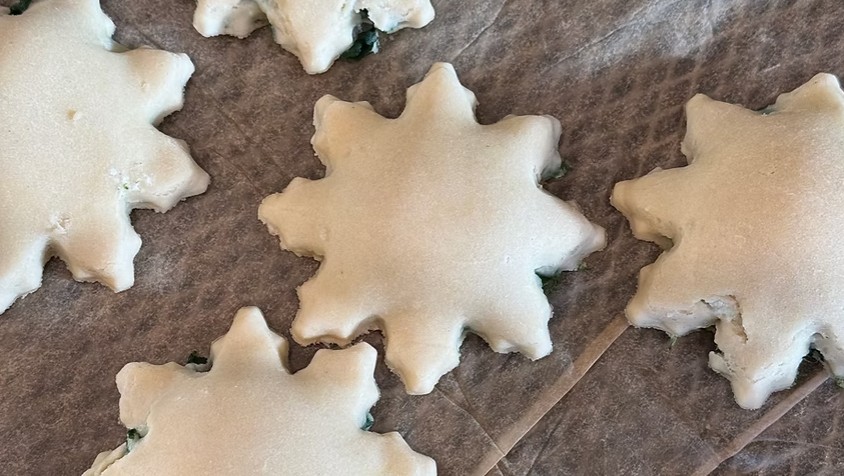
For this project, I wanted to create a pasta design that felt artistic yet approachable. Each ravioli was carefully shaped with pointed petals surrounding a softly filled center. The floral silhouette gives the pasta an imaginative personality while preserving the comforting character of a familiar filled pasta dish.
The result is a garden-inspired culinary presentation that feels rustic, elegant, and joyful. These handmade pasta blossoms celebrate thoughtful craftsmanship and demonstrate how a simple change in shape can turn a classic dish into an expressive work of edible art.
Transforming Handmade Ravioli Into Pasta Blossoms
Traditional ravioli is often formed into squares, circles, or half-moons. For Garden Bloom Spinach Ravioli, I moved beyond those familiar shapes and created individual blossoms with beautifully defined petals.
The flower shape immediately connects the pasta to the natural world. Each piece resembles a small bloom that could have been gathered from a kitchen garden. When several blossoms are arranged together, they create the impression of a delicate edible bouquet.
Designing the ravioli required attention to proportion and balance. The center needed enough space to hold the spinach filling, while the surrounding petals needed to remain clearly defined. The shape had to be decorative without losing its practical purpose as filled pasta.
Slight variations between the blossoms add warmth and authenticity to the finished collection. Rather than diminishing the presentation, these natural differences emphasize that every ravioli was individually shaped by hand.
A Celebration of Garden-Inspired Flavor
The spinach filling supports the botanical theme while giving the pasta a savory and comforting identity. Spinach brings fresh color and an earthy flavor that naturally complements the garden-inspired design.
This relationship between appearance and flavor was an important part of the project. The flower shape is not simply decorative. It visually introduces the green, garden-focused character of the filling and creates a cohesive story from the outside of the pasta to its center.
The delicate pasta provides a tender contrast to the filling. Meanwhile, the pointed petal edges give each blossom additional definition and texture. Once cooked and plated, the ravioli retains its floral character while becoming soft, inviting, and ready to complement a carefully selected sauce.
Because the pasta blossoms already have a strong visual presence, they pair beautifully with a restrained presentation. A light sauce, fresh herbs, tender vegetables, or a few edible flowers can enhance the garden theme without hiding the handcrafted shapes.
Handmade Character and Culinary Craftsmanship
One of my favorite qualities of handmade pasta is its ability to reveal the care behind the finished dish. Rolling the pasta, portioning the filling, shaping the blossoms, sealing the edges, and defining each petal all contribute to the personality of the project.
The visible handwork is part of the appeal. Each blossom carries small differences in its outline, reflecting the organic variation found in real flowers. These details make the pasta feel personal and reinforce the connection between culinary craftsmanship and the natural inspiration behind the design.
The process also required an understanding of how decorative choices affect the finished food. The petals needed to remain distinctive, the filling needed to stay centered, and the edges needed to be carefully sealed. Every visual decision had to support the structure and enjoyment of the ravioli.
Garden Bloom Spinach Ravioli demonstrates how technical skill and artistic imagination can work together. The project is visually expressive, but it remains rooted in the practical traditions of handmade filled pasta.
Creative Food Styling With a Botanical Story
Food styling played an essential role in communicating the garden theme. Rather than arranging the ravioli in a rigid pattern, I embraced a more natural composition inspired by flowers scattered across a garden path.
The wooden work surface provides a warm, rustic background for the pale pasta. Its deeper color and visible grain create contrast, allowing the pointed petals to stand out clearly. The simplicity of the setting keeps the viewer’s attention on the handmade shapes and the subtle variations between the blossoms.
This styling approach also gives the image a sense of process. The ravioli appears in the environment where it was shaped, capturing a moment of craftsmanship before the pasta reaches its finished presentation. That sense of place helps tell a more complete culinary story.
For a plated composition, the blossoms could be arranged as a bouquet, a wreath, a garden border, or a loose scattering of flowers. Fresh herbs and small vegetables could provide botanical accents, while thoughtful lighting could highlight the contours of the pasta and the delicate texture of the petal edges.
Designed for Seasonal Tables and Special Gatherings
Garden Bloom Spinach Ravioli would make a memorable addition to spring celebrations, garden parties, bridal showers, Mother’s Day meals, intimate dinners, and other botanical occasions. Its distinctive shape gives the dish an immediate sense of celebration while keeping the presentation warm and inviting.
The concept can also be adapted for different seasons. Bright herbs and tender greens can create a fresh spring or summer presentation. Golden sauces and roasted vegetables can give the blossoms a warmer autumn character. A simple, elegant arrangement can make the ravioli suitable for holiday meals or formal events.
The floral design is playful enough to delight families and home cooks, yet refined enough for editorial photography and sophisticated culinary storytelling. This versatility allows the project to feel equally at home on a rustic table or in a carefully composed portfolio image.
Most importantly, the pasta is meant to be enjoyed. Its beauty invites attention, but its handmade character and savory filling keep the project connected to the comfort and pleasure of a shared meal.
A Distinctive Addition to My Culinary Portfolio
Garden Bloom Spinach Ravioli represents the kind of culinary work I enjoy creating: familiar food reimagined through artistic shape, thoughtful styling, and a strong visual story.
This project brought together concept development, handmade pasta design, recipe development, food styling, photography, and SEO-focused content creation. Every element supported the central garden theme, from the spinach filling and floral silhouette to the rustic work surface and natural composition.
The project also demonstrates my ability to develop an original culinary concept from beginning to end. It required an understanding of pasta structure, filling placement, shape, texture, composition, and visual balance. These technical and creative considerations worked together to produce ravioli that feels distinctive without losing the warmth of handmade food.
Garden Bloom Spinach Ravioli celebrates the beauty that can emerge when cooking is inspired by nature. Each handmade blossom brings a touch of the garden to the table, turning a comforting pasta dish into an edible expression of creativity, craftsmanship, and seasonal imagination.
Featured Project: Garden Bloom Spinach Ravioli: Handmade Pasta Blossoms That Celebrate Garden-Inspired Cooking
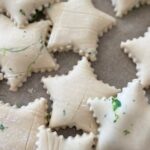
Discover fresh star shaped spinach ravioli inspired by garden colors and Italian tradition, featuring handmade pasta artistry, styling, and culinary storytelling. Fresh pasta has a special way of transforming simple ingredients into something memorable. With this project, I wanted to capture that sense of possibility through handmade spinach ravioli shaped like delicate stars. The finished pasta brings together garden-inspired color, traditional Italian craftsmanship, and a playful silhouette that feels both elegant and inviting. The natural green appearance of spinach pasta immediately connects the ravioli to the garden. Rather than treating color as a decorative afterthought, I made it central to the concept. The vibrant dough gives every star a fresh, distinctive identity while allowing the familiar character of handmade Italian pasta to remain at the heart of the presentation. Fresh Star Shaped Spinach Ravioli: Where Garden Inspiration Meets Italian Tradition showcases my approach to culinary storytelling. I consider how flavor, form, craftsmanship, food styling, and photography can work together to create a cohesive visual experience. Every detail contributes to a project that feels rooted in tradition while offering a creative and contemporary perspective. Inspired by the Colors of the Garden Spinach pasta has an unmistakable visual connection to fresh herbs, leafy vegetables, and flourishing garden spaces. Its green color carries a sense of vitality that plain pasta cannot communicate in quite the same way. For this project, that natural garden influence became the foundation for the entire design. The star shape introduces a cheerful element without taking away from the refined character of fresh ravioli. It turns a traditional filled pasta into something especially suitable for seasonal celebrations, intimate dinners, spring gatherings, and creative holiday menus. The design feels whimsical at first glance, but its careful construction reflects the precision associated with classic pasta making. This balance between garden inspiration and Italian tradition is what gives the project its personality. It respects the history of handmade filled pasta while showing how a familiar technique can become a new form of edible art. Handmade Pasta as a Creative Craft Making shaped ravioli requires attention at every stage. The pasta dough must be smooth, pliable, and evenly rolled so the stars hold their form. Each piece needs enough definition to showcase the pointed edges while remaining practical for filling, sealing, cooking, and serving. The spinach dough adds another layer of craftsmanship. Its color should appear evenly distributed throughout the pasta, creating a polished finish that photographs beautifully. Consistent thickness is also essential because it supports even cooking and helps produce the tender texture expected from fresh pasta. Careful sealing is particularly important with an intricate shape. The edges must be secure without becoming heavy or compressed. Preserving the individual points of each star gives the ravioli its recognizable silhouette and allows the handmade quality to remain visible. Small variations are part of the charm. They remind the viewer that each raviolo was shaped individually rather than produced by a machine. Those subtle differences add warmth, authenticity, and character to the finished collection. A Celebration of Flavor and Texture The appeal of fresh ravioli extends beyond its appearance. Tender spinach pasta creates a flavorful exterior that can complement a wide variety of fillings and sauces. Its earthy character works beautifully with creamy cheeses, seasonal vegetables, fresh herbs, mushrooms, or other thoughtfully selected ingredients. Because the shape and color already make a strong statement, the ravioli does not need an elaborate presentation. A carefully chosen sauce, a touch of butter, a scattering of herbs, or a light finishing garnish can enhance the pasta without concealing its star-shaped design. The contrast between the tender pasta and its filling creates the comforting experience associated with traditional ravioli. At the same time, the green dough and sculptural shape make the dish feel distinctive enough for special occasions. It offers familiar Italian comfort presented through a fresh visual lens. Food Styling That Preserves the Star Design The primary styling goal for this project was to keep the shape of the ravioli clearly visible. Star pasta has a strong graphic quality, so spacing, orientation, and negative space all become important parts of the composition. Arranging the ravioli with slight variations in angle creates movement while preserving a sense of order. The green surface introduces color naturally, reducing the need for excessive props or garnishes. Simple styling allows the texture of the dough, the sealed edges, and the individual star points to remain the focus. Lighting also plays an important role. Soft light can reveal the smooth pasta surface and subtle handmade details without flattening the shape. Gentle shadows provide depth and help distinguish one raviolo from another, especially when several pieces appear together in the frame. The final presentation is clean, fresh, and expressive. It communicates craftsmanship immediately while inviting the viewer to look more closely at the construction of each piece. A Versatile Concept for Seasonal Storytelling Star shaped spinach ravioli can support many different culinary themes. Its garden-inspired color makes it a natural choice for spring menus, vegetable-focused features, and farm-to-table storytelling. The star silhouette also works beautifully for Christmas dinners, celebratory meals, birthdays, and other occasions that call for food with a joyful visual element. For editorial content, the project offers several storytelling opportunities. It can highlight the artistry of fresh pasta, the creative use of vegetables, the preservation of Italian culinary traditions, or the role of shape and color in modern food presentation. This versatility makes the ravioli especially valuable as a portfolio project. It demonstrates that one culinary concept can serve several audiences while maintaining a clear and recognizable identity. Where Tradition Meets Personal Expression Traditional techniques provide the foundation for this project, but creativity gives it its individual voice. I approached the ravioli as both food and design, considering how the pasta would look, feel, and communicate its story. The result reflects my interest in creating food that feels approachable yet visually distinctive. It honors the patience and skill behind handmade Italian pasta while introducing garden color and an imaginative shape. That
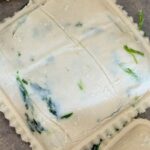
Discover the artistry behind fresh spinach-filled square ravioli, featuring handcrafted pasta, elegant styling, vibrant color, and refined culinary presentation. Fresh pasta has a quiet beauty that comes from simplicity, patience, and careful craftsmanship. For this culinary project, I created square ravioli that celebrate the natural character of fresh spinach while showcasing the refined appearance of handmade pasta. Each ravioli was shaped with clean edges and a softly filled center, giving the finished pasta a consistent, elegant presentation. The square form offers a classic look that feels equally suited to an intimate dinner, an elevated seasonal menu, or a polished editorial feature. This project allowed me to bring together pasta making, visual storytelling, and thoughtful food styling. From the vibrant filling to the delicate pasta exterior, every element was designed to communicate freshness, quality, and the inviting character of food made by hand. A Fresh Interpretation of Handmade Pasta Handcrafted ravioli is a beautiful example of how familiar food can become something visually distinctive. The square shape creates a sense of balance and order, while the gently rounded filling beneath the pasta adds dimension. Fresh spinach brings color and personality to the interior of each ravioli. Its rich green appearance creates an appealing contrast with the warm, golden tone of the pasta. Once the ravioli is cut, the filling becomes an important part of the presentation, revealing the care placed inside every piece. I wanted this project to feel elegant without appearing overly formal. The ravioli needed to retain the warmth of homemade pasta while still looking polished enough for professional culinary photography, portfolio presentation, and editorial content. Celebrating the Art of Pasta Making The beauty of handmade ravioli is found in the details. A smooth pasta surface, evenly distributed filling, well-defined edges, and consistent sizing all contribute to the finished design. Square ravioli also offers wonderful visual rhythm. When several pieces are arranged together, their repeating shapes create a structured composition that naturally draws the eye across the plate or work surface. Small variations remind the viewer that each piece was shaped individually, preserving the authentic character of handcrafted food. For me, those subtle variations are part of the charm. Handmade pasta should feel intentional and refined, but it does not need to look mechanically perfect. Its appeal comes from the visible evidence of the maker’s touch. Color, Texture, and Sensory Appeal This project was designed to engage the senses before the ravioli ever reached the plate. The pale pasta exterior provides a soft backdrop for the spinach filling, allowing hints of green to become part of the visual story. The delicate pasta and savory spinach center create a pleasing contrast in texture. The exterior feels smooth and tender, while the filling gives each ravioli substance and richness. Together, these qualities make the pasta feel comforting, fresh, and sophisticated. The square shape also gives the ravioli a versatile identity. It can be presented simply to emphasize craftsmanship or incorporated into a more elaborate plated composition. Whether paired with a light sauce, fresh herbs, seasonal vegetables, or a restrained garnish, the ravioli remains the central visual element. Styling a Clean and Elegant Composition Food styling for handmade pasta requires a thoughtful balance between precision and natural movement. If the arrangement is too rigid, the food can lose its warmth. If it is too casual, the details of the pasta may disappear. I approached the styling with clean lines and careful spacing so the individual ravioli could be appreciated. The square edges help frame the filling, while gentle folds and surface variations provide depth. An uncluttered composition allows the shapes, colors, and textures to carry the image. Close-up photography is especially effective for this type of project. It can highlight the thinness of the pasta, the definition of the edges, and the generous center of each piece. Wider compositions can tell a broader story by showing several ravioli together and emphasizing the repetition involved in handmade production. A Versatile Culinary Subject Fresh spinach-filled ravioli can support many kinds of culinary storytelling. It feels at home in content centered on seasonal cooking, Italian-inspired cuisine, handmade food, special occasions, or elevated comfort dishes. The project can also be adapted for restaurant features, chef portfolios, food publications, social media campaigns, and artisan product storytelling. Its recognizable form gives viewers an immediate connection to the dish, while its careful presentation communicates a higher level of craftsmanship. Because the ravioli has such a classic foundation, the surrounding styling can shift easily with the season. Light linens and fresh greenery can create a spring-inspired mood. Darker surfaces and warm lighting can make the pasta feel rich and intimate. A simple neutral setting can keep the attention entirely on the handcrafted details. Bringing Craftsmanship Into Focus Fresh Spinach-Filled Square Ravioli: Handcrafted Elegance in Every Bite represents the kind of culinary work I enjoy most. It combines traditional technique with a strong visual concept, transforming a familiar pasta shape into a polished portfolio subject. The finished ravioli communicates patience, care, and an appreciation for food made by hand. Every detail, from the balanced proportions to the contrast between pasta and filling, contributes to a cohesive visual story. This project demonstrates my ability to develop culinary concepts that feel approachable, refined, and visually engaging. Through handcrafted food preparation, food styling, photography direction, and SEO-focused editorial writing, I can present a dish as both an appetizing creation and a memorable piece of branded or portfolio content. Featured Project: Fresh Spinach-Filled Square Ravioli: Handcrafted Elegance in Every Bite Project Type: Handmade Pasta and Culinary Portfolio Feature Services: Culinary Concept Development, Fresh Pasta Artistry, Food Styling, Photography Direction, Editorial Food Writing, SEO Content Development
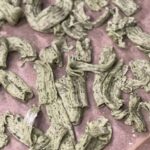
Explore homemade spinach rigatoni pasta featuring fresh flavor, vibrant green color, artisanal texture, thoughtful food styling, and culinary craftsmanship. Homemade pasta has a character that cannot be replicated by anything pulled from a package. Every piece reflects the care, patience, and creativity that shaped it. With this project, I wanted to capture that unmistakable handmade quality while celebrating spinach as both a flavorful ingredient and a source of naturally vibrant color. The rich green pasta dough transforms traditional rigatoni into something fresh, colorful, and visually memorable. Its ridged surface and hollow center create a familiar shape, while the spinach gives each piece a distinctive garden-inspired appearance. The result feels rustic enough for a comforting family meal yet polished enough for an elegant culinary presentation. Homemade Spinach Rigatoni Pasta: Fresh Flavor, Vibrant Color, and Handmade Excellence represents the intersection of culinary craftsmanship, thoughtful food styling, and visual storytelling. From the texture of the shaped pasta to the natural variations in its green color, every detail contributes to a project that feels authentic, inviting, and made by hand. Inspired by Fresh Ingredients Spinach brings more than color to fresh pasta. It gives the dough an earthy character that complements the gentle richness of eggs and flour without overwhelming the finished dish. The flavor remains versatile, making spinach rigatoni a beautiful foundation for a wide range of sauces, seasonal vegetables, cheeses, herbs, and proteins. The green color immediately creates a connection to freshness. Depending on the light and the natural qualities of the spinach, the pasta may display subtle variations ranging from deep forest green to softer herbaceous tones. These differences are part of its handmade beauty. They make every piece feel individual and help communicate that the pasta was created with real ingredients. This project allowed me to explore how a simple ingredient can influence the entire personality of a dish. Spinach changes the dough visually and adds depth to the story, turning a familiar pasta shape into a celebration of fresh flavor and artisanal preparation. The Craft of Handmade Rigatoni Rigatoni is recognized for its tubular shape and textured exterior. Recreating those defining qualities by hand requires attention to proportion, consistency, and structure. Each piece must feel substantial enough to hold its form while remaining delicate enough to cook into tender, satisfying pasta. The ridges are especially important because they give the surface its distinctive appearance and help sauce cling to the pasta. The hollow center creates another place for flavor to collect, allowing every bite to carry more of the finished dish. Together, these characteristics make rigatoni both practical and visually appealing. I appreciate the natural irregularities found in handmade pasta. Slight differences in length, curve, texture, and color reveal the human touch behind the work. Instead of taking away from the presentation, these variations add warmth and authenticity. They remind the viewer that each piece was individually shaped as part of a thoughtful culinary process. Flavor, Texture, and Versatility Fresh spinach rigatoni offers a tender texture with a pleasant bite. Its mild vegetable flavor works beautifully with sauces that range from light and delicate to creamy and robust. A simple combination of butter, herbs, and cheese can highlight the pasta’s freshness, while tomato sauce, roasted vegetables, or a savory cream sauce can create a richer presentation. Its vivid color also makes it especially well suited to seasonal menus. The green pasta feels at home in spring celebrations, garden-inspired dinners, holiday gatherings, and elegant everyday meals. Paired with red tomatoes, golden squash, white cheese, or colorful herbs, it can become the centerpiece of a visually striking plate. That versatility is one of the qualities I wanted to emphasize through this project. The pasta can appear rustic, refined, comforting, or celebratory depending on how it is styled and served. It offers a strong creative foundation for both culinary development and visual storytelling. Styling the Natural Beauty of Fresh Pasta The sculptural qualities of rigatoni make it an engaging subject for food styling. Its ridged exterior catches the light, while the open ends reveal the dimensional structure of each tube. Arranging the pasta in loose clusters helps preserve its handmade personality and creates a natural sense of movement within the composition. I wanted the styling to keep the focus on the pasta itself. Simple surfaces, restrained props, and thoughtfully chosen accents allow the green color and tactile texture to remain the visual stars. Fresh spinach leaves, herbs, flour, or understated kitchen tools can provide context without competing with the finished pasta. Close-up imagery is particularly effective for showing the small details that define this project. The ridges, curved edges, subtle flour dusting, and tonal variations all communicate craftsmanship. Wider compositions can then place the pasta within a welcoming culinary setting, connecting the handmade process to the experience of preparing and sharing food. Food Photography with Texture and Color Photographing green pasta requires careful control of lighting and color. Soft, directional light can reveal the rigatoni’s shape without flattening its natural tones. Gentle shadows add dimension to the hollow centers and textured surfaces, helping the pasta appear tactile and inviting. Color balance is equally important. The spinach green should look fresh and natural rather than overly saturated. Neutral backgrounds and complementary ingredients can support the color while maintaining an honest representation of the food. Through a combination of detailed images, preparation-focused compositions, and finished presentation photography, this project can tell a complete visual story. Each photograph contributes something different, from the precision of the handmade shape to the warmth and appeal of the final culinary experience. A Celebration of Handmade Excellence This spinach rigatoni project reflects my interest in food that is both beautiful and meaningful. It highlights the value of working slowly, noticing small details, and allowing natural ingredients to guide the creative direction. For my portfolio, the project demonstrates pasta development, culinary storytelling, food styling, composition, and photography. It shows how a traditional food can be reimagined through color and craftsmanship while retaining the comfort and familiarity that make pasta
Originally published
March 2026
Updated
August 2026
Reviewed by
Culibloom