Elegant Garden Ice Cubes for Beautiful Party Drinks
Discover how to create Elegant Garden Ice Cubes with edible flowers and fresh herbs for beautiful summer drinks, garden parties, showers, and brunches.
Small details often create the most memorable presentation, and Elegant Garden Ice Cubes are a simple way to make ordinary beverages feel special. Filled with colorful edible flowers and fresh herbs, these decorative cubes bring the beauty of the garden directly to the table.
Floral ice cubes look especially striking in clear beverages, where their colors and delicate shapes remain visible. Sparkling water, lemonade, iced tea, fruit-infused water, mocktails, and cocktails can all benefit from this naturally elegant garnish. As the ice melts, the flowers and herbs slowly reveal themselves, creating an attractive display throughout the drink.
Garden-inspired ice cubes are also wonderfully versatile. They can be soft and romantic for a bridal shower, bright and cheerful for a summer party, or simple and sophisticated for an afternoon tea. By changing the botanical combinations, it is easy to coordinate them with the season, event, or drink menu.
Why Garden Ice Cubes Make Drinks More Beautiful
A chilled beverage may already be refreshing, but floral ice cubes add color, texture, and visual interest. They turn a familiar glass of water or lemonade into something guests are likely to notice immediately.
This decorative effect works particularly well for celebrations with a natural, botanical, or outdoor theme. Garden parties, weddings, baby showers, bridal showers, brunches, birthdays, and holiday gatherings are all wonderful occasions for using edible flower ice cubes.
They are also useful when you want drinks to feel festive without adding extra sweetness or artificial color. The beauty comes from the flowers and herbs themselves, making every cube slightly different.
Choosing Edible Flowers for Ice Cubes
Pansies and violas are among the most popular choices because of their vivid colors and recognizable shapes. Their purple, yellow, blue, orange, and white petals create a dramatic contrast against clear ice.
Rose petals can give the cubes a soft, romantic appearance that works beautifully for weddings, anniversaries, and afternoon tea. Calendula petals add warm golden and orange tones, while lavender blossoms bring delicate purple color and a garden-inspired look.
Only flowers that have been positively identified as edible should be placed in beverages. Avoid using flowers from ordinary florists, garden centers, roadsides, or plants that may have been treated with pesticides, herbicides, or other chemicals. Even a familiar flower should not be used unless its identity and growing conditions are known.
It is also important to remember that not every variety or part of a flowering plant is edible. Flowers intended for culinary use are the safest and most appropriate choice.
Fresh Herbs Add Color and Character
Fresh herbs bring greenery, texture, and a slightly more understated appearance to decorative ice cubes. Mint is a natural match for lemonade, iced tea, and fruit-infused water. Lemon balm complements citrus drinks, while basil can look beautiful with strawberry, peach, or cucumber beverages.
Thyme and rosemary create a refined botanical style that is especially attractive during fall and winter gatherings. Because these herbs have distinctive aromas, they should be paired thoughtfully with the drink in which they will be served.
Flowers and herbs can also be combined in the same cube. A small viola with a mint leaf creates a fresh summer look, while a rose petal with a delicate herb sprig feels romantic and sophisticated. Leaving visible space around each botanical usually produces a cleaner presentation than packing too many items together.
Creating a Clearer, Layered Appearance
Distilled water is often chosen for decorative ice because it contains fewer minerals and impurities than ordinary tap water. Boiled water that has been allowed to cool completely may also help improve clarity.
However, perfectly transparent ice can be difficult to achieve in a standard home freezer. Cloudiness is often caused by trapped air and the direction in which the water freezes. Distilled or boiled and cooled water may create a clearer result, but it does not guarantee crystal-clear cubes.
Layered freezing is particularly helpful for floral ice cubes because flowers and herbs tend to float. Freezing the water gradually helps hold the botanicals in different positions throughout each cube. This creates depth and prevents every flower from collecting at one surface.
A silicone tray is a practical choice because the flexible material makes it easier to release the finished cubes without damaging the delicate frozen design.
Coordinating Colors With the Occasion
Color can help connect decorative ice cubes to the rest of an event. Purple violas and lavender blossoms are beautiful for spring celebrations, while pink and red rose petals create a romantic palette for weddings and anniversaries.
Yellow calendula petals offer a sunny look for brunches, garden parties, and summer gatherings. A combination of brightly colored pansies can create a cheerful arrangement for birthdays or casual outdoor entertaining.
For a more restrained presentation, green herbs and a few white petals can give drinks a clean, sophisticated appearance. Seasonal combinations also make the cubes feel intentional rather than simply decorative.
Drinks That Pair Well With Floral Ice Cubes
Clear or lightly colored beverages allow the botanical details to remain visible. Sparkling water is one of the easiest choices because it provides a neutral background for vivid flowers and green herbs.
Lemonade works beautifully with lavender, violas, mint, or lemon balm. Iced tea can be paired with mint, basil, rose petals, or calendula, depending on the flavor of the tea. Cucumber water feels especially refreshing with mint or delicate herb sprigs.
Mocktails offer even more room for creativity. Floral cubes can complement berry spritzers, citrus coolers, peach drinks, and sparkling botanical beverages. When choosing a combination, consider both appearance and flavor so the herbs or flowers do not compete with the drink.
Garden ice cubes may also be used in cocktails when their flavors suit the beverage. Must be 21 years of age or older to purchase or consume alcoholic beverages. Please drink responsibly.
Serving Garden Ice Cubes at a Party
Decorative ice cubes make the strongest impression when served in clear glasses or a transparent beverage dispenser. A few cubes can also be arranged in an ice bucket so guests can see the botanical designs before adding them to their drinks.
If several beverages are being offered, different floral combinations can help distinguish them. Mint and lemon balm might identify a citrus drink, while rose petals could mark a berry beverage. This creates a coordinated presentation without the need for elaborate decorations.
The cubes should remain frozen until shortly before serving. Once removed from their tray, they can be kept in an airtight freezer-safe container to protect them from freezer odors. For the best appearance, use them within one month.
A Naturally Elegant Finishing Touch
Elegant Garden Ice Cubes prove that a beautiful presentation does not have to be complicated. Colorful edible flowers, fragrant herbs, and thoughtful combinations can transform simple beverages into a memorable part of the table.
Whether they are floating in sparkling water at a garden luncheon or adding color to lemonade at a bridal shower, these botanical ice cubes bring charm and creativity to any occasion. Each one becomes a miniature frozen garden, giving guests something beautiful to enjoy before the first sip.
Here is to fresh flavors, beautiful gardens, and all the little moments that make cooking and growing so rewarding.
Sending joy and happiness from my garden and kitchen to yours,
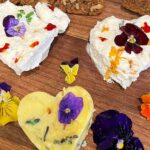
Colorful Garden Ice Cubes filled with edible flowers for beautiful seasonal drinks.
Discover creative garden entertaining ideas with homemade herb butter, beautiful garden ice cubes, and herb-infused cheese spreads. Learn how fresh herbs, edible flowers, and seasonal ingredients can transform appetizers, drinks, and charcuterie boards into unforgettable garden-to-table experiences Fresh herbs, edible flowers, and seasonal produce are some of the easiest ways to make your gatherings feel special. Whether you are hosting a backyard barbecue, holiday dinner, bridal shower, brunch, or casual family get-together, simple garden-inspired touches can transform ordinary food and drinks into beautiful conversation pieces. Garden ice cubes filled with colorful blooms, creamy herb butter bursting with fresh flavor, and homemade herb-infused cheeses are inexpensive to make, easy to prepare ahead of time, and guaranteed to impress your guests. Best of all, these creative entertaining ideas allow you to showcase the freshest ingredients from your own garden while adding vibrant colors and unforgettable flavors to your table. If you are looking for fresh entertaining inspiration, these simple ideas will help you create an elegant garden-to-table experience that your guests will remember long after the party ends. Why Garden-to-Table Entertaining Is More Popular Than Ever Garden-to-table entertaining has become a favorite for home cooks because it combines fresh ingredients with beautiful presentation. Instead of relying on expensive decorations or elaborate centerpieces, you can let herbs, edible flowers, and fresh produce become part of the décor. The result is a table that feels welcoming, seasonal, and naturally elegant. Some of the biggest benefits include: Fresh, vibrant flavors Natural colors that brighten every table Affordable ingredients grown at home Easy make-ahead recipes Less food waste by using herbs before they spoil A memorable presentation that feels both sophisticated and inviting These small details can elevate even the simplest gathering. Create Stunning Garden Ice Cubes That Wow Your Guests Garden ice cubes are one of the easiest ways to add elegance to beverages. They instantly make sparkling water, lemonade, iced tea, mocktails, cocktails, sangria, and infused water look restaurant worthy. Simply freeze edible flowers, herbs, fruit, or vegetables inside ice cube trays for a beautiful finishing touch. Some of the best ingredients include: Fresh mint leaves Lemon balm Rosemary sprigs Thyme Basil leaves Lavender buds Chamomile flowers Calendula petals Pansies Violas Nasturtiums Lemon slices Lime slices Orange zest Blueberries Raspberries Blackberries Cucumber slices Pomegranate seeds For crystal-clear ice cubes, use filtered water that has been boiled and cooled before freezing. Fill each compartment halfway and freeze until partially set. Add your herbs or flowers, then top with additional water before freezing completely. This simple method keeps the ingredients suspended throughout the cube for a much prettier presentation. Pair Garden Ice Cubes with Your Favorite Drinks Different herbs naturally complement different beverages, allowing you to customize drinks for every season and celebration. Mint and cucumber create refreshing sparkling water and mojitos. Lavender adds a delicate floral note to lemonade and champagne. Rosemary pairs beautifully with citrus cocktails and grapefruit spritzers. Basil enhances strawberry lemonade and Italian sodas. Chamomile gives iced tea a soft floral touch. Edible flower ice cubes also make wonderful additions to bridal showers, baby showers, Mother’s Day brunches, summer parties, and holiday gatherings. Homemade Garden Butter Adds Gourmet Flavor Few things are easier or more impressive than homemade compound butter. With just a few fresh herbs and quality butter, you can create a spread that tastes like it came from a fine dining restaurant. Start with softened unsalted butter and blend in finely chopped herbs, citrus zest, garlic, or spices. Popular flavor combinations include: Garlic and parsley Rosemary and thyme Basil with lemon zest Dill and fresh chives Roasted garlic and sage Tarragon and shallots Chives with cracked black pepper Honey and lavender Roll the butter into logs using parchment paper, press it into decorative molds, or pipe it into serving bowls for an elegant presentation. Delicious Ways to Use Herb Butter Homemade herb butter can elevate almost any meal. Spread it over warm artisan bread. Melt it onto grilled steaks. Top roasted vegetables. Finish baked potatoes. Serve with grilled seafood. Toss with fresh pasta. Brush onto corn on the cob. Slip it beneath chicken skin before roasting. Finish sautéed mushrooms. Add richness to baked fish. Because compound butter freezes beautifully, you can prepare several varieties well before your event. Herb-Infused Cheese Spreads Make Easy Elegant Appetizers Fresh herbs instantly transform ordinary cheese into something worthy of a special occasion. Cream cheese, goat cheese, ricotta, mascarpone, whipped feta, and even cottage cheese become flavorful spreads with just a handful of fresh herbs. Some favorite combinations include: Goat cheese with thyme and honey Cream cheese with dill and chives Ricotta with basil and roasted garlic Whipped feta with oregano and parsley Mascarpone with lavender and lemon zest Cream cheese with rosemary and cracked pepper Allow the cheese to chill for several hours before serving so the herbs have time to infuse their flavor. Build a Beautiful Garden-Inspired Charcuterie Board Homemade herb cheeses become the centerpiece of an unforgettable grazing board. Pair them with colorful fresh ingredients like cucumbers, cherry tomatoes, radishes, snap peas, berries, grapes, figs, and seasonal fruit. Add gluten-free crackers, artisan breads, roasted nuts, olives, fig preserves, honey, and fresh herbs to complete the display. Scatter edible flowers across the board just before serving for an eye-catching finishing touch that looks as beautiful as it tastes. Grow Herbs That Make Entertaining Easy You do not need a large vegetable garden to enjoy fresh herbs throughout the year. Many herbs thrive in containers, window boxes, and raised beds, making them perfect for gardeners of every skill level. Some of the most versatile herbs for entertaining include basil, mint, rosemary, thyme, parsley, sage, chives, dill, oregano, tarragon, lemon balm, and lavender. Having these herbs growing nearby makes it easy to prepare fresh butters, cheeses, garnishes, infused beverages, and appetizers whenever guests stop by. Decorate Naturally with Edible Flowers Edible flowers are one of the simplest ways to create a memorable presentation. Their vibrant colors instantly brighten drinks, appetizers, desserts, salads, and charcuterie
Discover an elegant Garden Cheese with Edible Flowers and Honey appetizer featuring creamy goat cheese, fresh herbs, colorful edible flowers, and floral honey for spring entertaining. Elegant Garden Cheese with Edible Flowers and Honey is a beautiful celebration of fresh flavors, natural color, and effortless entertaining. Creamy goat cheese, fragrant herbs, delicate edible flowers, and floral honey come together in an appetizer that looks as though it was gathered from a spring garden. The colorful presentation makes this cheese especially fitting for brunches, bridal showers, Easter gatherings, garden parties, afternoon teas, and holiday celebrations. It brings visual interest to the table without requiring an elaborate cheese board or complicated assortment of accompaniments. Tangy goat cheese creates a creamy foundation for the fresh herbs and flowers, while honey adds a soft sweetness that balances the savory flavors. Served with crackers, crostini, sliced baguette, or fresh berries, this elegant Garden Cheese with Edible Flowers and Honey can become the centerpiece of an appetizer spread. Why Goat Cheese Works So Well Fresh goat cheese has a smooth, creamy consistency and a pleasantly tangy flavor. Its bright white color also provides the perfect background for colorful flower petals and green herbs. The cheese is flavorful enough to stand on its own but mild enough to pair with a wide variety of botanical ingredients. Fresh chives and dill can give it a lively spring character, while thyme and tarragon contribute more aromatic and sophisticated notes. Because goat cheese has a soft surface, delicate petals can adhere to it and create the appearance of a naturally decorated garden. The result feels artistic and special while remaining approachable and inviting. Choosing Food-Safe Edible Flowers Edible flowers are the defining feature of this garden cheese, but careful selection is essential. Not every flower is safe to eat, even if it looks similar to a culinary variety. Choose flowers that are clearly identified as edible and purchased from a trusted food supplier or grown specifically for culinary use. Flowers from conventional bouquets, garden centers, florists, roadsides, and public spaces may have been exposed to pesticides, preservatives, pollution, or other substances that are not intended for consumption. Pansies and violas bring rich jewel tones and delicate patterns. Chive flowers add a purple color and a mild onion flavor. Calendula petals contribute sunny shades of yellow and orange, while nasturtiums offer vibrant color and a gently peppery character. Using several flower varieties creates a cheerful, abundant appearance. A single variety or coordinated color palette can produce a more refined presentation for weddings, showers, or formal celebrations. Fresh Herbs Add Garden Flavor Fresh herbs reinforce the garden theme while bringing balance to the creamy cheese and sweet honey. Each herb creates a slightly different flavor profile, so the combination can be tailored to the season or occasion. Chives provide a mild savory bite that works especially well for spring brunches. Dill contributes a fresh, feathery flavor, while parsley adds clean herbal notes without overpowering the cheese. Thyme and tarragon have a more aromatic personality and are lovely choices for an elegant appetizer table. The herbs should complement the flowers and honey rather than compete with them. A thoughtful combination gives the cheese complexity while allowing the tangy goat cheese to remain the central flavor. The Sweetness of Floral Honey Honey softens the tanginess of goat cheese and ties the botanical ingredients together. A light floral variety is especially suitable because it provides sweetness without overwhelming the herbs or delicate flowers. Wildflower honey can have layered floral notes that beautifully match the garden-inspired presentation. Orange blossom honey often has a light citrus fragrance, while acacia honey is typically mild and clean tasting. The honey also gives the finished cheese a glossy appearance that makes the flower colors look even more vibrant. Adding it shortly before serving helps maintain the best texture and presentation. An Elegant Make-Ahead Appetizer Garden cheese is well suited to entertaining because it can be assembled in advance and kept refrigerated until the gathering begins. Preparing it ahead allows the cheese to firm and gives the herbal flavors time to mingle. The honey and final flower garnishes are best added shortly before serving. This keeps the petals from becoming overly moist and preserves the clean, polished appearance of the cheese. Before placing it on the table, allowing the cheese to lose some of its refrigerator chill can give it a softer, more spreadable texture. It should still be handled carefully and returned to the refrigerator promptly after serving. Creating a Beautiful Serving Platter The garden cheese can serve as the focal point of a simple appetizer board. Neutral crackers and lightly toasted crostini allow the floral decoration to remain the visual star. Sliced baguette adds a rustic touch, while fresh berries reinforce the seasonal color and natural sweetness. Strawberries, raspberries, blueberries, and blackberries pair particularly well with tangy goat cheese and honey. Small clusters of fruit placed around the cheese can make the platter look full and inviting without distracting from the edible flowers. A light scattering of extra petals or fresh herb sprigs around the platter can extend the garden theme. Any decorative flowers placed directly on the serving board should also be food-safe, especially if they may touch the cheese or accompaniments. Perfect for Spring and Summer Entertaining This floral cheese presentation feels especially natural during spring and early summer, when gardens are blooming and colorful menus are welcome. It can brighten an Easter table, complement a Mother’s Day brunch, or bring a romantic touch to a bridal shower. It is equally appealing for relaxed outdoor gatherings. A garden party, picnic-inspired lunch, afternoon gathering, or summer celebration can all benefit from an appetizer that feels fresh, seasonal, and thoughtfully presented. The beauty of garden cheese comes from its flexibility. Soft pastel flowers can create a delicate spring look, vivid blossoms can make a cheerful summer statement, and warm orange or yellow petals can transition the presentation into early autumn. A Memorable Centerpiece for Any Gathering Garden Cheese
Discover how candied flower petals add sparkling color to cakes, cupcakes, pastries, and drinks, plus tips for choosing and using edible flowers safely. Candied flower petals bring color, texture, and timeless elegance to cakes, pastries, and beverages. Their sparkling, crystal-like finish can transform even a simple homemade dessert into an eye-catching centerpiece. These delicate decorations are especially popular for weddings, bridal showers, baby showers, tea parties, birthdays, and spring celebrations. They complement everything from traditional layer cakes to modern dessert boards, making them a versatile choice for casual gatherings and formal events. What Are Candied Flower Petals? Candied flower petals are edible flowers coated with a thin layer of egg white and sugar, then left to dry until crisp. The sugar gives the petals a frosted appearance while preserving their natural shape and color. The finished flowers have a delicate sweetness and subtle floral character. Their flavor varies depending on the flower, so some varieties work better with particular desserts than others. Candied petals are often used whole, but they can also be broken into smaller pieces and scattered across frosting, whipped cream, custard, chocolate, and other dessert toppings. Choosing Edible Flowers Selecting the right flowers is the most important part of working with candied petals. Only flowers specifically identified as edible should be used. Some ornamental flowers are toxic, and even an edible plant may have parts that should not be consumed. Flowers intended for culinary use should come from a trusted food-safe source or a garden where the growing and treatment history is known. Flowers from florists, garden centers, nurseries, roadsides, and unfamiliar gardens may have been treated with pesticides or other chemicals that are not approved for food use. Pansies and violas are popular because of their vibrant colors and naturally decorative shapes. Rose petals offer a romantic appearance and pair beautifully with vanilla, chocolate, berries, and citrus. Nasturtiums add bold color and a lightly peppery flavor, while calendula petals have warm yellow and orange tones. Borage produces small blue flowers with a mild cucumber-like character. Hibiscus offers dramatic color and a tart floral flavor, although its larger petals may require more drying time. The Appeal of Sparkling Edible Flowers Candied flowers create visual interest without requiring advanced decorating skills. Their natural shapes make every arrangement unique, and the sugar coating catches the light beautifully. A few carefully placed flowers can create an elegant minimalist design. A generous mixture of colors and sizes can produce a lush garden-inspired display. Combining whole blossoms with individual petals also adds depth and movement to a finished dessert. Because flowers vary by season, these decorations can reflect the time of year. Pastel violas suit spring celebrations, vivid nasturtiums brighten summer desserts, and deeper rose or hibiscus tones complement romantic and holiday presentations. Decorating Cakes and Cupcakes Candied flower petals are a natural choice for decorating cakes. They can be clustered around the top edge, arranged in a crescent, scattered across smooth frosting, or used to frame a message or decorative topper. On cupcakes, a single small flower often provides enough color and detail to create a polished bakery-style finish. Coordinating the flower colors with the frosting, cupcake liners, or event decorations can make the entire display feel cohesive. Moisture gradually softens candied petals, so they are best added shortly before serving. This is particularly important when placing them on whipped cream, fruit fillings, glazes, or soft frostings. Elegant Ideas for Pastries and Desserts Candied petals can decorate far more than cakes and cupcakes. They add a refined finishing touch to macarons, sugar cookies, cheesecakes, tarts, panna cotta, mousse, truffles, and chocolate-covered treats. They are also beautiful when scattered across a dessert board alongside fresh berries, chocolates, cookies, and small pastries. Individual petals can be pressed gently into frosting or used as colorful accents around plated desserts. Crushed candied petals create a floral sugar that can be sprinkled over cookies, doughnuts, whipped cream, or chocolate bark. This is also a useful way to enjoy flowers that break during storage or decorating. Using Candied Petals in Drinks A small candied flower can turn a simple beverage into a celebration-worthy presentation. The flowers look lovely on the rims of cocktail glasses, champagne flutes, and mocktail glasses. Individual petals may also be floated briefly on top of a drink or arranged beside a glass as an edible garnish. Because liquid softens the sugar coating, flowers placed directly in beverages should be added immediately before serving. When candied flowers are served with alcoholic drinks, guests should know which decorative elements are edible and which are not. Must be 21 years of age or older to purchase or consume alcoholic beverages. Please drink responsibly. Color and Flavor Pairings Thoughtful pairing can make candied flowers feel like an intentional part of a dessert rather than decoration alone. Rose petals work well with chocolate, vanilla, pistachio, raspberry, strawberry, and citrus flavors. Violets complement lemon, blueberry, blackberry, and delicate vanilla desserts. Nasturtiums have a peppery quality that can create an interesting contrast with dark chocolate or citrus. Calendula petals pair well with warm spices and bright fruit flavors. Borage is especially attractive with cucumber, lemon, berries, and refreshing summer beverages. The flowers should enhance the dessert rather than overwhelm it. When using a strongly flavored bloom, a few petals may be more effective than a large arrangement. Food Safety Considerations Correct identification is essential when serving any edible flower. Never consume a flower based solely on its appearance, especially when wild plants or unfamiliar garden varieties are involved. Culinary flowers should be clean, fresh, and free from visible damage, insects, and chemical residue. Anyone with pollen or plant allergies should exercise caution, since edible flowers may still cause a reaction. Traditional candying techniques commonly use egg white as an adhesive for the sugar. Because this coating is not cooked, pasteurized egg white is the safer choice. This is especially important when serving children, pregnant people, older adults, or anyone with a weakened immune system. Keeping Candied Flowers Beautiful Humidity