Explore the craftsmanship behind Homemade Lasagna Sheets, featuring delicate pasta, decorative ruffled edges, thoughtful food styling, and culinary photography.
There is something deeply rewarding about transforming a simple pasta dough into long, delicate sheets of handmade pasta. This Homemade Lasagna Sheets project celebrates that transformation, focusing on the beauty, craftsmanship, and character that make fresh pasta so memorable.
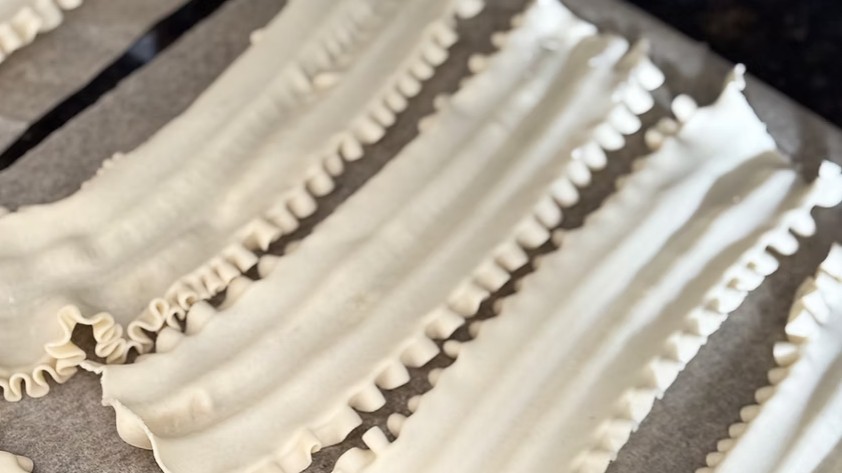
For this culinary project, I wanted the pasta itself to become the visual centerpiece. Instead of hiding the lasagna sheets beneath sauce, cheese, and other fillings, I photographed them before assembly so their smooth surfaces, graceful folds, and decorative ruffled edges could be fully appreciated. The repeated rows create a sense of rhythm and movement while highlighting the care involved in shaping each sheet.
Homemade pasta has a warmth and personality that commercially produced pasta cannot always replicate. Small variations in the edges and folds are part of its appeal. They reveal the human touch behind the food and turn an everyday ingredient into something worthy of being featured as a culinary subject.
Celebrating the Art of Fresh Pasta
Fresh lasagna sheets represent one of the most versatile forms of handmade pasta. Their broad surfaces are designed to hold layers of sauce, cheese, vegetables, meat, or other fillings, but they also possess a quiet beauty before they ever become part of a finished dish.
In this project, the long sheets are arranged side by side to emphasize their shape and texture. The smooth centers contrast with the ruffled edges, giving the pasta a refined decorative quality. Those delicate borders introduce visual interest without taking attention away from the simplicity of the dough.
The neutral color palette keeps the composition soft and understated. Creamy pasta tones and gentle shadows allow the craftsmanship to remain the focus. This restrained presentation reflects the traditional character of handmade pasta while giving the image a polished, editorial appearance.
Handmade Character and Craftsmanship
Making lasagna sheets by hand requires patience, attention, and an understanding of how pasta dough behaves. The dough must be worked until it becomes smooth and elastic, then rolled into thin, even sheets that remain strong enough to handle without tearing.
The finished pasta should feel delicate while still having enough structure for layering. Its surface needs to be even, but it does not have to look manufactured. Handmade pasta is most appealing when it retains subtle signs of the process used to create it.
The ruffled edges shown in this project add a distinctive finishing touch. They frame each sheet, create separation between the rows, and introduce an ornamental element to the composition. This detail gives the pasta an elegant personality while preserving its rustic, handcrafted spirit.
Texture Designed for Layering
Fresh pasta brings a tender texture to lasagna and absorbs surrounding flavors beautifully. Because handmade sheets can be rolled to a desired thickness, they allow the finished dish to feel balanced rather than overly heavy.
The broad surface of each sheet provides space for sauces and fillings to spread evenly. The ruffled edges add definition around the layers and can create attractive contours along the sides of a prepared lasagna. This combination of function and visual appeal is part of what makes homemade lasagna sheets such a satisfying culinary project.
Although the final assembled dish is not shown here, the image suggests the possibilities ahead. These sheets could become the foundation for a classic meat lasagna, a creamy vegetable lasagna, a seasonal garden-inspired preparation, or an elegant dish created for a special gathering.
Food Styling with Repetition and Movement
The styling for Homemade Lasagna Sheets relies on repetition, texture, and directional lines. Arranging the pasta in parallel rows creates a strong visual pattern, while the natural folds soften the composition and prevent it from feeling rigid.
The decorative edges guide the eye through the photograph. Light catches the raised ridges and creates shadows between the sheets, helping each piece remain visually distinct. The result is an image that feels tactile and dimensional, even within a simple arrangement.
This approach demonstrates how a single ingredient can become a compelling subject when its most interesting qualities are carefully emphasized. The pasta does not need elaborate garnishes or a busy background. Its form, texture, and craftsmanship provide all the visual detail the composition requires.
Photographing the Preparation Process
Process photography gives viewers a meaningful look at the work that takes place before a dish reaches the table. By documenting the lasagna sheets at this stage, I can show the handmade foundation of the finished meal and tell a more complete culinary story.
The photograph captures the pasta after shaping and before it is layered into a lasagna. This moment reveals details that would disappear once the sheets were covered with sauce and fillings. The smooth surfaces, ruffled borders, and careful arrangement all communicate freshness and attention to detail.
Images like this are valuable for culinary portfolios, food editorials, pasta features, educational content, and social media storytelling. They help audiences understand the craft behind a familiar dish and invite them to appreciate the individual components that contribute to the finished result.
A Versatile Culinary Portfolio Project
Homemade Lasagna Sheets reflects my interest in celebrating food at every stage of preparation. The project combines pasta craftsmanship, food styling, photography, and editorial storytelling in a way that feels both approachable and refined.
It also shows how traditional food can be presented with a fresh visual perspective. Lasagna is comforting and familiar, but the handmade pasta behind it offers an opportunity to explore pattern, detail, and texture. By focusing on the sheets themselves, this project brings attention to an essential element that is often overlooked.
This portfolio feature is designed to support recipe development projects, pasta-focused editorial content, culinary publications, educational features, and visual campaigns centered on handmade food. It demonstrates my ability to develop a clear creative concept, recognize the most photogenic stage of a culinary process, and translate that moment into inviting visual and written content.
Featured Project: Homemade Lasagna Sheets
Project Type: Handmade Pasta Culinary Feature
Services: Culinary Concept Development, Pasta Styling, Food Styling, Food Photography, Editorial Storytelling, SEO Content Writing
Fresh homemade lasagna noodles are shaped and arranged on parchment paper before cooking.
Explore a culinary portfolio project featuring handcrafted basil laminated pasta, seasonal recipe development, botanical food styling, and garden-to-table photography. For this culinary portfolio project, I transformed fresh basil into an elegant handcrafted pasta that celebrates the connection between the garden and the kitchen. From Garden to Table: Handcrafted Basil Laminated Pasta combines traditional pasta-making techniques with botanical styling, seasonal ingredients, and visual storytelling. The concept began with fresh basil leaves and a desire to showcase their natural beauty in an unexpected way. Instead of chopping the basil or blending it into a sauce, I carefully placed whole leaves between two thin sheets of fresh pasta dough. The dough was then rolled to seal the basil inside, creating delicate botanical patterns throughout each sheet. Every piece of pasta developed its own composition. The leaves stretched slightly as the dough became thinner, revealing their shapes, veins, and vibrant green color. This natural variation gave the pasta an artisanal quality and ensured that no two pieces looked exactly alike. Developing the Culinary Concept My goal was to create pasta that would feel refined while remaining grounded in familiar, seasonal ingredients. Fresh pasta and basil are a classic combination, but the laminated presentation allowed me to interpret that pairing in a more creative and visually distinctive way. The project required careful attention to the texture and thickness of the pasta dough. It needed to be flexible enough to roll into thin sheets while remaining strong enough to hold the basil leaves without tearing. The leaves also had to be selected and arranged thoughtfully so they would create a balanced pattern after the final rolling. Smaller basil leaves worked beautifully for the design because they could be spaced naturally throughout the dough. Their irregular shapes contributed to the handmade appearance and reinforced the garden-inspired character of the finished pasta. Rather than forcing the leaves into a perfectly uniform arrangement, I allowed their natural forms to guide the composition. This helped the pasta retain an organic quality and made the finished sheets feel like edible botanical artwork. Highlighting Craftsmanship Through Photography The visual story focused on both the creative process and the finished presentation. I photographed the pasta at different stages to show how fresh ingredients were transformed through traditional craftsmanship. Images of the uncut laminated sheets emphasized the detail of the basil leaves suspended inside the dough. Close views captured the translucent quality of the thin pasta and the fine patterns running through each leaf. Wider compositions provided context through fresh basil, flour, pasta-making tools, natural linens, and simple ceramics. The styling remained intentionally understated. A restrained setting allowed the handcrafted pasta to be the focus while supporting the project’s garden-to-table theme. Natural textures and soft, directional light enhanced the golden color of the dough and the lively green of the basil. For the finished dish, I kept the presentation simple so the botanical design remained visible. The pasta was styled with light accompaniments that complemented its fresh, herbaceous character without covering the leaves. This approach preserved the craftsmanship as the central visual feature. Creating a Cohesive Garden-to-Table Story This project was developed as more than a finished plate of pasta. It was conceived as a complete seasonal story about fresh ingredients, handmade food, and the beauty found in thoughtful preparation. The progression from basil leaves to laminated dough and finally to a plated dish created a natural narrative. Each image contributed to that journey, allowing viewers to appreciate both the technique and the final result. The color palette was drawn directly from the ingredients. Shades of basil green, warm pasta gold, soft cream, and natural wood created a cohesive collection of images. The visual simplicity communicated freshness and craftsmanship while giving the work a polished editorial quality. A Celebration of Handmade Food From Garden to Table: Handcrafted Basil Laminated Pasta reflects my approach to recipe development, food styling, and culinary photography. I enjoy finding creative ways to highlight familiar ingredients and turning the preparation process into part of the story. The success of this concept rests in its balance. It is artistic without feeling impractical, sophisticated without becoming inaccessible, and visually striking without relying on excessive decoration. The beauty comes from the basil, the fresh dough, and the handmade variations within each sheet. This project demonstrates how a simple garden herb can inspire an entire culinary experience. By preserving the recognizable form of the basil leaves, I created pasta that communicates its flavor before it is even served. The finished work feels seasonal, tactile, and deeply connected to the ingredients that inspired it. Project Title: From Garden to Table: Handcrafted Basil Laminated Pasta Project Focus: Garden-inspired fresh pasta development and visual storytelling Services: Culinary concept development, recipe development, pasta styling, food styling, food photography, prop styling, and editorial content creation
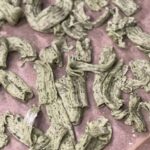
Explore homemade spinach rigatoni pasta featuring fresh flavor, vibrant green color, artisanal texture, thoughtful food styling, and culinary craftsmanship. Homemade pasta has a character that cannot be replicated by anything pulled from a package. Every piece reflects the care, patience, and creativity that shaped it. With this project, I wanted to capture that unmistakable handmade quality while celebrating spinach as both a flavorful ingredient and a source of naturally vibrant color. The rich green pasta dough transforms traditional rigatoni into something fresh, colorful, and visually memorable. Its ridged surface and hollow center create a familiar shape, while the spinach gives each piece a distinctive garden-inspired appearance. The result feels rustic enough for a comforting family meal yet polished enough for an elegant culinary presentation. Homemade Spinach Rigatoni Pasta: Fresh Flavor, Vibrant Color, and Handmade Excellence represents the intersection of culinary craftsmanship, thoughtful food styling, and visual storytelling. From the texture of the shaped pasta to the natural variations in its green color, every detail contributes to a project that feels authentic, inviting, and made by hand. Inspired by Fresh Ingredients Spinach brings more than color to fresh pasta. It gives the dough an earthy character that complements the gentle richness of eggs and flour without overwhelming the finished dish. The flavor remains versatile, making spinach rigatoni a beautiful foundation for a wide range of sauces, seasonal vegetables, cheeses, herbs, and proteins. The green color immediately creates a connection to freshness. Depending on the light and the natural qualities of the spinach, the pasta may display subtle variations ranging from deep forest green to softer herbaceous tones. These differences are part of its handmade beauty. They make every piece feel individual and help communicate that the pasta was created with real ingredients. This project allowed me to explore how a simple ingredient can influence the entire personality of a dish. Spinach changes the dough visually and adds depth to the story, turning a familiar pasta shape into a celebration of fresh flavor and artisanal preparation. The Craft of Handmade Rigatoni Rigatoni is recognized for its tubular shape and textured exterior. Recreating those defining qualities by hand requires attention to proportion, consistency, and structure. Each piece must feel substantial enough to hold its form while remaining delicate enough to cook into tender, satisfying pasta. The ridges are especially important because they give the surface its distinctive appearance and help sauce cling to the pasta. The hollow center creates another place for flavor to collect, allowing every bite to carry more of the finished dish. Together, these characteristics make rigatoni both practical and visually appealing. I appreciate the natural irregularities found in handmade pasta. Slight differences in length, curve, texture, and color reveal the human touch behind the work. Instead of taking away from the presentation, these variations add warmth and authenticity. They remind the viewer that each piece was individually shaped as part of a thoughtful culinary process. Flavor, Texture, and Versatility Fresh spinach rigatoni offers a tender texture with a pleasant bite. Its mild vegetable flavor works beautifully with sauces that range from light and delicate to creamy and robust. A simple combination of butter, herbs, and cheese can highlight the pasta’s freshness, while tomato sauce, roasted vegetables, or a savory cream sauce can create a richer presentation. Its vivid color also makes it especially well suited to seasonal menus. The green pasta feels at home in spring celebrations, garden-inspired dinners, holiday gatherings, and elegant everyday meals. Paired with red tomatoes, golden squash, white cheese, or colorful herbs, it can become the centerpiece of a visually striking plate. That versatility is one of the qualities I wanted to emphasize through this project. The pasta can appear rustic, refined, comforting, or celebratory depending on how it is styled and served. It offers a strong creative foundation for both culinary development and visual storytelling. Styling the Natural Beauty of Fresh Pasta The sculptural qualities of rigatoni make it an engaging subject for food styling. Its ridged exterior catches the light, while the open ends reveal the dimensional structure of each tube. Arranging the pasta in loose clusters helps preserve its handmade personality and creates a natural sense of movement within the composition. I wanted the styling to keep the focus on the pasta itself. Simple surfaces, restrained props, and thoughtfully chosen accents allow the green color and tactile texture to remain the visual stars. Fresh spinach leaves, herbs, flour, or understated kitchen tools can provide context without competing with the finished pasta. Close-up imagery is particularly effective for showing the small details that define this project. The ridges, curved edges, subtle flour dusting, and tonal variations all communicate craftsmanship. Wider compositions can then place the pasta within a welcoming culinary setting, connecting the handmade process to the experience of preparing and sharing food. Food Photography with Texture and Color Photographing green pasta requires careful control of lighting and color. Soft, directional light can reveal the rigatoni’s shape without flattening its natural tones. Gentle shadows add dimension to the hollow centers and textured surfaces, helping the pasta appear tactile and inviting. Color balance is equally important. The spinach green should look fresh and natural rather than overly saturated. Neutral backgrounds and complementary ingredients can support the color while maintaining an honest representation of the food. Through a combination of detailed images, preparation-focused compositions, and finished presentation photography, this project can tell a complete visual story. Each photograph contributes something different, from the precision of the handmade shape to the warmth and appeal of the final culinary experience. A Celebration of Handmade Excellence This spinach rigatoni project reflects my interest in food that is both beautiful and meaningful. It highlights the value of working slowly, noticing small details, and allowing natural ingredients to guide the creative direction. For my portfolio, the project demonstrates pasta development, culinary storytelling, food styling, composition, and photography. It shows how a traditional food can be reimagined through color and craftsmanship while retaining the comfort and familiarity that make pasta
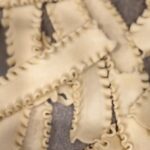
Explore Homemade Ruffled Mafalde Pasta: A Timeless Ribbon Pasta Reimagined, a culinary portfolio project celebrating fresh pasta, Italian tradition, food styling, and photography. Homemade pasta transforms a few simple ingredients into something beautiful, expressive, and deeply connected to culinary tradition. My Homemade Ruffled Mafalde Pasta: A Timeless Ribbon Pasta Reimagined project celebrates that transformation through one of Italy’s most distinctive ribbon pasta shapes. Mafalde is recognized by its broad center and delicately ruffled edges. The graceful ribbons have a dramatic appearance that feels both classic and contemporary. For this project, I wanted to highlight the pasta before it became part of a finished dish, allowing its shape, texture, and homemade character to tell the complete visual story. The finished collection of pasta ribbons feels rustic, elegant, and inviting. Each piece reflects the tactile nature of pasta making and the subtle variations that give homemade food its unmistakable personality. Reimagining a Timeless Italian Pasta Mafalde, also known as Mafaldine or Reginette, has a beautifully ornamental appearance. Its wide center resembles traditional ribbon pasta, while the fluted borders give each strand a decorative finish. The edges bring movement and personality to the shape, making mafalde visually interesting even before it is cooked or served. My goal was to preserve the traditional identity of mafalde while presenting it through a fresh visual perspective. Rather than treating the pasta as a supporting element, I made it the central subject of the project. The arrangement invites viewers to appreciate the craftsmanship behind the shape and the quiet beauty of pasta prepared at home. The pasta ribbons were allowed to rest in relaxed, overlapping layers. Some pieces lie nearly flat, while others bend, curl, and fold naturally. This gentle variation creates depth and prevents the arrangement from feeling overly controlled. The result is polished but still authentic, preserving the character of a home pasta-making surface. Celebrating Homemade Texture Texture is one of the most important elements in this project. The smooth center of each ribbon creates a striking contrast with the detailed ruffles along its edges. Those repeating borders form a graceful pattern that draws the eye through the composition. The lightly textured surfaces and soft ivory coloring give the pasta a warm, artisanal quality. Small differences between the ribbons reveal that the pieces were individually shaped rather than produced to look perfectly identical. These natural variations are part of the visual appeal. They communicate care, patience, and a personal connection to the pasta-making process. The ruffled edges also give mafalde a fabric-like appearance. When layered together, the ribbons resemble lengths of softly gathered trim or delicate lace. This visual connection gives the pasta an artistic quality while remaining grounded in traditional home cooking. A Warm and Natural Visual Story I selected a restrained color palette so the shape of the pasta would remain the focus. Warm ivory tones create a timeless foundation, while subtle shadows emphasize the overlapping ribbons and their sculptural edges. The simplicity of the palette allows the details to become more noticeable. Without colorful garnishes or elaborate props, the viewer can concentrate on the fluted borders, smooth centers, soft curves, and natural flour-dusted finish. This ingredient-focused styling supports the honest, homemade quality of the project. The pasta does not need a completed sauce or elaborate table setting to feel compelling. Its form provides the visual interest, and the arrangement captures a quiet moment in the creative process. Food Styling With Shape and Movement Styling the mafalde required a careful balance between repetition and spontaneity. The ribbons needed to appear abundant and tactile while retaining enough separation for their distinctive edges to remain visible. I arranged the pasta in loose layers, allowing certain pieces to overlap and others to create open spaces within the composition. These changes in direction produce movement and guide the eye across the image. The repeated ruffles establish a strong visual rhythm, while the irregular placement keeps the presentation natural. The close framing makes the image feel intimate and textural. Viewers can observe the fine details of the pasta while still recognizing the familiar ribbon shape. This perspective reinforces the homemade story and creates the sensation of standing beside a freshly prepared batch of mafalde in a home kitchen. Photographing the Art of Homemade Pasta The photography for Homemade Ruffled Mafalde Pasta: A Timeless Ribbon Pasta Reimagined was designed to emphasize form, texture, and craftsmanship. Soft lighting reveals the pasta’s surface without overpowering its delicate color. Gentle shadows separate the overlapping ribbons and give the composition depth. The neutral setting supports the pasta rather than competing with it. Every visual choice keeps the attention on the decorative edges and the natural variations between individual pieces. This photographic approach demonstrates how an unfinished ingredient can become a complete editorial subject. The image tells a story about process, heritage, anticipation, and the satisfaction of preparing pasta at home. It captures the beauty that exists before the pasta reaches the plate. A Distinctive Culinary Portfolio Project Homemade Ruffled Mafalde Pasta: A Timeless Ribbon Pasta Reimagined represents my interest in bringing traditional culinary techniques into contemporary visual storytelling. The project combines concept development, homemade pasta preparation, food styling, photography, and SEO-focused editorial content in a cohesive presentation. It also demonstrates the versatility of homemade pasta as a creative subject. Mafalde can feel rustic, luxurious, nostalgic, or modern depending on its styling and presentation. Its dramatic shape makes it suitable for editorial features, culinary websites, restaurant storytelling, social media content, cookbooks, and printed publications. Most importantly, this project celebrates the beauty of home cooking. Each ribbon reflects the time, care, and attention involved in preparing pasta from scratch. By focusing on the pasta’s distinctive form, I created a visual story that honors tradition while giving the timeless mafalde ribbon a fresh and memorable identity. Featured Project: Homemade Ruffled Mafalde Pasta: A Timeless Ribbon Pasta Reimagined Project Type: Homemade Pasta, Italian Culinary Art, Creative Food Styling, and Culinary Storytelling Services: Concept Development, Culinary Development, Food Styling, Food Photography, SEO Content Creation, and Portfolio Storytelling
Originally published
March 2026
Updated
August 2026
Reviewed by
Culibloom