Make a sweet and savory Japanese BBQ shrimp bowl with honey-glazed shrimp, jasmine rice, and optional vegetables in only 30 minutes.
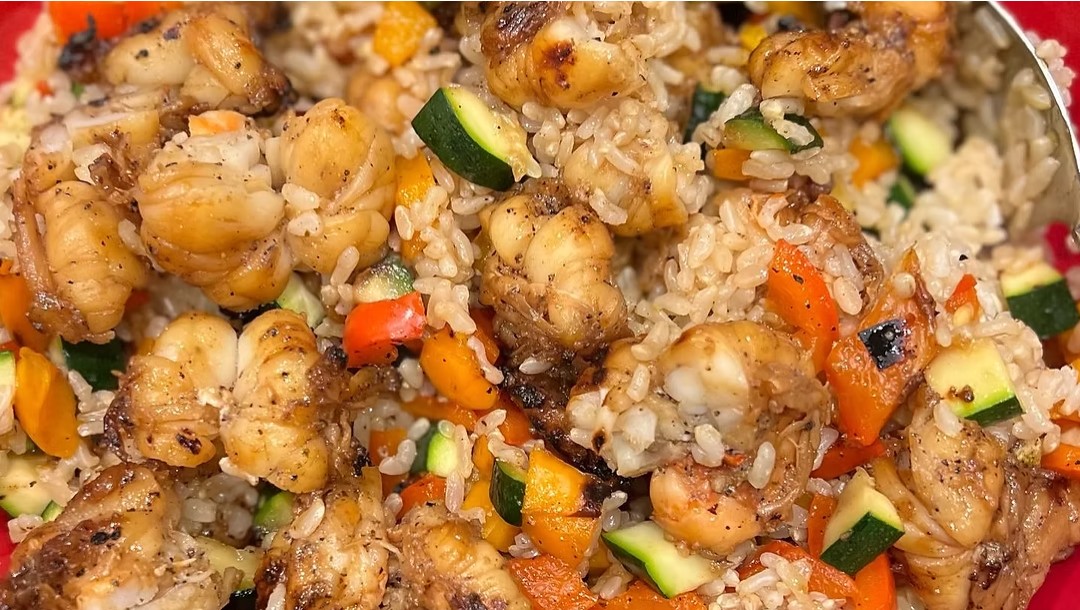
This Sweet and Savory Japanese BBQ Shrimp Bowl Recipe is a quick, colorful dinner filled with bold flavor. Tender shrimp are seasoned with garlic, black pepper, and fragrant Sichuan peppercorns, then coated in a glossy Japanese barbecue sauce and honey glaze. Served over warm jasmine rice, the shrimp create a satisfying bowl that feels special while still fitting comfortably into a busy weeknight.
The balance of sweet, savory, and gently spicy flavors makes this meal especially appealing. Japanese barbecue sauce brings a rich umami character, honey rounds out the sauce, and lightly crushed Sichuan peppercorns add their distinctive citrusy aroma and subtle tingling warmth. The rice absorbs the extra glaze from the skillet, ensuring that every bite carries plenty of flavor without requiring a long list of ingredients or a complicated cooking method.
Ready in about 30 minutes, this gluten-free shrimp bowl is also easy to personalize. Keep it simple with green onions and sesame seeds, or add steamed broccoli, snap peas, sautéed bok choy, shredded cabbage, or another favorite vegetable. Preparing the rice and toppings before the shrimp goes into the skillet helps the meal come together smoothly because shrimp cooks in only a few minutes and tastes best when served right away.
Prep Time: 15 minutes
Cook Time: 15 minutes
Total Time: 30 minutes
Yield: 4 servings
Ingredients
For the Japanese BBQ Shrimp
1 pound large shrimp, peeled and deveined
1/3 bottle Japanese barbecue sauce
2 tablespoons honey
1 teaspoon lightly crushed Sichuan peppercorns
1 teaspoon garlic granules
1 teaspoon salt
1 teaspoon freshly ground black pepper
Neutral cooking oil, as needed for the skillet
For the Bowls
2 cups cooked jasmine or white rice
Optional Toppings
Sliced green onions
Sesame seeds
Steamed broccoli
Snap peas
Sautéed bok choy
Shredded cabbage
Lime wedges
Directions
Step 1: Cook the Rice
Prepare the jasmine or white rice according to the package directions. Because cooking instructions vary by rice variety and brand, use the amount of water and cooking time specified on the package. Fluff the cooked rice gently with a fork, cover it, and keep it warm while preparing the shrimp. If you are making any optional vegetables, cook them now so they are ready before the shrimp reaches the skillet.
Step 2: Prepare the Shrimp
Check the peeled and deveined shrimp and remove any remaining shells or tails if desired. Pat the shrimp thoroughly dry with paper towels. Removing excess surface moisture encourages the shrimp to sear instead of steaming and also helps the seasonings cling more evenly. Place the dried shrimp in a medium bowl or arrange them on a plate.
Step 3: Season the Shrimp
Sprinkle the shrimp with the salt, freshly ground black pepper, garlic granules, and lightly crushed Sichuan peppercorns. Turn the shrimp gently until both sides are evenly coated. Crushing the peppercorns releases their aroma, but they do not need to be ground into a fine powder. Set the seasoned shrimp aside briefly while mixing the glaze.
Step 4: Prepare the Japanese BBQ Glaze
In a small bowl, whisk together the Japanese barbecue sauce and honey until the honey is fully blended into the sauce. Mixing the glaze before it enters the skillet helps it coat the shrimp quickly and evenly. Keep the bowl near the stove because the sauce will be added as soon as the shrimp begins to turn pink and opaque.
Step 5: Cook the Shrimp
Heat a large skillet over medium-high heat and lightly coat the surface with neutral cooking oil. When the pan is hot, arrange the shrimp in a single layer. Avoid crowding them. If the skillet is small, cook the shrimp in batches so each piece makes contact with the hot surface.
Cook for 1 to 2 minutes on the first side, then turn and cook for 1 to 2 minutes on the second side. The shrimp should be beginning to curl and turn pink, but they should not be completely firm before the glaze is added.
Step 6: Glaze the Shrimp
Pour the Japanese barbecue sauce mixture into the skillet. Toss or turn the shrimp gently so each piece is coated. Continue cooking for 1 to 2 minutes, allowing the sauce to simmer and thicken into a shiny glaze.
Watch the shrimp closely during this final stage. Remove the skillet from the heat as soon as the shrimp are fully pink and opaque so they remain tender and juicy.
Step 7: Assemble the Bowls
Divide the warm cooked rice evenly among four serving bowls. Spoon the glazed shrimp over the rice, distributing the shrimp evenly. Drizzle the remaining sauce from the skillet over each serving so the rice can absorb its sweet and savory flavor. Add steamed or sautéed vegetables alongside the shrimp if using them.
Step 8: Garnish and Serve
Finish the bowls with sliced green onions, sesame seeds, shredded cabbage, or any preferred combination of toppings. Add lime wedges on the side for anyone who enjoys a fresh, tangy finish. Serve immediately while the rice is warm, the glaze is glossy, and the shrimp is at its most tender.
Notes
Shrimp cooks very quickly and can become rubbery when overcooked. Exact timing will depend on the size of the shrimp and the heat of the skillet. Use the appearance and texture of the shrimp as your guide, removing it from the heat once it is pink, opaque, and gently curled.
For a milder flavor, reduce the Sichuan peppercorns or replace them with additional freshly cracked black pepper. Sichuan peppercorns are known for a citrusy aroma and a light tingling sensation rather than the direct heat associated with chile peppers.
For extra depth, grated fresh ginger can be stirred into the barbecue sauce and honey mixture. A pinch of red pepper flakes can also be added for more heat. These additions are optional and are not necessary for a flavorful bowl.
Steamed broccoli, snap peas, sautéed bok choy, edamame, or shredded cabbage can turn the shrimp and rice into a more vegetable-forward meal. Prepare vegetables before cooking the shrimp, then add them to each bowl during assembly.
Brown rice, sushi rice, or cauliflower rice can be used instead of jasmine rice. Keep in mind that the flavor, texture, cooking time, and final volume may vary with the substitution.
Japanese barbecue sauces can differ in sweetness, saltiness, and consistency. Taste the sauce before adding the full amount of salt to the shrimp if you are sensitive to sodium.
Always verify that the Japanese barbecue sauce is labeled gluten-free when preparing this recipe for someone with celiac disease or gluten sensitivity. Prevent cross-contact by using clean utensils, cookware, and preparation surfaces.
Store leftover shrimp and rice, separately or together, in an airtight container in the refrigerator for up to 2 days. Reheat gently in a skillet over medium-low heat or in the microwave in short intervals until warmed through. Avoid overheating the shrimp, which can make it tough.
Freezing is not recommended because cooked shrimp may lose its tender texture after thawing.