Gluten-Free Italian Love Cake: The Secret to Perfect Chocolate and Ricotta Layers
Learn how to make perfect gluten-free Italian Love Cake layers, why ricotta sometimes does not sink, and how to fix common chocolate and ricotta cake problems.
There is something magical about baking a homemade Gluten-Free Italian Love Cake. You carefully spread rich chocolate cake batter into a baking dish, spoon a creamy vanilla ricotta filling over the top, and place everything in the oven. As the cake bakes, something wonderful is supposed to happen. The chocolate cake rises while the ricotta settles beneath it, creating beautiful layers of moist chocolate cake and creamy Italian-style cheesecake.
But what happens when the ricotta does not sink?
Perhaps your ricotta stays on top, sinks only in certain areas, or becomes swirled into the chocolate cake. Although the finished dessert may look different from what you expected, it can still be absolutely delicious.
The secret to achieving those beautiful chocolate and ricotta layers lies in understanding how the ingredients behave during baking. The thickness of the chocolate cake batter, moisture content of the ricotta, choice of gluten-free flour, and oven temperature can all influence the results.
Whether you are making Italian Love Cake for the first time or trying to perfect a favorite recipe, understanding why the layers switch, what prevents them from moving, and how to handle unexpected results will help you bake with greater confidence.
And the best part? Even when the ricotta decides to stay exactly where you placed it, you can still enjoy a wonderfully rich and creamy homemade dessert.
What Is Italian Love Cake?
Italian Love Cake is a beloved Italian-American dessert that combines three delicious components: rich chocolate cake, creamy sweetened ricotta, and a fluffy chocolate pudding frosting.
The chocolate cake provides a moist, tender texture with deep cocoa flavor, while the ricotta filling adds a delicate sweetness and creamy consistency reminiscent of Italian cheesecake. A light chocolate pudding frosting completes the dessert with a smooth, mousse-like finish.
Unlike traditional layered cakes, Italian Love Cake is assembled before baking.
The chocolate cake batter is spread into the baking dish first, followed by the sweetened ricotta filling. During baking, the layers may naturally change positions, allowing the ricotta to settle beneath the rising chocolate cake.
Once cooled, the cake is finished with chocolate pudding frosting and refrigerated until the layers become firm enough to slice.
The combination of rich chocolate, creamy ricotta, and fluffy frosting makes Italian Love Cake especially popular for holidays, birthdays, Valentine’s Day, and family gatherings.
It is also a wonderful make-ahead dessert because the flavors and textures develop beautifully after several hours in the refrigerator.
Why Do the Chocolate and Ricotta Layers Switch During Baking?
One of the most fascinating features of Italian Love Cake is the way the chocolate cake and ricotta filling can change positions in the oven.
This transformation happens because the two mixtures have different densities, moisture levels, and baking characteristics.
The ricotta filling is relatively dense and contains a considerable amount of moisture. Meanwhile, the chocolate cake batter contains leavening ingredients, such as baking powder or baking soda, that help it expand as it heats.
As the chocolate batter begins to rise, it becomes lighter and develops structure. Before the cake completely sets, the denser ricotta mixture may gradually move downward.
The chocolate cake rises above the ricotta, creating the distinctive layered appearance that makes Italian Love Cake so special.
However, this transformation is not guaranteed.
The consistency of both mixtures plays an important role in determining whether the layers move freely.
If the chocolate cake batter is too thick, the ricotta may have difficulty moving downward. If the ricotta filling is excessively firm, it may remain on top.
The temperature of the oven and the speed at which the cake sets can also influence the results.
This is particularly important when making gluten-free Italian Love Cake because different gluten-free flour blends absorb moisture and create different batter consistencies.
Why Is My Ricotta Not Sinking in Italian Love Cake?
If your ricotta remains on top of the chocolate cake, there are several possible explanations.
The most common issue is that the chocolate batter and ricotta filling did not have enough opportunity to move past each other before the cake structure became firm.
Understanding these factors can help you achieve more consistent results the next time you bake.
The Chocolate Cake Batter Is Too Thick
One of the most common reasons ricotta does not sink is an overly thick chocolate cake batter.
Gluten-free chocolate cake recipes containing sour cream, instant pudding mix, or generous amounts of flour and starch can produce a particularly dense batter.
These ingredients often create a wonderfully moist chocolate cake, but they can also make the batter thick enough to resist the movement of the ricotta.
When the chocolate batter is too thick, the ricotta may remain on top or sink only in certain areas.
For the best chance of achieving distinct layers, choose a chocolate cake batter that is smooth and easily spreadable rather than unusually stiff.
The Ricotta Filling Is Too Thick
Not all ricotta cheese has the same consistency.
Some varieties are naturally smooth and creamy, while others are firm, grainy, or relatively dry.
If the ricotta filling is excessively thick, it may not move easily through the chocolate cake batter.
Draining ricotta for too long can also remove more moisture than necessary.
The ideal filling should be creamy, smooth, and thick enough to spoon over the chocolate batter while remaining easy to spread.
The Chocolate Cake Sets Too Quickly
As the cake bakes, the eggs, starches, and other ingredients begin forming its structure.
If the chocolate cake sets before the ricotta has an opportunity to move downward, the layers may remain in their original positions.
An oven that runs hotter than expected can contribute to this problem.
Using an oven thermometer helps ensure that the cake bakes at the intended temperature.
The Baking Dish Is Too Small
A baking dish that is too small creates unusually thick layers of chocolate batter and ricotta filling.
When the layers are too deep, they may not move as freely during baking.
The cake may also require additional baking time, increasing the possibility of unevenly cooked areas.
A deep 9-by-13-inch baking dish is commonly used for Italian Love Cake, but the total amount of batter must still fit comfortably.
The Ricotta Filling Was Added Unevenly
Pouring the ricotta filling into one large mound can cause it to collect in the center of the cake.
As the cake bakes, some areas may sink while others remain on top.
For more consistent layering, distribute the ricotta in small spoonfuls across the chocolate batter before gently smoothing the surface.
Avoid swirling the mixtures together, as this can create a marbled appearance rather than distinct layers.
What to Do If the Ricotta Does Not Sink
If your Italian Love Cake comes out of the oven with the ricotta still on top, there is no need to start over.
The cake can still be delicious, and the unexpected arrangement of the layers does not necessarily mean anything went wrong with the flavor or texture.
The most important consideration is whether the cake and ricotta filling are fully baked.
Make Sure the Cake Is Fully Baked
Before making any adjustments, check that the chocolate cake and ricotta filling have finished baking.
The chocolate cake should appear set, and a toothpick inserted into the chocolate portion should come out clean or with a few moist crumbs.
The ricotta filling should no longer appear liquid, although a slight movement in the center is normal.
Because the ricotta filling contains eggs, the center should reach 160°F for food safety.
If the cake is underbaked, return it to the oven until the center is properly set.
However, do not continue baking a fully cooked cake simply because the ricotta has not sunk.
Once the chocolate cake structure has set, additional baking is unlikely to make the layers switch.
Overbaking can leave the chocolate cake dry and the ricotta filling rubbery.
Allow the Cake to Cool Completely
Cooling is especially important when the ricotta remains on top.
As the cake cools, the ricotta filling becomes firmer and develops a smooth, cheesecake-like texture.
Allow the cake to cool before adding the chocolate pudding frosting.
Once the cake has cooled, refrigerating it will help the layers become more stable and easier to slice.
Add the Chocolate Pudding Frosting
Even when the ricotta remains on top, you can finish the dessert with the traditional chocolate pudding frosting.
Gently spread the frosting over the completely cooled ricotta layer.
The frosting creates a beautiful finish and adds another layer of creamy chocolate flavor.
Your dessert will resemble a chocolate cake topped with sweet ricotta cheesecake and fluffy chocolate mousse.
Although the layers are arranged differently, the flavors remain wonderfully complementary.
Serve It as a Chocolate Ricotta Layer Cake
If the ricotta stays on top, embrace the finished appearance.
Serve the dessert as a gluten-free chocolate ricotta layer cake.
The combination of rich chocolate cake, creamy ricotta, and fluffy frosting still creates an elegant dessert.
Fresh raspberries, strawberries, or delicate chocolate shavings make beautiful garnishes and add a lovely finishing touch.
Can You Make the Ricotta Sink After the Cake Has Baked?
Unfortunately, there is no reliable way to make the ricotta sink after Italian Love Cake has finished baking.
Once the chocolate cake structure has set, the layers can no longer move naturally.
Trying to push the ricotta downward or stir the layers after baking will damage the cake.
The best solution is to allow the dessert to cool, add the frosting, and enjoy it as a chocolate ricotta layer cake.
If the cake is fully baked, the ricotta remaining on top is primarily a difference in appearance.
For your next cake, adjusting the consistency of the chocolate batter and ricotta filling may help encourage the traditional layer transformation.
How Gluten-Free Flour Affects Italian Love Cake
Gluten-free flour plays an important role in the texture and structure of Italian Love Cake.
Unlike traditional wheat flour, gluten-free flour blends rely on combinations of starches, alternative flours, eggs, and sometimes binding ingredients to create structure.
Different gluten-free flours absorb moisture at different rates, which can significantly affect the thickness of the chocolate cake batter.
A batter that becomes too thick may prevent the ricotta from sinking, while an excessively thin batter may allow the mixtures to blend together.
Understanding the characteristics of different gluten-free flour options can help you choose the best chocolate cake base.
Homemade Gluten-Free Flour Blends
Homemade gluten-free flour blends allow greater control over the texture of the chocolate cake.
White rice flour provides structure, while sweet rice flour contributes tenderness and binding.
Tapioca flour adds elasticity, and cornstarch can help create a lighter texture.
Certified gluten-free oat flour adds a delicate flavor and contributes to a soft crumb.
The balance of these ingredients influences how the batter behaves during baking.
A homemade blend can produce a wonderfully tender chocolate cake, but the amount of liquid and binding ingredients must be balanced carefully.
Gluten-Free All-Purpose Flour
Gluten-free all-purpose flour is a convenient choice for Italian Love Cake.
These blends typically contain a combination of gluten-free flours and starches designed to replace conventional wheat flour.
Some blends already contain xanthan gum, while others require it to be added separately.
Too much xanthan gum can create an overly thick or gummy batter.
Check the flour blend ingredients before adding additional binding ingredients.
Measure for Measure Gluten-Free Flour
Measure for Measure gluten-free flour is designed to replace traditional wheat flour in many baking recipes.
It can create a moist, tender chocolate cake with a relatively simple preparation method.
However, different brands vary in their starch content and moisture absorption.
The finished batter may be thicker or thinner depending on the flour blend.
For Italian Love Cake, the goal is a smooth batter that spreads easily in the baking dish.
Gluten-Free Chocolate Cake Mix
A gluten-free chocolate cake mix is a convenient option when you want to simplify preparation.
Cake mixes are formulated to produce consistent results, but adding ingredients such as sour cream and instant chocolate pudding can change the texture.
These additions often create a richer, denser chocolate cake.
Although delicious, a thicker batter may make it more difficult for the ricotta filling to sink.
For the most predictable layer transformation, choose a cake batter with a consistency suited to Italian Love Cake rather than assuming every chocolate cake recipe will behave the same way.
Choosing the Best Ricotta Cheese for Italian Love Cake
Whole-milk ricotta cheese is generally the best choice for Italian Love Cake.
Its rich flavor and creamy texture create a filling that complements the chocolate cake beautifully.
Part-skim ricotta can also be used, but the finished filling may be slightly less creamy.
The moisture content of the ricotta is especially important.
Ricotta that contains too much liquid can create a watery filling, while ricotta that is excessively dry may become too thick.
Look for ricotta that is smooth, creamy, and moist without being watery.
If excess liquid is visible, drain the ricotta briefly before using it.
For an especially smooth texture, blend the ricotta in a food processor before combining it with the other filling ingredients.
This creates a silky filling that resembles a delicate Italian cheesecake.
How to Help the Ricotta Sink in Italian Love Cake
Although the layers cannot be guaranteed to switch perfectly every time, a few simple techniques can improve your chances of achieving the traditional appearance.
Use Room-Temperature Ingredients
Room-temperature eggs and other refrigerated cake ingredients combine more smoothly than very cold ingredients.
This helps create a more consistent batter and ricotta filling.
Cold ricotta can also be firmer and more difficult to spread.
Allow refrigerated ingredients to warm slightly before mixing, but avoid leaving perishable ingredients at room temperature for more than 2 hours.
Avoid an Overly Thick Chocolate Batter
A smooth, spreadable chocolate batter gives the ricotta a better opportunity to move during baking.
Recipes containing large amounts of sour cream, pudding mix, or binding ingredients may produce a thicker batter.
Choose a chocolate cake formulation with a consistency that allows the layers to move before the cake sets.
Spread the Ricotta Evenly
Distribute the ricotta filling in small spoonfuls across the chocolate batter.
Gently smooth the surface with an offset spatula.
Avoid pressing the ricotta into the chocolate batter or swirling the two mixtures together.
Keeping the layers separate before baking helps preserve the traditional appearance.
Use the Correct Baking Dish
A deep 9-by-13-inch baking dish is commonly used for Italian Love Cake.
However, the amount of batter is just as important as the size of the dish.
Some homemade gluten-free chocolate cake recipes produce more batter than a standard cake mix.
Avoid overfilling the dish, as this can interfere with even baking and increase the risk of overflowing.
Maintain the Correct Oven Temperature
Preheat the oven completely before baking.
An oven thermometer can help confirm that the temperature is accurate.
Avoid opening the oven door repeatedly during the early stages of baking, as significant temperature fluctuations may affect the cake structure.
Why Italian Love Cake Tastes Better the Next Day
Italian Love Cake is one of those desserts that becomes even more delicious after spending time in the refrigerator.
As the cake chills, the ricotta filling becomes firmer and develops a creamy, cheesecake-like consistency.
The chocolate pudding frosting also becomes more stable, creating a smooth, mousse-like topping.
Meanwhile, the flavors of chocolate, vanilla, and ricotta have time to come together.
Chilling also makes the cake easier to slice, allowing the layers to remain more distinct.
For the best results, refrigerate Italian Love Cake for at least 4 hours after frosting.
Overnight chilling is ideal.
This makes Italian Love Cake an excellent dessert for entertaining because it can be prepared the day before a gathering.
How to Store Gluten-Free Italian Love Cake
Because Italian Love Cake contains ricotta cheese, eggs, and dairy-based frosting, it should be stored in the refrigerator.
Keep the cake tightly covered to maintain freshness and prevent it from absorbing other refrigerator odors.
Properly stored, Italian Love Cake can be enjoyed for up to 4 days.
For longer storage, the baked cake can be frozen before adding the chocolate pudding frosting.
Wrap the completely cooled cake tightly and freeze for up to 2 months.
Thaw overnight in the refrigerator before frosting.
Freezing may slightly change the texture of the ricotta filling, so freshly prepared cake generally provides the creamiest results.
Beautiful Ways to Serve Italian Love Cake
Italian Love Cake is a lovely dessert on its own, but a few simple finishing touches can make it even more inviting.
Fresh raspberries or strawberries add a beautiful pop of color against the dark chocolate frosting. Their natural tartness also balances the richness of the cake.
A light dusting of unsweetened cocoa powder creates an elegant bakery-style finish.
Freshly shaved chocolate adds a delicate decorative touch.
For special occasions, serve individual slices on dessert plates with a few fresh berries arranged alongside.
Italian Love Cake also pairs beautifully with freshly brewed espresso, cappuccino, or coffee.
The slightly bitter notes of coffee complement the sweet ricotta and rich chocolate, making this dessert a wonderful ending to an Italian-inspired meal.
The Beauty of Homemade Italian Love Cake
One of the wonderful things about homemade baking is that every dessert develops its own character.
Some Italian Love Cakes have beautifully defined layers, while others feature gentle swirls of chocolate and ricotta.
When baking gluten-free, these differences can be even more noticeable because flour blends, starches, and binding ingredients influence the consistency of the batter.
The important thing to remember is that the ricotta does not have to sink perfectly for Italian Love Cake to taste delicious.
A cake with ricotta on top can still be rich, creamy, moist, and full of wonderful chocolate flavor.
By paying attention to the consistency of the chocolate batter, the moisture content of the ricotta, and the baking temperature, you can improve your chances of creating those beautiful signature layers.
And even when the ricotta decides to stay exactly where you placed it, you still have a lovely homemade dessert worth sharing.
Here is to fresh flavors, beautiful gardens, and all the little moments that make cooking and growing so rewarding.
Sending joy and happiness from my garden and kitchen to yours,
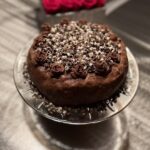
A delicious gluten-free Italian love cake featuring layers of moist chocolate cake, creamy ricotta, and fluffy chocolate mousse, finished with chocolate shavings and fresh raspberries.
Discover what makes a gluten-free chocolate rose cake special, from rich cocoa flavor and silky buttercream roses to elegant chocolate curls. A decadent gluten-free chocolate rose cake brings together rich flavor, elegant decoration, and an impressive bakery-style presentation. Deep chocolate cake, silky buttercream roses, and delicate chocolate curls create a dessert that feels luxurious enough for birthdays, anniversaries, weddings, showers, holidays, and other special occasions. The dramatic appearance makes this cake a natural centerpiece for a dessert table, but its appeal extends far beyond decoration. A tender crumb, intense cocoa flavor, creamy frosting, and crisp chocolate curls provide layers of flavor and texture in every slice. The result is a sophisticated dessert designed especially for chocolate lovers. What Makes a Chocolate Rose Cake Special Chocolate rose cakes transform traditional layer cakes into edible floral displays. Instead of relying on fresh flowers or elaborate sugar decorations, the design uses piped buttercream roses to create dimension and visual interest. The roses may be arranged around the upper edge of the cake, gathered into a floral crown, or used to cover the entire surface. Chocolate curls placed in the center add height and movement while reinforcing the cake’s rich chocolate theme. This style of decoration can look intricate, but it does not need to be perfectly uniform. Slight differences in the size and shape of the roses give the finished cake a natural, handcrafted appearance. A few smaller buttercream swirls can also fill spaces between larger roses and create a fuller floral design. Creating Deep Chocolate Flavor A memorable gluten-free chocolate cake should have a deep cocoa flavor without tasting dry or overly sweet. Dutch-process cocoa is particularly well suited to elegant chocolate cakes because it offers a smooth flavor and a dark, dramatic color. Black Dutch-process cocoa can produce an especially striking appearance. Its nearly black color creates a sophisticated backdrop for piped roses and glossy chocolate curls. Because this cocoa is heavily alkalized, it behaves differently from natural cocoa in baked goods. It is important to use it with a cake formula designed for that type of cocoa rather than making an unsupported substitution. Chocolate chips, chocolate pudding mix, sour cream, and buttermilk are sometimes used to create additional richness and moisture. The ideal combination depends on the selected cake style, whether it is made with individual gluten-free flours, a commercial flour blend, or a gluten-free cake mix. Choosing a Gluten-Free Cake Style One advantage of a gluten-free chocolate rose cake is the variety of available approaches. Experienced bakers may prefer a homemade flour combination containing ingredients such as rice flour, sweet rice flour, tapioca flour, oat flour, and cornstarch. Each flour and starch contributes something different to the cake’s structure and texture. A gluten-free all-purpose or measure-for-measure blend offers a more streamlined option. These blends can simplify shopping and reduce the number of individual ingredients required. Some products already contain xanthan gum, while others do not, so reading the package is essential. A gluten-free chocolate cake mix can be a convenient foundation when time is limited. Additional moisture and chocolate flavor can give a mix-based cake a more indulgent, special-occasion quality while still keeping the process approachable. Regardless of the style selected, all packaged ingredients should be checked for appropriate gluten-free labeling. This includes cocoa powder, flour blends, pudding mix, chocolate chips, confectioners’ sugar, vanilla, cake mixes, and decorative chocolate products. The Importance of Silky Chocolate Buttercream Chocolate buttercream plays several roles in a decorated layer cake. It fills the space between the layers, covers the exterior, holds the chocolate curls in place, and provides the structure needed for piped roses. For the most attractive results, the buttercream should be smooth enough to spread but firm enough to retain the definition of each piped petal. Buttercream that is too soft can cause the roses to slump, while frosting that is too stiff may produce rough or broken edges. The dark color of Dutch-process cocoa creates an elegant monochromatic design. For additional contrast, some of the roses may be piped in slightly lighter or darker shades of chocolate buttercream. Even subtle variations can make the floral border look more dimensional. Decorating with Chocolate Roses and Curls A smooth cake surface provides a polished background for the decorative elements. A border of chocolate roses around the upper edge naturally frames a generous mound of chocolate curls in the center. Different styles of chocolate curls create different effects. Fine curls look soft and delicate, while larger curls make a bolder statement. A combination of sizes can give the arrangement more volume and texture. Chocolate decorations are sensitive to warmth, so they should be handled as little as possible. Keeping them cool helps preserve their shape and prevents fingerprints or melting. Once placed on the cake, a few curls around the base can connect the upper decoration with the rest of the design. Serving a Chocolate Rose Cake This cake pairs beautifully with fresh strawberries, raspberries, cherries, or blackberries. The fruit’s brightness provides a refreshing contrast to the chocolate cake and rich buttercream. Vanilla ice cream, lightly sweetened whipped cream, or a smooth berry sauce can also complement each slice. Coffee and espresso emphasize the cocoa flavor, while cold milk offers a simple, classic pairing. For the best eating experience, a refrigerated chocolate buttercream cake should be allowed to soften slightly before serving. This gives the frosting a creamier consistency and allows the chocolate flavor to become more pronounced. A Showstopping Gluten-Free Celebration Cake A decadent gluten-free chocolate rose cake proves that a dessert can be both dietary-conscious and visually spectacular. The combination of dark chocolate layers, creamy buttercream flowers, and delicate curls makes it an unforgettable centerpiece for nearly any celebration. Whether the cake begins with individual gluten-free flours, a convenient flour blend, or a dependable cake mix, thoughtful decoration can transform it into a sophisticated dessert. With its dramatic appearance and layers of chocolate flavor, this cake is designed to make every occasion feel a little more special. Here is to
Make a gluten-free chocolate mason jar cake with rich chocolate cake, whipped cream, and fresh berries. Get layering, storage, party, and make-ahead tips. Gluten-Free Chocolate Mason Jar Cake is an easy individual dessert made with layers of rich gluten-free chocolate cake, homemade whipped cream, and fresh berries. Served in clear mason jars, these chocolate cake parfaits showcase every delicious layer while making portioning, storing, and serving dessert simple. If you are looking for a gluten-free party dessert that feels special without complicated decorating, chocolate mason jar cakes are an excellent choice. The deep chocolate cake pairs beautifully with light whipped cream and juicy strawberries, raspberries, blueberries, or blackberries. Each spoonful delivers chocolate, cream, and fruit in a dessert that is rich yet wonderfully balanced. These individual gluten-free desserts are ideal for birthdays, bridal showers, baby showers, picnics, summer parties, holiday celebrations, dinner parties, and family gatherings. The chocolate cake can be baked ahead, and the jars can be assembled before serving for an attractive dessert that makes entertaining easier. What Is a Gluten-Free Chocolate Mason Jar Cake? A gluten-free chocolate mason jar cake is a layered dessert served inside an individual glass jar rather than as a traditional cake slice. Pieces of gluten-free chocolate cake are alternated with whipped cream, berries, and optional chocolate toppings to create a dessert similar to a chocolate parfait or individual chocolate trifle. The clear jars allow the chocolate cake, cream, and berries to become part of the presentation. Instead of covering the cake with frosting, the visible layers provide natural color and texture. Mason jar cakes are also practical for entertaining. Each guest receives an individual serving, eliminating the need to slice a cake or prepare dessert plates. Wide-mouth mason jars work especially well because they provide enough space for neat layers and are easy to eat from with a spoon. Why Chocolate Cake in a Jar Is Perfect for Entertaining Serving chocolate cake in a jar combines an impressive presentation with the convenience of individual portions. Traditional layer cakes often need to be transported carefully, sliced immediately before serving, and divided into reasonably even portions. Mason jar desserts simplify that process. The jars can be arranged on a dessert table, placed on tiered stands, or displayed on trays. They can also be covered before serving, making them particularly convenient for picnics and outdoor gatherings. For celebrations, the jars are easy to personalize. Add ribbons, labels, gluten-free sprinkles, fresh berries, chocolate curls, or other decorations that coordinate with your event. Because each dessert is already portioned, guests can simply choose a jar and enjoy it. The Best Gluten-Free Chocolate Cake for Mason Jar Desserts A good gluten-free chocolate mason jar cake begins with a chocolate cake that is moist and tender but sturdy enough to maintain some texture once layered with whipped cream and fruit. A balanced combination of gluten-free flours and starches can help create this texture. Sweet rice flour, sometimes called glutinous rice flour, is particularly useful in gluten-free baking because it contributes softness and structure. Despite its name, glutinous rice flour does not contain gluten. Dutch-process cocoa powder is an excellent choice when you want a deep chocolate flavor and dark color. Sour cream can add richness and moisture, while miniature chocolate chips provide little bursts of chocolate throughout the cake. The cake does not need to look perfect before assembly. Mason jar desserts are actually a clever way to use a cake layer that cracked, baked unevenly, or did not release perfectly from its pan. Once the cake is cut into cubes or gently broken into pieces and layered with whipped cream and berries, those imperfections disappear. How to Keep Chocolate Mason Jar Cake Gluten-Free When making gluten-free mason jar desserts for someone with celiac disease or gluten sensitivity, it is important to consider more than the flour used in the chocolate cake. Check cocoa powder, chocolate chips, pudding mix, sprinkles, cookies, flavorings, and other packaged ingredients for appropriate gluten-free labeling when necessary. Oat flour requires additional attention because oats may be exposed to wheat during growing, processing, transportation, or packaging. When needed for dietary safety, select oat flour specifically labeled gluten-free. Cross-contact should also be considered. Work surfaces, baking pans, cooling racks, mixing bowls, mixers, measuring utensils, spatulas, and storage containers should be thoroughly cleaned if they are also used for foods containing wheat. Taking these precautions helps ensure your gluten-free chocolate dessert remains appropriate for the guests you are serving. Homemade Whipped Cream Makes the Perfect Chocolate Cake Layer Fresh whipped cream is one of the best accompaniments for rich chocolate cake. Its light, creamy texture balances the intensity of cocoa without overpowering it. The whipped cream also creates a striking visual contrast against the dark cake, making the individual layers stand out through the glass. For neat mason jar cake layers, whipped cream can be spooned carefully into each jar or piped using a pastry bag. Piping is particularly helpful when preparing multiple jars because it gives you more control and helps keep the sides of the jars clean. A final swirl of whipped cream on top creates a simple finishing touch that can be garnished with fresh berries, chocolate curls, or shaved chocolate. Since homemade whipped cream is perishable, the finished chocolate mason jar cakes should remain refrigerated until shortly before serving. Best Berries for Gluten-Free Chocolate Mason Jar Cake Fresh berries add color, natural sweetness, and a refreshing touch of acidity that balances the richness of chocolate cake and whipped cream. Strawberries are a classic choice because chocolate and strawberries naturally complement one another. Thin strawberry slices also look beautiful when positioned against the inside of a clear mason jar. Raspberries have a brighter, slightly tart flavor that works particularly well with dark chocolate. Blueberries add mild sweetness and deep color while being easy to layer because they require little preparation. Blackberries offer a deeper berry flavor and dramatic color that contrasts beautifully with whipped cream. For the most colorful chocolate berry dessert, combine
Discover an elegant gluten-free squash blossom pizza with creamy ricotta, Pecorino Romano, colorful edible flowers, and a delicate honey finish. Elegant Gluten-Free Squash Blossom Pizza with Ricotta and Honey is a beautiful way to celebrate one of summer’s most delicate ingredients. With its creamy cheese, crisp crust, colorful edible flowers, and sweet finishing touch, this seasonal pizza feels elegant without becoming overly complicated or formal. Squash blossoms have a mild flavor and a soft, delicate texture. They pair naturally with creamy ricotta and salty Pecorino Romano, while honey brings the savory and floral elements together. The finished pizza offers an appealing balance of richness, freshness, sweetness, and saltiness. This garden-inspired dish is especially well suited to summer lunches, casual dinners, brunches, and outdoor gatherings. Its vibrant appearance makes it a memorable centerpiece, yet its familiar pizza format keeps it welcoming and easy to enjoy. What Are Squash Blossoms? Squash blossoms are the edible flowers produced by zucchini and other summer squash plants. They are often bright yellow or orange, with delicate petals and a flavor that is mild, fresh, and subtly reminiscent of squash. Both male and female blossoms are edible. Male blossoms grow on slender stems, while female blossoms develop close to the young squash. Gardeners often harvest some of the male blossoms while leaving enough behind for pollination. Because the flowers are fragile, they are best enjoyed soon after harvesting or purchasing. Look for blossoms with vibrant color and petals that appear fresh rather than heavily wilted. A small amount of curling or folding is natural because the flowers open and close throughout the day. Why Ricotta Works So Well on This Pizza Ricotta provides a creamy foundation that complements squash blossoms without overpowering them. Its mild dairy flavor allows the floral character of the blossoms to remain noticeable, while its rich texture creates a satisfying contrast with a crisp gluten-free crust. Whole-milk ricotta is especially appealing because it has a smooth texture and fuller flavor. It also pairs beautifully with a sharper cheese such as Pecorino Romano. The combination creates depth, with the ricotta contributing creaminess and the Pecorino adding a salty, savory finish. Garlic and freshly ground black pepper can bring gentle warmth to the cheese without distracting from the seasonal ingredients. The goal is a balanced pizza in which every component contributes flavor while allowing the blossoms to remain the visual and culinary highlight. The Appeal of Honey on Savory Pizza Honey has become a popular finishing touch for savory pizzas because it provides contrast. Its sweetness can soften the salty edge of aged cheese and complement the creamy richness of ricotta. On a squash blossom pizza, honey also echoes the naturally floral character of the blossoms. A light drizzle adds shine and flavor without turning the pizza into a dessert. Wildflower honey is an especially fitting choice because its aromatic qualities match the garden-inspired presentation. The combination of ricotta, Pecorino Romano, squash blossoms, and honey creates a layered flavor experience. Each bite can be creamy, salty, mildly floral, and subtly sweet. Choosing a Gluten-Free Pizza Crust The crust plays an important role in the final texture of any gluten-free pizza. A well-made crust should provide enough structure to support the creamy cheese while developing a pleasantly crisp exterior. Homemade and store-bought gluten-free crusts can both work well. A prepared crust offers convenience and makes this style of pizza practical for a quick lunch or weeknight dinner. When selecting a packaged crust, consider its size, thickness, recommended cooking method, and whether it needs to be thawed or prebaked. Anyone preparing the pizza for a person with celiac disease or gluten sensitivity should check every packaged ingredient for suitable gluten-free labeling. Clean utensils, pans, preparation surfaces, and serving tools can also help reduce the risk of cross-contact. A Pizza Inspired by the Summer Garden Squash blossoms have a short season, which makes them feel particularly special. They are commonly associated with farmers markets, backyard gardens, and seasonal Italian cooking. Their vivid color gives pizza a naturally decorative appearance. Rather than covering the flowers with heavy toppings, a simple arrangement allows their shape and color to remain visible. Edible flower sprinkles can enhance the garden-inspired presentation, provided they are specifically grown, processed, and sold for culinary use. Flowers from florists, garden centers, roadsides, or unknown sources should not be used as garnishes. They may have been treated with pesticides or other products that are not intended for edible plants. Serving Ideas for Squash Blossom Pizza Gluten-Free Squash Blossom Pizza with Ricotta and Honey can be served as a light main course or as part of a larger seasonal menu. A crisp green salad offers a refreshing contrast to the creamy ricotta, while tomatoes, cucumbers, or fresh herbs can reinforce the summer theme. For entertaining, the pizza can be presented on a wooden serving board or a simple white platter that allows the yellow blossoms to stand out. Smaller slices work well for a brunch, garden party, or appetizer table. Larger portions can anchor a relaxed lunch or dinner. Sparkling water with citrus, iced tea, or a fruit-forward nonalcoholic spritzer can complement the sweet and savory flavors. Fresh berries, peaches, or a light lemon dessert can continue the seasonal mood without making the meal feel too heavy. An Elegant Way to Enjoy Seasonal Produce The charm of this pizza lies in its simplicity. Squash blossoms bring color and a delicate garden-fresh quality, ricotta adds luxurious creaminess, and Pecorino Romano introduces a savory contrast. Honey connects those flavors with a subtle sweetness that makes the pizza distinctive. It is an inviting choice for anyone who enjoys seasonal cooking, edible flowers, or creative gluten-free meals. Whether served at a summer gathering or enjoyed as a special lunch, Gluten-Free Squash Blossom Pizza with Ricotta and Honey turns a fleeting garden ingredient into a memorable centerpiece. Here is to fresh flavors, beautiful gardens, and all the little moments that make cooking and growing so rewarding. Sending joy and happiness from my