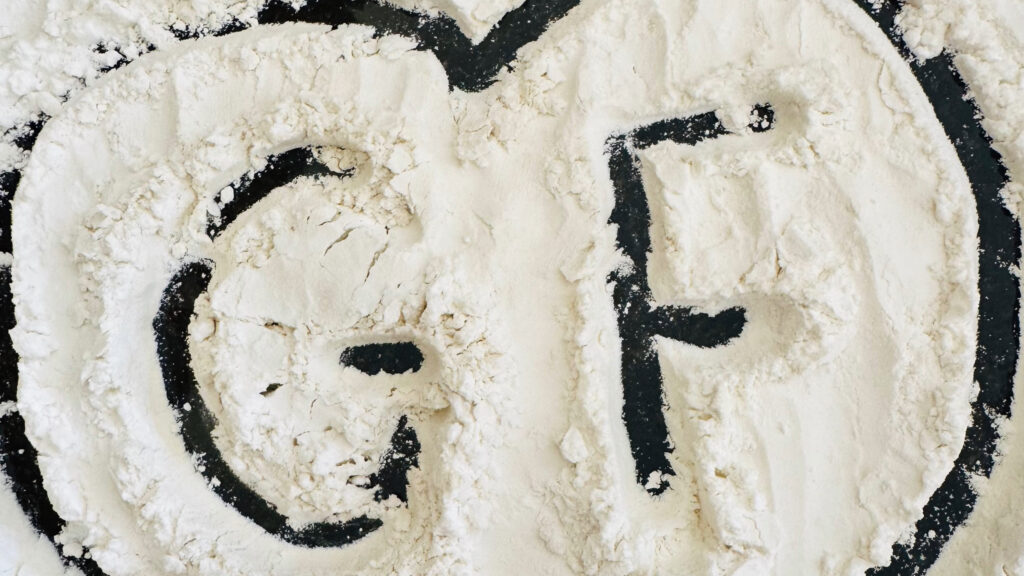

Learn how gluten-free, wheat-free, and celiac-safe diets differ so you can understand food labels, avoid cross-contact, and make safer food choices.
Food labels can be difficult to understand, especially when terms such as gluten-free, wheat-free, and celiac-safe appear on packages and restaurant menus. Although these descriptions may seem similar, they represent different dietary requirements.
A gluten-free diet excludes gluten from wheat, barley, rye, and related grains. A wheat-free diet eliminates wheat but may still include other sources of gluten. Celiac-safe eating requires a strict gluten-free diet combined with careful measures to prevent gluten cross-contact.
Understanding these differences can help people with celiac disease, wheat allergies, non-celiac gluten sensitivity, and other dietary concerns choose appropriate foods with greater confidence.
What Is a Gluten-Free Diet?
A gluten-free diet eliminates gluten, a group of proteins naturally found in wheat, barley, rye, and related grains such as triticale. Gluten gives bread its chewy texture and helps many baked goods maintain their structure.
People with celiac disease must avoid gluten because consuming it triggers an immune response that damages the small intestine. Some people with non-celiac gluten sensitivity may also experience symptoms after consuming gluten, although this condition is different from celiac disease and wheat allergy.
In the United States, foods labeled gluten-free must meet Food and Drug Administration requirements. These products must contain less than 20 parts per million of gluten and comply with additional ingredient restrictions.
Many whole foods are naturally gluten-free, including plain fruits, vegetables, meat, poultry, fish, eggs, beans, nuts, rice, and potatoes. However, sauces, seasonings, marinades, and other added ingredients can introduce gluten, making label reading important.
Packaged gluten-free foods may use rice, corn, quinoa, millet, buckwheat, tapioca, cassava, or gluten-free oats as alternatives to wheat-based ingredients.
What Is a Wheat-Free Diet?
A wheat-free diet eliminates wheat and ingredients derived from wheat. This dietary approach is commonly followed by people with a diagnosed wheat allergy.
A wheat allergy is an immune reaction to one or more proteins found in wheat. Symptoms and their severity can vary, so anyone with a wheat allergy should follow the personalized guidance provided by an allergist or another qualified healthcare professional.
One of the most common food-labeling misconceptions is that wheat-free automatically means gluten-free. A wheat-free product may still contain barley, rye, malt, or another source of gluten.
For example, a product made with barley instead of wheat could be described as wheat-free while still containing gluten. This makes wheat-free foods unsuitable for people with celiac disease unless the products also meet gluten-free requirements.
Some people with a wheat allergy may tolerate gluten from non-wheat sources. However, this depends on the person’s specific diagnosis and does not apply to someone who also has celiac disease or another reason to avoid gluten.
Does Gluten-Free Always Mean Wheat-Free?
Gluten-free and wheat-free overlap, but the terms are not completely interchangeable.
Certain specially processed wheat-derived ingredients may be used in products that meet FDA gluten-free standards. When required, wheat must still be identified on the label as a major food allergen.
This means someone with a wheat allergy should not assume that every gluten-free product is suitable. The complete ingredient list and allergen declaration should always be reviewed.
People with celiac disease must also look beyond the word wheat. Barley and rye contain gluten but are not among the major allergens required to appear in a United States “Contains” statement. A product without a wheat warning could still contain gluten from one of these grains.
What Does Celiac-Safe Mean?
Celiac-safe generally describes food that is appropriate for someone with celiac disease because it is gluten-free and has been handled carefully to reduce the risk of cross-contact.
However, celiac-safe is not a standardized FDA labeling term for packaged food. Gluten-free is the regulated claim in the United States. When a manufacturer or restaurant uses the phrase celiac-safe, consumers should ask what practices support that description.
Celiac disease is a chronic digestive and immune disorder triggered by gluten. When a person with celiac disease consumes gluten, the immune response can damage the lining of the small intestine and interfere with nutrient absorption.
Following a celiac-safe diet involves more than avoiding obvious ingredients such as wheat flour. It also requires attention to how food is manufactured, transported, stored, prepared, and served.
Why Gluten Cross-Contact Matters
Gluten cross-contact occurs when gluten-free food comes into contact with gluten-containing food, ingredients, equipment, or surfaces. This exposure can happen during agricultural production, transportation, commercial manufacturing, storage, cooking, or serving.
In a home or restaurant kitchen, possible sources of cross-contact include shared toasters, fryers, cutting boards, colanders, baking pans, utensils, grills, and preparation surfaces. Shared condiment containers can also create problems when a knife carrying crumbs is placed back into the container.
Airborne wheat flour may settle on food and kitchen equipment. For that reason, simply wiping down a surface may not always be enough in an active baking area where conventional flour is being used.
Oats require additional attention because they are frequently grown, transported, or processed near gluten-containing grains. People with celiac disease should select oats specifically labeled gluten-free and follow any individual guidance from their healthcare provider.
Comparing the Three Dietary Approaches
A gluten-free diet removes gluten from wheat, barley, rye, triticale, and ingredients that do not comply with gluten-free standards.
A wheat-free diet removes wheat but may still include barley, rye, malt, and other gluten-containing ingredients.
A celiac-safe diet is strictly gluten-free and also addresses the possibility of gluten cross-contact throughout food production and preparation.
The appropriate diet depends on the medical condition being managed. These terms should not be treated as interchangeable, particularly when celiac disease or a wheat allergy is involved.
How to Read Gluten-Free and Wheat-Free Food Labels
Begin by reading the complete ingredient list instead of relying only on claims printed on the front of the package.
Potential sources of gluten include wheat, barley, rye, triticale, malt, malt extract, malt flavoring, malt vinegar, and brewer’s yeast. Different forms of wheat include durum, semolina, spelt, farro, einkorn, emmer, and kamut.
Wheat must be identified on applicable packaged-food labels in the United States because it is a major food allergen. It may appear directly in the ingredient list or in a separate “Contains wheat” statement.
Barley and rye do not have the same major-allergen declaration requirement. A product without a wheat warning is therefore not automatically gluten-free.
A gluten-free claim provides more useful information for someone who must avoid gluten. Third-party gluten-free certification may offer additional reassurance, although certification programs can have different testing standards and requirements.
Product ingredients and manufacturing practices can change. Check the label each time you purchase a packaged food, even if you have consumed the product safely in the past.
Understanding Advisory Allergen Statements
Some packaged foods include statements such as “may contain wheat” or “made in a facility that also processes wheat.” These warnings are voluntary in the United States and should not replace proper manufacturing controls.
The absence of an advisory statement does not necessarily guarantee that a product was made in a dedicated facility. Anyone managing a severe wheat allergy or celiac disease may want to contact the manufacturer when the label does not provide enough information.
Ask about shared equipment, cleaning procedures, ingredient sourcing, gluten testing, and other manufacturing controls that matter for your individual needs.
Questions to Ask When Dining Out
Restaurant meals require additional communication because the menu description may not reveal every ingredient or preparation practice.
Ask whether a meal contains wheat, barley, rye, malt, regular soy sauce, bread crumbs, or flour-based thickeners. Sauces, marinades, salad dressings, spice blends, and garnishes should also be checked.
Find out whether the kitchen uses a shared fryer, toaster, grill, cutting board, pasta pot, or preparation surface. Foods that begin with gluten-free ingredients may no longer be appropriate if they are cooked in shared oil or handled with contaminated utensils.
If a restaurant describes an item as celiac-safe, ask what that term means in its kitchen. Dedicated equipment, separate preparation areas, clean utensils, fresh gloves, verified ingredients, and staff training can all help reduce cross-contact.
Restaurant staff should be informed when the dietary restriction is medically necessary. Clear communication gives the kitchen a better opportunity to explain what it can safely accommodate.
Choosing the Right Diet for Your Needs
Someone with a wheat allergy generally needs to avoid wheat according to the instructions provided by their healthcare team. That person may not need to avoid barley or rye unless another medical condition is present.
Someone with celiac disease must avoid gluten from wheat, barley, rye, and related sources while also managing cross-contact.
A person with possible non-celiac gluten sensitivity should speak with a healthcare provider before eliminating gluten. Symptoms associated with gluten-containing foods may have several possible causes, and beginning a gluten-free diet before celiac testing can affect the accuracy of diagnostic results.
A registered dietitian experienced in celiac disease and food allergies can help identify appropriate foods, explain food labels, and reduce the risk of nutritional deficiencies caused by unnecessary restrictions.
Making Safer Food Choices With Confidence
Gluten-free, wheat-free, and celiac-safe describe different dietary standards. Gluten-free foods exclude gluten according to established labeling requirements. Wheat-free foods eliminate wheat but may still contain other sources of gluten. Celiac-safe eating combines a strict gluten-free diet with careful cross-contact prevention.
Understanding these distinctions can make grocery shopping, cooking, and dining out easier. The goal is not to follow the most restrictive diet possible. It is to follow the dietary plan that safely and appropriately meets your individual medical needs.