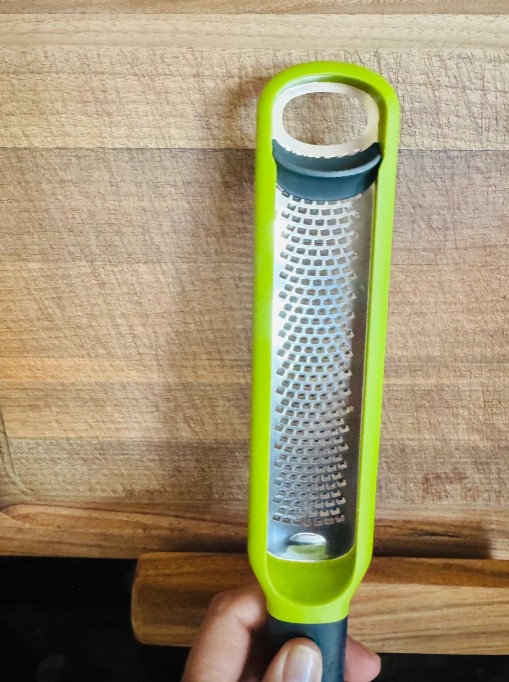
Innovative Uses for a Grater You Never Knew About: Kitchen Hacks That Make Cooking Easier
Discover innovative uses for a grater you never knew about. Learn clever kitchen hacks that save time, reduce food waste, and make meal preparation faster with this versatile kitchen tool.
When you think of a kitchen grater, shredded cheese is probably the first thing that comes to mind. While cheese is certainly one of its most common uses, this simple kitchen tool is capable of far more than most home cooks realize. A quality grater can help you prepare vegetables, fruits, spices, butter, chocolate, and even frozen ingredients with ease.
Whether you own a traditional box grater, a handheld grater, or a fine microplane, learning a few creative techniques can completely change the way you cook. These innovative grater hacks will help you save time, improve texture, enhance flavor, and even reduce food waste.
If your grater spends most of its life tucked away in a kitchen drawer, it is time to put it to work.
Turn Cold Butter into Baking Perfection
One of the biggest secrets to flaky pastries and biscuits is keeping the butter cold. Instead of cutting butter into cubes, place it in the freezer for about 30 minutes and grate it directly into your flour mixture.
The tiny pieces of butter distribute evenly throughout the dough, making pie crusts, biscuits, scones, and pastries much easier to prepare. As the butter melts during baking, it creates the flaky layers every baker loves.
Spread Butter in Seconds
Everyone has forgotten to soften butter at least once. Rather than microwaving it and ending up with melted edges, grate cold butter over warm toast, pancakes, waffles, muffins, or fresh bread.
The thin shreds soften almost instantly, allowing you to enjoy perfectly spreadable butter without waiting.
Make Garlic Paste Without a Garlic Press
A fine grater or microplane easily transforms garlic cloves into a smooth paste.
This method releases more natural oils than chopping, creating a richer garlic flavor that blends effortlessly into marinades, salad dressings, pasta sauces, soups, compound butter, and homemade dips.
It is also much easier to clean than many garlic presses.
Grate Fresh Ginger Like a Pro
Fresh ginger is packed with flavor, but its stringy texture can make chopping frustrating.
Using a fine grater separates much of the tough fiber while producing smooth ginger pulp that mixes beautifully into stir fries, baked goods, teas, smoothies, dressings, and Asian-inspired sauces.
Brighten Recipes with Fresh Citrus Zest
Lemons, limes, oranges, and grapefruits all contain flavorful oils in their colorful outer peel.
A microplane allows you to remove only the zest without scraping away the bitter white pith beneath it.
Instead of chopping chocolate into chunks, grate it into delicate shavings.
Finely grated chocolate melts quickly into hot cocoa, coffee, brownie batter, frosting, whipped cream, cheesecake filling, and homemade ice cream.
It also creates a beautiful finishing touch for cakes, cupcakes, and pies.
Freshly Grate Whole Spices
Ground spices gradually lose their aroma over time.
Whole spices stay fresh much longer, and a fine grater allows you to use only what you need.
Try grating fresh nutmeg, cinnamon sticks, frozen turmeric root, or whole cloves for richer flavor in baked goods, soups, sauces, and warm beverages.
Hide More Vegetables in Everyday Meals
A grater is one of the easiest ways to add extra vegetables to family meals.
Grated zucchini, carrots, cauliflower, sweet potatoes, and beets blend seamlessly into casseroles, meatballs, meatloaf, pasta sauces, soups, chili, and muffins.
This is an excellent way to increase vegetable intake while creating moist, flavorful dishes.
Make Restaurant Style Hash Browns
Fresh hash browns are surprisingly simple.
Grate russet potatoes, rinse away excess starch, squeeze out as much moisture as possible, and cook them in a hot skillet until crisp and golden.
You can also use grated sweet potatoes for a slightly sweeter variation.
Create Homemade Cauliflower Rice
Store-bought cauliflower rice is convenient, but making your own is even easier.
Simply grate fresh cauliflower using the large holes of a box grater.
The result cooks quickly and works wonderfully in stir fries, grain bowls, casseroles, soups, and low carbohydrate recipes.
Grate Onions for Smooth Sauces
If you love onion flavor but dislike biting into chunks, use a grater instead of a knife.
Grated onions practically disappear as they cook, making them perfect for meatballs, burgers, gravies, marinades, pasta sauces, and meatloaf.
The natural onion juice also helps keep ground meats moist.
Homemade Breadcrumbs in Minutes
Do not throw away stale bread.
Freeze it, then grate it into fine breadcrumbs whenever you need them.
Fresh breadcrumbs add wonderful texture to baked pasta dishes, casseroles, chicken, seafood, and vegetable recipes while helping reduce kitchen waste.
Fluffy Parmesan Every Time
Freshly grated Parmesan melts much more evenly than pre-shredded cheese.
Its fine texture allows it to coat pasta beautifully while delivering bold flavor with smaller amounts.
The same technique works well for Pecorino Romano and other aged cheeses.
Refresh Desserts with Frozen Fruit
Frozen fruit becomes light and refreshing when grated.
Try grating frozen strawberries, peaches, mangoes, pineapple, or raspberries over yogurt, cheesecake, smoothie bowls, ice cream, or chilled desserts.
The delicate fruit shavings create an elegant presentation with almost no effort.
Make Beautiful Salad Garnishes
A grater can also improve food presentation.
Grated carrots, radishes, cucumbers, beets, and apples make colorful garnishes that add texture, freshness, and visual appeal to salads, sandwiches, wraps, tacos, and grain bowls.
Small details like these can make homemade meals feel restaurant quality.
Reduce Food Waste with Every Meal
Small pieces of vegetables often end up in the trash simply because they seem too difficult to use.
Instead, grate leftover vegetables into soups, casseroles, pasta sauces, omelets, scrambled eggs, rice dishes, or homemade burgers.
It is an easy way to stretch your grocery budget while making meals more nutritious.
Helpful Grater Safety Tips
A sharp grater works better and is actually safer because it requires less force.
Always use the food holder if your grater includes one.
Keep fingertips away from the blades as ingredients become smaller.
Place a damp kitchen towel underneath the grater to prevent slipping.
Wash your grater immediately after use before food has a chance to dry between the blades.
Choosing the Right Grater
Different graters are designed for different tasks.
A box grater is ideal for cheese, potatoes, vegetables, and fruits.
A handheld grater is convenient for everyday cooking.
A microplane excels at garlic, ginger, citrus zest, chocolate, hard cheeses, and spices.
Having more than one type of grater makes food preparation faster and more enjoyable.
A Small Tool with Endless Possibilities
The kitchen grater is one of the most versatile tools you can own. It helps create lighter pastries, smoother sauces, flavorful seasonings, crisp vegetables, elegant garnishes, and delicious desserts while reducing food waste and speeding up meal preparation.
The next time you reach for your grater, think beyond shredded cheese. With these innovative kitchen hacks, you can transform ordinary ingredients into flavorful meals, beautiful presentations, and creative recipes that make everyday cooking easier and more enjoyable.
Most people think of a grater as a simple kitchen tool used mainly for shredding cheese, but this humble utensil can do far more than many home cooks realize. With a little creativity, a standard box grater or handheld grater can become one of the most versatile tools in your kitchen. Discovering innovative uses for a grater you never knew about can help streamline meal preparation, reduce the need for extra gadgets, and make cooking both easier and more enjoyable.
Discover creative ways to repurpose household items into unique kitchen gadgets. Save money, reduce waste, and create an organized, eco-friendly kitchen with these simple DIY ideas. Explore creative ways to repurpose household items for innovative solutions in your cooking space. Give Everyday Household Items a New Life in Your Kitchen Creating a functional kitchen does not always require purchasing the latest gadgets or expensive specialty tools. Many of the most useful kitchen accessories are already hiding in your home, waiting for a second purpose. With a little imagination, everyday household items can be transformed into practical kitchen gadgets that improve organization, simplify meal preparation, and reduce waste. Repurposing household items is a smart way to embrace sustainable living while saving money. Instead of throwing away objects that still have plenty of life left, consider how they might solve common kitchen challenges. From organizing pantry staples to preparing meals more efficiently, these creative ideas help make your kitchen both environmentally friendly and uniquely personal. These creative ways to repurpose household items not only enhance functionality but also add a personal touch to your kitchen. Whether you love cooking homemade meals, baking gluten-free recipes, or simply enjoy an organized workspace, these clever kitchen hacks can inspire you to rethink ordinary household items. Why Repurposing Household Items Makes Sense Finding new uses for items you already own offers several benefits beyond reducing clutter. Repurposing encourages creativity, minimizes unnecessary spending, and supports a more sustainable lifestyle by keeping usable materials out of landfills. Additional advantages include: Saving money on kitchen gadgets. Reducing household waste. Supporting eco-friendly living. Creating customized kitchen organization. Giving older items a fresh purpose. Adding personality to your kitchen. Every small change contributes to a greener home while making everyday cooking more enjoyable. Transform Mason Jars into Multi-Purpose Kitchen Essentials Mason jars remain one of the most versatile household items for any kitchen. Their airtight seal and durable construction make them ideal for far more than traditional canning. Use mason jars for storing dry ingredients, mixing homemade salad dressings, preparing overnight oats, organizing baking supplies, preserving fresh herbs, or serving smoothies. They also make attractive containers for layered desserts, homemade spice blends, and pantry staples while helping maintain a neat and organized kitchen. Repurpose Ice Cube Trays for Flavor Boosters Old ice cube trays are excellent for preserving small portions of cooking ingredients. Rather than throwing away leftover herbs or sauces, freeze them for future use. Fill each compartment with olive oil and chopped herbs, pesto, tomato paste, lemon juice, garlic butter, homemade broth, or fresh ginger puree. Once frozen, simply pop out a cube whenever you need an instant burst of flavor while cooking. This simple trick reduces food waste and makes meal preparation faster. Use Muffin Tins as Ingredient Organizers Muffin tins are useful long before they reach the oven. Their divided compartments make them perfect for organizing ingredients during meal preparation. Separate chopped vegetables, shredded cheese, spices, toppings, fresh herbs, garnishes, or baking decorations before you begin cooking. They are especially convenient when preparing multiple recipes or cooking with children. During parties, muffin tins also create attractive serving trays for taco bars, baked potato toppings, or charcuterie accompaniments. Binder Clips Offer Surprisingly Helpful Kitchen Solutions Office binder clips may seem unrelated to cooking, but they quickly become one of the most versatile tools in the kitchen. Use them to seal snack bags, organize appliance cords, label pantry containers, display recipe cards, or keep tablecloths securely in place during outdoor meals. Their strong grip and durability make them an inexpensive solution for everyday kitchen organization. Give Wine Corks a Practical Second Purpose Natural wine corks have countless uses beyond sealing bottles. Repurpose them as pot lid holders, homemade trivets, drawer bumpers, knife tip protectors, place card holders for holiday gatherings, or plant markers for your indoor herb garden. Their heat resistance and lightweight design make them ideal for simple kitchen projects. Convert Shower Caddies into Portable Cooking Stations An unused shower caddy can become an efficient mobile kitchen organizer. Store frequently used cooking oils, seasonings, measuring spoons, silicone brushes, kitchen towels, and utensils together in one portable container. When it is time to cook, everything you need is already organized and within easy reach. This solution works particularly well in small kitchens where counter space is limited. Reuse Cotton Towels Instead of Disposable Products Old cotton towels and fabric napkins can replace many disposable kitchen products. Transform them into reusable cleaning cloths, produce drying towels, bread-warming wraps, dish drying mats, or washable napkins. These reusable alternatives reduce paper waste while adding a sustainable touch to your daily kitchen routine. Turn Colanders into Decorative Produce Baskets Older metal colanders provide excellent airflow, making them ideal for storing fruits and vegetables. Use them to hold onions, garlic, shallots, lemons, limes, oranges, or potatoes. Proper ventilation helps extend freshness while adding farmhouse charm to your kitchen décor. Cookie Cutters Are More Versatile Than You Think Cookie cutters can shape much more than cookies. Use them to create fun pancakes, perfectly shaped fried eggs, decorative sandwiches, rice molds, brownies, watermelon slices, or fruit displays. These simple touches make everyday meals more appealing for both children and adults. Box Graters Can Double as Herb Drying Racks A retired box grater can easily become a compact drying station for fresh herbs. Tie herb bundles with kitchen twine and hang them through the openings. The metal frame promotes excellent airflow, allowing herbs like rosemary, thyme, oregano, and sage to dry naturally while taking up very little space. Reuse Glass Food Jars for Pantry Storage Glass jars from pasta sauce, pickles, salsa, or jams can be cleaned and reused throughout your kitchen. Fill them with gluten-free flour blends, rice, dried beans, pasta, nuts, seeds, coffee beans, baking ingredients, or homemade spice mixes. Their transparent design allows you to quickly identify contents while creating a clean, organized pantry. Cooling Racks Offer More Than Baking Support Cooling racks have several practical uses outside of baking. They work well
Discover the best ways to use cheese cloth in your kitchen and beyond. Learn practical cheese cloth uses for cooking, baking, gardening, food preservation, cleaning, and creative DIY projects that make everyday life easier. Cheese cloth may seem like a simple kitchen accessory, but it is one of the most versatile tools you can own. While many people associate it with making homemade cheese, this lightweight cotton fabric has dozens of practical uses that extend far beyond the kitchen. From straining homemade stocks to protecting delicate garden plants, cheese cloth offers an inexpensive and reusable solution for countless household tasks. Whether you enjoy cooking from scratch, preserving fresh herbs from your garden, baking homemade bread, or finding eco-friendly alternatives to disposable products, cheese cloth deserves a permanent place in your kitchen. Its breathable weave, durability, and flexibility make it useful for everything from food preparation to creative home projects. If you have ever wondered how to get more value from this affordable kitchen staple, here are some surprising ways to use cheese cloth in your kitchen and throughout your home. What Is Cheese Cloth? Cheese cloth is a loosely woven cotton fabric traditionally used during the cheese-making process to separate curds from whey. Today, it is available in several grades ranging from coarse to fine, making it suitable for a variety of cooking, baking, gardening, and household applications. Because it is washable and reusable, cheese cloth is also an environmentally friendly alternative to many single-use kitchen products. Make Crystal Clear Soups and Homemade Broths One of the most popular cheese cloth uses is straining homemade stocks and broths. Even after using a fine mesh strainer, tiny herbs, vegetables, spices, and meat particles often remain in the liquid. Lining your strainer with cheese cloth removes these fine particles and creates a beautifully clear broth that looks just as impressive as it tastes. This simple step can elevate soups, sauces, gravies, and consommés to restaurant-quality results. Prepare Fresh Homemade Cheese As the name suggests, cheese cloth is essential for making many fresh cheeses at home. It allows whey to drain while holding delicate curds together, producing soft and creamy cheeses with ease. Popular homemade cheeses include ricotta, paneer, farmer’s cheese, fresh goat cheese, mascarpone, and labneh. Making cheese at home is surprisingly simple and allows you to control the freshness and ingredients. Turn Regular Yogurt into Thick Greek Yogurt If you enjoy homemade yogurt, cheese cloth can help create rich, creamy Greek yogurt. Simply line a bowl or colander with cheese cloth, add plain yogurt, and allow the whey to drain for several hours. The result is a thicker yogurt that works wonderfully in breakfast parfaits, dips, smoothies, cheesecakes, and desserts. Bundle Fresh Herbs for Easy Cooking Loose herbs can be difficult to remove from soups, sauces, and stews. Instead of searching for individual thyme stems or bay leaves, place your herbs inside a square of cheese cloth and tie it securely with kitchen twine. This creates an herb sachet that infuses flavor while keeping your finished dish free from unwanted stems and leaves. Strain Homemade Nut Milk Homemade almond milk, oat milk, cashew milk, and coconut milk become silky smooth after straining through cheese cloth. The fabric separates the liquid from the pulp while producing a creamy texture that rivals store-bought varieties. The leftover pulp can often be repurposed in muffins, cookies, smoothies, or homemade granola. Clarify Butter for Rich Cooking Flavor Cheese cloth is perfect for making clarified butter or homemade ghee. After melting the butter and separating the milk solids, pour it through cheese cloth to remove any remaining particles. The finished butter has a higher smoke point, a longer shelf life, and a wonderfully rich flavor that is ideal for sautéing and roasting. Infuse Homemade Oils and Vinegars Fresh herbs, garlic, citrus peels, peppers, and spices create flavorful infused oils and vinegars. Once the infusion is complete, strain everything through cheese cloth to produce a smooth, crystal-clear liquid that looks beautiful in decorative bottles and makes thoughtful homemade gifts. Keep Roast Turkey Moist Many experienced cooks cover turkey or chicken with butter-soaked cheese cloth during roasting. As the bird cooks, the cloth continuously bastes the meat while protecting it from drying out. The result is juicy poultry with evenly browned, crispy skin. Dust Baked Goods Like a Professional Cheese cloth makes an excellent homemade dusting pouch for powdered sugar, cocoa powder, or cinnamon. Wrap a small amount inside the cloth and gently shake it over cakes, cookies, brownies, pastries, or French toast for an even, elegant finish. Grow Healthy Sprouts at Home Cheese cloth works wonderfully for growing sprouts in glass jars. Secure the cloth over the opening with a rubber band to allow water to drain while providing proper airflow. This creates an ideal environment for growing nutritious alfalfa, broccoli, radish, and mung bean sprouts. Protect Young Garden Plants Gardeners often use cheese cloth as lightweight plant protection. It shields tender seedlings from insects, birds, harsh sunlight, and unexpected cool temperatures while still allowing moisture and air to circulate. It is an excellent temporary cover during early spring planting. Dry Fresh Garden Herbs Cheese cloth helps preserve herbs harvested from your garden. Wrap freshly picked herbs loosely before hanging them upside down in a cool, dry location. The breathable fabric keeps dust away while allowing proper air circulation for even drying. Create Homemade Spice Bags Whole spices add incredible flavor to soups, mulled cider, seafood boils, and pickling recipes. Wrapping cloves, peppercorns, cinnamon sticks, star anise, and other spices inside cheese cloth creates an easy-to-remove spice sachet that keeps your finished dish free of loose spices. Polish Glass and Stainless Steel The soft, lint-free texture of cheese cloth makes it an excellent polishing cloth for wine glasses, crystal, mirrors, silver, and stainless steel appliances. It leaves behind fewer streaks and fibers than many traditional towels, creating a sparkling finish. Replace Disposable Cleaning Cloths Instead of reaching for paper towels, use clean pieces of cheese cloth for
Elevate your dessert game with these easy-to-make homemade chocolate covered strawberries. Perfect for Valentine's Day, Mother's Day, or any occasion, these treats are a delightful combination of fresh strawberries and rich chocolate. With just a few simple steps, you can create elegant desserts that impress your loved ones.