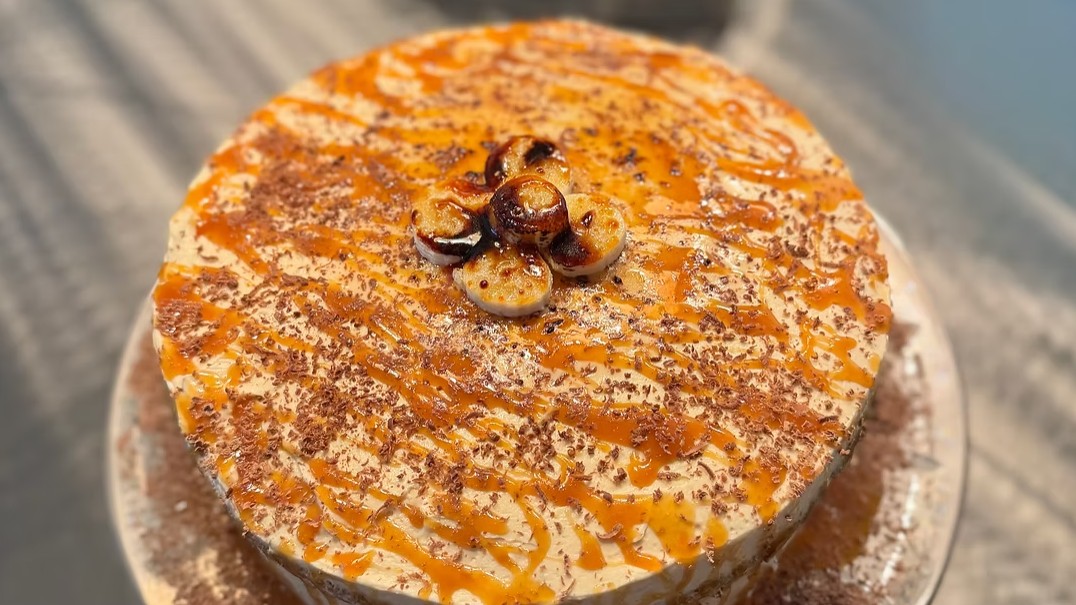
Make silky salted caramel frosting with butter, homemade caramel sauce, and cream for a fluffy topping that spreads and pipes beautifully.
Rich, creamy, and perfectly balanced between sweet and salty, this Silky Salted Caramel Frosting Recipe is an irresistible finishing touch for cakes, cupcakes, brownies, cookies, and other homemade desserts. A blend of salted and unsalted butter gives the frosting a flavorful foundation, while cooled homemade caramel sauce adds deep caramel character without overwhelming the smooth buttercream texture.
This frosting is easy to prepare in just 15 minutes, yet it looks and tastes special enough for birthdays, holidays, showers, and other celebrations. Whipping the softened butter first creates a light base, and adding the sifted powdered sugar gradually helps keep the finished frosting smooth. Heavy whipping cream provides the final bit of softness, making the frosting easy to spread across a layer cake or pipe into generous swirls.
The key to success is using caramel sauce that has cooled completely. Warm caramel can soften or melt the butter and make the frosting difficult to control. Once everything is properly combined, the buttercream is silky, fluffy, and adaptable. Use it immediately for soft spreading, chill it briefly for more detailed piping, or store it in the refrigerator and rewhip it before decorating.
Prep Time: 15 minutes
Cook Time: 0 minutes
Total Time: 15 minutes
Yield: Enough to frost one 9-inch layer cake, 24 cupcakes, or one 9 x 13-inch cake
Ingredients
2 sticks unsalted butter, softened
1 stick salted butter, softened
3 cups powdered sugar, sifted
1 teaspoon pure vanilla extract
1/2 cup homemade caramel sauce, completely cooled
4 tablespoons heavy whipping cream, plus more as needed for the desired consistency
Directions
Step 1: Whip the Butter
Place the softened unsalted butter and salted butter in the bowl of a stand mixer fitted with the paddle attachment. If using a hand mixer, place the butter in a large mixing bowl with enough room to add the powdered sugar gradually. Beat on medium-high speed for 3 to 5 minutes, stopping to scrape down the sides and bottom of the bowl as needed. Continue beating until the butter looks pale, light, creamy, and fluffy.
Step 2: Add the Powdered Sugar
Reduce the mixer speed to low. Gradually add the sifted powdered sugar about 1/2 cup at a time, mixing after each addition until it is mostly incorporated. Keeping the mixer on low while adding the sugar helps prevent it from flying out of the bowl. Scrape down the bowl periodically so no streaks of butter or pockets of sugar remain. Once all the powdered sugar has been added, increase the speed to medium and beat until the mixture is evenly combined and smooth.
Step 3: Mix in the Caramel and Vanilla
Make sure the homemade caramel sauce is completely cool before continuing. Add the cooled caramel sauce and pure vanilla extract to the butter mixture. Beat on medium speed until both are fully incorporated and the frosting develops an even caramel color. Stop the mixer and scrape the sides and bottom of the bowl, then mix again briefly to ensure the caramel is distributed throughout the frosting.
Step 4: Adjust the Consistency
With the mixer running on low, add the heavy whipping cream 1 tablespoon at a time. Allow each addition to blend into the frosting before adding the next. Continue mixing until the buttercream reaches the consistency needed for spreading or piping. If a softer frosting is desired, add a little more heavy cream, preferably 1 teaspoon at a time, so the frosting does not become too loose.
Step 5: Whip Until Light and Fluffy
Increase the mixer speed to medium-high and whip the frosting for another 2 to 3 minutes. This final whipping aerates the buttercream and gives it a silky, fluffy texture. The finished frosting should hold its shape while remaining soft enough to spread smoothly. Scrape the bowl once more and mix briefly if any denser frosting remains around the bottom or sides.
Step 6: Chill if Needed
Use the frosting immediately for cakes, cupcakes, brownies, or cookies, or refrigerate it for 10 to 15 minutes if it feels too soft for detailed piping. This brief chilling period can be especially helpful in a warm kitchen. Check the texture frequently because the high butter content will cause the frosting to firm as it cools. If it becomes too firm, let it soften slightly at room temperature before decorating.
Step 7: Frost and Serve
Spread the frosting over a completely cooled cake or transfer it to a piping bag fitted with the desired decorating tip. For the neatest finish, make sure baked goods are cool before frosting them because residual warmth can melt the buttercream. Serve the decorated dessert once the frosting has reached the preferred texture, or refrigerate it according to the storage needs of the cake or filling beneath it.
Notes
Allow the homemade caramel sauce to cool completely before adding it to the butter mixture. Warm caramel can melt the softened butter and produce a thin or greasy frosting.
Sift the powdered sugar before mixing to remove lumps and help create the smoothest possible buttercream.
For reliable results, soften the butter at room temperature until it gives slightly when pressed but does not look shiny or melted. Butter that is overly warm can make the frosting too soft.
If the frosting is too thick, add heavy whipping cream 1 teaspoon at a time until it reaches the desired consistency. Small additions provide better control than pouring in a large amount at once.
If the frosting becomes too soft, refrigerate it for 10 to 15 minutes, then check the consistency before using it. Avoid extended chilling unless necessary because the buttercream may become too firm to spread or pipe.
The saltiness will vary depending on the salted butter and homemade caramel sauce used. Taste the finished frosting before adding any extra salt. If the caramel is already generously salted, no additional salt may be needed.
This recipe works for both spreading and piping. Use it at a softer consistency for covering cakes and brownies. For defined borders, rosettes, or tall cupcake swirls, chill it briefly so it holds the decorative shape more securely.
For a cleaner layer cake finish, apply a thin crumb coat first and chill the cake until the coating is firm. Add the remaining frosting in an even layer, smoothing it with an offset spatula or cake scraper.
Store leftover frosting in an airtight container in the refrigerator for up to 5 days. Before using it, allow it to come to room temperature, then whip it again until it returns to a light, smooth consistency.
Salted caramel frosting pairs especially well with chocolate cake, vanilla cake, spice cake, apple cake, banana cake, brownies, and cupcakes. It can also be used as a filling for sandwich cookies or between cake layers.
This frosting can be suitable for a gluten-free dessert when the caramel sauce, vanilla extract, powdered sugar, and all other packaged ingredients are appropriately labeled gluten-free. Prevent cross-contact during preparation when serving anyone with celiac disease or gluten sensitivity.