
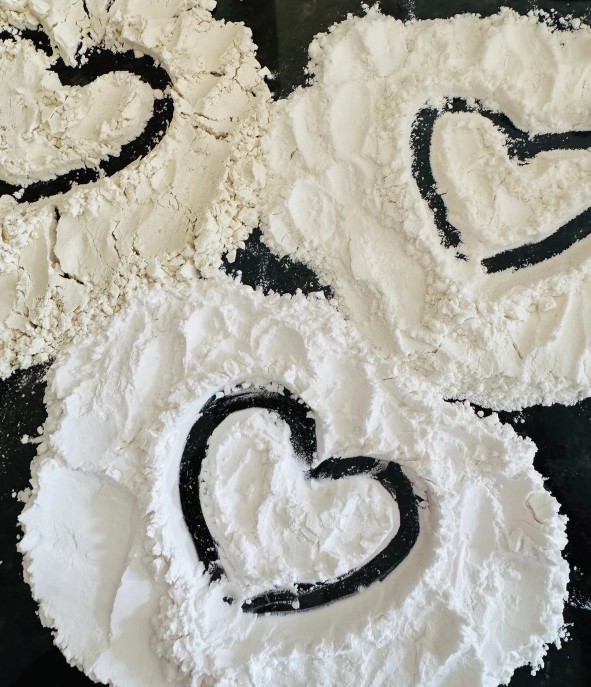

Top Alternatives for Gluten-Free Baking: Tapioca Flour Substitute
Discover the best tapioca flour substitute for gluten-free baking. Learn which alternatives work best for breads, cakes, cookies, pie fillings, and sauces with easy conversion ratios and expert baking tips. Tapioca flour is one of the secret ingredients behind many successful gluten-free recipes. It adds softness to bread, chewiness to cookies, tenderness to cakes, and helps hold gluten-free dough together. It also thickens sauces, gravies, and pie fillings without affecting their flavor, making it one of the most versatile pantry staples for gluten-free cooking. Even so, there are times when you may find yourself without it. Maybe you ran out halfway through baking, your local grocery store did not have it in stock, or you simply want to try another ingredient that offers a slightly different texture. Fortunately, there are several excellent substitutes that can produce delicious results. The key is choosing the right replacement for your recipe. Some substitutes are better for fluffy cakes, while others shine in chewy bread or silky sauces. This guide covers the best tapioca flour substitutes for gluten-free baking, along with simple conversion ratios to help you bake with confidence. What Is Tapioca Flour? Tapioca flour, also sold as tapioca starch in most grocery stores, is made from the starchy root of the cassava plant. Although the names are different, they typically refer to the same ingredient in the United States. Gluten-free bakers rely on tapioca flour because it improves texture in ways that many other starches cannot. It helps create soft, flexible dough, prevents baked goods from becoming dry or crumbly, and gives breads and pizza crusts their signature chewy bite. Its neutral flavor also makes it ideal for both sweet and savory recipes. Why Replace Tapioca Flour? There are many reasons to look for an alternative. You may simply run out while baking, or perhaps you are creating your own gluten-free flour blend and want to experiment with different starches. Some bakers even prefer certain substitutes because they create a lighter cake, a softer cookie, or a firmer loaf of bread. No matter the reason, understanding how each substitute performs will help you achieve the best results. 1. Potato Starch If you are searching for the closest replacement, potato starch is often the best choice. It creates soft, moist baked goods while providing many of the same qualities as tapioca flour. Best For Gluten-free bread Dinner rolls Muffins Cookies Cakes Quick breads Conversion Ratio Replace 1 cup of tapioca flour with 1 cup of potato starch. Potato starch produces a tender crumb and works well in nearly every gluten-free baking recipe. 2. Arrowroot Starch Arrowroot starch is another excellent substitute because it has a mild flavor and creates a silky texture. It is especially popular in fruit desserts and delicate baked goods. Best For Fruit pie fillings Cookies Cakes Sauces Gravies Custards Conversion Ratio Replace 1 cup of tapioca flour with 1 cup of arrowroot starch. Arrowroot also freezes well, making it a great choice for make-ahead desserts. 3. Cornstarch Cornstarch is probably already sitting in your pantry, making it one of the easiest substitutes to use. While it does not provide quite as much elasticity as tapioca flour, it works beautifully in many recipes. Best For Cookies Cakes Puddings Custards Soups Sauces Conversion Ratio Replace 1 cup of tapioca flour with 1 cup of cornstarch. Expect slightly less chewiness in bread recipes, but excellent results in desserts. 4. Sweet Rice Flour Sweet rice flour, despite its name, is naturally gluten-free. It creates soft, chewy baked goods and helps improve structure in gluten-free dough. Best For Pizza crust Bread Cookies Pancakes Asian-inspired desserts Conversion Ratio Replace 1 cup of tapioca flour with 1¼ cups of sweet rice flour. Because it absorbs moisture differently, you may need to add a little extra liquid to your recipe. 5. Cassava Flour Cassava flour comes from the same root as tapioca flour but is made using the whole root instead of only the extracted starch. This gives it more fiber and slightly more structure. Best For Brownies Flatbreads Cookies Pancakes Quick breads Conversion Ratio Replace 1 cup of tapioca flour with ¾ to 1 cup of cassava flour. Cassava flour works especially well when you want baked goods with a little more body. 6. Potato Flour Although potato flour and potato starch sound similar, they are quite different. Potato flour is made from whole dehydrated potatoes and absorbs much more moisture. Best For Yeast breads Dinner rolls Savory baked goods Conversion Ratio Replace 1 cup of tapioca flour with ¾ cup of potato flour. You may need to increase the liquid slightly when using potato flour. 7. Gluten-Free All-Purpose Flour If your recipe only calls for a small amount of tapioca flour, a gluten-free all-purpose flour blend can often be used successfully. Best For Cookies Muffins Quick breads Pancakes Conversion Ratio Replace 1 cup of tapioca flour with 1 cup of gluten-free all-purpose flour blend. While the texture may be a bit denser, this is a convenient option when you need a quick substitute. Quick Tapioca Flour Substitute Chart Substitute Conversion Ratio Best Used For Potato starch 1:1 Bread, cakes, cookies Arrowroot starch 1:1 Sauces, pies, cakes Cornstarch 1:1 Cookies, puddings, sauces Sweet rice flour 1¼:1 Bread, pizza, cookies Cassava flour ¾ to 1:1 Brownies, pancakes, breads Potato flour ¾:1 Yeast breads Gluten-free flour blend 1:1 Muffins, cookies, quick breads Which Substitute Is Best? The best substitute depends on what you are making. For soft sandwich bread and fluffy dinner rolls, potato starch is usually the closest match. Arrowroot starch is ideal for fruit fillings and sauces because it creates a beautiful glossy finish. Cornstarch works wonderfully in cakes and cookies, while sweet rice flour adds chewiness to pizza dough and bread. Cassava flour provides extra structure, making it a favorite for rustic baked goods. Many experienced gluten-free bakers even combine two starches together to create an even better texture. For example, using half potato starch and half arrowroot starch often mimics tapioca flour remarkably