The Best Light Corn Syrup Substitutes and Their Ratios
Looking for the best light corn syrup substitute? Discover the top replacements for light corn syrup, including honey, maple syrup, agave nectar, golden syrup, and more. Learn the correct substitution ratios and find the best option for baking, candy making, and cooking.
Light corn syrup is a common ingredient in baking, candy making, frostings, pies, sauces, and homemade desserts. It provides sweetness while also helping prevent sugar crystallization, creating smooth textures and glossy finishes. However, many home cooks look for a substitute because they have run out, want a less processed ingredient, or simply prefer an alternative sweetener.
Fortunately, there are several excellent light corn syrup substitutes that can deliver similar results. While each option has its own flavor and consistency, choosing the right replacement is easy once you understand how each performs in different recipes.
This guide explains the best substitutes for light corn syrup, when to use them, and the proper substitution ratios to help your recipes turn out perfectly every time.
What Is Light Corn Syrup?
Light corn syrup is made from cornstarch and has a mild vanilla flavor. Unlike high-fructose corn syrup, light corn syrup is primarily used as a cooking ingredient rather than a commercial sweetener.
It serves several important purposes in recipes.
It adds sweetness without overpowering other flavors.
It prevents sugar from crystallizing.
It keeps baked goods moist.
It creates smooth caramel, candy, and frosting.
It provides a glossy appearance in glazes and sauces.
Because it performs several functions at once, choosing the best substitute depends on what you are making.
Honey
Honey is one of the most popular alternatives to light corn syrup. It has a similar consistency and works well in cookies, cakes, muffins, marinades, and sauces.
Since honey has a stronger flavor than corn syrup, it may slightly alter the taste of delicate desserts.
Substitution Ratio
1 cup light corn syrup = 1 cup honey
Honey works best in baked goods where its floral sweetness complements the other ingredients.
Maple Syrup
Pure maple syrup offers a rich, natural sweetness that makes it an excellent replacement in pancakes, quick breads, muffins, oatmeal cookies, and breakfast-inspired desserts.
Its distinctive flavor can become noticeable in recipes with subtle flavors, so it is not always ideal for candy making.
Substitution Ratio
1 cup light corn syrup = 1 cup maple syrup
For best results, use pure maple syrup rather than pancake syrup.
Agave Nectar
Agave nectar has a mild taste and a consistency similar to light corn syrup, making it one of the closest natural substitutes.
It blends easily into frostings, beverages, baked goods, and sauces.
Because agave is sweeter than corn syrup, many bakers slightly reduce the amount.
Substitution Ratio
1 cup light corn syrup = ¾ cup agave nectar
This substitution maintains sweetness while preventing desserts from becoming overly sweet.
Golden Syrup
Golden syrup is a favorite among experienced bakers because it closely resembles light corn syrup in both texture and performance.
It is especially useful in pies, caramel, candy, cookies, and dessert bars.
Substitution Ratio
1 cup light corn syrup = 1 cup golden syrup
Golden syrup is often considered one of the best substitutes when making candy or recipes that require smooth consistency.
Brown Rice Syrup
Brown rice syrup has a thick consistency and mild nutty flavor. It is less sweet than light corn syrup, making it a good choice for people who prefer desserts that are not overly sweet.
It works well in granola bars, cookies, energy bites, and homemade snack bars.
Substitution Ratio
1 cup light corn syrup = 1¼ cups brown rice syrup
Since it is less sweet, slightly increasing the amount helps achieve similar results.
Simple Syrup
Simple syrup is made by dissolving equal parts sugar and water. Although it does not prevent crystallization quite as effectively as corn syrup, it works well in beverages, glazes, cocktails, and some dessert sauces.
Substitution Ratio
1 cup light corn syrup = 1 cup simple syrup
Simple syrup is best for recipes where texture is less critical.
Homemade Sugar Syrup
If you have granulated sugar and water on hand, you can easily create a homemade substitute.
Combine:
1¼ cups granulated sugar
¼ cup water
Heat gently until the sugar dissolves completely. Allow the mixture to cool before using.
Substitution Ratio
Use the finished syrup as a 1:1 replacement for light corn syrup.
This option is inexpensive and uses ingredients most kitchens already have.
Molasses
Molasses can replace light corn syrup in certain recipes, but its bold flavor makes it best suited for gingerbread, spice cookies, baked beans, barbecue sauces, and dark baked goods.
Avoid using molasses in light-colored desserts where its flavor may become overpowering.
Substitution Ratio
1 cup light corn syrup = 1 cup molasses
Coconut Nectar
Coconut nectar has a pleasant caramel flavor and works well in muffins, cookies, cakes, and homemade sauces.
Its rich taste adds depth without overwhelming most recipes.
Substitution Ratio
1 cup light corn syrup = 1 cup coconut nectar
Which Substitute Works Best?
The best substitute depends on the recipe you are preparing.
For candy making and caramel, golden syrup is the closest match.
For everyday baking, honey and agave nectar perform exceptionally well.
For healthier options, maple syrup, coconut nectar, and brown rice syrup are excellent natural alternatives.
For quick kitchen fixes, homemade sugar syrup is inexpensive and surprisingly effective.
Understanding the purpose of the corn syrup in your recipe will help you choose the substitute that delivers the best texture, sweetness, and appearance.
Tips for Successful Substitutions
When replacing light corn syrup, remember that different sweeteners have different flavor profiles.
Natural sweeteners often introduce subtle flavors that can enhance baked goods.
Some substitutes are sweeter than corn syrup, so reducing the amount slightly may produce better balance.
Thicker syrups generally work better for frostings, candy, and caramel.
Thinner syrups are better suited for beverages, glazes, and sauces.
Always consider both sweetness and consistency before making a substitution.
Frequently Asked Questions
Can I substitute honey for light corn syrup?
Yes. Honey can replace light corn syrup using a 1:1 ratio in most baking recipes.
What is the closest substitute for light corn syrup?
Golden syrup is considered the closest substitute because it has a similar texture, sweetness, and ability to prevent crystallization.
Is maple syrup a good substitute?
Yes. Maple syrup works well in baked goods, although it adds a distinctive maple flavor.
Can I make light corn syrup at home?
You can make a homemade sugar syrup using granulated sugar and water that works well in many recipes, although it is not an exact replacement for preventing crystallization.
Which substitute is best for candy making?
Golden syrup provides the closest performance, followed by homemade sugar syrup when necessary.
Choosing the Right Light Corn Syrup Substitute
Finding a substitute for light corn syrup is easier than many people realize. Whether you choose honey, maple syrup, golden syrup, agave nectar, or a homemade sugar syrup, each option offers unique advantages depending on your recipe.
Understanding the correct substitution ratios helps ensure your baked goods, candies, sauces, and desserts maintain the sweetness, texture, and consistency you expect. With these easy alternatives in your pantry, you can confidently prepare delicious recipes even when light corn syrup is unavailable.
Here is to fresh flavors, beautiful gardens, and all the little moments that make cooking and growing so rewarding.
Sending joy and happiness from my garden and kitchen to yours,
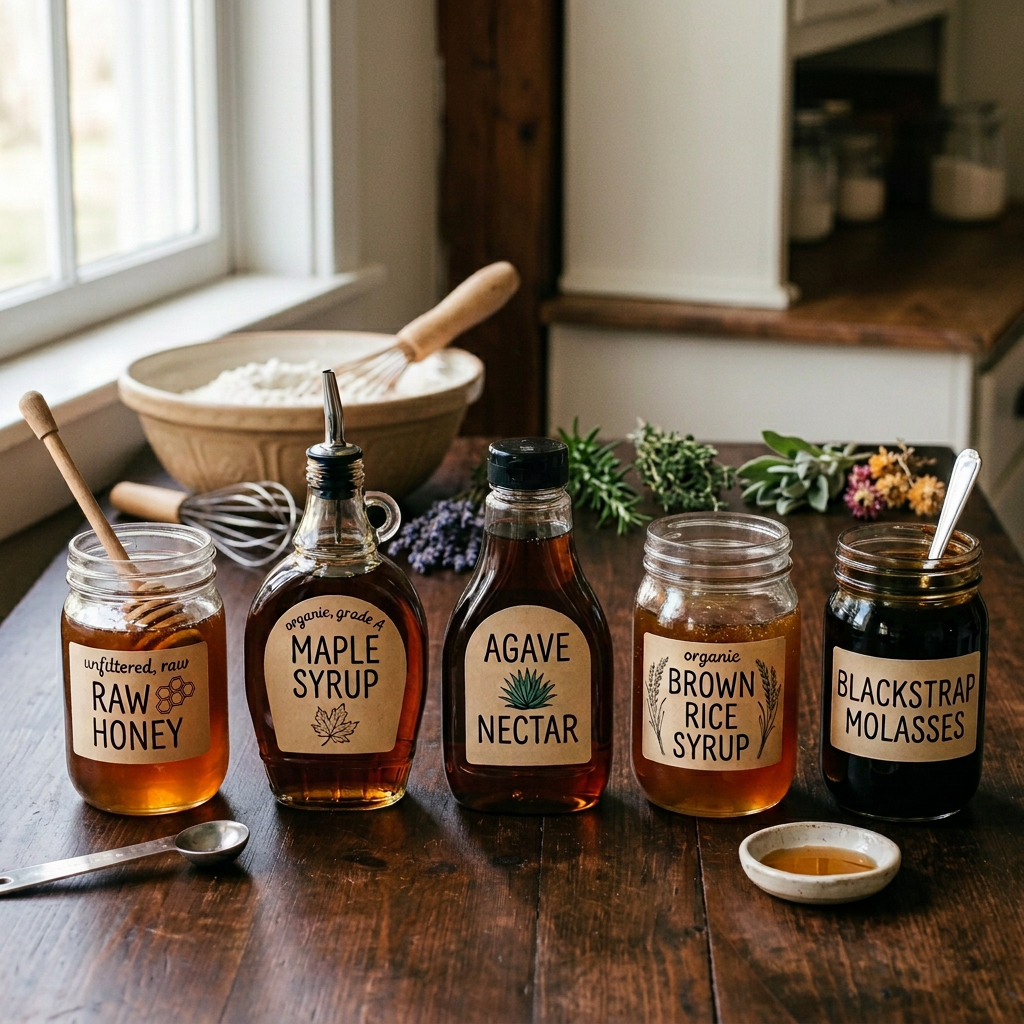
Five natural sweeteners offer flavorful alternatives to corn syrup in a warm kitchen setting.
Almond flour is a versatile gluten-free ingredient that adds moisture and a nutty flavor to baked goods. However, tree nut allergies, cost, availability, and the desire for experimentation can make it a challenging substitute. Coconut flour, a popular alternative, is high in fiber and absorbs liquid well, making it a great option for those needing a gluten-free flour.
Learn the best arrowroot substitutes with easy conversion ratios for gluten-free cooking and baking. Discover when to use cornstarch, tapioca starch, potato starch, rice flour, xanthan gum, guar gum, and gluten-free flour for perfect results every time. If you enjoy gluten-free cooking and baking, arrowroot is likely one of the pantry staples you reach for often. This versatile starch is prized for its ability to thicken sauces, gravies, soups, and fruit fillings while creating a smooth, glossy finish. It is also naturally gluten-free, grain-free, and flavorless, making it an excellent ingredient for countless recipes. Even so, there may be times when your pantry is empty or you simply want to use an ingredient you already have on hand. Fortunately, several common kitchen staples can replace arrowroot with excellent results. The key is knowing which substitute works best for your recipe and using the proper conversion ratio. Whether you are preparing a homemade pie filling, thickening a savory sauce, or baking gluten-free treats, this guide will help you choose the perfect arrowroot substitute with confidence. What Is Arrowroot? Arrowroot is a fine white starch extracted from the rhizomes of tropical plants. Because it has a neutral flavor, it thickens recipes without changing their taste. Unlike some starches, arrowroot produces a crystal-clear, glossy finish instead of a cloudy appearance, making it especially popular for fruit sauces, glazes, and pie fillings. It also thickens at lower temperatures than many other starches, making it a dependable choice for delicate recipes. Since it is naturally gluten-free, arrowroot is commonly used in gluten-free, grain-free, and paleo cooking. Why You May Need an Arrowroot Substitute There are several reasons you might be searching for an alternative to arrowroot powder. Perhaps you ran out while preparing dinner. Maybe your grocery store was sold out, or you already have another thickening agent in your pantry. Some substitutes are also better suited for certain recipes, depending on the texture and consistency you are trying to achieve. Fortunately, there are several excellent replacements that can provide nearly identical results when used correctly. The Best Arrowroot Substitutes with Conversion Ratios Cornstarch Cornstarch is one of the most common substitutes for arrowroot. It thickens quickly and creates smooth sauces, gravies, and puddings. Conversion Ratio 1 tablespoon arrowroot = 1 tablespoon cornstarch Although cornstarch is an excellent replacement, it creates a slightly cloudy appearance instead of the clear finish that arrowroot produces. Best for: Cream sauces Gravy Custards Puddings Pie fillings Tapioca Starch Tapioca starch, sometimes labeled tapioca flour, is one of the closest substitutes for arrowroot. It produces a glossy finish and works exceptionally well in gluten-free baking. Conversion Ratio 1 tablespoon arrowroot = 2 tablespoons tapioca starch Tapioca starch creates slightly more elasticity than arrowroot, making it an excellent choice for fruit desserts and baked goods. Best for: Fruit pies Pie fillings Fruit sauces Gluten-free baking Dessert toppings Potato Starch Potato starch provides a silky texture and thickens quickly, making it another excellent alternative. Conversion Ratio 1 tablespoon arrowroot = 1 tablespoon potato starch Potato starch performs best when added near the end of cooking because prolonged boiling can reduce its thickening ability. Best for: Cream soups Gravy Sauces Stews White Rice Flour White rice flour can also replace arrowroot in many recipes, although it requires a larger quantity to achieve similar results. Conversion Ratio 1 tablespoon arrowroot = 2 tablespoons white rice flour Rice flour creates a slightly thicker and more opaque consistency than arrowroot but works well in hearty recipes. Best for: Cream soups Casseroles Sauces Gluten-free baking Xanthan Gum Xanthan gum is not a starch, but it is an excellent thickener and binder that is widely used in gluten-free baking. Because it is highly concentrated, only a small amount is needed. Conversion Ratio 1 tablespoon arrowroot = ¼ teaspoon xanthan gum Adding too much xanthan gum can result in a gummy texture, so accurate measuring is essential. Best for: Gluten-free breads Cookies Salad dressings Sauces Guar Gum Guar gum is another concentrated thickening agent that performs well in both hot and cold recipes. Conversion Ratio 1 tablespoon arrowroot = ¼ teaspoon guar gum Like xanthan gum, only a small amount is needed to produce excellent thickening. Best for: Ice cream Smoothies Cold sauces Salad dressings Gluten-free baking Gluten-Free All-Purpose Flour If you do not have starches available, a gluten-free all-purpose flour blend can also serve as a substitute. Conversion Ratio 1 tablespoon arrowroot = 2 tablespoons gluten-free all-purpose flour While flour thickens effectively, it creates a heavier texture and is best suited for hearty dishes. Best for: Cream soups Gravy Casseroles Roux-based sauces Which Arrowroot Substitute Is Best? Each substitute has its own strengths, making some better suited for specific recipes than others. For fruit pies and glossy fillings, tapioca starch is often the closest match to arrowroot. For creamy gravies and sauces, cornstarch and potato starch deliver dependable results. For gluten-free baking, tapioca starch, xanthan gum, and guar gum provide excellent structure while helping improve texture. For soups and casseroles, rice flour and gluten-free flour blends create a rich, satisfying consistency. Understanding how each substitute performs makes it much easier to choose the right ingredient for every recipe. Helpful Tips for Replacing Arrowroot Always mix starches with cold water before adding them to hot liquids. This creates a smooth slurry that helps prevent lumps. Avoid prolonged boiling when using potato starch or arrowroot because excessive heat can reduce their thickening ability. Measure xanthan gum and guar gum carefully since they are far more concentrated than traditional starches. For fruit pies and desserts, tapioca starch often creates the smoothest and most stable filling. If you are freezing sauces or pie fillings, arrowroot and tapioca starch generally maintain their texture better after thawing than cornstarch. Quick Arrowroot Substitute Conversion Chart Arrowroot to Cornstarch 1 tablespoon arrowroot = 1 tablespoon cornstarch Arrowroot to Tapioca Starch 1 tablespoon arrowroot = 2 tablespoons tapioca starch Arrowroot to Potato Starch 1 tablespoon arrowroot = 1 tablespoon potato starch Arrowroot to White Rice Flour
Discover the best tapioca flour substitute for gluten-free baking. Learn which alternatives work best for breads, cakes, cookies, pie fillings, and sauces with easy conversion ratios and expert baking tips. Tapioca flour is one of the secret ingredients behind many successful gluten-free recipes. It adds softness to bread, chewiness to cookies, tenderness to cakes, and helps hold gluten-free dough together. It also thickens sauces, gravies, and pie fillings without affecting their flavor, making it one of the most versatile pantry staples for gluten-free cooking. Even so, there are times when you may find yourself without it. Maybe you ran out halfway through baking, your local grocery store did not have it in stock, or you simply want to try another ingredient that offers a slightly different texture. Fortunately, there are several excellent substitutes that can produce delicious results. The key is choosing the right replacement for your recipe. Some substitutes are better for fluffy cakes, while others shine in chewy bread or silky sauces. This guide covers the best tapioca flour substitutes for gluten-free baking, along with simple conversion ratios to help you bake with confidence. What Is Tapioca Flour? Tapioca flour, also sold as tapioca starch in most grocery stores, is made from the starchy root of the cassava plant. Although the names are different, they typically refer to the same ingredient in the United States. Gluten-free bakers rely on tapioca flour because it improves texture in ways that many other starches cannot. It helps create soft, flexible dough, prevents baked goods from becoming dry or crumbly, and gives breads and pizza crusts their signature chewy bite. Its neutral flavor also makes it ideal for both sweet and savory recipes. Why Replace Tapioca Flour? There are many reasons to look for an alternative. You may simply run out while baking, or perhaps you are creating your own gluten-free flour blend and want to experiment with different starches. Some bakers even prefer certain substitutes because they create a lighter cake, a softer cookie, or a firmer loaf of bread. No matter the reason, understanding how each substitute performs will help you achieve the best results. 1. Potato Starch If you are searching for the closest replacement, potato starch is often the best choice. It creates soft, moist baked goods while providing many of the same qualities as tapioca flour. Best For Gluten-free bread Dinner rolls Muffins Cookies Cakes Quick breads Conversion Ratio Replace 1 cup of tapioca flour with 1 cup of potato starch. Potato starch produces a tender crumb and works well in nearly every gluten-free baking recipe. 2. Arrowroot Starch Arrowroot starch is another excellent substitute because it has a mild flavor and creates a silky texture. It is especially popular in fruit desserts and delicate baked goods. Best For Fruit pie fillings Cookies Cakes Sauces Gravies Custards Conversion Ratio Replace 1 cup of tapioca flour with 1 cup of arrowroot starch. Arrowroot also freezes well, making it a great choice for make-ahead desserts. 3. Cornstarch Cornstarch is probably already sitting in your pantry, making it one of the easiest substitutes to use. While it does not provide quite as much elasticity as tapioca flour, it works beautifully in many recipes. Best For Cookies Cakes Puddings Custards Soups Sauces Conversion Ratio Replace 1 cup of tapioca flour with 1 cup of cornstarch. Expect slightly less chewiness in bread recipes, but excellent results in desserts. 4. Sweet Rice Flour Sweet rice flour, despite its name, is naturally gluten-free. It creates soft, chewy baked goods and helps improve structure in gluten-free dough. Best For Pizza crust Bread Cookies Pancakes Asian-inspired desserts Conversion Ratio Replace 1 cup of tapioca flour with 1¼ cups of sweet rice flour. Because it absorbs moisture differently, you may need to add a little extra liquid to your recipe. 5. Cassava Flour Cassava flour comes from the same root as tapioca flour but is made using the whole root instead of only the extracted starch. This gives it more fiber and slightly more structure. Best For Brownies Flatbreads Cookies Pancakes Quick breads Conversion Ratio Replace 1 cup of tapioca flour with ¾ to 1 cup of cassava flour. Cassava flour works especially well when you want baked goods with a little more body. 6. Potato Flour Although potato flour and potato starch sound similar, they are quite different. Potato flour is made from whole dehydrated potatoes and absorbs much more moisture. Best For Yeast breads Dinner rolls Savory baked goods Conversion Ratio Replace 1 cup of tapioca flour with ¾ cup of potato flour. You may need to increase the liquid slightly when using potato flour. 7. Gluten-Free All-Purpose Flour If your recipe only calls for a small amount of tapioca flour, a gluten-free all-purpose flour blend can often be used successfully. Best For Cookies Muffins Quick breads Pancakes Conversion Ratio Replace 1 cup of tapioca flour with 1 cup of gluten-free all-purpose flour blend. While the texture may be a bit denser, this is a convenient option when you need a quick substitute. Quick Tapioca Flour Substitute Chart Substitute Conversion Ratio Best Used For Potato starch 1:1 Bread, cakes, cookies Arrowroot starch 1:1 Sauces, pies, cakes Cornstarch 1:1 Cookies, puddings, sauces Sweet rice flour 1¼:1 Bread, pizza, cookies Cassava flour ¾ to 1:1 Brownies, pancakes, breads Potato flour ¾:1 Yeast breads Gluten-free flour blend 1:1 Muffins, cookies, quick breads Which Substitute Is Best? The best substitute depends on what you are making. For soft sandwich bread and fluffy dinner rolls, potato starch is usually the closest match. Arrowroot starch is ideal for fruit fillings and sauces because it creates a beautiful glossy finish. Cornstarch works wonderfully in cakes and cookies, while sweet rice flour adds chewiness to pizza dough and bread. Cassava flour provides extra structure, making it a favorite for rustic baked goods. Many experienced gluten-free bakers even combine two starches together to create an even better texture. For example, using half potato starch and half arrowroot starch often mimics tapioca flour remarkably