Variegated Thyme Growing Guide: Add Beauty, Fragrance, and Flavor to Your Garden
Learn how to grow variegated thyme with guidance on sunlight, soil, watering, pruning, harvesting, containers, propagation, and garden design.
Variegated thyme brings color, fragrance, texture, and culinary versatility to the garden. Its tiny green leaves are edged or splashed with shades of cream, silver, white, or gold, creating a bright contrast against darker foliage. When brushed or gently crushed, the leaves release the familiar herbal scent of thyme, sometimes with hints of lemon depending on the variety.
This compact herb works beautifully along sunny borders, beside pathways, in rock gardens, between ornamental plants, and in patio containers. Many varieties retain their foliage throughout much or all of the year in suitable climates, providing interest even when other garden plants are dormant. Small flowers appearing in late spring or summer can also supply nectar and pollen for bees and other beneficial insects.
Despite its delicate appearance, variegated thyme is generally a resilient, low-maintenance plant when given abundant sunlight and excellent drainage. Understanding its specific variety, growth habit, and regional hardiness will help you choose the right planting location and enjoy healthy growth for years.
What Is Variegated Thyme?
Variegated thyme refers to thyme varieties with leaves displaying more than one color. Rather than having solid green foliage, these plants may feature creamy margins, silvery edges, golden patches, or irregular color patterns.
Different variegated cultivars can vary in fragrance, flavor, size, growth habit, and cold tolerance. Some grow as small, upright mounds, while others spread close to the ground. Lemon-scented selections contribute a fresh citrus fragrance, while other varieties have the earthy, peppery character associated with traditional culinary thyme.
Popular examples include ‘Silver Posie,’ ‘Doone Valley,’ ‘Golden Lemon,’ and ‘Lemon Variegated.’ Plant names and classifications may vary among nurseries, so read the plant label carefully to understand the cultivar’s mature size, hardiness, and recommended uses.
Why Grow Variegated Thyme?
Variegated thyme is both ornamental and useful. Its multicolored foliage adds definition to garden edges and helps brighten gravel gardens, patios, and mixed herb beds. The leaves provide visual interest on a small scale, making the plant particularly appealing beside stones, pavers, terracotta pots, and plants with deep green or purple foliage.
The fragrance is another important benefit. Planting thyme near a walkway, seating area, or raised bed allows its aromatic foliage to be appreciated whenever the plant is touched. Its flowers can support visiting pollinators, while its leaves may provide fresh flavor for cooking when the selected cultivar is sold as a culinary herb.
Choosing the Right Variety
Begin by deciding whether appearance, culinary flavor, ground coverage, or container performance is your priority. A compact, upright variety is usually easier to harvest, while a low-growing selection can soften the edge of a pathway or spill gracefully over a container.
Leaf color also influences garden design. Silver and cream varieties pair beautifully with lavender, sage, ornamental grasses, and pale stone. Golden varieties bring warmth to borders and create an attractive contrast with purple basil, dark-leaved ornamentals, or blue-green foliage.
If you want to cook with the plant, purchase it from a reputable nursery and confirm that the specific variety is intended for culinary use. Avoid harvesting plants treated with products that are not approved for edible crops.
The Best Location for Variegated Thyme
Variegated thyme performs best in a warm location with full sun. Aim for at least six hours of direct sunlight each day whenever possible. Strong light encourages dense growth, supports the foliage coloration, and helps keep the soil from remaining wet for extended periods.
A sheltered location can be helpful in areas with cold winds, heavy winter rain, or high humidity. Good air circulation is still important, so avoid crowding thyme beneath vigorous neighboring plants.
Variegated thyme is especially well suited to rock gardens, gravel beds, raised beds, sunny slopes, and containers. These settings often provide the fast drainage that Mediterranean herbs prefer.
Soil and Drainage Requirements
Drainage is one of the most important factors in growing healthy thyme. The plant generally prefers light, lean soil that does not remain soggy after rain or watering. Sandy, gravelly, or loamy soil can work well when excess water drains away quickly.
Heavy clay or persistently damp soil can lead to root and stem deterioration, particularly during winter. Instead of trying to grow thyme in a waterlogged location, plant it in a raised bed or container where moisture is easier to manage.
Thyme usually grows well in neutral to alkaline conditions, although exact preferences can vary. If you are uncertain about your garden soil, a soil test can help identify its pH and drainage characteristics.
Avoid enriching the planting area with excessive fertilizer or large amounts of moisture-retentive organic matter. Very fertile conditions can encourage weak, floppy growth and may reduce the plant’s compact appearance.
How to Plant Variegated Thyme
Spring through early summer is an excellent time to plant thyme in many climates because the roots have time to become established before winter. In warmer regions, fall planting may also be suitable if the plant will not face prolonged cold or saturated soil shortly afterward.
Dig a hole approximately as deep as the plant’s root ball and slightly wider. Place the thyme at the same depth it was growing in its nursery pot. Planting the crown too deeply can trap moisture around the stems and encourage decay.
Allow enough room for the cultivar’s mature spread. A compact variety may remain relatively small, while a creeping selection can form a wider mat. Check the plant label for cultivar-specific spacing guidance.
Water thoroughly after planting to settle the soil around the roots. Continue monitoring moisture while the plant becomes established, but do not keep the soil continually wet.
Growing Variegated Thyme in Containers
Containers provide excellent drainage and make it easier to position variegated thyme where its fragrance and colorful leaves can be enjoyed. Choose a pot with unobstructed drainage holes and use a loose potting mix formulated for herbs, Mediterranean plants, or other plants that require free-draining conditions.
A container should be large enough to support the plant’s mature root system without holding an unnecessary volume of wet soil. Terracotta can be a good choice because it allows moisture to evaporate through the pot’s porous sides, although it may require more frequent watering during hot weather.
Keep containers in a sunny location and check them regularly during warm, dry periods. Potted thyme generally dries faster than thyme growing in the ground. During wet winters, move the container to a sheltered position where the plant receives light without being exposed to constant rain.
Watering Variegated Thyme
Newly planted thyme needs consistent attention until its roots become established. Water when the upper portion of the soil begins to dry, then allow excess moisture to drain completely.
Established thyme is relatively drought tolerant. It usually prefers a thorough but occasional watering over frequent light watering. The exact schedule will depend on temperature, rainfall, soil, container size, and exposure.
Yellowing leaves, soft stems, or a declining center may indicate excessive moisture or inadequate drainage. Dry, crisp foliage can indicate that a container-grown plant has remained dry for too long. Check the soil before watering instead of relying on a fixed calendar.
Fertilizing Without Encouraging Weak Growth
Variegated thyme generally needs little fertilizer. Plants growing in ordinary garden soil may not need supplemental feeding at all. Excessive nitrogen can produce soft growth that is less compact and potentially less fragrant.
Container-grown plants may benefit from occasional light feeding during active growth because nutrients gradually wash out of the potting mix. Use a product approved for edible herbs if you intend to harvest the leaves, and follow the label rather than applying extra fertilizer.
Pruning and Maintaining a Compact Shape
Regular harvesting and light pruning encourage branching and help keep variegated thyme dense. Trim the plant lightly in spring or after flowering, depending on the cultivar and climate.
Avoid cutting deeply into old, leafless woody stems. Mature thyme may not reliably produce new growth from old wood. Gentle, frequent shaping is safer than one severe pruning.
Older plants can eventually become woody or develop an open center. When this happens, consider taking cuttings or layering healthy stems to produce replacement plants.
If solid green shoots appear on an otherwise variegated plant, remove them promptly. These reverted shoots may grow more vigorously and eventually overwhelm the colorful foliage.
Flowers and Pollinator Value
Variegated thyme can produce clusters of tiny pink, lavender, purple, or white flowers. These blooms add another layer of beauty and may attract bees and other small pollinating insects.
Allow at least some flowers to remain if supporting pollinators is a priority. After flowering, a light trim can remove spent blooms and help restore the plant’s tidy form.
Flowering time varies with the cultivar, weather, and growing region. A plant receiving insufficient sunlight may bloom less heavily than one growing in a warm, open location.
Harvesting Variegated Thyme
Snip tender shoots as needed, leaving enough healthy growth for the plant to recover. Regular light harvesting can encourage a fuller shape. New growth produced during spring and summer is often especially tender and flavorful, although evergreen plants may provide usable sprigs during other seasons.
Harvest on a dry day after surface moisture has evaporated. Rinse the sprigs only when necessary and dry them gently before using or storing them.
Fresh thyme can flavor vegetables, poultry, fish, soups, sauces, marinades, breads, and savory baked dishes. Lemon-scented varieties pair especially well with seafood, roasted vegetables, chicken, fruit, and herbal beverages.
Flavor varies among cultivars. Taste a small amount before adding a large quantity to a dish, and verify that the plant is identified and grown for culinary use.
Propagating Variegated Thyme
Named variegated cultivars are best propagated vegetatively if you want new plants with the same coloring and characteristics as the parent. Stem cuttings, layering, and division are common options.
For layering, bend a healthy low stem toward the soil and secure a leafy section against the surface while leaving the tip exposed. Once roots develop, the new plant can be separated from the parent.
Cuttings can be taken from healthy, nonflowering growth and rooted in a free-draining medium. Division may work for established spreading plants with several rooted sections.
Seeds collected from a named variegated cultivar may not produce plants that match the parent. Purchasing a labeled plant or using a vegetative method offers more predictable results.
Seasonal Care and Winter Protection
Cold tolerance varies among thyme species and cultivars. Check the nursery label for hardiness information appropriate to your growing region rather than assuming every variegated variety will survive the same winter conditions.
Winter moisture can be as damaging as low temperatures. Keep fallen leaves from collecting over the plant, and make sure rain or melting snow can drain away from the crown. A thin layer of gravel around the plant can help keep low foliage away from wet soil.
In areas where a particular cultivar is not reliably hardy, grow it in a container and move it to a protected, bright location during severe winter weather. Avoid keeping it in a warm, dim room where weak growth may develop.
Common Problems
Most problems arise when thyme receives too little sun, too much moisture, or insufficient air circulation. Root rot and stem decline are more likely in heavy, waterlogged soil. Moving the plant to a raised bed or container may be more effective than repeatedly treating symptoms.
Sparse or stretched growth can indicate inadequate sunlight. Woody growth is often associated with age or insufficient pruning. Regular light trimming and timely propagation can help maintain an attractive supply of younger plants.
Thyme is generally resistant to many serious pest and disease problems when grown in appropriate conditions, but it should still be inspected periodically. Discolored, distorted, or mottled foliage may require closer evaluation because environmental stress and insect feeding can produce similar symptoms.
Designing With Variegated Thyme
Variegated thyme is small enough to fit into spaces where larger herbs would look overwhelming. Use it along a sunny path, at the front of a border, beside steps, between stones, or near the edge of a raised bed. Spreading varieties can create a soft transition between hard surfaces and taller plants.
Its foliage pairs naturally with lavender, rosemary, sage, oregano, sedum, dianthus, and other plants that enjoy sunshine and well-drained soil. Matching plants by growing requirements reduces maintenance and makes overwatering less likely.
Avoid placing thyme beside plants that require consistently moist, rich soil. Even if the combination looks attractive initially, their conflicting water needs can make long-term care difficult.
A Colorful Herb for Every Sunny Garden
Variegated thyme offers far more than attractive foliage. It can bring year-round texture in suitable climates, release fragrance beside pathways, produce pollinator-friendly flowers, and provide flavorful leaves for the kitchen.
Success begins with choosing an appropriately labeled cultivar and providing abundant sunlight, free-draining soil, careful watering, and gentle pruning. With these basic needs met, variegated thyme can become one of the most versatile and appealing plants in an herb garden, container display, or sunny landscape.
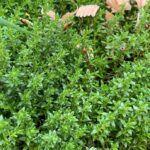
Variegated thyme creates a lush display of green and cream foliage in the herb garden.
Discover essential planting, sunlight, soil, watering, pruning, harvesting, and seasonal care tips in this complete Thyme Growing Guide for garden beds and containers. Thyme is a fragrant perennial herb that brings beauty, flavor, and versatility to the garden. Its tiny leaves deliver an earthy, savory taste that complements vegetables, poultry, fish, soups, sauces, breads, and many other dishes. When allowed to flower, thyme also produces delicate blossoms that attract bees and other beneficial pollinators. One of thyme’s greatest strengths is its ability to thrive with relatively little attention once established. This Mediterranean herb prefers abundant sunshine, excellent drainage, and lean soil. It generally needs less water and fertilizer than moisture-loving herbs, making it a practical choice for water-conscious gardens, raised beds, rock gardens, and containers. Although thyme is often described as easy to grow, it can struggle in wet, compacted soil. Choosing the right planting location and avoiding excessive watering are the most important steps for maintaining healthy, flavorful plants. With suitable conditions and occasional pruning, thyme can provide fresh harvests throughout the growing season and return for several years in many climates. Understanding the Thyme Plant Thyme belongs to the mint family and includes hundreds of species and cultivars with different growth habits, fragrances, flavors, flower colors, and levels of cold tolerance. Some plants form upright, shrubby mounds, while others spread close to the ground. Common thyme, botanically known as Thymus vulgaris, is one of the most familiar culinary types. It develops small, aromatic leaves on slender stems that gradually become woody as the plant matures. English, French, German winter, and lemon thyme are also popular in culinary gardens, although flavor and growing habits vary by cultivar. Creeping thyme is generally grown as an ornamental ground cover, edging plant, or filler between stepping stones. Some creeping varieties are aromatic, but not every ornamental thyme has the flavor or texture desired for cooking. If culinary use is your priority, choose a plant specifically labeled as an edible culinary thyme. Is Thyme an Annual or a Perennial? Most thyme varieties are evergreen or semi-evergreen perennials in suitable climates. Common thyme is often hardy in approximately USDA Zones 5 through 9, but winter survival depends on the cultivar, regional weather, soil drainage, exposure, and protection from severe cold. Wet winter soil can be more damaging to thyme than cold temperatures alone. In colder or particularly rainy regions, planting thyme in a raised bed, rock garden, slope, or well-draining container may improve its chances of surviving winter. Gardeners outside a variety’s recommended growing range can treat thyme as an annual or bring container-grown plants into a bright, protected location during cold weather. Always check the label for the particular species or cultivar you are growing, since hardiness is not identical across all types of thyme. Choosing the Best Thyme Variety Common thyme is an excellent all-purpose selection for an herb garden. It has the familiar savory flavor associated with many Mediterranean and European dishes. English thyme typically has a strong, traditional flavor and works well in soups, stews, roasted vegetables, stuffing, and meat dishes. French thyme is often selected for its refined fragrance and slightly sweeter flavor. German winter thyme is valued in many gardens for its culinary quality and improved cold tolerance. Lemon thyme offers a bright citrus fragrance that pairs especially well with fish, poultry, vegetables, marinades, and herbal beverages. Variegated cultivars can add visual interest, but their growth rate and cold tolerance may differ from solid-green varieties. Creeping and woolly thyme create attractive mats around stones, pathways, and borders. These low-growing plants are usually selected for their ornamental qualities rather than dependable culinary harvests. How Much Sun Does Thyme Need? Plant thyme in a location that receives at least six hours of direct sunlight each day. Full sun encourages compact growth, strong fragrance, abundant leaves, and better flowering. Plants grown in too much shade may become thin, leggy, or less flavorful. In extremely hot climates, thyme may tolerate some light afternoon shade, especially when grown in a container that heats up quickly. Even in warm regions, the plant should still receive several hours of bright, direct sunlight. Good air circulation is also beneficial. Avoid squeezing thyme between dense plants that trap moisture around its foliage and stems. A sunny, open location allows leaves and soil to dry more efficiently after rain or watering. The Best Soil for Growing Thyme Excellent drainage is essential for growing healthy thyme. The plant performs well in light, loose, or somewhat gritty soil that does not remain saturated. Heavy clay and low areas where water collects can expose the roots and crown to rot. Before planting in dense soil, improve the planting area by creating a raised bed or selecting another naturally well-drained location. Adding organic matter may improve soil structure, but avoid creating an overly rich, moisture-retentive bed. Thyme generally develops satisfactory flavor and compact growth in moderately fertile or relatively lean soil. A slightly acidic to neutral soil is suitable for many varieties. A soil test can provide more useful guidance than guessing, particularly if thyme and other herbs have struggled in the same garden area. When and How to Plant Thyme Thyme can be planted outdoors in spring after the danger of severe frost has passed and the soil has begun to warm. In mild climates, fall planting may also be successful if the roots have enough time to establish before stressful weather arrives. Dig a hole approximately as deep as the plant’s root ball and slightly wider. Position the crown at or just above the surrounding soil level. Planting too deeply can trap moisture around the base of the stems and increase the risk of decay. Spacing depends on the cultivar’s mature width. Many upright culinary thyme plants can be spaced approximately 10 to 12 inches apart, while spreading varieties may require additional room. Consult the plant label for mature dimensions and allow enough space for air to circulate. Water the new plant thoroughly after planting. Keep the soil lightly
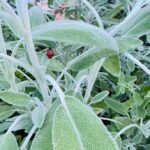
Discover how to grow sage with this complete guide to planting, sunlight, soil, watering, pruning, harvesting, varieties, containers, and winter care. Sage is a timeless herb that brings fragrance, flavor, texture, and understated beauty to the garden. Its velvety leaves, woody stems, and delicate flowers make it equally valuable in an edible landscape, ornamental border, container garden, or dedicated herb bed. Once established in suitable conditions, sage is also relatively easy to maintain. Common culinary sage, botanically known as Salvia officinalis, is a Mediterranean herb in the mint family. It is best known for its earthy flavor and silvery green foliage, but its value reaches far beyond the kitchen. A mature sage plant can soften garden edges, complement flowering perennials, and produce blossoms that attract bees, butterflies, and other visiting pollinators. Whether you want fresh leaves for cooking, fragrant foliage for seasonal crafts, or a beautiful perennial for a sunny garden, this sage growing guide will help you choose, plant, care for, harvest, and enjoy this remarkable herb. Understanding the Sage Plant The name sage can refer to many plants within the large Salvia genus. Some are grown primarily for ornamental flowers, while others are prized for their edible leaves. If your goal is to grow sage for cooking, look for a plant labeled Salvia officinalis, common sage, garden sage, or culinary sage. Common sage develops woody stems as it matures and typically grows into a compact, shrubby plant. Its soft, aromatic leaves are usually gray-green, although cultivated varieties may display purple, golden, cream, or variegated foliage. Depending on the variety and growing conditions, common sage may reach approximately 18 to 30 inches tall and wide. Its flower spikes often appear from late spring into summer, producing shades of blue, lavender, purple, pink, or white. Bloom time varies according to the cultivar, regional climate, and seasonal weather. The Beauty and Benefits of Growing Sage Sage offers a distinctive combination of culinary usefulness and ornamental appeal. The softly textured leaves provide a beautiful contrast to glossy foliage, fine ornamental grasses, and brightly colored flowers. Sage can be used along a pathway, near a patio, in a rock garden, or as part of a drought-tolerant planting design. Its flowers provide nectar for visiting pollinators. Allowing at least some flower spikes to remain can make a sage plant especially valuable in an herb garden designed to support bees and butterflies. Sage is also well suited to water-conscious gardens once its roots are established. It generally tolerates short dry periods better than continuously wet soil. This preference makes it a natural companion for other Mediterranean herbs, including lavender, rosemary, oregano, marjoram, and thyme, as long as every plant receives the drainage and winter protection it requires. In the kitchen, sage contributes a savory, woodsy flavor to poultry, roasted vegetables, soups, sauces, beans, breads, and holiday dishes. Because its flavor can be assertive, a small amount is often enough to transform a dish. Popular Types of Culinary Sage Common sage is the familiar gray-green variety traditionally used in cooking. Its aromatic leaves and classic appearance make it a dependable choice for kitchen gardens. Purple sage has richly colored young foliage that matures toward a muted green or gray-green shade. It adds dramatic color to mixed borders and herb containers while offering the familiar flavor associated with culinary sage. Tricolor sage features gray-green leaves edged with cream and touched with pink or purple. It is especially attractive in decorative containers, although variegated varieties may grow more slowly than standard common sage. Golden sage brightens the garden with green and yellow foliage. Its cheerful coloring works well along sunny borders or beside darker-leaved plants. Berggarten sage is known for its broad leaves and compact growth. Its relatively restrained flowering can encourage continued leaf production, making it an appealing selection for gardeners focused on culinary harvesting. Flavor and growth can vary among cultivars. Always confirm the botanical name and check the plant label before using an unfamiliar sage in food. Ornamental plants called sage are not automatically interchangeable with culinary sage. Choosing the Best Location Sage performs best in a sunny location with excellent drainage. In many gardens, six or more hours of direct sunlight encourages sturdy growth, concentrated fragrance, and attractive foliage. Plants grown with insufficient light may become loose, leggy, or inclined to sprawl. In regions with extremely hot summers, a little protection from intense late-afternoon sun may help reduce heat stress. Local conditions matter, so observe how quickly the soil dries and how the plant responds to seasonal temperatures. Good air circulation is also important. Avoid crowding sage between larger plants or placing it where wet foliage remains enclosed for long periods. Thoughtful spacing allows the plant to dry more efficiently after rain and can reduce conditions that favor fungal problems. Preparing the Soil Drainage is one of the most important considerations when growing sage. The plant prefers soil that releases excess water quickly rather than remaining saturated around the roots. Persistently wet soil can cause declining growth and may lead to root or crown rot. Loose, moderately fertile soil is generally sufficient. Sage does not require especially rich ground, and excessive fertility may encourage soft growth with less concentrated flavor. If the planting area contains dense clay or holds standing water after rain, consider using a raised bed, a mound, or a container filled with a free-draining potting mix. Adding organic matter may improve soil structure, but compost alone cannot correct every drainage problem. In a chronically wet location, moving the plant to a better site is often more effective than repeatedly amending the planting hole. Planting Sage in the Garden Spring is a convenient time to plant sage in areas with cold winters because it gives the roots time to establish before freezing weather. In mild climates, early fall may also be suitable if the plant has enough time to settle in before cold or prolonged rainy conditions arrive. Position the plant at approximately the same depth it occupied in its nursery
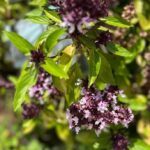
Learn how to grow Thai basil in garden beds or containers, from planting and watering to harvesting its fragrant leaves and managing flowers. Thai basil brings fragrance, flavor, and ornamental beauty to the garden. Its glossy green leaves, purple stems, and delicate flower spikes make it as attractive in a container or garden bed as it is useful in the kitchen. When the leaves are gently brushed, they release a distinctive aroma with notes of anise, licorice, clove, and warm spice. Unlike sweet basil, which is often associated with Italian cooking, Thai basil has a bolder flavor and a slightly firmer texture. The leaves hold up especially well when added near the end of cooking, making this aromatic herb a favorite for curries, noodle dishes, stir-fries, soups, and fresh garnishes. Thai basil is a warm-season herb that thrives in sunshine and warmth. Although it is sensitive to cold, it grows quickly when provided with suitable soil, consistent moisture, and regular harvesting. Gardeners can grow it in traditional garden beds, raised beds, patio containers, or sunny indoor spaces. What Is Thai Basil? Thai basil is a cultivated type of basil valued for its spicy, licorice-like aroma and attractive purple accents. It belongs to the mint family, which helps explain its square stems, opposite leaves, and highly aromatic foliage. The appearance of Thai basil can vary among cultivars, but many plants develop bright green leaves, reddish-purple or deep purple stems, and purple flower spikes. Its upright growth habit gives the plant a polished appearance, allowing it to function as both a culinary herb and an ornamental addition to edible landscapes. In climates with freezing winters, Thai basil is grown as an annual. It grows throughout the warm season and dies when exposed to frost. Gardeners in consistently warm, frost-free climates may be able to grow it for a longer period, although plant performance still depends on local heat, humidity, rainfall, and disease pressure. The Bold Flavor and Fragrance of Thai Basil Thai basil has a sweet, spicy flavor with noticeable anise or licorice notes. Some varieties also suggest clove, cinnamon, or mint. Its flavor is usually more assertive than that of common sweet basil, giving it enough character to complement strongly seasoned dishes. The fragrance becomes more pronounced when the leaves are crushed, torn, or chopped. Because aroma is one of the herb’s most appealing qualities, fresh leaves are generally added near the end of cooking or scattered over a finished dish. Prolonged cooking can soften their fresh fragrance and change their texture. Growing conditions may influence the intensity of the leaves. Sun exposure, moisture, temperature, soil fertility, harvest timing, and the specific cultivar can all affect the plant’s growth and aromatic character. Choosing the Best Location Thai basil grows best in a sunny location that receives at least six hours of direct sunlight each day. In many gardens, six to eight hours of sun encourages sturdy growth and flavorful foliage. In regions with extremely hot summers, light afternoon shade may help reduce stress, particularly when the plant is growing in a container that dries quickly. Too much shade, however, can cause weak or stretched growth and reduce leaf production. Choose a location with good air circulation, but avoid an exposed area where strong winds may damage the stems or dry the soil too rapidly. Air movement around the foliage can also help discourage diseases that develop under persistently damp, crowded conditions. Soil and Drainage Plant Thai basil in fertile, well-drained soil. The ground should retain enough moisture to support steady growth without remaining waterlogged. Heavy soil that stays saturated can contribute to root problems, while extremely sandy soil may require more frequent watering and additional organic matter. Mixing finished compost into ordinary garden soil can improve its texture and moisture-holding ability. Compost should complement the existing soil rather than replace it entirely. For container growing, use a quality potting mix designed for pots instead of soil taken directly from the garden. The container must have drainage holes so excess water can escape. A pot that is too small may dry rapidly and restrict the plant’s roots, so choose one that provides room for the mature cultivar. Starting Thai Basil From Seed Thai basil can be started indoors several weeks before the expected final spring frost or sown directly in the garden after the weather and soil have warmed. Because basil is sensitive to cold, planting it outdoors too early can stunt growth or damage the leaves. Sow the seeds according to the depth recommended on the seed packet and keep the growing medium consistently moist, but not saturated. Warm conditions support faster, more reliable germination. Place indoor seedlings under strong grow lights or beside an exceptionally bright window so they do not become thin and stretched. Before transplanting indoor seedlings into the garden, gradually expose them to outdoor conditions over several days. This transition helps the young plants adjust to direct sunlight, wind, and changing temperatures. Direct sowing also works well once frost danger has passed and the ground is warm. Keep the seedbed evenly moist while the seeds germinate and the young roots become established. Transplanting Thai Basil Outdoors Wait until the danger of frost has passed and nighttime temperatures are reliably mild before transplanting Thai basil. Cold soil and chilly air can slow its growth, discolor the leaves, and damage tender plants. Space plants according to the mature dimensions printed on the seed packet or plant label. Cultivars differ in height and spread, so their spacing requirements can vary. Providing adequate space improves airflow and gives each plant access to sunlight. Water transplants thoroughly after planting. During the first several days, monitor the soil closely while the roots adjust to their new location. Watering Thai Basil Thai basil performs best with consistent moisture. Water when the upper layer of soil begins to feel dry, soaking the root area thoroughly instead of applying only a light surface sprinkle. The correct watering schedule will depend on temperature, rainfall, soil texture,
Originally published
March 2026
Updated
August 2026
Reviewed by
Culibloom