Tangerine Tree Growing Guide: How to Grow Healthy Tangerine Trees for Sweet, Homegrown Citrus
Learn how to grow a healthy tangerine tree with practical guidance for planting, watering, fertilizing, pruning, container care, pest prevention, and harvesting sweet homegrown citrus.
A healthy tangerine tree brings year-round beauty, fragrant spring blossoms, glossy evergreen foliage, and an abundant harvest of sweet citrus. Whether planted in the garden or grown in a container, tangerine trees can thrive for many years when they receive plenty of sunlight, well-draining soil, consistent moisture, and protection from extreme cold.
Tangerines belong to the broader mandarin group of citrus. Depending on the variety, the fruit may be sweet, tangy, seedless, or especially easy to peel. Popular choices for home gardens include Satsuma, Clementine, Dancy, and various mandarin hybrids. Because climate requirements and mature tree size vary, choosing a variety and rootstock suited to your region is one of the most important steps toward successful citrus growing.
Growing a tangerine tree does require patience. A young tree may take several years to produce a substantial crop, but proper planting and regular care encourage stronger growth, healthier foliage, and better fruit production.
Choosing the Best Tangerine Tree
Purchase a healthy grafted tree from a reputable local nursery whenever possible. Grafted trees usually produce fruit sooner and more predictably than trees grown from seed. They also retain the desirable flavor, size, and productivity of the named variety.
A seed collected from a tangerine can germinate, but the resulting tree may not produce fruit identical to the original. Seed-grown citrus can also become large, thorny, and slow to bear fruit. It can be an enjoyable growing project, but it is not the most dependable method for establishing a productive home orchard.
Before selecting a tree, consider its mature size, cold tolerance, harvest season, seed content, and suitability for container growing. A dwarf or semi-dwarf tree is usually the best choice for a patio, small garden, or indoor overwintering.
Satsuma mandarins are particularly valued in regions with occasional frost because established, properly hardened trees are generally more cold tolerant than many other sweet citrus varieties. However, cold tolerance varies with the cultivar, rootstock, tree age, health, wind exposure, and duration of the freeze.
Understanding the Ideal Climate
Tangerine trees grow best in warm subtropical climates with mild winters and long, sunny growing seasons. In-ground planting is most successful where severe or prolonged freezes are uncommon. Gardeners in colder climates can grow dwarf tangerine trees in containers and move them into a protected space during winter.
Cold tolerance should never be judged by a single temperature. A mature, healthy tree may survive a brief cold period that could seriously damage a young tree, blossoms, or ripening fruit. Tangerine and mandarin wood may tolerate temperatures in the low 20s under favorable conditions, but fruit can freeze at approximately 26°F to 28°F when the cold lasts for several hours. Satsumas are among the more cold-tolerant types of sweet citrus. University of Georgia Extension
Planting near a south-facing wall can create a warmer microclimate in marginal areas. The site should also be protected from strong winds, which can damage foliage, dry the soil, and intensify cold stress.
How Much Sun Does a Tangerine Tree Need?
Tangerine trees need abundant sunlight for healthy foliage, flowering, and fruit development. Choose a location that receives at least six hours of direct sunlight each day. Eight or more hours is often beneficial where summer temperatures are not excessively hot.
Insufficient sunlight may result in thin growth, fewer blossoms, and poorly developed fruit. Indoor trees should be positioned near a bright south-facing window or placed under an appropriate grow light when natural sunlight is limited.
When moving a container-grown tree outdoors in spring, introduce it to brighter conditions gradually. A sudden transition from indoor light to intense outdoor sun can scorch the leaves. Reverse the process in autumn so the tree can adjust before being brought indoors.
Selecting the Right Soil
Good drainage is essential for tangerine trees. Citrus roots need moisture, but they also require oxygen and can decline in soil that remains waterlogged.
For an in-ground tree, choose a location where water does not collect after heavy rain. If the soil drains poorly, planting on a raised mound may be more successful than placing the root ball in a deep amended hole. Avoid planting citrus in a lawn because grass and citrus trees have different watering and fertilizing requirements.
Container trees need a loose, well-draining potting mix intended for citrus or other container-grown trees. Do not fill the container with ordinary garden soil because it may compact and hold too much water.
How to Plant a Tangerine Tree
Plant a tangerine tree after the danger of severe frost has passed. Spring planting allows the root system time to become established before the following winter.
Choose a sunny, well-drained site with enough room for the tree’s expected mature width. Dig a hole approximately twice as wide as the root ball but no deeper than the root ball itself.
Remove the tree carefully from its nursery pot and inspect the roots. Gently loosen roots that are tightly circling the outside of the root ball. Position the tree so the top of the root ball sits at or slightly above the surrounding soil level.
Backfill the hole primarily with the native soil. Do not bury the trunk flare or graft union. Water thoroughly to settle the soil around the roots, adding more soil if necessary without packing it firmly against the trunk.
Apply a layer of organic mulch over the root zone to help conserve moisture and moderate soil temperature. Keep the mulch several inches away from the trunk to discourage rot and pest problems.
Growing a Tangerine Tree in a Container
Container growing makes it possible to enjoy a tangerine tree on a patio, balcony, or in a cold-winter climate. Begin with a dwarf or semi-dwarf tree and a sturdy container with multiple drainage holes.
The pot should provide room for root growth without being excessively large. Too much unused potting mix may remain wet for long periods and increase the risk of root problems. Move the tree into a larger container gradually as it grows.
Place the container where the tree receives at least six hours of direct sunlight. Check the potting mix regularly because containers can dry quickly during hot or windy weather. Water slowly and thoroughly until excess water drains from the bottom, then allow the upper portion of the mix to begin drying before watering again.
Never leave the container standing in water. Over time, roots may fill the pot and the potting mix may break down. Repotting with fresh, well-draining mix can restore drainage and provide room for continued growth. UC horticultural guidance recommends regular moisture checks, complete drainage, citrus fertilizer containing micronutrients, and repotting as the roots fill the container. University of California Agriculture and Natural Resources
Watering Tangerine Trees
Consistent moisture is especially important while a young tree establishes its root system. Water deeply enough to moisten the root zone, then allow the upper soil to begin drying before watering again.
The correct frequency depends on rainfall, temperature, wind, soil drainage, tree age, season, and whether the tree is growing in the ground or a container. A rigid watering schedule may result in overwatering during cool weather or drought stress during extreme heat.
Container trees generally need closer monitoring than in-ground trees. Check moisture below the surface rather than judging by appearance alone. If the soil is still damp around the roots, wait before watering.
Possible signs of water stress include wilting, leaf drop, curled leaves, and dry soil. Yellowing leaves can occur with excessive moisture, but they can also result from nutritional deficiencies, cold soil, poor drainage, or root damage. Examine the tree’s overall growing conditions before changing its care.
Fertilizing for Healthy Growth and Fruit
Tangerine trees need nitrogen and several micronutrients to support evergreen foliage, blossoms, and fruit. Use a fertilizer labeled for citrus and follow the package directions for the tree’s age, size, and growing environment.
Divide the recommended amount into smaller applications during the active growing season rather than applying an excessive quantity at one time. Avoid placing concentrated fertilizer directly against the trunk.
Container-grown trees may need lighter but more frequent feeding because watering carries nutrients out through the drainage holes. Reduce or stop feeding when the tree is not actively growing, particularly during indoor winter conditions.
Yellow leaves with dark green veins can indicate an iron or other micronutrient problem, but soil pH, poor drainage, damaged roots, and cold conditions can prevent a tree from absorbing nutrients even when fertilizer is present. A soil test or advice from a local cooperative extension office can help identify the cause.
Pollination and Flowering
Most commonly grown citrus trees are self-fruitful, which means a single tangerine tree can usually set fruit without a second variety nearby. Outdoor pollinators and wind help move pollen among the blossoms.
A tree kept indoors while flowering may benefit from gentle hand pollination. Lightly brush the center of each open flower with a small, soft paintbrush, moving from blossom to blossom.
It is normal for a citrus tree to drop some flowers and immature fruit. The tree often produces more blossoms than it can support to maturity. Excessive fruit drop, however, may be associated with temperature stress, inconsistent watering, insufficient light, poor pollination, or declining tree health.
Pruning a Tangerine Tree
Tangerine trees generally require only light pruning. Remove dead, damaged, diseased, or crossing branches and eliminate shoots growing from below the graft union. These rootstock suckers can grow vigorously and compete with the productive portion of the tree.
Avoid removing large amounts of healthy foliage. Citrus leaves manufacture the energy needed for growth and fruit production, and excessive pruning can expose previously shaded bark to sunburn.
Prune lightly after the danger of frost has passed and before intense summer heat when possible. If a tree experiences freeze damage, wait until new growth reveals which branches are truly dead before making major cuts.
Protecting Tangerine Trees During Winter
Young trees, container-grown trees, blossoms, and developing fruit are especially vulnerable to cold. Monitor the local forecast and begin protection before temperatures reach damaging levels.
Water the soil before a predicted freeze if it is dry. Moist soil can hold more heat than dry soil, but the tree should not be left waterlogged. Cover a small tree with frost cloth or another breathable material extending to the ground. Remove or vent the covering as temperatures rise during the day.
Move container trees into a protected garage, greenhouse, sunroom, or bright indoor location before severe cold arrives. Keep them away from heating vents and cold drafts. Indoor citrus needs strong light and careful watering because potting mix dries more slowly during winter.
Common Tangerine Tree Pests
Inspect the leaves, stems, blossoms, and fruit regularly. Early detection makes citrus pests easier to manage.
Aphids often gather on tender new growth and may cause leaves to curl. Scale insects appear as small immobile bumps on leaves or stems. Spider mites can create fine stippling, faded foliage, and delicate webbing, particularly on indoor trees. Whiteflies gather beneath leaves and fly up when the foliage is disturbed. Citrus leafminers create winding trails in young leaves.
Healthy growing conditions and protection of beneficial insects can reduce many pest problems. Wash small infestations from the foliage when practical. If treatment is needed, select a product labeled for citrus or edible fruit trees and follow all directions, including harvest restrictions.
Asian citrus psyllids deserve particular attention because they can transmit huanglongbing, also called citrus greening disease. Symptoms may include uneven blotchy yellowing, misshapen fruit, poor flavor, twig dieback, and gradual tree decline. Regulations and quarantines differ by location, so purchase citrus locally from approved sources and never move citrus plants, leaves, stems, or fruit with attached foliage across restricted areas. UC Statewide Integrated Pest Management Program
Preventing Tangerine Tree Diseases
Proper planting, drainage, sanitation, and watering are important parts of disease prevention. Constantly wet soil and a buried trunk flare can encourage Phytophthora root or crown rot. Avoid allowing irrigation water to strike the trunk repeatedly.
Remove fallen, damaged, or mummified fruit from beneath the tree. Clean pruning tools before and after removing suspicious growth, and avoid working with the tree when the foliage is wet.
If a tangerine tree develops rapid decline, persistent dieback, unusual leaf patterns, or misshapen bitter fruit, consult a local cooperative extension office or agricultural authority. Citrus diseases can resemble nutritional problems, and an accurate diagnosis is important before treatment.
When Are Tangerines Ready to Harvest?
Tangerines do not continue ripening significantly after they are picked, so allow the fruit to develop its sweetness on the tree. Peel color alone is not always a reliable test because temperature affects rind color.
Taste one fruit before harvesting the entire crop. A ripe tangerine should have the flavor, sweetness, juiciness, and texture expected for its variety. Some cultivars hold well on the tree, while others should be picked soon after reaching maturity.
Clip the fruit from the branch when pulling would tear the rind or damage the stem. Handle harvested tangerines gently because bruised or punctured fruit deteriorates more quickly.
Harvest season varies by cultivar and climate. Some mandarins mature in fall or early winter, while others ripen later. Local nursery information is often the best guide for predicting the harvest window in your region.
Why Is My Tangerine Tree Not Producing Fruit?
A young tree may simply need more time to mature. Seed-grown trees can take considerably longer to flower and may not produce fruit with the same characteristics as the parent.
Insufficient sunlight is another common cause of poor flowering and fruit set. Excessive nitrogen may produce lush leaves at the expense of blossoms, while drought, overwatering, freeze damage, severe pruning, and poor pollination can also reduce a crop.
If the tree flowers but loses most of its small fruit, review its watering, light, temperature, and nutritional conditions. Some early fruit drop is natural, especially when a young tree sets more fruit than it can support.
Enjoying Sweet, Homegrown Tangerines
A productive tangerine tree is both ornamental and practical. Its fragrant flowers brighten the garden in spring, while colorful fruit adds interest during the cooler months. Fresh tangerines can be enjoyed on their own or used in salads, desserts, sauces, marinades, preserves, and alcohol-free drinks.
Success begins with the right tree in the right location. Give the roots excellent drainage, provide abundant sunlight, water according to actual soil conditions, and adjust fertilizer and cold protection to the variety, climate, and age of the tree. With attentive care and a little patience, a tangerine tree can provide beautiful foliage and sweet homegrown citrus for years.
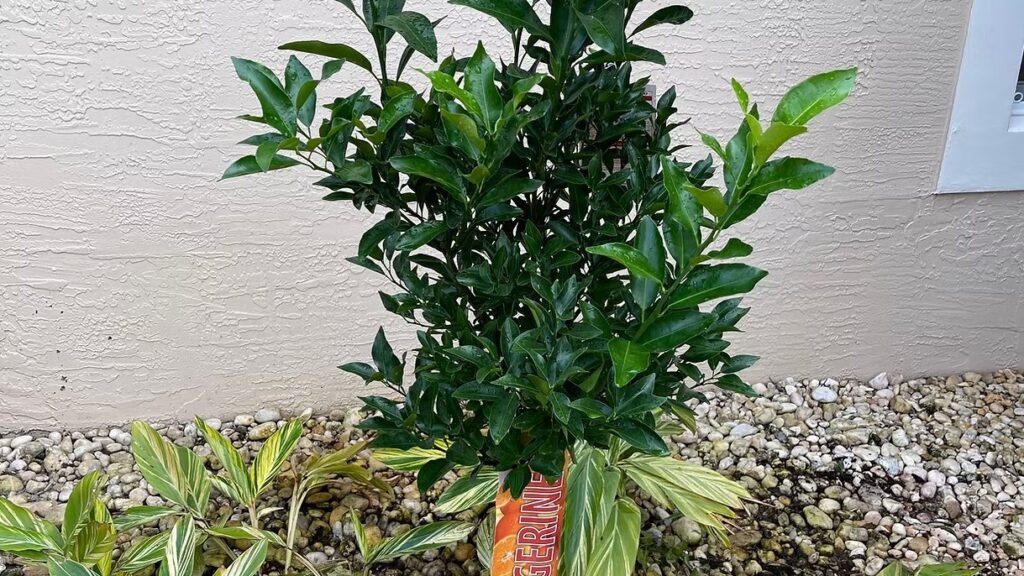
A healthy young tangerine tree adds lush evergreen color to a home garden.
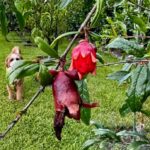
Learn how to grow a healthy pomegranate tree, prevent splitting, prune correctly, manage pests, and harvest ripe, sweet, juicy fruit. A pomegranate tree brings beauty, color, and delicious fruit to the home garden. Its glossy green leaves, brilliant orange-red flowers, and jewel-toned fruit create interest across several seasons. Once established in a suitable climate, this remarkably resilient plant can remain productive for decades. Pomegranate trees thrive in places with long, hot summers and mild winters. Although mature plants tolerate periods of drought, consistent care is essential for producing plump fruit filled with sweet, juicy arils. Sunlight, drainage, thoughtful pruning, and steady watering all influence fruit quality. Whether you want a graceful specimen tree, a flowering hedge, or a productive backyard shrub, understanding how a pomegranate naturally grows will help you establish a healthier plant and enjoy more reliable harvests. Understanding the Pomegranate Tree The pomegranate, botanically known as Punica granatum, is a deciduous fruiting shrub that can be trained into a small tree. It naturally develops several stems and a dense, bushy form, typically reaching approximately 10 to 15 feet tall when allowed to grow freely. Regular pruning can keep it shorter and make harvesting easier. Its slender branches may have sharp thorns, while its bright flowers add vivid color to the garden in spring and summer. The fruit develops after successful pollination and gradually ripens from late summer through fall, depending on the cultivar, climate, and bloom time. Each fruit contains numerous arils, which are the juice-filled structures surrounding the seeds. Their color, sweetness, acidity, and seed firmness vary by cultivar. Some varieties have deep red arils and a pronounced tang, while others produce pale pink arils with a milder, sweeter flavor. Choosing the Right Climate Pomegranates perform best in semiarid to subtropical climates with hot summers and relatively mild winters. They are generally suited to USDA Hardiness Zones 8 through 11, although cold tolerance varies among cultivars and depends on the plant’s age, health, dormancy, and exposure. Temperatures near or below 12°F can damage many pomegranate cultivars. Some especially hardy selections may tolerate colder conditions, but newly planted trees and tender spring growth are more vulnerable. Late spring freezes can damage buds and flowers even when the established wood survives the winter. Gardeners in colder climates may be able to grow compact pomegranates in large containers. The plant can be moved into a protected, cool location during severe winter weather. Container culture may limit the tree’s mature size and fruit production, but it makes growing pomegranates possible in areas where an in-ground tree would not reliably survive. Selecting a Fruit-Bearing Cultivar Choose a cultivar according to your climate, growing season, available space, and preferred flavor. Some pomegranates need a particularly long, hot season to develop their best color and sweetness. A cultivar that thrives in an arid western climate may not perform as well in a humid region with frequent summer rain. Fruit size, rind color, aril color, acidity, sweetness, and seed firmness can differ considerably. Nursery descriptions and recommendations from a regional cooperative extension office can help identify varieties that have performed well locally. Make sure you purchase a fruit-bearing cultivar rather than a purely ornamental one. Ornamental pomegranates may produce beautiful flowers but little usable fruit. Plants propagated from a named cultivar are also more predictable than seedlings, which may not retain the desirable qualities of the parent plant. Finding the Best Planting Location Full sun is essential for vigorous growth, abundant flowering, and flavorful fruit. Select a location that receives at least six hours of direct sunlight each day. More sunlight is generally beneficial where summers are not excessively harsh. Air circulation is particularly important in humid climates. An open location allows foliage and flowers to dry more efficiently after rain, which can reduce conditions that favor certain diseases. Avoid tightly enclosed sites where moisture lingers around the canopy. Consider the tree’s mature width before planting. Pomegranates naturally spread as they produce new stems and suckers. Allowing approximately 10 to 12 feet of space around a full-sized home-garden plant can provide room for its canopy and make pruning and harvesting more convenient. Actual spacing should reflect the cultivar and the form in which you intend to maintain it. Preparing the Soil Pomegranate trees adapt to sandy, loamy, and clay soils, but they grow best in soil that drains well. Prolonged saturation can weaken roots and increase the risk of decline. If your garden has heavy soil or a high water table, consider planting on a broad raised mound to improve drainage. A soil pH between approximately 5.5 and 7.2 is generally favorable, although pomegranates can tolerate somewhat alkaline conditions. A soil test is the most dependable way to determine pH and identify nutrient deficiencies before applying amendments. Mixing large amounts of rich material into one isolated planting hole can discourage roots from spreading into the surrounding soil. Instead, improve drainage and organic matter across a broader area when necessary. Do not add fertilizer to the planting hole unless a soil test or regional recommendation indicates that it is needed. Planting a Pomegranate Tree Spring is an excellent planting time in many regions because it gives the roots a full growing season to become established before winter. In mild climates, fall planting may also be successful if the tree has time to settle in before cold or excessively wet weather arrives. Dig a hole wide enough to accommodate the roots without bending or crowding them. Position the tree at the same depth it was growing in its nursery container. Planting too deeply can bury the root flare and keep excess moisture against the base. Backfill with the native soil, gently firm it around the roots, and water thoroughly. Apply a layer of organic mulch over the root zone to conserve moisture and discourage weeds, but leave several inches of open space around the trunk or stems. Growing a Shrub or Training a Tree A pomegranate naturally grows as a multi-stemmed shrub. This form is often
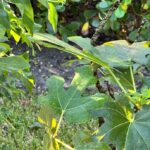
Learn how to grow healthy fig trees at home, including variety selection, planting, watering, pruning, winter protection, harvesting, and troubleshooting. Fig trees bring beauty, character, and remarkable flavor to a home garden. Their broad, deeply lobed leaves create a lush appearance, while their sweet fruit can be enjoyed fresh from the tree, dried, preserved, baked into desserts, or added to savory dishes. Once established in a suitable location, a fig tree can produce generously with relatively straightforward care. The common fig, botanically known as Ficus carica, is a deciduous shrub or small tree native to western Asia and the Mediterranean region. Although figs are associated with warm climates, gardeners in many cooler regions can grow them successfully by choosing a cold-tolerant variety, planting in a protected microclimate, or using a container that can be moved into shelter for winter. Successful fig growing begins with the right variety and location. Sunlight, drainage, seasonal warmth, winter temperatures, moisture, and pruning practices can all influence whether a tree develops healthy growth and fully ripened fruit. This complete fig tree growing guide explains how to select, plant, water, fertilize, prune, protect, harvest, and troubleshoot fig trees at home. Understanding How Fig Trees Grow A fig is not a conventional fruit with visible flowers. What appears to be the fruit is a hollow structure called a syconium. The tiny flowers develop inside this structure, which is why gardeners do not see blossoms covering a fig tree before fruit appears. There are several types of edible figs, but common figs are generally the most practical choice for home gardens. Most commonly sold home-garden varieties can develop fruit without cross-pollination, which means a single tree may produce a crop. Some specialized varieties require pollination by a particular fig wasp and may not produce properly in regions where that pollinator is absent. Buying a named common fig variety from a reliable regional nursery helps prevent this problem. Depending on the variety and climate, a fig tree may produce one or two crops. The early crop, known as the breba crop, forms on growth produced during the previous season. The main crop normally develops later on new growth. A cold winter or heavy pruning can eliminate the breba crop while still allowing the tree to produce a later crop on new branches. Choosing the Best Fig Variety for Your Climate Variety selection should be based on winter hardiness, summer heat, the length of the growing season, local humidity, and whether the tree will grow in the ground or a container. A variety that performs beautifully in a hot Southern garden may ripen too late in a cool Northern climate. Brown Turkey is a familiar and widely grown fig with brownish-purple skin and sweet flesh. It adapts to a range of conditions and can produce fruit on new growth after winter damage. Celeste produces small to medium fruit with light brown to violet skin and sweet flesh. Its relatively tight fruit opening can help limit problems caused by insects and excess moisture. It is especially popular in warm, humid regions. Chicago Hardy is frequently selected for colder climates because its roots can survive lower temperatures than those of many tender varieties when properly established and protected. Aboveground growth may still die back during severe winter weather, so the name should not be interpreted as a guarantee that every branch will survive extreme cold. Black Mission produces dark purple fruit with richly flavored pink or red flesh. It performs best where summers are warm and the growing season is sufficiently long. In colder areas, it may be better suited to container cultivation. Violette de Bordeaux produces smaller, dark-skinned figs with a rich flavor. Its naturally compact growth and suitability for pruning can make it an appealing option for containers and smaller gardens. Desert King is known for producing a dependable breba crop in climates with cooler summers. Because breba figs form on the previous year’s wood, winter protection and careful pruning are particularly important. Local performance is more valuable than a variety’s general description. A cooperative extension office, regional nursery, or experienced grower can help identify cultivars that reliably ripen before the first fall frost in your area. Selecting the Right Planting Location Fig trees produce their best growth and fruit in full sun. Choose a location that receives at least six to eight hours of direct sunlight, with more sun being beneficial in cool or short-season regions. A south-facing wall can create a warmer microclimate, protect the tree from cold winds, and help the fruit ripen. Good drainage is essential. Fig trees adapt to several soil types, but they should not remain in saturated ground. Standing water and prolonged soil saturation can contribute to root and crown problems. If the garden has heavy clay or a consistently high water table, consider planting on a raised mound or growing the tree in a large container. Allow enough room for the mature canopy and roots. The final size depends on variety, climate, pruning, and winter dieback, but an unrestrained fig can become a broad shrub or small tree. Avoid planting directly beside foundations, septic systems, drains, or paved areas where vigorous roots and spreading growth may become difficult to manage. In colder climates, select a sheltered area away from low spots where cold air collects. A position beside a south-facing masonry wall may provide additional warmth, although the tree still needs adequate airflow and space. When to Plant a Fig Tree In climates with mild winters, figs may be planted while dormant in fall or early winter. In colder regions, spring planting is generally safer. Wait until the danger of a hard freeze has passed so the young tree has an entire growing season to establish roots before winter. Container-grown trees offer more flexibility than bare-root plants, but they still require protection from extreme heat, drought, and sudden cold during establishment. Avoid planting during periods of frozen soil, waterlogged conditions, or intense summer heat. How to Plant a Fig Tree Before
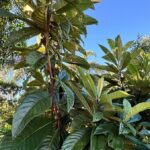
Learn how to grow a loquat tree with guidance on planting, watering, fertilizing, pruning, pollination, pest care, and harvesting sweet loquat fruit. The loquat tree brings year-round beauty and an unusual harvest season to the home garden. Its glossy evergreen foliage, fragrant white flowers, and clusters of golden fruit make it both an attractive landscape tree and a productive addition to a warm-climate edible garden. Unlike many familiar fruit trees, the loquat blooms during fall and winter before ripening its fruit in spring or early summer. The ripe fruit has tender, juicy flesh with a sweet, lightly tart flavor often compared to apricot, peach, citrus, and pineapple. Loquats can be enjoyed fresh or used in preserves, sauces, baked desserts, salads, and other seasonal dishes. Although an established loquat tree is relatively easy to maintain, choosing the right location is essential. Winter temperatures, soil drainage, sunlight, pruning, and watering can all affect flowering and fruit production. With thoughtful care, this versatile evergreen can become a beautiful and rewarding part of the landscape. What Is a Loquat Tree? The loquat tree, botanically known as Eriobotrya japonica, is a broadleaf evergreen member of the rose family. Despite its botanical name, the species is believed to have originated in China before being cultivated extensively in Japan and other parts of Asia. Loquats usually develop a rounded, densely branched canopy filled with large, deeply veined leaves. Mature trees commonly reach approximately 10 to 25 feet tall and wide, although their eventual size depends on the cultivar, climate, growing conditions, and pruning. Clusters of small, fragrant white flowers appear during fall or early winter. These flowers develop into oval, round, or pear-shaped fruit with yellow to deep orange skin. Depending on the cultivar, the flesh may be white, pale yellow, or orange. What Does Loquat Fruit Taste Like? Ripe loquat fruit is juicy, fragrant, and pleasantly sweet with varying levels of acidity. Some cultivars have a delicate floral flavor, while others taste brighter and more tangy. The texture is soft and succulent, similar to a ripe peach, pear, or apricot. The flavor improves as the fruit ripens fully on the tree. Pale, firm fruit is usually more acidic, while richly colored fruit that yields slightly to gentle pressure tends to be sweeter. Because ripe loquats are delicate and highly perishable, they are rarely as widely available in stores as apples, peaches, or citrus fruit. The Best Climate for Growing a Loquat Tree Loquat trees grow best in subtropical and warm temperate climates. They are generally suited to USDA Hardiness Zones 8 through 10, with some recommendations extending into Zone 11 under suitable local conditions. The tree itself can tolerate more cold than its flowers and developing fruit. Temperatures below approximately 27°F to 28°F can damage or destroy blossoms and young fruit, even if the tree survives. For reliable harvests, loquats need mild winters without prolonged hard freezes. Excessively hot conditions can also stress the tree and reduce growth. University of Florida IFAS Extension Gardeners in colder regions may grow loquats as ornamental container plants that are moved into a protected location for winter. Container-grown trees will generally remain smaller, and producing fruit indoors can be difficult without abundant sunlight, appropriate temperatures, and pollinating insects. Choosing the Right Planting Location Select a warm, protected location that receives full sun. Loquat trees tolerate partial shade, but plentiful sunlight usually supports stronger flowering, sweeter fruit, and better overall production. Allow enough room for the mature canopy to develop without interfering with buildings, walkways, power lines, or nearby trees. An unpruned loquat can become broad and spreading, so its mature width is just as important as its height. A site protected from strong winter wind may help reduce cold injury. Avoid low areas where cold air settles and locations that remain waterlogged after heavy rain. Soil and Drainage Requirements Loquat trees adapt to several soil types, including sandy, loamy, clay-based, and limestone soils, provided the planting area drains well. They do not tolerate prolonged flooding or consistently saturated roots. Before planting, observe how quickly water drains from the site after rainfall. In heavy or poorly drained soil, planting on a broad mound or raised area may improve drainage. Avoid placing large amounts of fertilizer or rich organic material directly into the planting hole, since this can discourage roots from spreading into the surrounding soil. A layer of organic mulch can help conserve moisture, suppress weeds, and moderate soil temperature. Keep mulch several inches away from the trunk to reduce the risk of excess moisture collecting against the bark. How to Plant a Loquat Tree Spring is often a convenient time to plant in areas with occasional winter freezes. In reliably mild climates, loquats may also be planted during other seasons when extreme heat is not expected. Dig a hole that is wider than the root ball but no deeper. Position the tree so the top of its root ball sits level with, or slightly above, the surrounding ground. Backfill with the original soil, gently firm it around the roots, and water thoroughly. Water the newly planted tree regularly while it establishes. The soil should remain moderately moist but never constantly saturated. Staking is generally necessary only when the tree cannot support itself or the site is exposed to strong wind. Seed-Grown Versus Grafted Loquat Trees A loquat seed can produce an attractive ornamental tree, but it may not produce fruit identical to the fruit from which the seed came. Seedlings can also take six to eight years to flower and bear fruit. For predictable fruit quality and earlier production, choose a grafted tree from a reputable nursery. Vegetatively propagated trees may begin bearing within approximately one to two years after planting, although climate, tree health, and growing conditions will influence the timing. University of Florida IFAS Extension Cultivars differ in fruit size, skin color, flesh color, sweetness, acidity, seed number, and harvest season. Locally recommended cultivars are often the best choice because their flowering and ripening patterns suit the
Originally published
March 2026
Updated
August 2026
Reviewed by
Culibloom