The Complete Fig Tree Growing Guide: Everything You Need to Know to Grow Healthy, Delicious Figs at Home
Learn how to grow healthy fig trees at home, including variety selection, planting, watering, pruning, winter protection, harvesting, and troubleshooting.
Fig trees bring beauty, character, and remarkable flavor to a home garden. Their broad, deeply lobed leaves create a lush appearance, while their sweet fruit can be enjoyed fresh from the tree, dried, preserved, baked into desserts, or added to savory dishes. Once established in a suitable location, a fig tree can produce generously with relatively straightforward care.
The common fig, botanically known as Ficus carica, is a deciduous shrub or small tree native to western Asia and the Mediterranean region. Although figs are associated with warm climates, gardeners in many cooler regions can grow them successfully by choosing a cold-tolerant variety, planting in a protected microclimate, or using a container that can be moved into shelter for winter.
Successful fig growing begins with the right variety and location. Sunlight, drainage, seasonal warmth, winter temperatures, moisture, and pruning practices can all influence whether a tree develops healthy growth and fully ripened fruit. This complete fig tree growing guide explains how to select, plant, water, fertilize, prune, protect, harvest, and troubleshoot fig trees at home.
Understanding How Fig Trees Grow
A fig is not a conventional fruit with visible flowers. What appears to be the fruit is a hollow structure called a syconium. The tiny flowers develop inside this structure, which is why gardeners do not see blossoms covering a fig tree before fruit appears.
There are several types of edible figs, but common figs are generally the most practical choice for home gardens. Most commonly sold home-garden varieties can develop fruit without cross-pollination, which means a single tree may produce a crop. Some specialized varieties require pollination by a particular fig wasp and may not produce properly in regions where that pollinator is absent. Buying a named common fig variety from a reliable regional nursery helps prevent this problem.
Depending on the variety and climate, a fig tree may produce one or two crops. The early crop, known as the breba crop, forms on growth produced during the previous season. The main crop normally develops later on new growth. A cold winter or heavy pruning can eliminate the breba crop while still allowing the tree to produce a later crop on new branches.
Choosing the Best Fig Variety for Your Climate
Variety selection should be based on winter hardiness, summer heat, the length of the growing season, local humidity, and whether the tree will grow in the ground or a container. A variety that performs beautifully in a hot Southern garden may ripen too late in a cool Northern climate.
Brown Turkey is a familiar and widely grown fig with brownish-purple skin and sweet flesh. It adapts to a range of conditions and can produce fruit on new growth after winter damage.
Celeste produces small to medium fruit with light brown to violet skin and sweet flesh. Its relatively tight fruit opening can help limit problems caused by insects and excess moisture. It is especially popular in warm, humid regions.
Chicago Hardy is frequently selected for colder climates because its roots can survive lower temperatures than those of many tender varieties when properly established and protected. Aboveground growth may still die back during severe winter weather, so the name should not be interpreted as a guarantee that every branch will survive extreme cold.
Black Mission produces dark purple fruit with richly flavored pink or red flesh. It performs best where summers are warm and the growing season is sufficiently long. In colder areas, it may be better suited to container cultivation.
Violette de Bordeaux produces smaller, dark-skinned figs with a rich flavor. Its naturally compact growth and suitability for pruning can make it an appealing option for containers and smaller gardens.
Desert King is known for producing a dependable breba crop in climates with cooler summers. Because breba figs form on the previous year’s wood, winter protection and careful pruning are particularly important.
Local performance is more valuable than a variety’s general description. A cooperative extension office, regional nursery, or experienced grower can help identify cultivars that reliably ripen before the first fall frost in your area.
Selecting the Right Planting Location
Fig trees produce their best growth and fruit in full sun. Choose a location that receives at least six to eight hours of direct sunlight, with more sun being beneficial in cool or short-season regions. A south-facing wall can create a warmer microclimate, protect the tree from cold winds, and help the fruit ripen.
Good drainage is essential. Fig trees adapt to several soil types, but they should not remain in saturated ground. Standing water and prolonged soil saturation can contribute to root and crown problems. If the garden has heavy clay or a consistently high water table, consider planting on a raised mound or growing the tree in a large container.
Allow enough room for the mature canopy and roots. The final size depends on variety, climate, pruning, and winter dieback, but an unrestrained fig can become a broad shrub or small tree. Avoid planting directly beside foundations, septic systems, drains, or paved areas where vigorous roots and spreading growth may become difficult to manage.
In colder climates, select a sheltered area away from low spots where cold air collects. A position beside a south-facing masonry wall may provide additional warmth, although the tree still needs adequate airflow and space.
When to Plant a Fig Tree
In climates with mild winters, figs may be planted while dormant in fall or early winter. In colder regions, spring planting is generally safer. Wait until the danger of a hard freeze has passed so the young tree has an entire growing season to establish roots before winter.
Container-grown trees offer more flexibility than bare-root plants, but they still require protection from extreme heat, drought, and sudden cold during establishment. Avoid planting during periods of frozen soil, waterlogged conditions, or intense summer heat.
How to Plant a Fig Tree
Before planting, examine the roots and remove the nursery container carefully. If the roots circle tightly around the root ball, loosen them gently so they can grow into the surrounding soil.
Dig a hole approximately twice as wide as the root ball and only deep enough to position the plant at the appropriate level. Planting-depth recommendations can vary with climate and training method. In most home landscapes, a container-grown fig should be set near the depth at which it grew in its pot. Some regional recommendations call for deeper planting when developing a multi-stem bush, so consult local extension guidance before burying the trunk.
Backfill the hole with the native soil unless a soil test indicates that a specific amendment is needed. Adding large amounts of rich material only to the planting hole can create an abrupt difference between the amended area and the surrounding ground. Water thoroughly to settle the soil and eliminate large air pockets.
Apply a layer of organic mulch over the root zone, keeping it several inches away from the trunk. Mulch moderates soil temperature, slows moisture loss, and helps suppress weeds. Do not pile mulch against the bark.
Growing Fig Trees in Containers
Container growing makes it possible to raise figs on patios, balconies, and in regions where winter temperatures are too cold for reliable in-ground cultivation. A potted tree can be moved into an unheated garage, shed, or other protected location after it enters dormancy.
Choose a sturdy container with generous drainage holes. Begin with a pot large enough to accommodate the existing root system without surrounding a small plant with an excessive volume of wet soil. Increase the pot size gradually as the tree grows. Mature container figs may eventually require a container measuring approximately 18 to 24 inches across or larger, depending on the variety and desired tree size.
Use a high-quality, well-draining potting mix rather than dense garden soil. Garden soil can compact in a container, restricting oxygen and drainage.
Container-grown figs dry out faster than trees planted in the ground. Check them regularly during warm weather and water when the upper portion of the potting mix begins to dry. Water thoroughly until excess moisture drains from the bottom, then empty any saucer that would leave the roots sitting in water.
Roots may eventually circle the container and form a dense mass. When this happens, move the tree to a larger pot or root-prune it while dormant. If roots are reduced, the canopy may also need modest pruning to restore balance.
Watering Fig Trees Correctly
Young fig trees need consistent moisture while their roots become established. Water deeply instead of applying small amounts only to the soil surface. Deep watering encourages roots to explore a larger area and helps the tree tolerate dry periods later.
Established trees can withstand some drought, but irregular moisture may reduce fruit quality or cause developing figs to drop. Both excessive dryness and waterlogged soil can interfere with fruit development. Moisture is especially important while fruit is enlarging.
Watering frequency should be based on soil texture, rainfall, temperature, wind, tree size, and whether the plant is in a container. Sandy soil dries faster than clay, while container potting mix may dry much faster than either. Check the soil rather than relying on a rigid calendar.
Apply water around the root zone and near the canopy’s drip line instead of repeatedly soaking the base of the trunk. Drip irrigation or a soaker hose can deliver moisture efficiently while keeping the foliage dry. UC Statewide Integrated Pest Management recommends deep, appropriately timed irrigation and avoiding prolonged saturation.
Fertilizing Without Encouraging Excessive Growth
Fig trees do not always need heavy fertilization. In reasonably fertile garden soil, annual compost and a light feeding may be sufficient. A soil test is the most reliable way to identify nutrient deficiencies and determine whether the soil pH should be adjusted.
Too much nitrogen can produce long, leafy branches at the expense of fruit. Excessively vigorous growth may also remain tender later in the season, making it more susceptible to cold damage.
Watch the tree before adding fertilizer. If it produces adequate annual growth, healthy foliage, and fruit, additional feeding may not be necessary. Trees growing in poor soil or containers may require more regular nutrition because irrigation can wash nutrients from potting mix.
For a container-grown fig, use a balanced fertilizer according to its label and the plant’s response. Stop or reduce feeding as the growing season nears its end so new growth has time to mature before cold weather.
Training a Fig as a Tree or Bush
A fig can be trained as a single-trunk tree or a multi-stem bush. The bush form is often helpful in cold climates because several low stems are easier to protect, and new shoots can replace stems damaged during winter. It also keeps much of the fruit within reach.
A single-trunk form creates a more traditional tree shape and leaves open space beneath the canopy. It may be appropriate in mild climates where severe winter dieback is uncommon.
Whichever form you choose, begin training while the plant is young. Select strong, well-spaced stems and remove weak, damaged, crowded, or poorly positioned growth. Avoid allowing numerous stems to compete in a congested center.
How and When to Prune a Fig Tree
Prune figs while they are dormant, generally in late winter or early spring, after the most dangerous cold has passed but before vigorous growth begins. Timing varies by climate.
Begin by removing dead, diseased, broken, or crossing branches. Thin crowded interior growth to improve light and air circulation. Remove unwanted suckers unless they are needed to replace an old or damaged main stem.
Avoid severe annual pruning without a specific reason. Heavy pruning can stimulate excessive vegetative growth and may remove branches carrying the breba crop. When reducing height, cut back to a healthy outward-growing branch rather than leaving long stubs.
Pruning recommendations can differ according to climate and fruiting habits. Oregon State University Extension advises preserving a portion of one-year-old wood because fruit develops there, particularly when an early crop matters. Its regional guidance also favors a manageable multi-trunk form for many home gardens. Oregon State University Extension Service
Wear gloves and long sleeves while pruning. Fig stems and leaves release a milky latex sap that can irritate the skin and eyes. Wash exposed skin promptly and keep the sap away from your face.
Protecting Fig Trees During Winter
Winter protection depends on the variety, tree age, local minimum temperature, wind exposure, and duration of the cold. Young trees are generally more vulnerable than established plants.
After the tree becomes dormant, place a thick layer of mulch over the root zone without packing it against the stems. A multi-stem tree can be tied loosely, surrounded with breathable insulating material, and protected from cold wind. Avoid trapping excessive moisture against the wood.
Container trees can be moved into a cool, protected place after dormancy begins. An unheated garage or shed may work if temperatures remain cold enough to keep the tree dormant but do not fall low enough to damage its roots. Check the pot occasionally and provide a small amount of water when the potting mix becomes very dry. Dormant figs should not be kept constantly wet.
Cold injury varies considerably from one winter to another. A tree may lose its branches but regrow from protected roots. However, regrowth does not guarantee a full crop in a short season. Penn State Extension emphasizes that meaningful winter protection may be necessary for both container and in-ground figs in Northern gardens. Penn State Extension
Pollination and Fruit Production
Most common fig varieties sold for home gardens are self-fruitful and do not require a second tree. This does not apply to every edible fig type, so confirm the pollination requirements before purchasing an unfamiliar cultivar.
A young tree may need several seasons before producing a dependable harvest. Growth during the establishment period is normal, and the absence of fruit during the first year is not necessarily a problem.
If a mature tree produces leaves but little fruit, consider sunlight, variety, winter injury, pruning, nitrogen levels, water stress, and the length of the growing season. A late-ripening variety may develop figs that simply do not have enough warm weather to mature before frost.
Common Reasons Figs Drop Before Ripening
Premature fruit drop can result from inconsistent watering, drought, prolonged saturation, excessive fertilizer, immaturity, unsuitable pollination requirements, disease, or weather stress. Sudden changes in moisture are particularly troublesome while fruit is developing.
A very young or aggressively fertilized tree may devote most of its energy to branches and leaves. If annual shoots are extremely long and lush, reduce nitrogen and allow the tree to mature.
Fruit may also remain firm and green when the growing season is too short for the selected variety. An earlier-ripening cultivar or a warmer planting location may solve the problem more effectively than additional fertilizer.
Fig Pests and Diseases
Healthy, appropriately watered trees in suitable locations are less vulnerable to serious problems. Inspect the foliage, stems, fruit, and soil regularly so emerging issues can be addressed early.
Birds and squirrels may take ripe figs before the gardener does. Harvesting promptly and using properly secured wildlife-safe netting can reduce losses. Netting must be kept taut and checked frequently so birds and other animals do not become trapped.
Ants, beetles, fruit flies, scale insects, spider mites, and nematodes can affect figs in some regions. Fruit with a wide opening, called the eye or ostiole, may be more accessible to insects and moisture. Closed-eye varieties can be useful where souring and insect entry are common.
Fig mosaic can cause mottled or distorted leaves, reduced vigor, and fruit problems. Stem cankers, sour rot, and root or crown diseases may also occur. Remove fallen and spoiled fruit, prune dead wood, sanitize tools when disease is suspected, and avoid moving cuttings from symptomatic plants.
Pest and disease pressures are strongly regional. Before applying a pesticide, identify the exact problem and consult a local cooperative extension office. Any product used on a fruiting tree must be labeled for edible figs, and all directions, harvest intervals, and safety requirements must be followed. The University of California IPM fig guide provides an overview of potential fig pests, diseases, and environmental disorders.
How to Tell When a Fig Is Ripe
Figs do not continue to ripen properly after they are picked, so harvest timing matters. Color alone is not a reliable indicator because ripe figs may be green, yellow, bronze, brown, red, or nearly black, depending on the variety.
A ripe fig becomes soft, hangs or droops at the neck, and separates from the branch with little effort. The skin may appear fuller, and some varieties develop small cracks or a bead of nectar near the eye. The fruit should feel tender but not fermented, leaking excessively, or moldy.
Taste is one of the best guides. Learn how the variety changes as it approaches maturity, then harvest frequently during peak season. Wear gloves and long sleeves if the tree’s latex sap irritates your skin.
Harvesting and Storing Fresh Figs
Check productive trees daily because figs can move from underripe to overripe quickly in hot weather. Lift and bend a ripe fig gently away from the branch. If it resists strongly, it may need more time.
Handle the fruit carefully because ripe figs bruise easily. Place them in a shallow container rather than piling them deeply. Keep harvested fruit out of direct sun and refrigerate it promptly if it will not be eaten immediately.
Fresh figs have a short storage life and are best enjoyed soon after harvest. Do not eat fruit that smells fermented, shows mold, or has extensive insect damage. Extra figs can be frozen, dried, cooked into preserves, or used in baked goods and savory dishes. Follow tested food-preservation instructions when canning fig preserves.
Propagating Fig Trees From Cuttings
Figs are commonly propagated from dormant hardwood cuttings. In late winter, select healthy wood from a productive, disease-free tree. Cuttings are typically several inches long and should contain multiple nodes.
Insert the lower portion into a clean, well-draining growing medium, leaving at least one node above the surface. Keep the medium lightly moist, not saturated, while roots develop. Warmth around the rooting area can encourage root formation, but strong direct sun may dry an unrooted cutting too quickly.
Rooted cuttings should be acclimated gradually before being moved outdoors permanently. Propagation success varies with variety, timing, sanitation, temperature, and moisture.
Growing a Productive Fig Tree Takes Patience
A healthy fig tree is the result of thoughtful variety selection, abundant sunlight, good drainage, measured watering, restrained fertilization, and pruning that respects how the plant produces fruit. Climate remains one of the strongest influences on success, particularly where winters are cold or summers are short.
Do not be discouraged if a young tree takes several seasons to settle in or if winter damage changes its shape. Fig trees often recover vigorously from established roots. With attentive seasonal care and a cultivar suited to your region, a single tree can become a beautiful and productive feature of the home garden for many years.
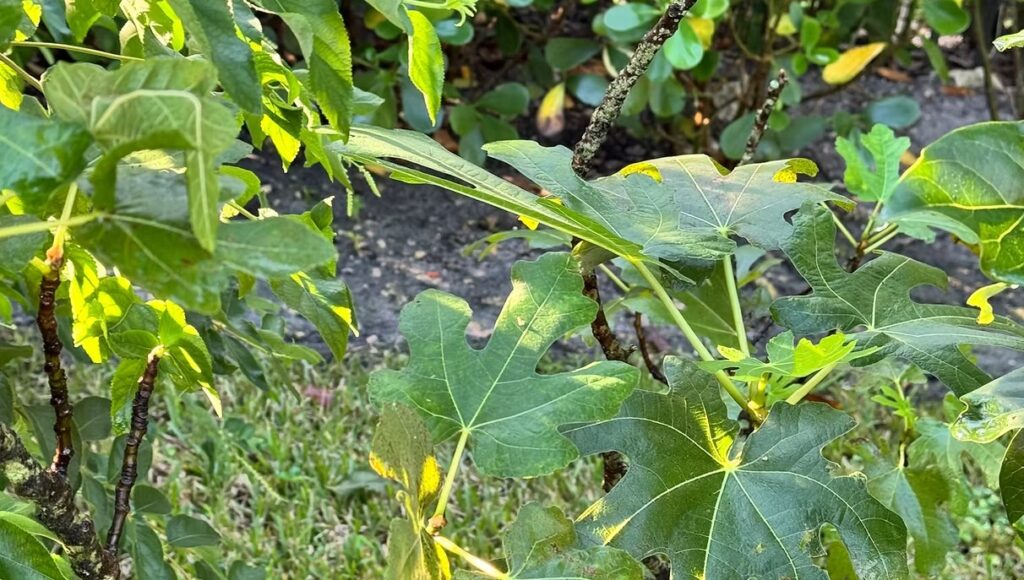
Broad, sculptural leaves bring lush greenery and distinctive texture to this garden fig tree.
Here, you will learn all about chive blossoms and parsley, including how companion planting helps both herbs thrive, the many benefits they bring to your garden, and the delicious ways to use them in everyday cooking. Whether you are creating a thriving kitchen garden or looking for fresh inspiration in the kitchen, chive blossoms and parsley are a versatile pairing that offers beauty, flavor, and abundant harvests throughout the growing season. There is something incredibly satisfying about walking into your garden, brushing your hand across a patch of fragrant herbs, and gathering a handful of fresh parsley alongside a few vibrant purple chive blossoms. Moments like these remind us that a garden is more than a place to grow food. It is a space where beauty, nature, and fresh ingredients come together to inspire every meal. Among the many herbs you can grow, chives and parsley are one of the easiest and most rewarding companion planting combinations. They thrive under similar growing conditions, complement one another beautifully, and provide fresh harvests from spring through fall. Their partnership benefits not only your kitchen but your entire garden by attracting pollinators, supporting beneficial insects, and helping create a healthier growing environment. Whether you are planting a large kitchen garden, filling raised beds, or growing herbs in containers on your patio, chive blossoms and parsley are a pairing that delivers season after season. Their fresh flavors elevate everyday meals, while their graceful appearance adds charm and color to any outdoor space. A Perfect Partnership in the Herb Garden Companion planting is the practice of growing plants together that naturally benefit one another. Some companion plants improve soil conditions, others attract pollinators, while some help reduce pest problems or make better use of available growing space. Chives and parsley check nearly every one of those boxes. Parsley grows in lush, leafy mounds that remain attractive throughout much of the growing season. Chives produce slender green leaves that eventually give way to beautiful globe-shaped blossoms in shades of lavender and purple. Together they create layers of texture and color that look just as lovely in ornamental gardens as they do in vegetable beds. Their similar care requirements also make them easy companions. Both appreciate fertile soil, regular watering, and plenty of sunshine, allowing gardeners to care for both herbs using the same routine. For anyone just beginning an herb garden, this combination is an excellent place to start. Why Companion Planting Matters Healthy gardens are built on diversity. Instead of growing a single crop in isolation, companion planting encourages a balanced ecosystem where plants, pollinators, and beneficial insects work together. Every herb contributes something unique to the garden. Parsley provides dense foliage that helps shade the soil and reduce moisture loss. Chives contribute their distinctive onion aroma while producing nectar-rich flowers that become gathering places for pollinating insects. Together they create an environment where plants thrive naturally. Rather than viewing herbs simply as ingredients for cooking, companion planting reminds us that every plant plays an important role in supporting the health of the entire garden. Chives Help Naturally Discourage Garden Pests One reason gardeners have planted chives throughout vegetable gardens for generations is their reputation for helping reduce certain insect problems. As members of the onion family, chives contain sulfur compounds responsible for their mild onion fragrance. While people enjoy this familiar aroma, many insects do not. Growing chives near parsley may help discourage aphids, Japanese beetles, spider mites, and several other common garden pests. Although companion planting is not a replacement for good garden management, it can become an important part of an organic gardening strategy by encouraging healthier plants and reducing stress caused by insect activity. Many gardeners also plant chives near tomatoes, carrots, strawberries, roses, peppers, and apple trees for the very same reason. Chive Blossoms Bring Your Garden to Life If there is one reason never to cut every chive flower before it opens, it is the incredible number of beneficial insects they attract. As spring transitions into early summer, chives produce clusters of soft purple blossoms that quickly become one of the busiest places in the garden. Honeybees eagerly gather nectar from the flowers while native bees move from bloom to bloom collecting pollen. Butterflies drift through the blossoms, adding movement and beauty to the landscape, while hoverflies quietly perform double duty by feeding on nectar as adults and helping control aphids during their larval stage. Watching these visitors move through your herb garden is one of the simple pleasures of gardening. Their presence also benefits nearby vegetables, fruit trees, berry bushes, and flowering plants that depend on pollination for healthy harvests. Growing Chives and Parsley Together One of the reasons these herbs are so popular is because they are wonderfully uncomplicated. Choose a location that receives at least six hours of sunlight each day. While chives love full sun, parsley appreciates a little afternoon shade during periods of intense summer heat, especially in warmer climates. Plant both herbs in fertile, well-drained soil enriched with compost. Rich organic matter encourages vigorous growth while helping retain moisture between waterings. Water regularly, keeping the soil evenly moist without allowing it to become soggy. Applying a layer of mulch around the plants helps regulate soil temperature, conserve moisture, and reduce weed growth. With only a little routine care, both herbs will reward you with months of fresh harvests. Beautiful in Every Garden Style One of the joys of growing herbs is their versatility. Chives and parsley look equally at home in formal herb gardens, rustic cottage gardens, raised beds, decorative borders, and patio containers. The upright foliage and cheerful blossoms of chives create natural height, while parsley fills the surrounding space with rich green leaves. The contrast between soft purple flowers and vibrant green foliage creates a timeless combination that looks attractive from spring until frost. Many gardeners intentionally plant these herbs near walkways or seating areas where their fragrance and colorful blooms can be enjoyed every day. Other Plants That Thrive
Lavender and chamomile companion planting is one of the easiest and most rewarding ways to create a beautiful, fragrant, and productive herb garden. These two beloved herbs have been cultivated for centuries for their ornamental beauty, calming aromas, culinary uses, and medicinal properties. Together, they form a stunning combination that not only enhances your landscape but also supports pollinators, attracts beneficial insects, and contributes to a healthier garden ecosystem. Whether you are planning a cottage garden, designing a pollinator-friendly landscape, or creating an edible herb garden, lavender and chamomile companion planting offers countless benefits. Their complementary growth habits, similar cultural requirements, and long-lasting blooms make them an ideal pairing for gardeners of all skill levels. What Is Lavender and Chamomile Companion Planting? Lavender and chamomile companion planting is the practice of growing these two herbs together because they thrive under similar growing conditions and provide mutual benefits within the garden. While companion planting cannot eliminate every gardening challenge, it encourages biodiversity, supports beneficial insects, and creates a balanced growing environment. Lavender adds striking vertical spikes of fragrant purple flowers, while chamomile produces delicate white blossoms with cheerful yellow centers. Together they create a classic cottage garden display that is both elegant and functional. Their flowers bloom over an extended period, providing a continuous source of nectar for pollinators while filling the garden with color and fragrance. Benefits of Lavender and Chamomile Companion Planting One of the greatest advantages of lavender and chamomile companion planting is the abundance of pollinators it attracts. Honeybees, native bees, butterflies, hoverflies, and other beneficial insects are drawn to their nectar-rich flowers throughout the growing season. As pollinators visit these herbs, they also improve the pollination of nearby vegetables, fruit trees, berry bushes, and flowering ornamentals. A garden filled with pollinators is often healthier, more productive, and more resilient. Lavender and chamomile also attract beneficial insects such as ladybugs, lacewings, parasitic wasps, and hoverflies. These natural predators help control aphids, whiteflies, spider mites, and other common garden pests, reducing the need for chemical pesticides. Lavender’s aromatic foliage contains naturally fragrant essential oils that may help discourage mosquitoes, moths, fleas, and certain flying insects. While no single plant completely prevents pests, incorporating aromatic herbs into your landscape contributes to a more balanced garden ecosystem. Another advantage of lavender and chamomile companion planting is its simplicity. Since both herbs enjoy similar growing conditions, caring for them together is easy and efficient. Growing Conditions for Lavender and Chamomile Successful lavender and chamomile companion planting begins with choosing the right location. Both herbs grow best in full sun and require at least six to eight hours of direct sunlight each day. Plenty of sunshine encourages compact growth, abundant blooms, and stronger fragrance. Well-drained soil is essential for healthy plants. Lavender thrives in sandy or gravelly soil that drains quickly, while chamomile prefers fertile, loose soil with good drainage. Incorporating compost before planting improves soil structure without sacrificing drainage. Lavender becomes highly drought tolerant once established and prefers the soil to dry slightly between waterings. Chamomile appreciates moderate moisture during dry periods but should never remain in waterlogged soil. Providing adequate spacing between plants encourages good airflow, reduces humidity around the foliage, and minimizes the risk of fungal diseases. The Best Companion Plants for Lavender and Chamomile Although lavender and chamomile thrive together, they also pair beautifully with many other herbs, vegetables, flowers, and fruit-producing plants. Excellent companion plants include rosemary, thyme, sage, oregano, basil, calendula, borage, yarrow, echinacea, roses, strawberries, blueberries, tomatoes, peppers, eggplant, broccoli, cabbage, cauliflower, and many drought-tolerant flowering perennials. These companions benefit from increased pollinator activity while creating a diverse and visually appealing garden. Plants to Avoid To ensure successful lavender and chamomile companion planting, avoid placing lavender near plants that require constantly moist soil. Mint, celery, hostas, watercress, and other moisture-loving plants have watering requirements that differ significantly from lavender. Excess moisture around lavender roots can lead to root rot and poor plant performance. Grouping plants with similar moisture needs simplifies watering and promotes healthier growth throughout the garden. Culinary Uses of Lavender and Chamomile Lavender and chamomile companion planting provides more than ornamental beauty. Both herbs are edible and offer a variety of culinary possibilities. Lavender flowers add delicate floral notes to teas, shortbread cookies, cakes, muffins, scones, ice cream, custards, infused honey, lemonade, simple syrups, sugar blends, and Herbes de Provence seasoning. Lavender also complements roasted vegetables, poultry, lamb, seafood, and grilled dishes. Chamomile flowers are widely enjoyed in herbal teas, infused honey, syrups, jellies, cakes, cookies, fruit salads, custards, smoothies, and homemade desserts. Their mild apple-like flavor makes them a versatile ingredient for both sweet and savory recipes. Growing both herbs together provides a convenient harvest of fresh flowers throughout the growing season. Harvesting Lavender and Chamomile Harvest lavender stems when approximately one-third to one-half of the flowers have opened. At this stage, the blossoms contain the highest concentration of aromatic oils and dry exceptionally well. Chamomile flowers should be harvested once they are fully open. Frequent harvesting encourages additional blooms, providing a continuous supply throughout the season. Dry the flowers in a cool, shaded location with good air circulation before storing them in airtight containers away from direct sunlight. Growing Lavender and Chamomile in Containers Lavender and chamomile companion planting is not limited to garden beds. These herbs also thrive in containers, making them excellent choices for patios, balconies, porches, and small-space gardens. Select containers with drainage holes and fill them with a high-quality, well-draining potting mix. Place containers where they receive plenty of sunlight, and water carefully, allowing the soil to dry slightly between waterings. Container-grown herbs bring fragrance, beauty, and fresh culinary ingredients within easy reach. Why Lavender and Chamomile Companion Planting Belongs in Every Garden Lavender and chamomile companion planting combines ornamental beauty with practical gardening benefits. Their shared growing requirements make them easy to cultivate together, while their abundant flowers support pollinators, attract beneficial insects, and enhance biodiversity throughout the landscape. Whether you are growing herbs for
Chamomile is one of the most treasured herbs in gardens around the world, admired for its cheerful daisy-like flowers, sweet apple-like fragrance, and incredible versatility. Whether you grow it for calming herbal tea, beautiful pollinator-friendly blooms, or flavorful culinary creations, chamomile is a rewarding plant that offers beauty and usefulness throughout the growing season. For thousands of years, chamomile has been valued by cultures across Europe, Asia, and the Middle East. Today, it continues to be one of the most popular herbs for home gardeners because it is easy to grow, requires very little maintenance, and produces an abundance of fragrant blossoms. From cottage gardens and herb borders to raised beds and patio containers, chamomile adds charm while supporting a healthy garden ecosystem. If you are looking for a plant that is as practical as it is beautiful, chamomile deserves a place in your garden. What Is Chamomile? Chamomile is a flowering herb belonging to the Asteraceae family, which also includes daisies, sunflowers, asters, and chrysanthemums. Its delicate white petals surrounding bright golden centers make it instantly recognizable, while its feathery green foliage adds soft texture to the landscape. There are two primary types of chamomile grown by gardeners. German Chamomile (Matricaria chamomilla) is an annual that grows upright and produces hundreds of blossoms throughout the season. It is the most commonly cultivated variety for drying and making herbal tea because of its abundant flower production. Roman Chamomile (Chamaemelum nobile) is a perennial that grows lower to the ground and spreads gradually, creating a fragrant carpet of evergreen foliage in many climates. It is often used as an ornamental ground cover while still producing the familiar chamomile flowers. Although both varieties offer similar fragrance and flavor, each brings its own unique growing habit and ornamental appeal. Why Chamomile Is So Popular Few herbs are as versatile as chamomile. It is equally at home in ornamental flower beds, vegetable gardens, herb gardens, and containers. Gardeners appreciate chamomile because it attracts pollinators, improves biodiversity, and blooms for months with very little care. Home cooks love its delicate floral flavor, while herbal enthusiasts have treasured it for generations. Its ability to serve multiple purposes makes chamomile one of the hardest-working plants in any garden. Growing Chamomile Chamomile is an excellent choice for gardeners of every experience level. It germinates easily, grows quickly, and rewards even minimal care with an abundance of flowers. Choose a location that receives at least six to eight hours of sunlight each day. While chamomile appreciates full sun, it also tolerates light afternoon shade in regions with particularly hot summers. The plant grows best in loose, well-drained soil with moderate fertility. Rich soils tend to produce excessive leafy growth instead of flowers, so heavy fertilization is usually unnecessary. Chamomile seeds are extremely small and require light to germinate. Scatter them across the soil surface and gently press them into the soil without covering them deeply. Keep the soil lightly moist until seedlings emerge. Once established, chamomile develops into a resilient herb that tolerates short periods of drought and continues flowering for much of the growing season. Caring for Chamomile One of chamomile’s greatest advantages is how little maintenance it requires. Water deeply when the soil begins to dry, but avoid consistently wet conditions that can lead to root diseases. Mature plants become surprisingly drought tolerant and often require very little supplemental irrigation. Removing spent flowers encourages the plant to continue producing fresh blooms throughout the summer. Frequent harvesting also stimulates additional flowering, allowing gardeners to enjoy multiple harvests. Adding compost in early spring provides all the nutrients chamomile typically needs without encouraging excessive foliage growth. German chamomile often reseeds itself naturally, providing new plants the following year, while Roman chamomile slowly expands through creeping stems to form an attractive flowering ground cover. Harvesting Chamomile Flowers Harvesting chamomile is one of the most enjoyable parts of growing this herb. The blossoms should be collected once they are fully open but before the petals begin to droop. Morning is generally considered the ideal harvest time after the dew has evaporated but before the day’s heat becomes intense. Fresh flowers may be used immediately or dried for long-term storage. Spread the blossoms in a single layer on a screen or drying rack in a cool, dry location with good air circulation and away from direct sunlight. Once completely dry, store them in airtight glass jars in a cool pantry where they can retain much of their fragrance and flavor for up to one year. Culinary Uses of Chamomile Although chamomile is best known as a tea herb, its culinary possibilities extend far beyond the teacup. Its delicate floral flavor carries gentle notes of apple, honey, and wildflowers that complement a wide variety of recipes. Chamomile can be infused into honey to create a naturally floral sweetener for biscuits, yogurt, pancakes, and toast. The flowers make wonderful simple syrups that add elegance to lemonade, iced tea, sparkling water, cocktails, and mocktails. Home bakers frequently incorporate chamomile into cakes, cupcakes, cookies, muffins, scones, and shortbread, where its subtle floral aroma pairs beautifully with vanilla and citrus. The blossoms can also flavor custards, panna cotta, rice pudding, homemade ice cream, whipped cream, fruit compotes, jams, and jellies. Fresh flowers may be sprinkled over green salads, fruit salads, cheese boards, or used as edible garnishes for desserts. Chamomile pairs especially well with apples, pears, peaches, lemons, oranges, honey, vanilla, cinnamon, lavender, rosemary, mint, lemon balm, strawberries, blueberries, and blackberries. Herbal and Traditional Uses Chamomile has a long and fascinating history that spans thousands of years. Ancient civilizations valued the herb for its pleasant aroma and included it in everyday life for a variety of traditional purposes. Today, chamomile remains one of the most widely enjoyed herbal teas in the world. Beyond tea, the flowers are commonly used to prepare herbal infusions, facial steams, bath soaks, infused oils, soaps, lotions, and handcrafted skincare products. Chamomile naturally contains beneficial plant compounds, including antioxidants and flavonoids, that have
Originally published
March 2026
Updated
August 2026
Reviewed by
Culibloom