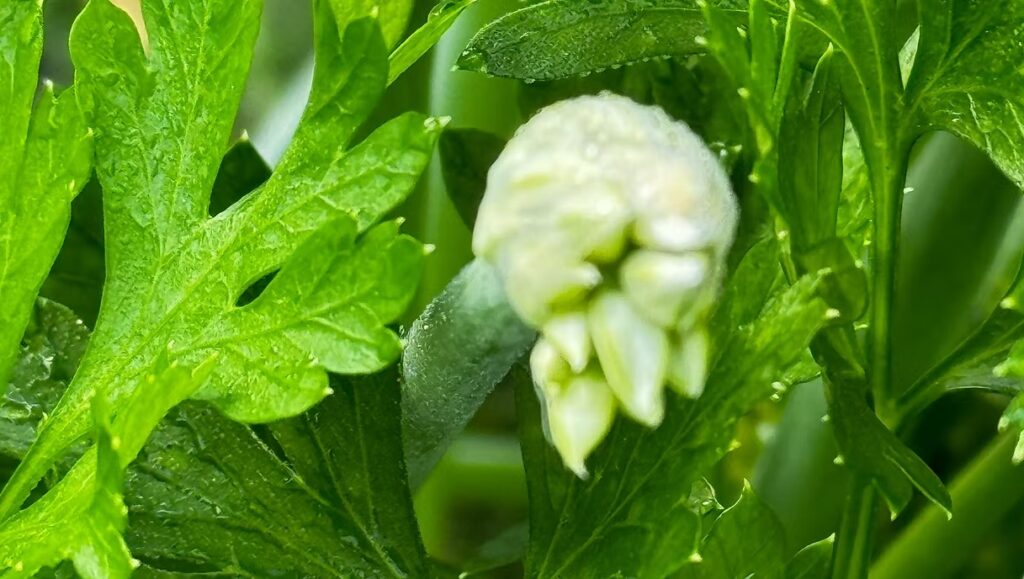
Chive Blossoms and Parsley Companion Planting: Grow a Beautiful Herb Garden Full of Flavor
Here, you will learn all about chive blossoms and parsley, including how companion planting helps both herbs thrive, the many benefits they bring to your garden, and the delicious ways to use them in everyday cooking. Whether you are creating a thriving kitchen garden or looking for fresh inspiration in the kitchen, chive blossoms and parsley are a versatile pairing that offers beauty, flavor, and abundant harvests throughout the growing season.
There is something incredibly satisfying about walking into your garden, brushing your hand across a patch of fragrant herbs, and gathering a handful of fresh parsley alongside a few vibrant purple chive blossoms. Moments like these remind us that a garden is more than a place to grow food. It is a space where beauty, nature, and fresh ingredients come together to inspire every meal.
Among the many herbs you can grow, chives and parsley are one of the easiest and most rewarding companion planting combinations. They thrive under similar growing conditions, complement one another beautifully, and provide fresh harvests from spring through fall. Their partnership benefits not only your kitchen but your entire garden by attracting pollinators, supporting beneficial insects, and helping create a healthier growing environment.
Whether you are planting a large kitchen garden, filling raised beds, or growing herbs in containers on your patio, chive blossoms and parsley are a pairing that delivers season after season. Their fresh flavors elevate everyday meals, while their graceful appearance adds charm and color to any outdoor space.
A Perfect Partnership in the Herb Garden
Companion planting is the practice of growing plants together that naturally benefit one another. Some companion plants improve soil conditions, others attract pollinators, while some help reduce pest problems or make better use of available growing space.
Chives and parsley check nearly every one of those boxes.
Parsley grows in lush, leafy mounds that remain attractive throughout much of the growing season. Chives produce slender green leaves that eventually give way to beautiful globe-shaped blossoms in shades of lavender and purple. Together they create layers of texture and color that look just as lovely in ornamental gardens as they do in vegetable beds.
Their similar care requirements also make them easy companions. Both appreciate fertile soil, regular watering, and plenty of sunshine, allowing gardeners to care for both herbs using the same routine.
For anyone just beginning an herb garden, this combination is an excellent place to start.
Why Companion Planting Matters
Healthy gardens are built on diversity. Instead of growing a single crop in isolation, companion planting encourages a balanced ecosystem where plants, pollinators, and beneficial insects work together.
Every herb contributes something unique to the garden.
Parsley provides dense foliage that helps shade the soil and reduce moisture loss. Chives contribute their distinctive onion aroma while producing nectar-rich flowers that become gathering places for pollinating insects.
Together they create an environment where plants thrive naturally.
Rather than viewing herbs simply as ingredients for cooking, companion planting reminds us that every plant plays an important role in supporting the health of the entire garden.
Chives Help Naturally Discourage Garden Pests
One reason gardeners have planted chives throughout vegetable gardens for generations is their reputation for helping reduce certain insect problems.
As members of the onion family, chives contain sulfur compounds responsible for their mild onion fragrance. While people enjoy this familiar aroma, many insects do not.
Growing chives near parsley may help discourage aphids, Japanese beetles, spider mites, and several other common garden pests. Although companion planting is not a replacement for good garden management, it can become an important part of an organic gardening strategy by encouraging healthier plants and reducing stress caused by insect activity.
Many gardeners also plant chives near tomatoes, carrots, strawberries, roses, peppers, and apple trees for the very same reason.
Chive Blossoms Bring Your Garden to Life
If there is one reason never to cut every chive flower before it opens, it is the incredible number of beneficial insects they attract.
As spring transitions into early summer, chives produce clusters of soft purple blossoms that quickly become one of the busiest places in the garden.
Honeybees eagerly gather nectar from the flowers while native bees move from bloom to bloom collecting pollen. Butterflies drift through the blossoms, adding movement and beauty to the landscape, while hoverflies quietly perform double duty by feeding on nectar as adults and helping control aphids during their larval stage.
Watching these visitors move through your herb garden is one of the simple pleasures of gardening.
Their presence also benefits nearby vegetables, fruit trees, berry bushes, and flowering plants that depend on pollination for healthy harvests.
Growing Chives and Parsley Together
One of the reasons these herbs are so popular is because they are wonderfully uncomplicated.
Choose a location that receives at least six hours of sunlight each day. While chives love full sun, parsley appreciates a little afternoon shade during periods of intense summer heat, especially in warmer climates.
Plant both herbs in fertile, well-drained soil enriched with compost. Rich organic matter encourages vigorous growth while helping retain moisture between waterings.
Water regularly, keeping the soil evenly moist without allowing it to become soggy. Applying a layer of mulch around the plants helps regulate soil temperature, conserve moisture, and reduce weed growth.
With only a little routine care, both herbs will reward you with months of fresh harvests.
Beautiful in Every Garden Style
One of the joys of growing herbs is their versatility.
Chives and parsley look equally at home in formal herb gardens, rustic cottage gardens, raised beds, decorative borders, and patio containers.
The upright foliage and cheerful blossoms of chives create natural height, while parsley fills the surrounding space with rich green leaves.
The contrast between soft purple flowers and vibrant green foliage creates a timeless combination that looks attractive from spring until frost.
Many gardeners intentionally plant these herbs near walkways or seating areas where their fragrance and colorful blooms can be enjoyed every day.
Other Plants That Thrive Nearby
Although chives and parsley make excellent companions for one another, they also work well with many vegetables, herbs, fruits, and flowers.
They are wonderful additions alongside tomatoes, carrots, peppers, lettuce, spinach, kale, broccoli, cabbage, strawberries, chamomile, calendula, rosemary, thyme, oregano, and sage.
By mixing herbs throughout your vegetable garden instead of planting them in one isolated area, you encourage greater biodiversity while creating an attractive landscape filled with beneficial insects and pollinators.
Harvesting Fresh Herbs Throughout the Season
One of the greatest rewards of growing herbs is knowing that every harvest encourages even more growth.
Parsley should be harvested by removing the older outer stems first. Cut each stem near the base of the plant rather than simply removing individual leaves. This encourages vigorous new growth from the center while keeping the plant full and productive.
Chives respond beautifully to regular harvesting as well. Trim the leaves about one to two inches above the soil, allowing fresh leaves to emerge quickly.
If you enjoy cooking with edible flowers, allow several chive plants to bloom while continuing to harvest leaves from the others.
Harvest blossoms shortly after they fully open when their color is brightest and their flavor is freshest.
Cooking with Chive Blossoms
Many people grow chives for years before discovering that the flowers are just as delicious as the leaves.
Chive blossoms offer a delicate onion flavor with subtle floral notes that make everyday dishes feel a little more special.
Separate the tiny florets and scatter them over garden salads, potato salad, roasted vegetables, soups, deviled eggs, pasta dishes, grain bowls, and avocado toast for an elegant finishing touch.
One of the most popular ways to preserve the blossoms is by making chive blossom vinegar. As the flowers steep in white wine vinegar, they transform the liquid into a beautiful rosy pink while infusing it with a mild onion flavor perfect for homemade vinaigrettes and marinades.
The blossoms are equally delicious blended into herb butter, cream cheese, sour cream dips, herb oils, and soft cheeses.
Their vibrant color makes every dish look as beautiful as it tastes.
Fresh Parsley Brings Every Meal to Life
Parsley is often thought of as a garnish, but it deserves recognition as one of the hardest-working herbs in the kitchen.
Its clean, fresh flavor complements nearly every savory dish while adding brightness that balances richer ingredients.
Fresh parsley can be stirred into soups, stews, roasted vegetables, rice, pasta, potatoes, seafood, grilled chicken, beef, lamb, casseroles, stuffing, sauces, marinades, and homemade salad dressings.
It also shines in classic recipes like chimichurri, tabbouleh, gremolata, herb butter, and fresh pesto variations.
In addition to its wonderful flavor, parsley is naturally rich in vitamins A, C, and K along with beneficial antioxidants, making it as nutritious as it is delicious.
A Flavor Combination Made for Garden-to-Table Cooking
Few herb combinations are as naturally balanced as chive blossoms and parsley.
The mild onion flavor of the blossoms pairs perfectly with parsley’s fresh, slightly peppery taste, creating a combination that enhances food without overwhelming it.
Together they elevate roasted potatoes, mashed potatoes, scrambled eggs, omelets, quiche, grilled seafood, roasted chicken, homemade herb butter, vegetable soups, pasta dishes, cucumber salads, creamy dips, vinaigrettes, and freshly baked bread served with herb-infused butter.
Having both herbs growing just outside your kitchen door makes it easy to finish every meal with fresh flavor picked only moments before serving.
That is one of the greatest joys of gardening. The freshest ingredients are always within reach.
Why Every Herb Garden Should Include Chives and Parsley
Whether you are planting your very first herb garden or expanding an established landscape, chive blossoms and parsley are a combination that rarely disappoints.
They are easy to grow, remarkably productive, visually stunning, and incredibly useful in the kitchen. Together they support pollinators, encourage beneficial insects, naturally contribute to a healthier garden ecosystem, and provide continuous harvests that inspire countless homemade meals.
From colorful spring blossoms buzzing with bees to fresh parsley tucked into family recipes all summer long, these herbs remind us that gardening is about more than growing plants. It is about creating connections between the garden, the kitchen, and the people gathered around the table.
Plant them together once, and they will quickly become two of the most valued herbs in your garden year after year.
A delicate chive blossom emerges from a lush patch of fresh parsley.
Discover everything you need to know about Achacha fruit, including its unique sweet and tangy flavor, health benefits, culinary uses, how to eat it, and why this rare tropical fruit deserves a place in your kitchen and garden. Achacha Fruit: A Sweet and Tangy Tropical Treasure If you enjoy discovering exotic fruits, Achacha is one that deserves a spot on your must-try list. This beautiful tropical fruit is prized for its refreshing flavor, vibrant appearance, and surprising versatility in the kitchen. Although it remains relatively uncommon outside tropical regions, Achacha has gained a loyal following among chefs, gardeners, and fruit enthusiasts who appreciate its exceptional taste and impressive nutritional value. Native to the Amazon rainforest of Bolivia, Achacha has become increasingly popular in tropical climates around the world. Botanically known as Garcinia humilis, it belongs to the same family as mangosteen, yet offers its own distinctive flavor profile that is bright, refreshing, and wonderfully balanced. What Makes Achacha Fruit So Special? Achacha immediately stands out because of its eye-catching appearance. Each fruit is about the size of a small egg and is covered with a thick, smooth rind that ripens to a rich golden-orange color. The vibrant shell naturally protects the fruit, allowing it to stay fresh longer than many delicate tropical fruits. When the rind is gently cracked open, it reveals glossy, translucent white flesh wrapped around one or two smooth brown seeds. The flesh has a jewel-like appearance that glistens in the light, making it just as visually appealing as it is delicious. Unlike many tropical fruits that can be messy to prepare, Achacha is incredibly easy to enjoy. Simply score or crack the rind with your hands, peel it open, and gently remove the juicy flesh surrounding the seed. No special tools are required, making it a convenient snack whether you are at home or on the go. What Does Achacha Taste Like? The flavor of Achacha is what truly makes this fruit unforgettable. Every bite delivers an ideal balance of sweetness and refreshing acidity. Its flavor has been compared to a combination of mangosteen, peach, pineapple, mango, citrus, and passion fruit with subtle floral notes. The result is a crisp, juicy fruit that is both sweet and pleasantly tangy without becoming overpowering. Its bright acidity cleanses the palate, while its natural sweetness creates a refreshing finish that keeps you reaching for another piece. Unlike overly sugary fruits, Achacha offers a clean, vibrant taste that feels light and refreshing. Its aroma is equally delightful, offering delicate hints of tropical blossoms and fresh citrus that complement its juicy texture. Health Benefits of Achacha Fruit Achacha is more than just delicious. It is also packed with nutrients that make it an excellent addition to a healthy diet. The fruit naturally contains vitamin C, which supports immune health and collagen production. It also provides dietary fiber to support healthy digestion and antioxidants that help protect the body’s cells from oxidative stress. Because the flesh contains a high percentage of water, Achacha is naturally hydrating and makes a refreshing snack during warm weather. It is also relatively low in calories, making it a flavorful option for anyone looking to enjoy fresh fruit while maintaining a balanced diet. Culinary Uses for Achacha One of Achacha’s greatest strengths is its versatility in the kitchen. Its sweet and tangy flavor complements both sweet desserts and savory dishes. Fresh Achacha is delicious eaten on its own or added to colorful fruit salads with pineapple, mango, kiwi, strawberries, blueberries, and citrus. The juicy flesh blends beautifully into smoothies with bananas, coconut water, yogurt, pineapple, or mango. It also creates refreshing fresh juices and tropical beverages. Achacha is equally at home in frozen desserts. Its naturally bright flavor makes outstanding sorbets, granitas, popsicles, frozen yogurt, and homemade ice cream. For dessert lovers, Achacha pairs wonderfully with cheesecakes, panna cotta, pavlova, fruit tarts, mousse, trifles, yogurt parfaits, and vanilla cakes. Its balanced acidity also makes it an excellent ingredient for homemade jams, jellies, fruit preserves, syrups, and dessert sauces. Savory cooks can use Achacha to create tropical salsas by combining it with tomatoes, mango, jalapeños, cilantro, red onion, and lime juice. These fresh salsas pair beautifully with grilled fish, shrimp, chicken, pork, and tacos. Pureed Achacha can also be transformed into vibrant vinaigrettes and salad dressings with olive oil, honey, Dijon mustard, citrus juice, and fresh herbs. For entertaining, Achacha shines in cocktails and mocktails. Its refreshing flavor blends perfectly with sparkling water, tonic, ginger beer, rum, vodka, tequila, or prosecco while also making delicious alcohol-free beverages with lemonade and fresh herbs. The Peel Is Useful Too One of the most unique characteristics of Achacha is that the peel is not simply discarded. After washing thoroughly, the thick orange rind can be simmered in water to create a fragrant, citrus-inspired infusion. This naturally flavored beverage can be served chilled over ice or used as the foundation for syrups, cocktails, mocktails, and refreshing summer drinks. This ability to use both the fruit and its peel makes Achacha stand out among many other tropical fruits. Flavor Pairings Achacha pairs exceptionally well with coconut, vanilla, lime, lemon, orange, pineapple, mango, passion fruit, strawberries, raspberries, blueberries, kiwi, mint, basil, ginger, cinnamon, cardamom, honey, yogurt, white chocolate, dark chocolate, goat cheese, mascarpone, burrata, seafood, grilled chicken, pork, and fresh garden herbs. Why Gardeners and Food Lovers Appreciate Achacha Achacha has become increasingly popular among tropical fruit growers because of its attractive appearance, delicious fruit, and ability to thrive in warm climates. Home gardeners appreciate growing a fruit that is still relatively rare, while chefs value its unique flavor that adds elegance to both everyday meals and special occasions. Its combination of beauty, flavor, nutrition, and culinary versatility makes Achacha one of the most exciting tropical fruits available today. Whether you enjoy it fresh from the tree, blended into smoothies, transformed into elegant desserts, or incorporated into savory recipes, Achacha delivers a refreshing burst of tropical flavor that is unlike any other fruit.
Nothing says tropical paradise quite like a thriving mango tree loaded with sweet, juicy fruit. With its glossy evergreen leaves, fragrant spring blossoms, and colorful harvest, a mango tree adds beauty, shade, and incredible flavor to any landscape. Whether you dream of picking fresh mangoes from your backyard or simply want an attractive fruit tree that thrives in warm climates, growing a mango tree is a rewarding investment that can provide delicious harvests for decades. Native to South Asia, the mango tree has been cultivated for more than 4,000 years and is now one of the most popular tropical fruit trees in the world. Gardeners appreciate its relatively low maintenance requirements once established, while home cooks love having an endless supply of fresh mangoes for smoothies, desserts, salads, salsas, jams, and fresh snacking. One of the greatest advantages of planting a mango tree is its longevity. A healthy, well-maintained tree can remain productive for many years, becoming a treasured part of your landscape. Whether you choose a large traditional variety or a compact dwarf tree for a smaller yard or patio, learning how to properly care for your mango tree will help you enjoy healthy growth and abundant harvests season after season. What Is a Mango Tree? The mango tree (Mangifera indica) is a tropical evergreen tree belonging to the Anacardiaceae family, which also includes cashews, pistachios, and poison ivy. It is prized worldwide for producing one of the most beloved tropical fruits. Depending on the variety, mature mango trees can range from 15 feet to well over 100 feet tall. Fortunately, many modern cultivars are specifically bred to remain compact, making them excellent choices for home gardens and container growing. The tree is attractive throughout the year. Young leaves emerge in shades of bronze, copper, or reddish-purple before gradually turning into deep glossy green foliage. During late winter and spring, thousands of tiny fragrant flowers appear in large clusters at the ends of the branches. Although only a small percentage of these blossoms develop into fruit, the resulting harvest is often more than enough for fresh eating and preserving. Why You Should Grow a Mango Tree A mango tree offers much more than delicious fruit. It provides year-round beauty while serving as a valuable addition to an edible landscape. Homegrown mangoes often have a richer flavor, smoother texture, and sweeter taste than many store-bought varieties because they can ripen naturally on the tree. The dense evergreen canopy provides welcome shade during hot summer months, helping create a cooler and more inviting outdoor space. Once established, mango trees are relatively drought tolerant and require less maintenance than many other fruit trees. A single healthy tree can produce generous harvests for decades, making it one of the most rewarding long-term additions to a home garden. The fragrant flowers also attract bees, butterflies, and other beneficial pollinators that help support a thriving garden ecosystem. The Best Climate for Growing Mango Trees Mango trees thrive in tropical and subtropical regions where warm temperatures are consistent throughout the year. They perform especially well in areas with hot summers, mild winters, and plenty of sunshine. Ideal temperatures range between 70 and 90°F throughout most of the growing season. Young trees are sensitive to frost, while mature trees may suffer branch damage if temperatures fall below approximately 30°F. Gardeners living in cooler climates often grow dwarf mango trees in containers so they can be moved indoors or into protected areas during cold weather. Dry conditions during flowering encourage better fruit production, while excessive rainfall and humidity during bloom may increase the risk of fungal diseases. Choosing the Best Location Location is one of the most important factors in successfully growing a healthy mango tree. Plant your tree in an area that receives at least eight hours of direct sunlight every day. Full sun encourages vigorous growth, stronger flowering, and sweeter fruit. Choose a site with excellent air circulation and enough room for the mature size of your selected variety. Large trees need plenty of space, while dwarf cultivars can comfortably fit into smaller landscapes. Avoid planting in low areas where water collects after heavy rain, since consistently wet soil can damage the root system. Soil Requirements Mango trees are adaptable to many soil types, but proper drainage is essential. The best soils are sandy, sandy loam, or well-drained loamy soils with a slightly acidic to neutral pH between 5.5 and 7.5. Heavy clay soils that remain waterlogged should be improved before planting or avoided altogether. If drainage is poor, creating a raised planting mound can significantly improve root health and reduce the likelihood of root rot. How to Plant a Mango Tree The ideal time to plant a mango tree is during warm weather after the danger of frost has passed. Dig a planting hole approximately twice as wide as the root ball but no deeper than the container in which the tree was growing. Carefully loosen circling roots before placing the tree into the hole. Position the tree so the top of the root ball sits level with the surrounding soil. Backfill using the native soil, gently firming it around the roots. Water thoroughly immediately after planting to settle the soil and eliminate air pockets. Finish by adding a layer of mulch around the tree to help conserve moisture, regulate soil temperature, and suppress weeds. Keep the mulch several inches away from the trunk to prevent moisture-related diseases. Watering Your Mango Tree Proper watering is especially important during the first year after planting. Newly planted mango trees benefit from deep watering two to three times each week while becoming established. As the tree matures, it develops excellent drought tolerance. Mature trees generally require deep watering every one to two weeks during extended dry periods. Reduce watering during winter whenever possible. Slightly drier conditions encourage flowering and often improve fruit production. Avoid overwatering, as constantly saturated soil is one of the most common causes of poor tree health. Fertilizing for Healthy Growth Young mango trees
Learn how to grow healthy fig trees at home, including variety selection, planting, watering, pruning, winter protection, harvesting, and troubleshooting. Fig trees bring beauty, character, and remarkable flavor to a home garden. Their broad, deeply lobed leaves create a lush appearance, while their sweet fruit can be enjoyed fresh from the tree, dried, preserved, baked into desserts, or added to savory dishes. Once established in a suitable location, a fig tree can produce generously with relatively straightforward care. The common fig, botanically known as Ficus carica, is a deciduous shrub or small tree native to western Asia and the Mediterranean region. Although figs are associated with warm climates, gardeners in many cooler regions can grow them successfully by choosing a cold-tolerant variety, planting in a protected microclimate, or using a container that can be moved into shelter for winter. Successful fig growing begins with the right variety and location. Sunlight, drainage, seasonal warmth, winter temperatures, moisture, and pruning practices can all influence whether a tree develops healthy growth and fully ripened fruit. This complete fig tree growing guide explains how to select, plant, water, fertilize, prune, protect, harvest, and troubleshoot fig trees at home. Understanding How Fig Trees Grow A fig is not a conventional fruit with visible flowers. What appears to be the fruit is a hollow structure called a syconium. The tiny flowers develop inside this structure, which is why gardeners do not see blossoms covering a fig tree before fruit appears. There are several types of edible figs, but common figs are generally the most practical choice for home gardens. Most commonly sold home-garden varieties can develop fruit without cross-pollination, which means a single tree may produce a crop. Some specialized varieties require pollination by a particular fig wasp and may not produce properly in regions where that pollinator is absent. Buying a named common fig variety from a reliable regional nursery helps prevent this problem. Depending on the variety and climate, a fig tree may produce one or two crops. The early crop, known as the breba crop, forms on growth produced during the previous season. The main crop normally develops later on new growth. A cold winter or heavy pruning can eliminate the breba crop while still allowing the tree to produce a later crop on new branches. Choosing the Best Fig Variety for Your Climate Variety selection should be based on winter hardiness, summer heat, the length of the growing season, local humidity, and whether the tree will grow in the ground or a container. A variety that performs beautifully in a hot Southern garden may ripen too late in a cool Northern climate. Brown Turkey is a familiar and widely grown fig with brownish-purple skin and sweet flesh. It adapts to a range of conditions and can produce fruit on new growth after winter damage. Celeste produces small to medium fruit with light brown to violet skin and sweet flesh. Its relatively tight fruit opening can help limit problems caused by insects and excess moisture. It is especially popular in warm, humid regions. Chicago Hardy is frequently selected for colder climates because its roots can survive lower temperatures than those of many tender varieties when properly established and protected. Aboveground growth may still die back during severe winter weather, so the name should not be interpreted as a guarantee that every branch will survive extreme cold. Black Mission produces dark purple fruit with richly flavored pink or red flesh. It performs best where summers are warm and the growing season is sufficiently long. In colder areas, it may be better suited to container cultivation. Violette de Bordeaux produces smaller, dark-skinned figs with a rich flavor. Its naturally compact growth and suitability for pruning can make it an appealing option for containers and smaller gardens. Desert King is known for producing a dependable breba crop in climates with cooler summers. Because breba figs form on the previous year’s wood, winter protection and careful pruning are particularly important. Local performance is more valuable than a variety’s general description. A cooperative extension office, regional nursery, or experienced grower can help identify cultivars that reliably ripen before the first fall frost in your area. Selecting the Right Planting Location Fig trees produce their best growth and fruit in full sun. Choose a location that receives at least six to eight hours of direct sunlight, with more sun being beneficial in cool or short-season regions. A south-facing wall can create a warmer microclimate, protect the tree from cold winds, and help the fruit ripen. Good drainage is essential. Fig trees adapt to several soil types, but they should not remain in saturated ground. Standing water and prolonged soil saturation can contribute to root and crown problems. If the garden has heavy clay or a consistently high water table, consider planting on a raised mound or growing the tree in a large container. Allow enough room for the mature canopy and roots. The final size depends on variety, climate, pruning, and winter dieback, but an unrestrained fig can become a broad shrub or small tree. Avoid planting directly beside foundations, septic systems, drains, or paved areas where vigorous roots and spreading growth may become difficult to manage. In colder climates, select a sheltered area away from low spots where cold air collects. A position beside a south-facing masonry wall may provide additional warmth, although the tree still needs adequate airflow and space. When to Plant a Fig Tree In climates with mild winters, figs may be planted while dormant in fall or early winter. In colder regions, spring planting is generally safer. Wait until the danger of a hard freeze has passed so the young tree has an entire growing season to establish roots before winter. Container-grown trees offer more flexibility than bare-root plants, but they still require protection from extreme heat, drought, and sudden cold during establishment. Avoid planting during periods of frozen soil, waterlogged conditions, or intense summer heat. How to Plant a Fig Tree Before
Originally published
March 2026
Updated
August 2026
Reviewed by
Culibloom