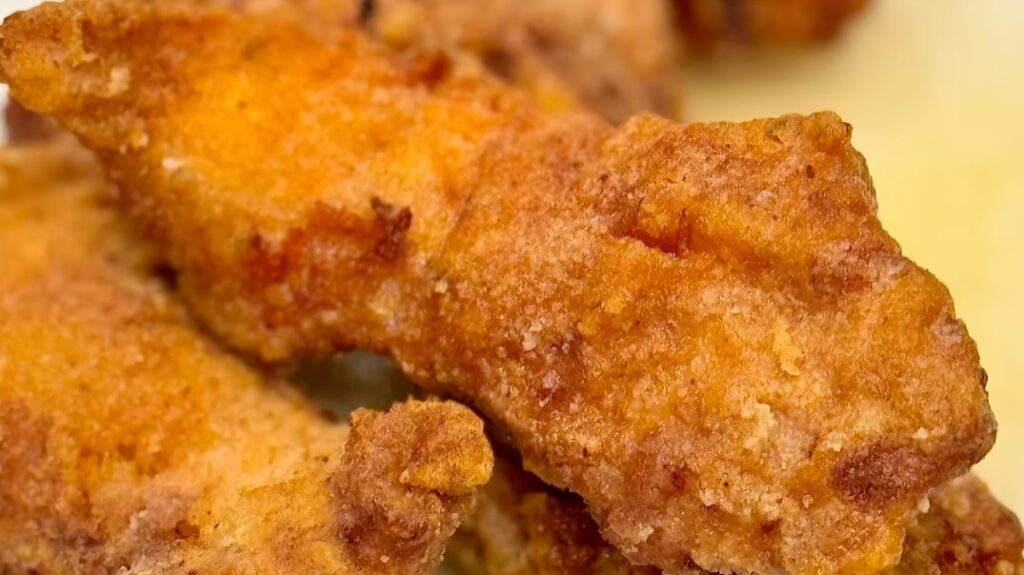

Discover how to make crispy gluten-free fried chicken with a seasoned buttermilk marinade and your choice of fried or oven-baked cooking methods.
Few comfort foods are as satisfying as freshly cooked chicken with a golden, crunchy coating and tender, flavorful meat. This Crispy Gluten-Free Fried Chicken delivers the familiar texture and flavor of classic fried chicken without relying on wheat flour.
A seasoned buttermilk marinade helps keep the chicken juicy, while a combination of gluten-free flours and starches creates a light coating that becomes beautifully crisp. The chicken can be traditionally fried for maximum crunch or oven-baked for a lighter option that still offers plenty of flavor and texture.
What Makes Gluten-Free Fried Chicken Crispy?
The secret to crispy gluten-free fried chicken is using the right combination of flour and starch. Rice flour provides structure and helps the coating brown, while tapioca flour and potato starch contribute a delicate, crisp texture.
Together, these ingredients create a coating that is lighter than one made with wheat flour but sturdy enough to cling to the chicken. The result is a golden crust with a satisfying crunch in every bite.
Allowing the coated chicken to rest briefly before cooking also helps. This gives the marinade time to hydrate the dry coating, helping it adhere more securely instead of separating from the chicken during frying or baking.
Why Use a Buttermilk Marinade?
Buttermilk is a classic choice for fried chicken because it adds flavor and helps keep the meat tender and moist. Its thick consistency also gives the gluten-free coating something to cling to.
Seasoning the buttermilk is important because it flavors the chicken beneath the crust. Paprika, garlic, onion powder, oregano, salt, and black pepper create a savory foundation that complements the crisp coating.
When buttermilk is unavailable, milk mixed with fresh lemon juice can provide a convenient alternative. Giving the chicken several hours to marinate allows the seasoning to penetrate the meat and produces a more flavorful finished dish.
Choosing Between Fried and Oven-Baked Chicken
Traditional frying creates the deepest golden color and crispiest texture. Cooking the chicken in hot oil quickly sets the coating, producing the familiar crunch associated with Southern-style fried chicken.
A second, shorter fry can make the exterior even crispier. This technique allows the chicken to rest between frying sessions before returning to the oil for a final golden finish.
Oven-baking is an excellent choice when you want to use less oil. Elevating the chicken on a wire rack allows hot air to circulate around each piece, helping the coating cook more evenly. Brushing the exterior with avocado oil encourages browning and prevents the gluten-free coating from tasting dry or powdery.
The fried version will generally have a richer flavor and more pronounced crunch, while the oven-baked version offers a lighter texture and easier cleanup.
Tips for a Crisp, Even Coating
Excess marinade should be allowed to drip from the chicken before it is coated. Too much liquid can create heavy, uneven patches that may separate during cooking.
Pressing the flour mixture firmly against the chicken helps create complete coverage. For a thicker crust, the chicken can be coated twice. A double coating produces more ridges and textured areas that become especially crunchy.
Temperature is also important when frying. Oil that is not hot enough may make the coating greasy, while excessively hot oil can brown the outside before the chicken is fully cooked. Frying the chicken in small batches helps prevent sudden temperature drops and promotes even cooking.
For oven-baked chicken, space between the pieces is essential. Crowding the rack traps steam, which can soften the coating and interfere with browning.
How to Serve Gluten-Free Fried Chicken
Crispy gluten-free fried chicken pairs beautifully with classic comfort-food side dishes. Mashed potatoes, coleslaw, baked beans, collard greens, corn, and gluten-free biscuits can turn it into a hearty Southern-inspired meal.
For a lighter plate, serve the oven-baked chicken with a crisp green salad, roasted vegetables, grilled corn, or a tangy cabbage slaw. Pickles and a drizzle of honey can provide a delicious contrast to the savory seasoning.
The chicken also works well for casual entertaining. Serve it at picnics, game-day gatherings, summer cookouts, or family celebrations with a selection of gluten-free dipping sauces.
Keeping the Coating Crisp
A wire rack is useful after frying because it allows excess oil to drain without trapping steam beneath the chicken. Placing hot chicken directly into a covered container can soften the crust, so it is best to let it cool slightly before storing it.
Leftover chicken can be refrigerated in an airtight container. Reheating it in an oven or air fryer will restore more of the original crunch than reheating it in a microwave.
Gluten-Free Ingredient Safety
When cooking for someone with celiac disease or gluten sensitivity, check the labels on all packaged ingredients. Spices, starches, flour, buttermilk, and cooking oils should have appropriate gluten-free labeling when necessary.
Clean bowls, utensils, work surfaces, cookware, and wire racks thoroughly before beginning. Avoid using oil that has previously been used to fry foods containing gluten, and prevent contact with wheat flour, breadcrumbs, or shared cooking tools.
A Comfort-Food Favorite With Two Cooking Options
Crispy Gluten-Free Fried Chicken proves that removing wheat flour does not mean giving up a crunchy coating or classic comfort-food flavor. The seasoned buttermilk marinade keeps the chicken tender, while the carefully balanced gluten-free coating creates a beautifully crisp exterior.
Whether traditionally fried or oven-baked, this chicken makes a satisfying centerpiece for family dinners, parties, picnics, and relaxed weekend meals.