Chamomile: A Complete Guide to Growing, Harvesting, Culinary Uses, and Garden Benefits
Chamomile is one of the most treasured herbs in gardens around the world, admired for its cheerful daisy-like flowers, sweet apple-like fragrance, and incredible versatility. Whether you grow it for calming herbal tea, beautiful pollinator-friendly blooms, or flavorful culinary creations, chamomile is a rewarding plant that offers beauty and usefulness throughout the growing season.
For thousands of years, chamomile has been valued by cultures across Europe, Asia, and the Middle East. Today, it continues to be one of the most popular herbs for home gardeners because it is easy to grow, requires very little maintenance, and produces an abundance of fragrant blossoms. From cottage gardens and herb borders to raised beds and patio containers, chamomile adds charm while supporting a healthy garden ecosystem.
If you are looking for a plant that is as practical as it is beautiful, chamomile deserves a place in your garden.
What Is Chamomile?
Chamomile is a flowering herb belonging to the Asteraceae family, which also includes daisies, sunflowers, asters, and chrysanthemums. Its delicate white petals surrounding bright golden centers make it instantly recognizable, while its feathery green foliage adds soft texture to the landscape.
There are two primary types of chamomile grown by gardeners.
German Chamomile (Matricaria chamomilla) is an annual that grows upright and produces hundreds of blossoms throughout the season. It is the most commonly cultivated variety for drying and making herbal tea because of its abundant flower production.
Roman Chamomile (Chamaemelum nobile) is a perennial that grows lower to the ground and spreads gradually, creating a fragrant carpet of evergreen foliage in many climates. It is often used as an ornamental ground cover while still producing the familiar chamomile flowers.
Although both varieties offer similar fragrance and flavor, each brings its own unique growing habit and ornamental appeal.
Why Chamomile Is So Popular
Few herbs are as versatile as chamomile. It is equally at home in ornamental flower beds, vegetable gardens, herb gardens, and containers.
Gardeners appreciate chamomile because it attracts pollinators, improves biodiversity, and blooms for months with very little care. Home cooks love its delicate floral flavor, while herbal enthusiasts have treasured it for generations.
Its ability to serve multiple purposes makes chamomile one of the hardest-working plants in any garden.
Growing Chamomile
Chamomile is an excellent choice for gardeners of every experience level. It germinates easily, grows quickly, and rewards even minimal care with an abundance of flowers.
Choose a location that receives at least six to eight hours of sunlight each day. While chamomile appreciates full sun, it also tolerates light afternoon shade in regions with particularly hot summers.
The plant grows best in loose, well-drained soil with moderate fertility. Rich soils tend to produce excessive leafy growth instead of flowers, so heavy fertilization is usually unnecessary.
Chamomile seeds are extremely small and require light to germinate. Scatter them across the soil surface and gently press them into the soil without covering them deeply. Keep the soil lightly moist until seedlings emerge.
Once established, chamomile develops into a resilient herb that tolerates short periods of drought and continues flowering for much of the growing season.
Caring for Chamomile
One of chamomile’s greatest advantages is how little maintenance it requires.
Water deeply when the soil begins to dry, but avoid consistently wet conditions that can lead to root diseases. Mature plants become surprisingly drought tolerant and often require very little supplemental irrigation.
Removing spent flowers encourages the plant to continue producing fresh blooms throughout the summer. Frequent harvesting also stimulates additional flowering, allowing gardeners to enjoy multiple harvests.
Adding compost in early spring provides all the nutrients chamomile typically needs without encouraging excessive foliage growth.
German chamomile often reseeds itself naturally, providing new plants the following year, while Roman chamomile slowly expands through creeping stems to form an attractive flowering ground cover.
Harvesting Chamomile Flowers
Harvesting chamomile is one of the most enjoyable parts of growing this herb. The blossoms should be collected once they are fully open but before the petals begin to droop.
Morning is generally considered the ideal harvest time after the dew has evaporated but before the day’s heat becomes intense.
Fresh flowers may be used immediately or dried for long-term storage. Spread the blossoms in a single layer on a screen or drying rack in a cool, dry location with good air circulation and away from direct sunlight.
Once completely dry, store them in airtight glass jars in a cool pantry where they can retain much of their fragrance and flavor for up to one year.
Culinary Uses of Chamomile
Although chamomile is best known as a tea herb, its culinary possibilities extend far beyond the teacup.
Its delicate floral flavor carries gentle notes of apple, honey, and wildflowers that complement a wide variety of recipes.
Chamomile can be infused into honey to create a naturally floral sweetener for biscuits, yogurt, pancakes, and toast.
The flowers make wonderful simple syrups that add elegance to lemonade, iced tea, sparkling water, cocktails, and mocktails.
Home bakers frequently incorporate chamomile into cakes, cupcakes, cookies, muffins, scones, and shortbread, where its subtle floral aroma pairs beautifully with vanilla and citrus.
The blossoms can also flavor custards, panna cotta, rice pudding, homemade ice cream, whipped cream, fruit compotes, jams, and jellies.
Fresh flowers may be sprinkled over green salads, fruit salads, cheese boards, or used as edible garnishes for desserts.
Chamomile pairs especially well with apples, pears, peaches, lemons, oranges, honey, vanilla, cinnamon, lavender, rosemary, mint, lemon balm, strawberries, blueberries, and blackberries.
Herbal and Traditional Uses
Chamomile has a long and fascinating history that spans thousands of years. Ancient civilizations valued the herb for its pleasant aroma and included it in everyday life for a variety of traditional purposes.
Today, chamomile remains one of the most widely enjoyed herbal teas in the world.
Beyond tea, the flowers are commonly used to prepare herbal infusions, facial steams, bath soaks, infused oils, soaps, lotions, and handcrafted skincare products.
Chamomile naturally contains beneficial plant compounds, including antioxidants and flavonoids, that have contributed to its enduring popularity in herbal traditions.
Anyone with known allergies to ragweed, daisies, chrysanthemums, or related plants should consult a healthcare professional before consuming chamomile.
Benefits for Pollinators and Companion Planting
Chamomile is one of the most beneficial flowering herbs you can grow for pollinators.
Its nectar-rich blossoms attract honeybees, native bees, butterflies, hoverflies, lacewings, and numerous beneficial insects that contribute to pollination and natural pest management.
Many gardeners intentionally plant chamomile near tomatoes, peppers, cucumbers, cabbage, broccoli, onions, herbs, and flowering vegetables to encourage a thriving ecosystem filled with helpful insects.
The plant’s long blooming season provides a dependable food source for pollinators from late spring well into summer.
Growing Chamomile in Containers
If garden space is limited, chamomile performs exceptionally well in containers.
Choose a pot with drainage holes and fill it with a quality potting mix that drains well. Place the container where it receives several hours of direct sunlight each day.
Container-grown chamomile may require watering more frequently than garden plants, especially during hot weather, but should never remain waterlogged.
Regular harvesting keeps container plants compact, healthy, and highly productive throughout the growing season.
Common Growing Problems
Chamomile is generally resistant to serious pests and diseases, making it one of the easiest herbs to cultivate.
Occasionally, aphids, spider mites, or thrips may appear, although beneficial insects often manage these pests naturally.
Poor air circulation combined with excessive moisture may encourage powdery mildew or fungal diseases. Plant spacing, proper drainage, and watering at the soil level help minimize these issues.
Healthy chamomile plants typically experience very few problems when grown in sunny locations with well-drained soil.
Why Every Garden Should Include Chamomile
Chamomile offers an impressive combination of beauty, fragrance, culinary versatility, and ecological value. Its delicate blossoms brighten the landscape while supporting bees, butterflies, and countless beneficial insects.
Whether harvested for soothing herbal tea, infused into desserts and beverages, or simply enjoyed as an ornamental flower, chamomile delivers season after season of reliable performance.
Its easy-growing nature makes it perfect for beginners, while experienced gardeners appreciate its role in companion planting and pollinator conservation. Few herbs offer so many benefits while asking for so little in return.
From garden to kitchen, chamomile continues to be one of the most rewarding herbs you can grow.
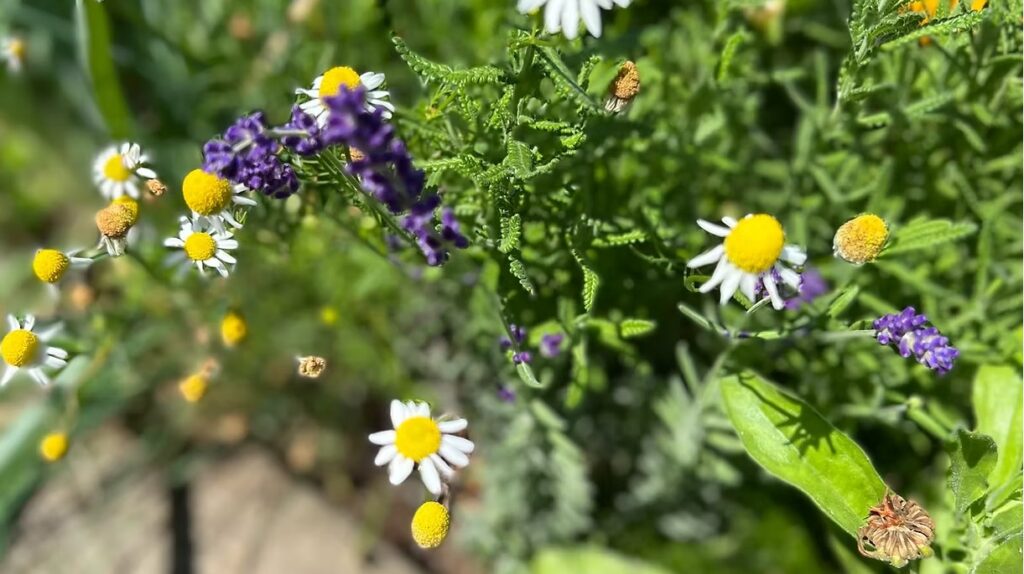
Cheerful chamomile and fragrant lavender bloom together in the summer herb garden.
Lavender and chamomile companion planting is one of the easiest and most rewarding ways to create a beautiful, fragrant, and productive herb garden. These two beloved herbs have been cultivated for centuries for their ornamental beauty, calming aromas, culinary uses, and medicinal properties. Together, they form a stunning combination that not only enhances your landscape but also supports pollinators, attracts beneficial insects, and contributes to a healthier garden ecosystem. Whether you are planning a cottage garden, designing a pollinator-friendly landscape, or creating an edible herb garden, lavender and chamomile companion planting offers countless benefits. Their complementary growth habits, similar cultural requirements, and long-lasting blooms make them an ideal pairing for gardeners of all skill levels. What Is Lavender and Chamomile Companion Planting? Lavender and chamomile companion planting is the practice of growing these two herbs together because they thrive under similar growing conditions and provide mutual benefits within the garden. While companion planting cannot eliminate every gardening challenge, it encourages biodiversity, supports beneficial insects, and creates a balanced growing environment. Lavender adds striking vertical spikes of fragrant purple flowers, while chamomile produces delicate white blossoms with cheerful yellow centers. Together they create a classic cottage garden display that is both elegant and functional. Their flowers bloom over an extended period, providing a continuous source of nectar for pollinators while filling the garden with color and fragrance. Benefits of Lavender and Chamomile Companion Planting One of the greatest advantages of lavender and chamomile companion planting is the abundance of pollinators it attracts. Honeybees, native bees, butterflies, hoverflies, and other beneficial insects are drawn to their nectar-rich flowers throughout the growing season. As pollinators visit these herbs, they also improve the pollination of nearby vegetables, fruit trees, berry bushes, and flowering ornamentals. A garden filled with pollinators is often healthier, more productive, and more resilient. Lavender and chamomile also attract beneficial insects such as ladybugs, lacewings, parasitic wasps, and hoverflies. These natural predators help control aphids, whiteflies, spider mites, and other common garden pests, reducing the need for chemical pesticides. Lavender’s aromatic foliage contains naturally fragrant essential oils that may help discourage mosquitoes, moths, fleas, and certain flying insects. While no single plant completely prevents pests, incorporating aromatic herbs into your landscape contributes to a more balanced garden ecosystem. Another advantage of lavender and chamomile companion planting is its simplicity. Since both herbs enjoy similar growing conditions, caring for them together is easy and efficient. Growing Conditions for Lavender and Chamomile Successful lavender and chamomile companion planting begins with choosing the right location. Both herbs grow best in full sun and require at least six to eight hours of direct sunlight each day. Plenty of sunshine encourages compact growth, abundant blooms, and stronger fragrance. Well-drained soil is essential for healthy plants. Lavender thrives in sandy or gravelly soil that drains quickly, while chamomile prefers fertile, loose soil with good drainage. Incorporating compost before planting improves soil structure without sacrificing drainage. Lavender becomes highly drought tolerant once established and prefers the soil to dry slightly between waterings. Chamomile appreciates moderate moisture during dry periods but should never remain in waterlogged soil. Providing adequate spacing between plants encourages good airflow, reduces humidity around the foliage, and minimizes the risk of fungal diseases. The Best Companion Plants for Lavender and Chamomile Although lavender and chamomile thrive together, they also pair beautifully with many other herbs, vegetables, flowers, and fruit-producing plants. Excellent companion plants include rosemary, thyme, sage, oregano, basil, calendula, borage, yarrow, echinacea, roses, strawberries, blueberries, tomatoes, peppers, eggplant, broccoli, cabbage, cauliflower, and many drought-tolerant flowering perennials. These companions benefit from increased pollinator activity while creating a diverse and visually appealing garden. Plants to Avoid To ensure successful lavender and chamomile companion planting, avoid placing lavender near plants that require constantly moist soil. Mint, celery, hostas, watercress, and other moisture-loving plants have watering requirements that differ significantly from lavender. Excess moisture around lavender roots can lead to root rot and poor plant performance. Grouping plants with similar moisture needs simplifies watering and promotes healthier growth throughout the garden. Culinary Uses of Lavender and Chamomile Lavender and chamomile companion planting provides more than ornamental beauty. Both herbs are edible and offer a variety of culinary possibilities. Lavender flowers add delicate floral notes to teas, shortbread cookies, cakes, muffins, scones, ice cream, custards, infused honey, lemonade, simple syrups, sugar blends, and Herbes de Provence seasoning. Lavender also complements roasted vegetables, poultry, lamb, seafood, and grilled dishes. Chamomile flowers are widely enjoyed in herbal teas, infused honey, syrups, jellies, cakes, cookies, fruit salads, custards, smoothies, and homemade desserts. Their mild apple-like flavor makes them a versatile ingredient for both sweet and savory recipes. Growing both herbs together provides a convenient harvest of fresh flowers throughout the growing season. Harvesting Lavender and Chamomile Harvest lavender stems when approximately one-third to one-half of the flowers have opened. At this stage, the blossoms contain the highest concentration of aromatic oils and dry exceptionally well. Chamomile flowers should be harvested once they are fully open. Frequent harvesting encourages additional blooms, providing a continuous supply throughout the season. Dry the flowers in a cool, shaded location with good air circulation before storing them in airtight containers away from direct sunlight. Growing Lavender and Chamomile in Containers Lavender and chamomile companion planting is not limited to garden beds. These herbs also thrive in containers, making them excellent choices for patios, balconies, porches, and small-space gardens. Select containers with drainage holes and fill them with a high-quality, well-draining potting mix. Place containers where they receive plenty of sunlight, and water carefully, allowing the soil to dry slightly between waterings. Container-grown herbs bring fragrance, beauty, and fresh culinary ingredients within easy reach. Why Lavender and Chamomile Companion Planting Belongs in Every Garden Lavender and chamomile companion planting combines ornamental beauty with practical gardening benefits. Their shared growing requirements make them easy to cultivate together, while their abundant flowers support pollinators, attract beneficial insects, and enhance biodiversity throughout the landscape. Whether you are growing herbs for
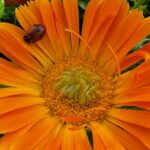
Calendula is one of the most rewarding flowers you can grow, offering beauty, versatility, and practical benefits throughout the growing season. With its vibrant blooms in shades of sunny yellow, rich orange, and golden amber, calendula brightens flower beds while attracting pollinators, supporting beneficial insects, and providing edible petals for the kitchen. Commonly known as pot marigold, this charming annual has been grown for centuries in cottage gardens, herb gardens, and kitchen gardens because of its remarkable combination of ornamental appeal and everyday usefulness. Although calendula is often confused with traditional marigolds, it is actually a member of the daisy family. Its daisy-like flowers, long blooming season, and edible blossoms make it a favorite among gardeners who appreciate plants that are both beautiful and functional. Whether you are growing vegetables, herbs, or ornamental flowers, calendula fits naturally into almost any landscape and rewards gardeners with months of colorful blooms. What Makes Calendula Unique? Calendula is much more than a flowering plant. It is an ornamental flower, an edible flower, and a valuable companion plant all in one. Its cheerful blossoms create a striking display from early spring through fall in many climates, and with regular harvesting or deadheading, the plants continue producing new flowers for months. Most calendula varieties grow between 12 and 24 inches tall, forming compact, bushy plants covered with soft green leaves and an abundance of blooms. The flowers open each morning with the sunlight and often close in the evening or during cloudy weather, adding movement and interest to the garden throughout the day. Available in shades ranging from pale yellow to deep orange, calendula complements nearly every garden style, including cottage gardens, raised beds, pollinator gardens, herb gardens, and decorative containers. Growing Calendula One of the reasons calendula has remained a garden favorite for generations is because it is incredibly easy to grow. Calendula thrives in full sun, although it appreciates light afternoon shade in areas with particularly hot summers. It performs best in well-drained soil enriched with organic matter, but it is adaptable enough to grow successfully in average garden soil. Seeds can be sown directly into the garden after the last spring frost or started indoors several weeks before transplanting. Gardeners in mild climates often sow seeds in late summer or early fall to enjoy vibrant blooms throughout the cooler months. Once established, calendula requires moderate watering and relatively little maintenance. Keeping the soil evenly moist and removing spent flowers regularly encourages the plants to continue blooming throughout the season. If allowed to mature at the end of the growing season, calendula often self-seeds, providing new plants the following year. Culinary Uses of Calendula Calendula is one of the most popular edible flowers grown in home gardens, adding both color and subtle flavor to a wide variety of dishes. Only the colorful petals are typically used in cooking, as the green base of the flower can have a slightly bitter taste. The petals have a mild, slightly peppery flavor with delicate earthy notes that pair well with both savory and sweet recipes. Their brilliant golden color has earned calendula the nickname “poor man’s saffron” because they naturally add vibrant color to food, although they do not have saffron’s distinctive flavor. Fresh calendula petals make a beautiful addition to green salads, pasta salads, grain bowls, and fresh fruit platters. They can also be sprinkled over soups, roasted vegetables, pizzas, and avocado toast for an eye-catching garnish that elevates everyday meals. Calendula petals are delicious mixed into rice dishes, risottos, couscous, quinoa, and pilafs, where they provide bursts of color throughout the finished dish. They also blend beautifully into scrambled eggs, omelets, quiches, herb butters, cream cheese spreads, and soft cheeses. Home bakers often use calendula petals to decorate cakes, cupcakes, cookies, cheesecakes, and tarts. The flowers can even be frozen into ice cubes for refreshing beverages or added to lemonades, herbal teas, mocktails, and cocktails for a colorful finishing touch. The petals can also be infused into honey, vinegar, simple syrup, olive oil, or butter, creating flavorful pantry staples that bring a touch of the garden to everyday cooking. Dried petals retain much of their color and can be stored for months, making calendula a useful ingredient long after the growing season has ended. A Valuable Companion Plant Calendula is an excellent companion plant that benefits both vegetable and herb gardens. Its nectar-rich flowers attract bees, butterflies, hoverflies, and many other pollinators that help improve fruit and vegetable production. The blooms also attract beneficial insects, including ladybugs and lacewings, which naturally feed on aphids and other soft-bodied pests. By encouraging these helpful insects, calendula contributes to a healthier garden ecosystem and supports natural pest management. It grows particularly well alongside tomatoes, peppers, cucumbers, beans, squash, lettuce, carrots, onions, strawberries, and many culinary herbs. Its colorful flowers also bring beauty to vegetable gardens, creating an inviting space that is both productive and visually appealing. Harvesting Calendula Flowers Harvest calendula flowers in the morning after the dew has dried but before the afternoon heat arrives. Fresh flowers can be used immediately in recipes, while extra blooms can be dried for future culinary projects. To harvest the petals, gently separate them from the flower head just before using them. If drying whole flowers, place them in a single layer in a warm, dry location with good air circulation until they are completely dry. Store dried flowers in airtight containers away from direct sunlight to preserve their vibrant color. Frequent harvesting encourages the plants to continue producing fresh blooms, ensuring a steady supply of edible flowers throughout the season. Why Calendula Deserves a Place in Your Garden Calendula is one of the few plants that combines ornamental beauty, culinary versatility, and garden performance in a single package. Its brilliant flowers brighten landscapes, attract pollinators, support beneficial insects, and provide edible petals that can transform everyday recipes into colorful culinary creations. Whether you are planting a cottage garden, expanding your herb collection, creating a pollinator paradise, or building
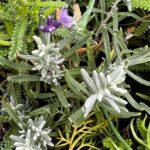
Learn how to grow lavender with this complete guide to planting, watering, pruning, harvesting, drying, and using lavender at home. Lavender brings beauty, fragrance, and versatility to the garden. Its silvery foliage, colorful flower spikes, and unmistakable herbal scent make it a favorite for borders, containers, pollinator gardens, and edible landscapes. Once established in the right conditions, lavender can also be surprisingly low-maintenance. Successful lavender growing begins with understanding what the plant needs most: abundant sunlight, excellent drainage, and room for air to circulate. Lavender generally tolerates dry conditions better than wet soil, and many common problems develop when its roots remain damp for too long. Whether you want to grow lavender for its ornamental value, harvest the flowers for crafts, or use culinary varieties in the kitchen, proper plant selection and seasonal care will help you enjoy healthier plants and more abundant blooms. Understanding Lavender Lavender belongs to the genus Lavandula, a group of aromatic perennial plants native to regions surrounding the Mediterranean, the Middle East, and parts of Asia. Its natural habitat helps explain why lavender prefers sunny, relatively dry conditions and soil that drains quickly. Depending on the variety and climate, lavender may grow as an evergreen or semi-evergreen perennial. In colder regions, some foliage may die back during winter. Plant size, flower color, fragrance, and cold tolerance vary considerably among species and cultivars. Lavender flowers are commonly purple or violet, but some varieties produce pink, white, or pale blue blooms. The narrow foliage may be green, silver-green, or gray, creating year-round texture in climates where the plants remain evergreen. Popular Types of Lavender Choosing a lavender suited to your climate is one of the most important steps in growing it successfully. English lavender, or Lavandula angustifolia, is known for its sweet fragrance, compact growth, and relatively good cold tolerance. It is a popular choice for culinary use, dried flowers, and traditional lavender products. Common cultivars include ‘Hidcote’ and ‘Munstead.’ Lavandin, or Lavandula x intermedia, is a hybrid between English lavender and spike lavender. These vigorous plants are usually larger and produce long stems with abundant, strongly fragrant flowers. Popular cultivars include ‘Grosso’ and ‘Provence.’ Lavandin is often grown for crafts, sachets, and essential oil production. Spanish lavender, or Lavandula stoechas, has distinctive flower heads topped with petal-like bracts. It performs well in warm, dry climates but is generally less tolerant of severe winter cold than English lavender. French lavender is a name that can refer to different species depending on the region. It is often used for Lavandula dentata, which has softly toothed leaves and a long flowering period in warm climates. Always check the botanical name and growing requirements before purchasing a plant labeled French lavender. Choosing the Best Location Lavender grows and flowers best in full sun. Select a location that receives at least six hours of direct sunlight each day. Eight or more hours may produce stronger growth and more abundant flowering, particularly in humid climates where sunlight helps foliage and soil dry more quickly. Good air circulation is also important. Avoid crowding lavender against dense shrubs or placing it where surrounding plants will trap moisture around its foliage. Proper spacing varies by cultivar, so check the expected mature width before planting. A warm location near a stone path, gravel garden, raised bed, or south-facing wall can provide the bright, dry environment lavender prefers. In very hot climates, some varieties may benefit from protection during the most intense part of the afternoon, but heavy shade usually results in weak growth and fewer flowers. The Best Soil for Lavender Lavender requires well-draining soil. It often struggles in heavy clay, compacted ground, or low areas where water collects after rain. Sandy, gravelly, or loamy soil with good drainage is usually ideal. Lavender also tends to prefer neutral to slightly alkaline soil, although the best pH range can vary somewhat by species and local growing conditions. A soil test can help determine whether an amendment is actually needed. Avoid enriching the planting area with large amounts of compost or fertilizer. Extremely fertile soil can encourage soft, leafy growth at the expense of flowers. Rich soil may also retain more moisture than lavender roots can tolerate. If the garden contains heavy clay, consider planting lavender in a raised bed, on a slope, or in a berm where excess water can drain away. Adding a small amount of organic matter may improve soil structure, but digging a narrow hole filled with drastically different soil can create a pocket where water collects. Improving a wider planting area is generally more effective. When to Plant Lavender Spring is often the best time to plant lavender, especially in regions with cold winters. Plant after the danger of severe frost has passed and the soil has begun to warm. This gives the roots an entire growing season to become established before winter. Lavender may also be planted in early fall in mild climates. Allow enough time for roots to establish before cold or persistently wet weather arrives. Avoid planting during periods of extreme heat whenever possible. If summer planting is necessary, watch soil moisture carefully while the plant becomes established without keeping the ground constantly wet. How to Plant Lavender Dig a hole approximately as deep as the plant’s root ball and somewhat wider. Remove the lavender from its nursery container and gently loosen tightly circling roots. Position the plant so the top of the root ball is level with or slightly above the surrounding soil. Planting too deeply can hold moisture against the crown, increasing the risk of rot. Backfill with the surrounding soil, press it gently into place, and water thoroughly. Leave enough space between plants for each variety to reach its mature size without becoming crowded. Avoid piling mulch directly around the crown. In damp climates, gravel or small stones may be more suitable than moisture-retaining organic mulch. Any mulch should be kept away from the base of the stems. Watering Lavender Correctly Newly planted lavender needs regular
Originally published
March 2026
Updated
August 2026
Reviewed by
Culibloom