Loquat Tree: The Complete Guide to Growing, Caring for, and Harvesting This Sweet Evergreen Fruit Tree
Learn how to grow a loquat tree with guidance on planting, watering, fertilizing, pruning, pollination, pest care, and harvesting sweet loquat fruit.
The loquat tree brings year-round beauty and an unusual harvest season to the home garden. Its glossy evergreen foliage, fragrant white flowers, and clusters of golden fruit make it both an attractive landscape tree and a productive addition to a warm-climate edible garden.
Unlike many familiar fruit trees, the loquat blooms during fall and winter before ripening its fruit in spring or early summer. The ripe fruit has tender, juicy flesh with a sweet, lightly tart flavor often compared to apricot, peach, citrus, and pineapple. Loquats can be enjoyed fresh or used in preserves, sauces, baked desserts, salads, and other seasonal dishes.
Although an established loquat tree is relatively easy to maintain, choosing the right location is essential. Winter temperatures, soil drainage, sunlight, pruning, and watering can all affect flowering and fruit production. With thoughtful care, this versatile evergreen can become a beautiful and rewarding part of the landscape.
What Is a Loquat Tree?
The loquat tree, botanically known as Eriobotrya japonica, is a broadleaf evergreen member of the rose family. Despite its botanical name, the species is believed to have originated in China before being cultivated extensively in Japan and other parts of Asia.
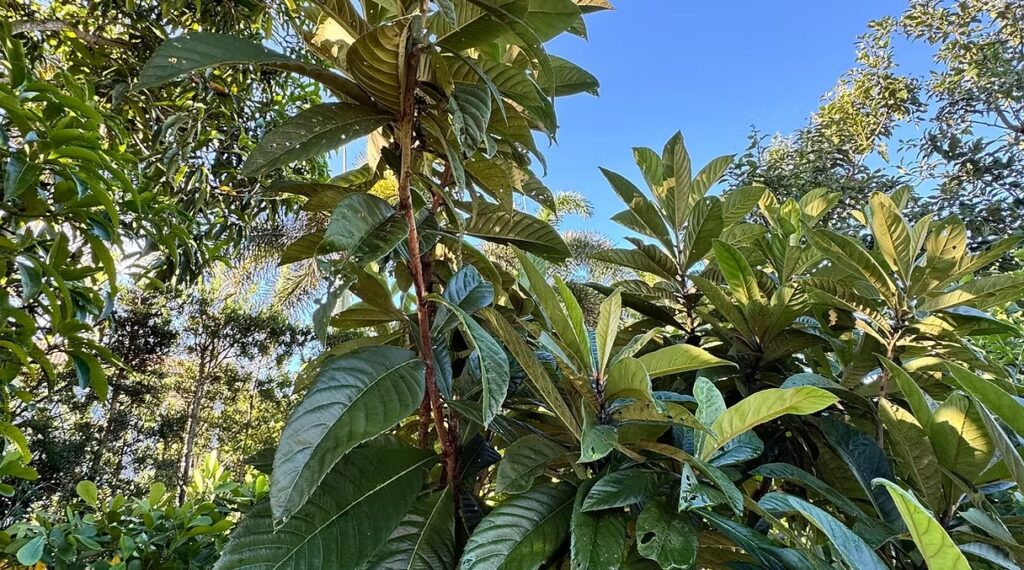
Loquats usually develop a rounded, densely branched canopy filled with large, deeply veined leaves. Mature trees commonly reach approximately 10 to 25 feet tall and wide, although their eventual size depends on the cultivar, climate, growing conditions, and pruning.
Clusters of small, fragrant white flowers appear during fall or early winter. These flowers develop into oval, round, or pear-shaped fruit with yellow to deep orange skin. Depending on the cultivar, the flesh may be white, pale yellow, or orange.
What Does Loquat Fruit Taste Like?
Ripe loquat fruit is juicy, fragrant, and pleasantly sweet with varying levels of acidity. Some cultivars have a delicate floral flavor, while others taste brighter and more tangy. The texture is soft and succulent, similar to a ripe peach, pear, or apricot.
The flavor improves as the fruit ripens fully on the tree. Pale, firm fruit is usually more acidic, while richly colored fruit that yields slightly to gentle pressure tends to be sweeter. Because ripe loquats are delicate and highly perishable, they are rarely as widely available in stores as apples, peaches, or citrus fruit.
The Best Climate for Growing a Loquat Tree
Loquat trees grow best in subtropical and warm temperate climates. They are generally suited to USDA Hardiness Zones 8 through 10, with some recommendations extending into Zone 11 under suitable local conditions.
The tree itself can tolerate more cold than its flowers and developing fruit. Temperatures below approximately 27°F to 28°F can damage or destroy blossoms and young fruit, even if the tree survives. For reliable harvests, loquats need mild winters without prolonged hard freezes. Excessively hot conditions can also stress the tree and reduce growth. University of Florida IFAS Extension
Gardeners in colder regions may grow loquats as ornamental container plants that are moved into a protected location for winter. Container-grown trees will generally remain smaller, and producing fruit indoors can be difficult without abundant sunlight, appropriate temperatures, and pollinating insects.
Choosing the Right Planting Location
Select a warm, protected location that receives full sun. Loquat trees tolerate partial shade, but plentiful sunlight usually supports stronger flowering, sweeter fruit, and better overall production.
Allow enough room for the mature canopy to develop without interfering with buildings, walkways, power lines, or nearby trees. An unpruned loquat can become broad and spreading, so its mature width is just as important as its height.
A site protected from strong winter wind may help reduce cold injury. Avoid low areas where cold air settles and locations that remain waterlogged after heavy rain.
Soil and Drainage Requirements
Loquat trees adapt to several soil types, including sandy, loamy, clay-based, and limestone soils, provided the planting area drains well. They do not tolerate prolonged flooding or consistently saturated roots.
Before planting, observe how quickly water drains from the site after rainfall. In heavy or poorly drained soil, planting on a broad mound or raised area may improve drainage. Avoid placing large amounts of fertilizer or rich organic material directly into the planting hole, since this can discourage roots from spreading into the surrounding soil.
A layer of organic mulch can help conserve moisture, suppress weeds, and moderate soil temperature. Keep mulch several inches away from the trunk to reduce the risk of excess moisture collecting against the bark.
How to Plant a Loquat Tree
Spring is often a convenient time to plant in areas with occasional winter freezes. In reliably mild climates, loquats may also be planted during other seasons when extreme heat is not expected.
Dig a hole that is wider than the root ball but no deeper. Position the tree so the top of its root ball sits level with, or slightly above, the surrounding ground. Backfill with the original soil, gently firm it around the roots, and water thoroughly.
Water the newly planted tree regularly while it establishes. The soil should remain moderately moist but never constantly saturated. Staking is generally necessary only when the tree cannot support itself or the site is exposed to strong wind.
Seed-Grown Versus Grafted Loquat Trees
A loquat seed can produce an attractive ornamental tree, but it may not produce fruit identical to the fruit from which the seed came. Seedlings can also take six to eight years to flower and bear fruit.
For predictable fruit quality and earlier production, choose a grafted tree from a reputable nursery. Vegetatively propagated trees may begin bearing within approximately one to two years after planting, although climate, tree health, and growing conditions will influence the timing. University of Florida IFAS Extension
Cultivars differ in fruit size, skin color, flesh color, sweetness, acidity, seed number, and harvest season. Locally recommended cultivars are often the best choice because their flowering and ripening patterns suit the regional climate.
Does a Loquat Tree Need a Pollinator?
Many loquat trees are self-compatible and can produce fruit without a second cultivar nearby. However, cross-pollination with another loquat cultivar or seedling may improve fruit set, size, and overall production.
Bees and other insects visit the fragrant flowers and assist with pollination. Avoid using broad-spectrum insecticides while the tree is flowering, especially when pollinators are actively visiting the blossoms.
Watering a Loquat Tree
Young loquat trees need consistent moisture as they establish their root systems. Water deeply, then allow the upper portion of the soil to begin drying before watering again. The goal is evenly moist, well-drained soil rather than permanently wet ground.
Established trees tolerate periods of drought, but regular moisture supports better growth and higher-quality fruit. Water may be especially important during flowering, fruit development, and extended hot or dry weather.
Apply water over the root zone rather than directly against the trunk. The active roots spread outward as the tree matures, so irrigation should gradually cover a broader area beneath and slightly beyond the canopy.
Fertilizing for Healthy Growth
Loquat trees generally respond well to moderate feeding, but excessive nitrogen can encourage soft, leafy growth and may increase susceptibility to fire blight.
Use a balanced fertilizer formulated for fruit trees or follow recommendations based on a soil test and local extension guidance. Young trees may benefit from small, divided applications during the active growing season. Mature trees often need less frequent feeding.
Yellow leaves do not automatically mean the tree needs more fertilizer. Poor drainage, damaged roots, incorrect soil pH, excess salts, or inconsistent watering may also cause discoloration. Identify the underlying issue before applying additional nutrients.
Pruning and Managing Tree Size
Loquats naturally develop a dense canopy and require less structural pruning than many deciduous fruit trees. Remove dead, damaged, crossing, or diseased branches, and thin crowded growth to improve light penetration and air circulation.
Pruning after harvest gives the tree time to produce new growth before its next flowering period. Avoid heavy pruning immediately before fall and winter bloom because removing terminal growth may reduce the next crop.
If you want a smaller tree, begin managing its height while it is young. Frequent, selective pruning produces a more attractive structure than allowing the tree to become oversized and then cutting it back severely.
Thinning Loquat Fruit
Loquats may form large clusters containing many small fruits. Thinning crowded clusters allows the remaining fruit more space to develop and can produce larger loquats.
Remove damaged, misshapen, or tightly packed young fruit while it is still small. Thinning can also reduce excess weight on branches and help prevent heavily loaded limbs from bending or breaking. University of California Statewide IPM Program
Growing a Loquat Tree in a Container
A loquat can be grown in a large container, particularly when it is young or when the primary goal is ornamental foliage. Choose a sturdy pot with generous drainage holes and fill it with a well-draining potting mix.
Container-grown trees require closer attention to watering because the root ball can dry quickly during hot weather. At the same time, water should never remain trapped around the roots.
Repot the tree as it grows or refresh part of the potting mix when the container becomes crowded. Regular pruning can help manage its size, but container culture naturally limits root development and fruit production. In cold climates, move the tree into a bright, protected location before freezing weather arrives.
Common Loquat Pests and Diseases
Loquat trees have relatively few serious problems when planted in a suitable location. Potential pests include aphids, scale insects, spider mites, caterpillars, and fruit flies. Birds and other wildlife may also feed on ripening fruit.
Inspect the tree regularly, especially the undersides of leaves and clusters of developing fruit. Healthy trees are usually better able to tolerate minor pest activity than trees weakened by drought, poor drainage, or excessive fertilizer.
Fire blight is one of the most important loquat diseases. Infected blossoms and shoots may suddenly appear brown or black, as though scorched. Prune affected growth back into healthy wood during dry weather and disinfect pruning tools between cuts. Follow local extension recommendations for sanitation, disposal, and disease management.
Leaf spot, scab, cankers, and fruit rots may also occur. Good air circulation, careful irrigation, removal of diseased material, and avoidance of unnecessary overhead watering can help limit several fungal and bacterial problems.
When Are Loquats Ready to Harvest?
Loquat harvest time varies by location and cultivar, but the fruit generally ripens from late winter through spring or early summer. Fruit color is an important clue, but the correct shade depends on the variety.
Harvest loquats when they have developed their full yellow or orange color, feel slightly soft, and release easily from the cluster. Fruit that is picked too early may remain unpleasantly tart and may not develop its best flavor.
Taste one fruit before harvesting an entire cluster. Use clean pruning shears to cut clusters from the tree, then separate the individual fruits carefully to avoid bruising.
Handling and Storing Fresh Loquats
Ripe loquats have thin skin and tender flesh, so handle them gently and avoid stacking them deeply in a harvest container. Use damaged or very soft fruit first.
Freshly picked loquats are best enjoyed promptly. Refrigeration can provide brief storage, but their quality declines quickly. Wash the fruit shortly before using it rather than before storage.
The skin is edible, although some people prefer to peel it. Remove and discard the large seeds before eating or cooking with the fruit. Do not consume the seeds.
Ways to Enjoy Loquat Fruit
Ripe loquats can be eaten directly from the tree after washing and removing the seeds. Their juicy texture also works well in fruit salads, yogurt bowls, cheese boards, and seasonal desserts.
A generous harvest can be transformed into jam, jelly, compote, chutney, sauce, syrup, or fruit butter. Loquats pair naturally with citrus, ginger, cinnamon, vanilla, honey, berries, stone fruit, and fresh herbs.
Because sweetness and acidity vary among cultivars and individual trees, taste the fruit before deciding how much sweetener or lemon juice to use in a preparation.
Is a Loquat Tree Right for Your Garden?
A loquat tree is a wonderful choice for gardeners who live in a mild climate and want an evergreen tree with both ornamental and edible value. Its bold foliage creates year-round structure, its flowers provide fragrance during the cooler months, and its golden fruit offers a memorable spring harvest.
The most successful trees are planted in sunny, well-drained locations with enough room for the canopy to mature. Regular watering during establishment, moderate feeding, light pruning, and protection from damaging freezes will help the tree remain healthy and productive.
With the right climate and care, a loquat tree can become one of the most distinctive plants in the home landscape, offering shade, beauty, pollinator activity, and sweet fruit from a single evergreen tree.
Broad evergreen leaves give this thriving loquat tree a bold tropical presence in the garden.
Learn how to grow healthy fig trees at home, including variety selection, planting, watering, pruning, winter protection, harvesting, and troubleshooting. Fig trees bring beauty, character, and remarkable flavor to a home garden. Their broad, deeply lobed leaves create a lush appearance, while their sweet fruit can be enjoyed fresh from the tree, dried, preserved, baked into desserts, or added to savory dishes. Once established in a suitable location, a fig tree can produce generously with relatively straightforward care. The common fig, botanically known as Ficus carica, is a deciduous shrub or small tree native to western Asia and the Mediterranean region. Although figs are associated with warm climates, gardeners in many cooler regions can grow them successfully by choosing a cold-tolerant variety, planting in a protected microclimate, or using a container that can be moved into shelter for winter. Successful fig growing begins with the right variety and location. Sunlight, drainage, seasonal warmth, winter temperatures, moisture, and pruning practices can all influence whether a tree develops healthy growth and fully ripened fruit. This complete fig tree growing guide explains how to select, plant, water, fertilize, prune, protect, harvest, and troubleshoot fig trees at home. Understanding How Fig Trees Grow A fig is not a conventional fruit with visible flowers. What appears to be the fruit is a hollow structure called a syconium. The tiny flowers develop inside this structure, which is why gardeners do not see blossoms covering a fig tree before fruit appears. There are several types of edible figs, but common figs are generally the most practical choice for home gardens. Most commonly sold home-garden varieties can develop fruit without cross-pollination, which means a single tree may produce a crop. Some specialized varieties require pollination by a particular fig wasp and may not produce properly in regions where that pollinator is absent. Buying a named common fig variety from a reliable regional nursery helps prevent this problem. Depending on the variety and climate, a fig tree may produce one or two crops. The early crop, known as the breba crop, forms on growth produced during the previous season. The main crop normally develops later on new growth. A cold winter or heavy pruning can eliminate the breba crop while still allowing the tree to produce a later crop on new branches. Choosing the Best Fig Variety for Your Climate Variety selection should be based on winter hardiness, summer heat, the length of the growing season, local humidity, and whether the tree will grow in the ground or a container. A variety that performs beautifully in a hot Southern garden may ripen too late in a cool Northern climate. Brown Turkey is a familiar and widely grown fig with brownish-purple skin and sweet flesh. It adapts to a range of conditions and can produce fruit on new growth after winter damage. Celeste produces small to medium fruit with light brown to violet skin and sweet flesh. Its relatively tight fruit opening can help limit problems caused by insects and excess moisture. It is especially popular in warm, humid regions. Chicago Hardy is frequently selected for colder climates because its roots can survive lower temperatures than those of many tender varieties when properly established and protected. Aboveground growth may still die back during severe winter weather, so the name should not be interpreted as a guarantee that every branch will survive extreme cold. Black Mission produces dark purple fruit with richly flavored pink or red flesh. It performs best where summers are warm and the growing season is sufficiently long. In colder areas, it may be better suited to container cultivation. Violette de Bordeaux produces smaller, dark-skinned figs with a rich flavor. Its naturally compact growth and suitability for pruning can make it an appealing option for containers and smaller gardens. Desert King is known for producing a dependable breba crop in climates with cooler summers. Because breba figs form on the previous year’s wood, winter protection and careful pruning are particularly important. Local performance is more valuable than a variety’s general description. A cooperative extension office, regional nursery, or experienced grower can help identify cultivars that reliably ripen before the first fall frost in your area. Selecting the Right Planting Location Fig trees produce their best growth and fruit in full sun. Choose a location that receives at least six to eight hours of direct sunlight, with more sun being beneficial in cool or short-season regions. A south-facing wall can create a warmer microclimate, protect the tree from cold winds, and help the fruit ripen. Good drainage is essential. Fig trees adapt to several soil types, but they should not remain in saturated ground. Standing water and prolonged soil saturation can contribute to root and crown problems. If the garden has heavy clay or a consistently high water table, consider planting on a raised mound or growing the tree in a large container. Allow enough room for the mature canopy and roots. The final size depends on variety, climate, pruning, and winter dieback, but an unrestrained fig can become a broad shrub or small tree. Avoid planting directly beside foundations, septic systems, drains, or paved areas where vigorous roots and spreading growth may become difficult to manage. In colder climates, select a sheltered area away from low spots where cold air collects. A position beside a south-facing masonry wall may provide additional warmth, although the tree still needs adequate airflow and space. When to Plant a Fig Tree In climates with mild winters, figs may be planted while dormant in fall or early winter. In colder regions, spring planting is generally safer. Wait until the danger of a hard freeze has passed so the young tree has an entire growing season to establish roots before winter. Container-grown trees offer more flexibility than bare-root plants, but they still require protection from extreme heat, drought, and sudden cold during establishment. Avoid planting during periods of frozen soil, waterlogged conditions, or intense summer heat. How to Plant a Fig Tree Before
Learn how to grow a healthy tangerine tree with practical guidance for planting, watering, fertilizing, pruning, container care, pest prevention, and harvesting sweet homegrown citrus. A healthy tangerine tree brings year-round beauty, fragrant spring blossoms, glossy evergreen foliage, and an abundant harvest of sweet citrus. Whether planted in the garden or grown in a container, tangerine trees can thrive for many years when they receive plenty of sunlight, well-draining soil, consistent moisture, and protection from extreme cold. Tangerines belong to the broader mandarin group of citrus. Depending on the variety, the fruit may be sweet, tangy, seedless, or especially easy to peel. Popular choices for home gardens include Satsuma, Clementine, Dancy, and various mandarin hybrids. Because climate requirements and mature tree size vary, choosing a variety and rootstock suited to your region is one of the most important steps toward successful citrus growing. Growing a tangerine tree does require patience. A young tree may take several years to produce a substantial crop, but proper planting and regular care encourage stronger growth, healthier foliage, and better fruit production. Choosing the Best Tangerine Tree Purchase a healthy grafted tree from a reputable local nursery whenever possible. Grafted trees usually produce fruit sooner and more predictably than trees grown from seed. They also retain the desirable flavor, size, and productivity of the named variety. A seed collected from a tangerine can germinate, but the resulting tree may not produce fruit identical to the original. Seed-grown citrus can also become large, thorny, and slow to bear fruit. It can be an enjoyable growing project, but it is not the most dependable method for establishing a productive home orchard. Before selecting a tree, consider its mature size, cold tolerance, harvest season, seed content, and suitability for container growing. A dwarf or semi-dwarf tree is usually the best choice for a patio, small garden, or indoor overwintering. Satsuma mandarins are particularly valued in regions with occasional frost because established, properly hardened trees are generally more cold tolerant than many other sweet citrus varieties. However, cold tolerance varies with the cultivar, rootstock, tree age, health, wind exposure, and duration of the freeze. Understanding the Ideal Climate Tangerine trees grow best in warm subtropical climates with mild winters and long, sunny growing seasons. In-ground planting is most successful where severe or prolonged freezes are uncommon. Gardeners in colder climates can grow dwarf tangerine trees in containers and move them into a protected space during winter. Cold tolerance should never be judged by a single temperature. A mature, healthy tree may survive a brief cold period that could seriously damage a young tree, blossoms, or ripening fruit. Tangerine and mandarin wood may tolerate temperatures in the low 20s under favorable conditions, but fruit can freeze at approximately 26°F to 28°F when the cold lasts for several hours. Satsumas are among the more cold-tolerant types of sweet citrus. University of Georgia Extension Planting near a south-facing wall can create a warmer microclimate in marginal areas. The site should also be protected from strong winds, which can damage foliage, dry the soil, and intensify cold stress. How Much Sun Does a Tangerine Tree Need? Tangerine trees need abundant sunlight for healthy foliage, flowering, and fruit development. Choose a location that receives at least six hours of direct sunlight each day. Eight or more hours is often beneficial where summer temperatures are not excessively hot. Insufficient sunlight may result in thin growth, fewer blossoms, and poorly developed fruit. Indoor trees should be positioned near a bright south-facing window or placed under an appropriate grow light when natural sunlight is limited. When moving a container-grown tree outdoors in spring, introduce it to brighter conditions gradually. A sudden transition from indoor light to intense outdoor sun can scorch the leaves. Reverse the process in autumn so the tree can adjust before being brought indoors. Selecting the Right Soil Good drainage is essential for tangerine trees. Citrus roots need moisture, but they also require oxygen and can decline in soil that remains waterlogged. For an in-ground tree, choose a location where water does not collect after heavy rain. If the soil drains poorly, planting on a raised mound may be more successful than placing the root ball in a deep amended hole. Avoid planting citrus in a lawn because grass and citrus trees have different watering and fertilizing requirements. Container trees need a loose, well-draining potting mix intended for citrus or other container-grown trees. Do not fill the container with ordinary garden soil because it may compact and hold too much water. How to Plant a Tangerine Tree Plant a tangerine tree after the danger of severe frost has passed. Spring planting allows the root system time to become established before the following winter. Choose a sunny, well-drained site with enough room for the tree’s expected mature width. Dig a hole approximately twice as wide as the root ball but no deeper than the root ball itself. Remove the tree carefully from its nursery pot and inspect the roots. Gently loosen roots that are tightly circling the outside of the root ball. Position the tree so the top of the root ball sits at or slightly above the surrounding soil level. Backfill the hole primarily with the native soil. Do not bury the trunk flare or graft union. Water thoroughly to settle the soil around the roots, adding more soil if necessary without packing it firmly against the trunk. Apply a layer of organic mulch over the root zone to help conserve moisture and moderate soil temperature. Keep the mulch several inches away from the trunk to discourage rot and pest problems. Growing a Tangerine Tree in a Container Container growing makes it possible to enjoy a tangerine tree on a patio, balcony, or in a cold-winter climate. Begin with a dwarf or semi-dwarf tree and a sturdy container with multiple drainage holes. The pot should provide room for root growth without being excessively large. Too much unused potting mix may remain wet for
The Calamondin tree is a beautiful and productive citrus tree that brings year-round color, fragrance, and fresh fruit to home gardens. Loved for its compact size and abundant harvests, this evergreen tree is an excellent choice for landscapes, patios, balconies, and even indoor growing. Whether you are an experienced gardener or planting your first citrus tree, the Calamondin offers an attractive combination of ornamental beauty and culinary versatility. Often called calamansi, Philippine lime, or golden lime, the Calamondin tree produces small, bright orange fruits with a bold citrus flavor that is both tart and slightly sweet. The fruit is widely used in cooking, baking, beverages, and marinades, making this tree as practical as it is decorative. What Is a Calamondin Tree? The Calamondin tree (Citrus × microcarpa) is believed to be a natural hybrid between a kumquat and a mandarin orange. Native to Southeast Asia, it has been cultivated for centuries and remains one of the most popular citrus trees in tropical and subtropical regions. This slow-growing evergreen typically reaches 6 to 15 feet tall when planted in the ground, although container-grown trees generally stay between 3 and 6 feet with occasional pruning. Its dense canopy of glossy green leaves, fragrant blossoms, and colorful fruit makes it an eye-catching addition to any garden. One of its most appealing qualities is its ability to bloom and fruit throughout much of the year, allowing gardeners to enjoy fragrant flowers and ripe citrus at the same time. A Tree That Offers Beauty in Every Season The Calamondin tree is prized for its ornamental appeal as much as its fruit. Deep green leaves create a lush backdrop for clusters of delicate white blossoms that fill the garden with a sweet citrus fragrance. As the blossoms mature, they develop into small green fruit that gradually ripens into brilliant orange spheres. Because flowering and fruit production often occur simultaneously, mature trees display blossoms, green fruit, and ripe oranges all at once. This colorful display provides year-round visual interest and makes the tree a favorite for patios, entryways, edible landscapes, and decorative containers. Ideal Growing Conditions Calamondin trees thrive in warm climates with plenty of sunshine. They perform best in USDA Hardiness Zones 8 through 11 but can also be successfully grown in containers in cooler regions. For healthy growth, provide the tree with six to eight hours of direct sunlight each day. Plant it in well-drained soil that is slightly acidic, as citrus trees dislike standing water around their roots. Water deeply when the top inch of soil begins to dry, allowing excess moisture to drain away completely. During the active growing season, fertilize regularly with a citrus-specific fertilizer that supplies essential nutrients for flowering and fruit production. Gardeners in colder climates can simply move container-grown trees indoors before freezing temperatures arrive. A bright sunny window or grow lights will help the tree continue growing throughout winter. Flowering and Fruit Production One of the most rewarding aspects of growing a Calamondin tree is its impressive fruit production. Healthy trees often flower several times throughout the year, producing fragrant white blossoms that attract bees and other beneficial pollinators. Following pollination, small green fruits begin to develop before gradually turning a vibrant orange as they mature. Unlike many citrus varieties, Calamondin fruit can remain on the tree for weeks after ripening, allowing gardeners to harvest only what they need while enjoying the colorful display. Mature trees are capable of producing hundreds of fruits annually under favorable growing conditions. What Does Calamondin Taste Like? Although the fruit resembles a miniature orange, its flavor is much more similar to a lime with subtle mandarin notes. The juice is intensely tart, while the thin peel contributes a pleasant sweetness and aromatic citrus oils. This unique combination creates a bright, refreshing flavor that enhances countless recipes. Many people enjoy using the entire fruit, including the peel, to maximize its citrus aroma and natural sweetness. Culinary Uses for Calamondin Fruit The Calamondin is one of the most versatile citrus fruits in the kitchen. Its fresh juice adds brightness and acidity to both sweet and savory dishes. Popular culinary uses include fresh lemonade, citrus-infused water, homemade vinaigrettes, seafood marinades, grilled chicken, roasted vegetables, stir fry sauces, dipping sauces, salsa, jams, marmalades, citrus curds, pies, cakes, cookies, sorbet, ice cream, cocktails, and mocktails. The fruit also makes an excellent substitute for lemons or limes in many recipes, providing a distinctive tropical citrus flavor. Health Benefits Like many citrus fruits, Calamondin is packed with nutrients that support overall wellness. It is naturally rich in vitamin C, antioxidants, flavonoids, potassium, calcium, and dietary fiber. These nutrients help support immune function, healthy skin, collagen production, digestion, and protection against oxidative stress. Adding fresh Calamondin juice to meals is a simple way to enjoy both vibrant flavor and nutritional benefits. Growing a Calamondin Tree in Containers The Calamondin tree is one of the easiest citrus varieties to grow in pots, making it ideal for gardeners with limited outdoor space. Choose a large container with excellent drainage and fill it with a high-quality citrus potting mix. Position the container where it will receive plenty of direct sunlight throughout the day. Rotate the pot every few weeks to encourage even growth and maintain a balanced canopy. Repot the tree every few years as it grows, refreshing the soil to provide healthy root development and continued fruit production. Caring for Your Calamondin Tree Routine maintenance keeps Calamondin trees healthy and productive for many years. Prune lightly after harvesting to remove damaged or crowded branches while maintaining an attractive shape. Feed regularly during spring and summer with a citrus fertilizer formulated for fruiting trees. Watch for common citrus pests, including aphids, spider mites, scale insects, and whiteflies. Early detection allows problems to be managed before they become serious. Adding a layer of mulch around outdoor trees helps retain moisture, regulate soil temperature, and reduce weed growth while keeping mulch several inches away from the trunk. Why Gardeners Love the Calamondin Tree Few
Originally published
March 2026
Updated
August 2026
Reviewed by
Culibloom