Methley Plum Tree Growing Guide: How to Plant, Grow, Care for, and Harvest Sweet, Juicy Plums
Learn how to plant, grow, prune, care for, and harvest a Methley plum tree for beautiful spring blossoms and sweet, juicy summer plums.
The Methley plum tree is a beautiful and productive addition to the home garden. Known botanically as Prunus salicina ‘Methley,’ this Japanese plum cultivar produces juicy, sweet fruit with red to purple skin and richly colored flesh. The plums are delicious when eaten fresh and can also be used for preserves, jelly, sauces, desserts, and other seasonal dishes.
Methley is especially appealing to home gardeners because it is self-fertile, relatively heat tolerant, and capable of producing generous crops. Although a single tree can set fruit, growing another compatible Japanese plum nearby may improve pollination and increase the harvest. Fragrant white flowers cover the branches in early spring, giving the tree ornamental value before the fruit begins to develop.
Like other early-blooming stone fruit trees, Methley can be vulnerable to late spring frosts. Choosing the right planting location, maintaining healthy soil, watering consistently, pruning appropriately, and monitoring for pests and diseases can help the tree remain productive for years.
What Is a Methley Plum Tree?
Methley is an early-ripening Japanese plum cultivar valued for its vigorous growth and heavy fruit production. The tree has an attractive spreading form, green foliage, fragrant spring blossoms, and colorful summer fruit.
The plums are generally round to slightly conical, with smooth skin that develops shades of reddish purple as the fruit matures. Inside, the flesh is juicy, sweet, and deeply colored. The soft, flavorful fruit is particularly enjoyable for fresh eating, although it can also be transformed into jelly, preserves, plum butter, sauces, baked goods, and frozen fruit preparations.
Tree size depends heavily on the rootstock. A dwarf or semi-dwarf Methley plum may remain around 8 to 12 feet tall with regular pruning, while a standard tree may eventually approach 20 feet in favorable conditions. Always check the nursery label for the expected mature dimensions of the specific tree you purchase.
The North Carolina Extension Gardener Plant Toolbox describes Methley as a moderate-growing, heavy-bearing cultivar that may begin producing within approximately two to four growing seasons. Its precise performance will depend on the tree’s age at planting, rootstock, climate, soil, care, and exposure to damaging spring freezes. North Carolina Extension Gardener Plant Toolbox
Choosing the Best Growing Location
Plant a Methley plum tree where it will receive at least six hours of direct sunlight each day. Full sun supports strong flowering, healthy foliage, even ripening, and better fruit flavor. A shaded tree may survive, but it is less likely to produce a generous, evenly ripened crop.
Good drainage is essential. Plum roots should not remain in saturated soil after rain or irrigation. Prolonged wetness can weaken the root system and increase the likelihood of root and crown diseases. A gentle slope or slightly elevated site can be helpful in gardens with heavy soil.
Avoid low areas where cold air settles because early Methley blossoms can be damaged by frost. In regions with unpredictable spring temperatures, do not plant the tree beside a south-facing wall that becomes unusually warm during sunny winter or early spring days. Trapped heat may encourage the tree to bloom before the danger of frost has passed.
Allow enough room for the tree’s mature canopy. Standard trees require considerably more space than dwarf or semi-dwarf trees. The rootstock, soil, climate, and pruning style will all influence the final size, so use the nursery’s mature-width estimate when determining planting distance.
Climate and Hardiness Considerations
Methley is commonly grown in USDA Hardiness Zones 5 through 9, but a zone number alone does not guarantee success. Winter temperatures, summer heat, humidity, spring frost patterns, soil drainage, and local disease pressure all affect how well a plum tree performs.
The cultivar is known for handling warm conditions, making it a popular choice in many southern and transitional climates. However, its early flowering habit can create challenges in colder regions or frost-prone valleys. A tree may remain healthy after a late freeze but produce little or no fruit that season because the flowers or developing fruit were injured.
Before planting, consult a local Cooperative Extension office or experienced fruit-tree nursery. Local guidance is especially valuable when determining whether Methley receives enough winter chilling in your area and whether its bloom time is appropriate for your climate.
When to Plant a Methley Plum Tree
Bare-root Methley plum trees are generally planted in early spring while they are dormant and the soil is workable. Plant them promptly after arrival so the exposed roots do not dry out.
Container-grown trees can be planted during a wider portion of the growing season, but early spring is usually the easiest time to establish them. Fall planting may work in mild climates, provided the tree has time to begin establishing roots before severe cold arrives. Summer planting requires more careful moisture management and can place unnecessary stress on a young tree.
Do not plant when the soil is frozen, waterlogged, or extremely dry. Moist, workable soil is easier to settle around the roots and creates a better environment for establishment.
How to Plant a Methley Plum Tree
Before planting a bare-root tree, soak the roots in clean water for approximately two to four hours. Do not leave the roots submerged for an extended period unless the nursery provides different instructions.
Dig a hole broad enough to accommodate the root system without bending or crowding the roots. The hole should generally be no deeper than necessary to position the tree at its original nursery depth. For a container-grown tree, loosen or correct circling roots before placing the root ball in the ground.
Position a grafted tree so the graft union remains several inches above the finished soil level. Keeping the graft elevated helps prevent the upper cultivar from rooting into the soil and preserves the size-control characteristics of the rootstock.
Backfill primarily with the native soil removed from the hole. Heavily amending only the planting hole can create an abrupt change in texture that discourages roots from spreading into the surrounding ground. Do not place concentrated fertilizer directly against the roots.
Water thoroughly after planting to settle the soil and eliminate large air pockets. Add soil if settling exposes the roots, but do not bury the trunk or graft union.
Apply a layer of organic mulch over the root zone to conserve moisture and reduce weed competition. Keep the mulch several inches away from the trunk. Mulch piled against the bark can hold excess moisture, encourage decay, and create shelter for rodents.
Pollination and Fruit Production
Methley is considered self-fertile, which means one tree can produce fruit without a second cultivar. This makes it convenient for smaller gardens where space is limited.
Even self-fertile fruit trees may produce a larger or more consistent crop when another compatible cultivar blooms nearby. If space permits, consider planting a second Japanese plum with a similar flowering period. Confirm compatibility with a local nursery or Extension specialist because flowering overlap and cultivar performance can vary by region.
Bees and other pollinating insects transfer pollen among the spring blossoms. Avoid applying insecticides while the tree is flowering unless a product is specifically labeled for that use and considered safe for pollinators when applied according to its directions.
A newly planted tree needs time to establish before carrying a heavy crop. Removing flowers or tiny fruit during the first season may help a small or weak tree direct more energy toward roots and branches. Methley may begin bearing within a few years, but weather and growing conditions will affect the timing.
Watering a Methley Plum Tree
Consistent watering is critical during the first growing season. Newly planted stone fruit trees commonly need the equivalent of approximately 1 to 2 inches of water per week from rainfall and irrigation, although the correct amount depends on soil texture, temperature, wind, drainage, and tree size. University of Minnesota Extension
Water deeply enough to moisten the developing root zone, then allow the upper soil to begin drying before watering again. Frequent, shallow watering encourages roots to remain near the surface. Constantly saturated soil can be just as harmful as drought.
Established trees still benefit from supplemental water during prolonged dry periods, particularly while fruit is enlarging. Irregular moisture can contribute to stress, premature fruit drop, and inconsistent fruit quality.
Check the soil rather than following a rigid calendar. Sandy soil may require more frequent irrigation, while heavy clay soil holds moisture longer and must be watered carefully.
Fertilizing for Healthy Growth
Avoid automatically fertilizing a newly planted Methley plum tree. The best approach is to begin with a soil test and address documented deficiencies. Excess fertilizer, particularly too much nitrogen, can produce vigorous leafy growth at the expense of flowering and fruit development.
Once the tree is established, observe its annual shoot growth, leaf color, and fruit production. A healthy tree making adequate new growth may not need additional fertilizer. If growth is weak and other problems such as drought, poor drainage, root damage, or disease have been ruled out, apply an appropriate fruit-tree fertilizer according to soil-test recommendations and local Extension guidance.
Keep lawn fertilizer away from the tree’s root zone whenever possible. Nitrogen applied to nearby grass can also reach the plum tree and promote excessive growth.
Pruning and Training
Japanese plum trees are often trained to an open-center form. This structure typically consists of several well-spaced primary branches arranged around an open middle. Sunlight and air can then reach more of the canopy, supporting fruit ripening and making harvesting and pest monitoring easier.
Begin training while the tree is young. Remove branches that are broken, diseased, badly positioned, growing inward, or crossing and rubbing against other limbs. Root suckers arising from below the graft union should also be removed because they come from the rootstock rather than the Methley cultivar.
Mature trees benefit from regular, moderate pruning to control height, renew fruiting wood, and prevent the center from becoming excessively crowded. Avoid removing a large portion of the canopy at once. Severe pruning can stimulate numerous upright water sprouts and temporarily reduce fruit production.
The safest pruning period can vary with climate and local disease pressure. In many regions, structural pruning is performed after the coldest winter weather has passed and before vigorous spring growth begins. Because some stone fruit diseases can enter through pruning wounds, local Extension recommendations should guide the precise timing.
Always use clean, sharp tools and make proper cuts just outside the branch collar. Do not leave long stubs or coat ordinary pruning cuts with household paint.
Thinning a Heavy Plum Crop
Methley can set more fruit than its branches can support. An overloaded tree may produce small plums and experience broken limbs. Heavy cropping can also contribute to irregular production from one year to the next.
Thin excess fruit after the natural early fruit drop and once the remaining plums are large enough to handle. Retain healthy, undamaged fruit with enough space to mature without pressing against neighboring plums. The ideal spacing varies with tree vigor and fruit size, but the goal is to distribute the remaining crop evenly across strong branches.
Support heavily loaded limbs if necessary, but do not rely on supports as a substitute for thinning and sound structural pruning.
Managing Weeds and Mulch
Grass and weeds compete with young fruit trees for water and nutrients. Maintain a weed-free area around the trunk, especially during the first several years.
Organic mulch helps suppress weeds, conserve soil moisture, and moderate soil temperature. Wood chips, shredded bark, or finished compost can be spread over the root zone. Keep the material away from direct contact with the trunk and renew it as it decomposes.
Avoid cultivating deeply beneath the canopy because plum trees have roots that can be damaged by aggressive digging. Hand pulling, shallow weed removal, and mulch are safer approaches.
Common Pests
Plum curculio is one of the most troublesome pests of plums in many parts of North America. Adult weevils damage young fruit, and the developing larvae feed inside. Small crescent-shaped scars, deformed plums, and premature fruit drop may indicate activity.
Other possible pests include aphids, mites, scale insects, Japanese beetles, borers, and fruit-feeding insects. The species and severity vary considerably by region.
Inspect the tree regularly from bloom through harvest. Remove dropped and damaged fruit promptly because sanitation can interrupt the life cycles of certain pests. If treatment becomes necessary, identify the pest before selecting a product. Follow the label exactly and pay close attention to application timing, pollinator precautions, and the required interval between treatment and harvest.
Birds and wildlife may also target ripening plums. Properly installed fruit-tree netting can reduce bird damage, but it must be secured carefully so animals cannot become trapped. Trunk guards or wire barriers may be needed where rabbits, voles, or deer are common.
Common Diseases
Brown rot can damage flowers, shoots, and ripening fruit. Infected plums may develop soft brown areas followed by tan or gray fungal growth. The disease spreads especially quickly in warm, wet conditions and among fruit that touch one another.
Remove mummified fruit from the tree and ground, thin crowded fruit, prune for airflow, and avoid wetting the foliage and fruit unnecessarily. Harvest ripe plums promptly and handle them gently because injured fruit is more vulnerable to decay. University of Minnesota Extension
Black knot produces hard, swollen growths that eventually become dark and rough. It can weaken branches and, when severe, contribute to the tree’s decline. Remove affected wood according to local Extension recommendations, cutting well below visible infection and sanitizing tools when appropriate. Penn State Extension
Other possible problems include bacterial spot, cankers, plum pocket, leaf spot, and root diseases. Accurate identification matters because environmental stress, insect damage, and disease can create similar symptoms. Photograph unusual damage and consult a local Extension diagnostic service before beginning treatment.
Protecting Blossoms From Spring Frost
Methley’s early flowers are attractive, but they can open before the danger of freezing weather has ended. Planting on slightly elevated ground can help cold air drain away from the tree.
When a frost is forecast during bloom, smaller trees may be protected temporarily with frost cloth that extends toward the ground. The covering should not crush the flowers and should be removed or opened when temperatures rise so pollinators can reach the blossoms.
Avoid encouraging premature growth with excessive late-season fertilizer or by planting in a location that becomes unusually warm during winter. Even with good planning, some frost damage is unavoidable. A healthy tree can recover and flower again the following year.
How to Tell When Methley Plums Are Ripe
Harvest timing varies with climate, spring temperatures, and location. Methley is considered an early-season plum and may ripen from late spring into early or midsummer, depending on the region.
Do not judge ripeness by color alone. Look for plums that have developed their mature reddish-purple color, feel slightly soft when pressed gently, smell fragrant, and detach from the branch with a light twist. The most reliable test is flavor. A ripe Methley plum should taste juicy and sweet rather than hard, sharply acidic, or bland.
Fruit on the sunny outer branches may ripen before fruit inside the canopy, so expect to harvest the tree in several passes. Check it frequently as the crop approaches maturity because ripe plums can soften quickly.
Harvesting Without Damaging the Tree
Cup each ripe plum in your hand and lift or twist it gently. Avoid pulling hard on the branch because next season’s fruiting wood can be damaged.
Place harvested fruit in shallow containers rather than deep buckets. Methley plums have tender flesh and can bruise under the weight of other fruit. Separate damaged or split plums from sound fruit and use them promptly if they remain wholesome.
Harvest during dry weather when possible. Wet fruit is more difficult to handle and may deteriorate more quickly in storage.
Storing and Using Fresh Methley Plums
Fully ripe plums have the best flavor when eaten soon after harvesting. Refrigerate sound fruit if it will not be used immediately. Keep it loosely covered or place it in a ventilated container to reduce moisture accumulation.
Slightly firm plums may continue softening at room temperature, but fruit picked extremely immature will not develop the same sweetness and flavor as tree-ripened fruit. Check stored plums regularly and discard any showing mold, leaking, or extensive decay.
Methley plums are excellent for snacking, fruit salads, preserves, jelly, compotes, sauces, cobblers, crisps, cakes, and plum butter. Because the fruit is juicy, recipes may need adjustments based on the ripeness and moisture content of the harvest.
Only the ripe flesh should be treated as food. Plum pits, leaves, stems, and other non-fruit parts contain compounds that should not be eaten. Keep discarded pits and pruned branches away from children, pets, and livestock.
Seasonal Care for Long-Term Productivity
In early spring, inspect the tree for winter injury, damaged limbs, black knots, cankers, and signs of rodents. Complete necessary pruning at the locally recommended time, renew mulch, and monitor the flowers for frost exposure.
As fruit develops, water during dry periods, thin overloaded branches, remove fallen fruit, and begin watching for plum curculio and disease symptoms. Continue monitoring as the fruit ripens and install wildlife protection before birds discover the crop.
After harvest, remove damaged fruit and maintain adequate moisture if the weather remains dry. Avoid heavy late-season nitrogen applications that may encourage tender growth before winter.
In autumn, clean up fallen leaves, fruit, and mummified plums. Protect young trunks from rodents and winter sun injury where those problems are common. Continue checking guards through winter so they do not trap moisture or constrict the trunk.
Is a Methley Plum Tree Right for Your Garden?
Methley is an excellent choice for gardeners seeking a relatively compact, early-bearing plum with sweet, richly colored fruit. Its self-fertile nature makes it suitable for smaller home landscapes, while its spring flowers add ornamental beauty to an edible garden.
Successful production still depends on choosing an appropriate climate, providing full sun and good drainage, managing early frost risk, and monitoring the tree throughout the season. With thoughtful planting and regular care, a Methley plum tree can become a rewarding source of fresh summer fruit and a striking focal point in the landscape.
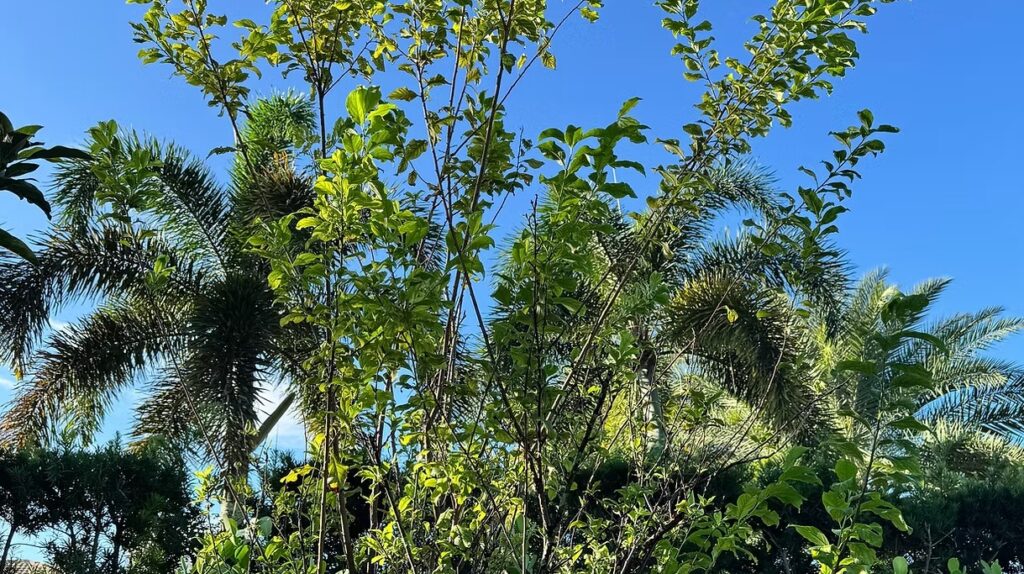
A thriving Methley plum tree reaches toward the bright blue sky in a lush tropical garden.
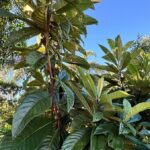
Learn how to grow a loquat tree with guidance on planting, watering, fertilizing, pruning, pollination, pest care, and harvesting sweet loquat fruit. The loquat tree brings year-round beauty and an unusual harvest season to the home garden. Its glossy evergreen foliage, fragrant white flowers, and clusters of golden fruit make it both an attractive landscape tree and a productive addition to a warm-climate edible garden. Unlike many familiar fruit trees, the loquat blooms during fall and winter before ripening its fruit in spring or early summer. The ripe fruit has tender, juicy flesh with a sweet, lightly tart flavor often compared to apricot, peach, citrus, and pineapple. Loquats can be enjoyed fresh or used in preserves, sauces, baked desserts, salads, and other seasonal dishes. Although an established loquat tree is relatively easy to maintain, choosing the right location is essential. Winter temperatures, soil drainage, sunlight, pruning, and watering can all affect flowering and fruit production. With thoughtful care, this versatile evergreen can become a beautiful and rewarding part of the landscape. What Is a Loquat Tree? The loquat tree, botanically known as Eriobotrya japonica, is a broadleaf evergreen member of the rose family. Despite its botanical name, the species is believed to have originated in China before being cultivated extensively in Japan and other parts of Asia. Loquats usually develop a rounded, densely branched canopy filled with large, deeply veined leaves. Mature trees commonly reach approximately 10 to 25 feet tall and wide, although their eventual size depends on the cultivar, climate, growing conditions, and pruning. Clusters of small, fragrant white flowers appear during fall or early winter. These flowers develop into oval, round, or pear-shaped fruit with yellow to deep orange skin. Depending on the cultivar, the flesh may be white, pale yellow, or orange. What Does Loquat Fruit Taste Like? Ripe loquat fruit is juicy, fragrant, and pleasantly sweet with varying levels of acidity. Some cultivars have a delicate floral flavor, while others taste brighter and more tangy. The texture is soft and succulent, similar to a ripe peach, pear, or apricot. The flavor improves as the fruit ripens fully on the tree. Pale, firm fruit is usually more acidic, while richly colored fruit that yields slightly to gentle pressure tends to be sweeter. Because ripe loquats are delicate and highly perishable, they are rarely as widely available in stores as apples, peaches, or citrus fruit. The Best Climate for Growing a Loquat Tree Loquat trees grow best in subtropical and warm temperate climates. They are generally suited to USDA Hardiness Zones 8 through 10, with some recommendations extending into Zone 11 under suitable local conditions. The tree itself can tolerate more cold than its flowers and developing fruit. Temperatures below approximately 27°F to 28°F can damage or destroy blossoms and young fruit, even if the tree survives. For reliable harvests, loquats need mild winters without prolonged hard freezes. Excessively hot conditions can also stress the tree and reduce growth. University of Florida IFAS Extension Gardeners in colder regions may grow loquats as ornamental container plants that are moved into a protected location for winter. Container-grown trees will generally remain smaller, and producing fruit indoors can be difficult without abundant sunlight, appropriate temperatures, and pollinating insects. Choosing the Right Planting Location Select a warm, protected location that receives full sun. Loquat trees tolerate partial shade, but plentiful sunlight usually supports stronger flowering, sweeter fruit, and better overall production. Allow enough room for the mature canopy to develop without interfering with buildings, walkways, power lines, or nearby trees. An unpruned loquat can become broad and spreading, so its mature width is just as important as its height. A site protected from strong winter wind may help reduce cold injury. Avoid low areas where cold air settles and locations that remain waterlogged after heavy rain. Soil and Drainage Requirements Loquat trees adapt to several soil types, including sandy, loamy, clay-based, and limestone soils, provided the planting area drains well. They do not tolerate prolonged flooding or consistently saturated roots. Before planting, observe how quickly water drains from the site after rainfall. In heavy or poorly drained soil, planting on a broad mound or raised area may improve drainage. Avoid placing large amounts of fertilizer or rich organic material directly into the planting hole, since this can discourage roots from spreading into the surrounding soil. A layer of organic mulch can help conserve moisture, suppress weeds, and moderate soil temperature. Keep mulch several inches away from the trunk to reduce the risk of excess moisture collecting against the bark. How to Plant a Loquat Tree Spring is often a convenient time to plant in areas with occasional winter freezes. In reliably mild climates, loquats may also be planted during other seasons when extreme heat is not expected. Dig a hole that is wider than the root ball but no deeper. Position the tree so the top of its root ball sits level with, or slightly above, the surrounding ground. Backfill with the original soil, gently firm it around the roots, and water thoroughly. Water the newly planted tree regularly while it establishes. The soil should remain moderately moist but never constantly saturated. Staking is generally necessary only when the tree cannot support itself or the site is exposed to strong wind. Seed-Grown Versus Grafted Loquat Trees A loquat seed can produce an attractive ornamental tree, but it may not produce fruit identical to the fruit from which the seed came. Seedlings can also take six to eight years to flower and bear fruit. For predictable fruit quality and earlier production, choose a grafted tree from a reputable nursery. Vegetatively propagated trees may begin bearing within approximately one to two years after planting, although climate, tree health, and growing conditions will influence the timing. University of Florida IFAS Extension Cultivars differ in fruit size, skin color, flesh color, sweetness, acidity, seed number, and harvest season. Locally recommended cultivars are often the best choice because their flowering and ripening patterns suit the
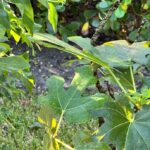
Learn how to grow healthy fig trees at home, including variety selection, planting, watering, pruning, winter protection, harvesting, and troubleshooting. Fig trees bring beauty, character, and remarkable flavor to a home garden. Their broad, deeply lobed leaves create a lush appearance, while their sweet fruit can be enjoyed fresh from the tree, dried, preserved, baked into desserts, or added to savory dishes. Once established in a suitable location, a fig tree can produce generously with relatively straightforward care. The common fig, botanically known as Ficus carica, is a deciduous shrub or small tree native to western Asia and the Mediterranean region. Although figs are associated with warm climates, gardeners in many cooler regions can grow them successfully by choosing a cold-tolerant variety, planting in a protected microclimate, or using a container that can be moved into shelter for winter. Successful fig growing begins with the right variety and location. Sunlight, drainage, seasonal warmth, winter temperatures, moisture, and pruning practices can all influence whether a tree develops healthy growth and fully ripened fruit. This complete fig tree growing guide explains how to select, plant, water, fertilize, prune, protect, harvest, and troubleshoot fig trees at home. Understanding How Fig Trees Grow A fig is not a conventional fruit with visible flowers. What appears to be the fruit is a hollow structure called a syconium. The tiny flowers develop inside this structure, which is why gardeners do not see blossoms covering a fig tree before fruit appears. There are several types of edible figs, but common figs are generally the most practical choice for home gardens. Most commonly sold home-garden varieties can develop fruit without cross-pollination, which means a single tree may produce a crop. Some specialized varieties require pollination by a particular fig wasp and may not produce properly in regions where that pollinator is absent. Buying a named common fig variety from a reliable regional nursery helps prevent this problem. Depending on the variety and climate, a fig tree may produce one or two crops. The early crop, known as the breba crop, forms on growth produced during the previous season. The main crop normally develops later on new growth. A cold winter or heavy pruning can eliminate the breba crop while still allowing the tree to produce a later crop on new branches. Choosing the Best Fig Variety for Your Climate Variety selection should be based on winter hardiness, summer heat, the length of the growing season, local humidity, and whether the tree will grow in the ground or a container. A variety that performs beautifully in a hot Southern garden may ripen too late in a cool Northern climate. Brown Turkey is a familiar and widely grown fig with brownish-purple skin and sweet flesh. It adapts to a range of conditions and can produce fruit on new growth after winter damage. Celeste produces small to medium fruit with light brown to violet skin and sweet flesh. Its relatively tight fruit opening can help limit problems caused by insects and excess moisture. It is especially popular in warm, humid regions. Chicago Hardy is frequently selected for colder climates because its roots can survive lower temperatures than those of many tender varieties when properly established and protected. Aboveground growth may still die back during severe winter weather, so the name should not be interpreted as a guarantee that every branch will survive extreme cold. Black Mission produces dark purple fruit with richly flavored pink or red flesh. It performs best where summers are warm and the growing season is sufficiently long. In colder areas, it may be better suited to container cultivation. Violette de Bordeaux produces smaller, dark-skinned figs with a rich flavor. Its naturally compact growth and suitability for pruning can make it an appealing option for containers and smaller gardens. Desert King is known for producing a dependable breba crop in climates with cooler summers. Because breba figs form on the previous year’s wood, winter protection and careful pruning are particularly important. Local performance is more valuable than a variety’s general description. A cooperative extension office, regional nursery, or experienced grower can help identify cultivars that reliably ripen before the first fall frost in your area. Selecting the Right Planting Location Fig trees produce their best growth and fruit in full sun. Choose a location that receives at least six to eight hours of direct sunlight, with more sun being beneficial in cool or short-season regions. A south-facing wall can create a warmer microclimate, protect the tree from cold winds, and help the fruit ripen. Good drainage is essential. Fig trees adapt to several soil types, but they should not remain in saturated ground. Standing water and prolonged soil saturation can contribute to root and crown problems. If the garden has heavy clay or a consistently high water table, consider planting on a raised mound or growing the tree in a large container. Allow enough room for the mature canopy and roots. The final size depends on variety, climate, pruning, and winter dieback, but an unrestrained fig can become a broad shrub or small tree. Avoid planting directly beside foundations, septic systems, drains, or paved areas where vigorous roots and spreading growth may become difficult to manage. In colder climates, select a sheltered area away from low spots where cold air collects. A position beside a south-facing masonry wall may provide additional warmth, although the tree still needs adequate airflow and space. When to Plant a Fig Tree In climates with mild winters, figs may be planted while dormant in fall or early winter. In colder regions, spring planting is generally safer. Wait until the danger of a hard freeze has passed so the young tree has an entire growing season to establish roots before winter. Container-grown trees offer more flexibility than bare-root plants, but they still require protection from extreme heat, drought, and sudden cold during establishment. Avoid planting during periods of frozen soil, waterlogged conditions, or intense summer heat. How to Plant a Fig Tree Before
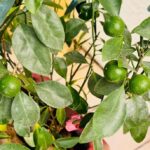
The Calamondin tree is a beautiful and productive citrus tree that brings year-round color, fragrance, and fresh fruit to home gardens. Loved for its compact size and abundant harvests, this evergreen tree is an excellent choice for landscapes, patios, balconies, and even indoor growing. Whether you are an experienced gardener or planting your first citrus tree, the Calamondin offers an attractive combination of ornamental beauty and culinary versatility. Often called calamansi, Philippine lime, or golden lime, the Calamondin tree produces small, bright orange fruits with a bold citrus flavor that is both tart and slightly sweet. The fruit is widely used in cooking, baking, beverages, and marinades, making this tree as practical as it is decorative. What Is a Calamondin Tree? The Calamondin tree (Citrus × microcarpa) is believed to be a natural hybrid between a kumquat and a mandarin orange. Native to Southeast Asia, it has been cultivated for centuries and remains one of the most popular citrus trees in tropical and subtropical regions. This slow-growing evergreen typically reaches 6 to 15 feet tall when planted in the ground, although container-grown trees generally stay between 3 and 6 feet with occasional pruning. Its dense canopy of glossy green leaves, fragrant blossoms, and colorful fruit makes it an eye-catching addition to any garden. One of its most appealing qualities is its ability to bloom and fruit throughout much of the year, allowing gardeners to enjoy fragrant flowers and ripe citrus at the same time. A Tree That Offers Beauty in Every Season The Calamondin tree is prized for its ornamental appeal as much as its fruit. Deep green leaves create a lush backdrop for clusters of delicate white blossoms that fill the garden with a sweet citrus fragrance. As the blossoms mature, they develop into small green fruit that gradually ripens into brilliant orange spheres. Because flowering and fruit production often occur simultaneously, mature trees display blossoms, green fruit, and ripe oranges all at once. This colorful display provides year-round visual interest and makes the tree a favorite for patios, entryways, edible landscapes, and decorative containers. Ideal Growing Conditions Calamondin trees thrive in warm climates with plenty of sunshine. They perform best in USDA Hardiness Zones 8 through 11 but can also be successfully grown in containers in cooler regions. For healthy growth, provide the tree with six to eight hours of direct sunlight each day. Plant it in well-drained soil that is slightly acidic, as citrus trees dislike standing water around their roots. Water deeply when the top inch of soil begins to dry, allowing excess moisture to drain away completely. During the active growing season, fertilize regularly with a citrus-specific fertilizer that supplies essential nutrients for flowering and fruit production. Gardeners in colder climates can simply move container-grown trees indoors before freezing temperatures arrive. A bright sunny window or grow lights will help the tree continue growing throughout winter. Flowering and Fruit Production One of the most rewarding aspects of growing a Calamondin tree is its impressive fruit production. Healthy trees often flower several times throughout the year, producing fragrant white blossoms that attract bees and other beneficial pollinators. Following pollination, small green fruits begin to develop before gradually turning a vibrant orange as they mature. Unlike many citrus varieties, Calamondin fruit can remain on the tree for weeks after ripening, allowing gardeners to harvest only what they need while enjoying the colorful display. Mature trees are capable of producing hundreds of fruits annually under favorable growing conditions. What Does Calamondin Taste Like? Although the fruit resembles a miniature orange, its flavor is much more similar to a lime with subtle mandarin notes. The juice is intensely tart, while the thin peel contributes a pleasant sweetness and aromatic citrus oils. This unique combination creates a bright, refreshing flavor that enhances countless recipes. Many people enjoy using the entire fruit, including the peel, to maximize its citrus aroma and natural sweetness. Culinary Uses for Calamondin Fruit The Calamondin is one of the most versatile citrus fruits in the kitchen. Its fresh juice adds brightness and acidity to both sweet and savory dishes. Popular culinary uses include fresh lemonade, citrus-infused water, homemade vinaigrettes, seafood marinades, grilled chicken, roasted vegetables, stir fry sauces, dipping sauces, salsa, jams, marmalades, citrus curds, pies, cakes, cookies, sorbet, ice cream, cocktails, and mocktails. The fruit also makes an excellent substitute for lemons or limes in many recipes, providing a distinctive tropical citrus flavor. Health Benefits Like many citrus fruits, Calamondin is packed with nutrients that support overall wellness. It is naturally rich in vitamin C, antioxidants, flavonoids, potassium, calcium, and dietary fiber. These nutrients help support immune function, healthy skin, collagen production, digestion, and protection against oxidative stress. Adding fresh Calamondin juice to meals is a simple way to enjoy both vibrant flavor and nutritional benefits. Growing a Calamondin Tree in Containers The Calamondin tree is one of the easiest citrus varieties to grow in pots, making it ideal for gardeners with limited outdoor space. Choose a large container with excellent drainage and fill it with a high-quality citrus potting mix. Position the container where it will receive plenty of direct sunlight throughout the day. Rotate the pot every few weeks to encourage even growth and maintain a balanced canopy. Repot the tree every few years as it grows, refreshing the soil to provide healthy root development and continued fruit production. Caring for Your Calamondin Tree Routine maintenance keeps Calamondin trees healthy and productive for many years. Prune lightly after harvesting to remove damaged or crowded branches while maintaining an attractive shape. Feed regularly during spring and summer with a citrus fertilizer formulated for fruiting trees. Watch for common citrus pests, including aphids, spider mites, scale insects, and whiteflies. Early detection allows problems to be managed before they become serious. Adding a layer of mulch around outdoor trees helps retain moisture, regulate soil temperature, and reduce weed growth while keeping mulch several inches away from the trunk. Why Gardeners Love the Calamondin Tree Few
Originally published
March 2026
Updated
August 2026
Reviewed by
Culibloom