Artisan Neapolitan Pepperoni Pizza: The Italian Classic That Inspired Our Signature Culibloom Recipe
Explore the creative story behind Culibloom’s artisan Neapolitan pepperoni pizza, featuring recipe development, rustic styling, food photography, and Italian-inspired flavor.
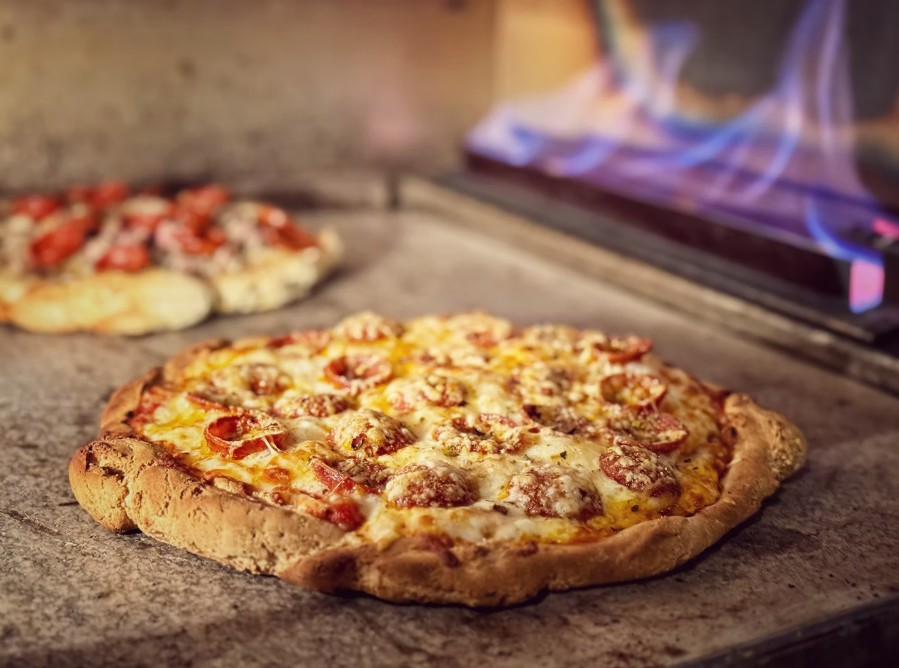
Inspired by the irresistible character of traditional Neapolitan pizza, this signature Culibloom project celebrates the beauty of a handcrafted crust, vibrant tomato sauce, melted cheese, and savory pepperoni. The concept brings Italian inspiration together with the familiar comfort of a classic pepperoni pizza, creating a dish that feels both artisan and approachable.
For this project, I wanted to capture more than the flavor of a memorable pizza. I wanted to communicate the warmth of a shared meal, the rustic beauty of handmade food, and the pleasure of transforming familiar ingredients into an inviting culinary experience. Recipe development, food styling, photography, and editorial storytelling were brought together to create a cohesive feature that reflects the Culibloom aesthetic.
The Inspiration Behind the Pizza
Neapolitan pizza is admired for its simplicity. Its appeal comes from a thoughtful balance of crust, tomato, cheese, and carefully chosen toppings. Instead of relying on an excessive number of ingredients, the style allows each component to contribute something meaningful to the finished pizza.
That philosophy became the starting point for the Culibloom interpretation. The goal was to preserve the uncomplicated spirit of the Italian classic while developing a pepperoni pizza with its own personality. The result combines the rustic appearance of an artisan pizza with the comforting flavors that make pepperoni pizza a perennial favorite.
Pepperoni introduces a familiar Italian American influence to the project. Its bold, savory flavor complements the bright tomato sauce and creamy melted cheese, creating a pizza that feels nostalgic without losing its artisan character.
Developing the Signature Culibloom Concept
Developing a signature pizza requires careful attention to the relationship between flavor, texture, appearance, and presentation. Every element must support the complete experience.
The crust provides the foundation of the pizza, contributing structure as well as visual personality. Its handmade shape and golden surface reinforce the artisan theme. The tomato sauce introduces brightness and acidity, balancing the richness of the cheese and pepperoni. Melted cheese brings creaminess, while lightly browned areas add color, texture, and deeper flavor.
Pepperoni is used as the defining topping, giving the pizza its recognizable identity. As it cooks, it adds savory richness and gentle spice. The combination of pepperoni, tomato, and cheese creates an inviting contrast that is satisfying, familiar, and easy for readers to appreciate.
The final concept reflects the Culibloom approach to recipe development. It transforms a beloved classic into a distinctive culinary feature while keeping the food welcoming and accessible.
Flavor and Texture
The sensory appeal of this pizza depends on contrast. The crust is tender and pleasantly chewy, with golden edges that introduce a lightly crisp texture. The tomato sauce contributes freshness and acidity, helping to balance the richness of the other toppings.
The melted cheese creates a smooth, creamy layer across the surface. Golden patches add roasted flavor and give the finished pizza a beautifully rustic appearance. The pepperoni contributes saltiness, spice, and a deeply savory quality that stands out without overwhelming the sauce or cheese.
Together, these elements create a balanced experience. Each bite combines a sturdy yet tender crust, lively tomato flavor, creamy cheese, and savory pepperoni. The result feels indulgent while remaining true to the simplicity that inspired the project.
Rustic Food Styling
The food styling was designed to emphasize the pizza’s handcrafted character. Instead of presenting an overly perfect or highly controlled arrangement, the styling allows the natural details of the pizza to remain visible.
The irregular crust, melted cheese, browned surface, and scattered pepperoni create texture and visual movement. These details communicate warmth and authenticity while making the pizza feel freshly prepared and ready to share.
A neutral wooden setting complements the golden crust and rich red tones without distracting from the food. The surrounding elements remain softly out of focus, creating depth while keeping attention on the pizza. This simple presentation supports the Italian-inspired theme and gives the image a relaxed, welcoming atmosphere.
Food Photography and Visual Storytelling
The photography focuses on warmth, texture, and appetite appeal. Soft lighting highlights the melted cheese and browned crust while preserving the natural colors of the pizza. Gentle shadows add dimension and help define the toppings without making the composition feel harsh.
The close composition brings the viewer directly into the scene. The pizza fills the frame, allowing its artisan crust, savory toppings, and golden surface to become the central story. The softly blurred background suggests a comfortable dining environment and reinforces the feeling of a meal meant to be enjoyed with others.
This visual approach makes the image versatile enough for a culinary portfolio, food editorial, recipe introduction, website feature, or social media campaign. It presents the pizza as both an attainable homemade favorite and a carefully developed signature dish.
Creating an Approachable Culinary Experience
Although the project is inspired by an iconic Italian pizza tradition, its presentation is intended to feel approachable to home cooks. The concept shows that artisan-inspired food can still be familiar, comforting, and inviting.
That accessibility is an important part of Culibloom’s creative identity. Beautiful food should inspire curiosity without feeling intimidating. Through thoughtful recipe development, reader-friendly storytelling, natural food styling, and warm photography, this project encourages audiences to imagine preparing and sharing their own artisan pizza.
The pizza is well suited to relaxed family dinners, casual gatherings, weekend cooking projects, pizza nights, and Italian-inspired celebrations. Its familiar flavors make it appealing to a broad audience, while its handcrafted appearance gives it a sense of occasion.
A Complete Culinary Content Project
Artisan Neapolitan Pepperoni Pizza: The Italian Classic That Inspired Our Signature Culibloom Recipe represents a complete culinary content project. It combines concept development, recipe development, food styling, photography, and SEO-focused storytelling within one unified presentation.
Every element supports the same creative direction. The recipe concept honors a classic style of pizza. The styling emphasizes warmth and craftsmanship. The photography captures texture and appetite appeal. The editorial content gives readers a meaningful story that connects culinary tradition with the distinctive Culibloom perspective.
Most importantly, the project celebrates the lasting appeal of pizza. It is familiar enough to feel comforting, versatile enough to inspire creativity, and beautiful enough to become the centerpiece of a shared meal.
Explore a gluten-free Grandma style pizza project featuring a crisp golden crust, bubbling cheese, rustic food styling, and inviting culinary photography. Grandma style pizza is the kind of food that immediately creates a sense of comfort. Its rectangular shape, crisp golden edges, bubbling cheese, and rustic appearance recall the warmth of a neighborhood pizzeria and the familiar pleasure of gathering around a freshly baked pizza. For this project, I reimagined that classic experience for modern gluten-free kitchens without losing the generous character that makes Grandma-style pizza so inviting. My goal was to create a gluten-free pizza that looked substantial, satisfying, and completely at home beside its traditional counterpart. Instead of approaching gluten-free baking as a limitation, I treated it as an opportunity to celebrate texture, color, and thoughtful culinary development. The finished pizza brings together a crisp foundation, vibrant tomato sauce, beautifully melted cheese, and a relaxed presentation that feels both nostalgic and contemporary. A Classic Pizza With a Modern Gluten-Free Perspective Grandma-style pizza is known for its casual rectangular shape and crisp, oil-kissed crust. It has a welcoming personality that feels less formal than a perfectly shaped round pizza. The natural corners, deeply browned edges, and varied surface give every slice its own character. That rustic quality became the foundation of this project. I wanted the pizza to feel handcrafted and familiar rather than overly styled. The rectangular form suggests abundance and makes the finished dish feel ready for sharing. Corner pieces offer extra crisp edges, while center slices showcase the satisfying combination of crust, sauce, and melted cheese. Adapting this style for gluten-free kitchens required special attention to structure and visual appeal. Gluten-free pizza should not appear delicate, dry, or like a substitute for the real experience. It should look confident and crave-worthy. The crust in this project was designed to support the toppings while developing the golden exterior and crisp perimeter associated with a memorable Grandma-style pizza. Creating Irresistible Texture and Visual Contrast Texture is one of the defining elements of this project. The browned crust immediately suggests crispness, while the substantial interior promises a satisfying bite. The melted cheese creates softness and richness across the top, balancing the sturdy foundation beneath it. The pizza’s surface features a natural arrangement of cheese and sauce rather than a perfectly uniform layer. Bright areas of tomato add color and acidity, while toasted spots across the cheese create depth. These variations make the pizza look freshly baked and give the composition movement. The finished appearance communicates comfort before the pizza is ever tasted. The crisp corners, bubbling cheese, and warm tomato tones evoke the sensory experience of a hot pizza emerging from the oven. Nothing feels overly arranged. The appeal comes from the food itself and the visible signs of careful baking. Food Styling With Authentic Pizzeria Character For the styling, I focused on authenticity and immediacy. The pizza is presented in an oven setting on a metal peel, placing the viewer directly in the baking environment. This setting reinforces the character of the project and gives the image a sense of warmth, motion, and anticipation. The lifted pizza creates the impression that it has just finished baking and is about to be carried to the table. This moment feels active and believable. It allows the browned crust and rectangular shape to remain visible while emphasizing the generous layer of melted cheese across the surface. I kept the surrounding elements simple so the pizza could remain the visual focus. The metal surface provides a cool, industrial contrast to the warm golden crust, red sauce, and toasted cheese. That contrast helps the colors of the food stand out while supporting the familiar atmosphere of a working pizza kitchen. The rustic presentation also reflects the spirit of Grandma-style pizza. This is food designed for enjoyment and sharing. It does not need elaborate garnishes or formal plating. Its beauty comes from texture, abundance, and the unmistakable signs of a well-baked crust. Photography That Captures Warmth and Movement The photography was developed to tell a story rather than simply document the finished pizza. The oven, metal peel, and warm light create a strong sense of place. Viewers can imagine the heat of the oven, the aroma of baked cheese and tomato, and the crisp sound of the crust as the pizza is sliced. The angle reveals both the top and side of the pizza, allowing the viewer to appreciate the contrast between the crisp exterior and substantial interior. The perspective also highlights the rectangular form, which is essential to the identity of a Grandma-style pizza. Warm tones guide the eye toward the toasted cheese and golden crust. The darker oven interior frames the pizza and adds depth, while the reflective metal surface gives the image a professional culinary setting. Together, these details create an appetizing photograph that feels polished without losing its rustic authenticity. The final image can support editorial content, food publications, gluten-free campaigns, culinary websites, social media, or branded storytelling. Its strong visual identity makes it versatile while keeping the focus on comfort, craftsmanship, and gluten-free accessibility. Making Comfort Food More Inclusive Grandma Style Pizza: A Crispy, Comforting Classic Made for Modern Gluten-Free Kitchens reflects my belief that dietary needs should not prevent people from enjoying familiar comfort foods. Gluten-free culinary development can preserve the emotional appeal of a classic dish while introducing thoughtful techniques and a fresh perspective. This project was designed for people who want the pleasure of a crisp, cheesy pizza while following a gluten-free lifestyle. It also offers an inviting option for family dinners and celebrations where guests may have different dietary needs. The familiar presentation helps the pizza feel inclusive rather than separate from the rest of the meal. When serving someone with celiac disease or gluten sensitivity, it is important to choose appropriately labeled gluten-free ingredients and prevent cross-contact during preparation, baking, slicing, and serving. Culinary Storytelling Through a Familiar Favorite This project brings together concept development, gluten-free recipe development, food styling, photography, SEO content,
Explore a culinary portfolio project featuring handcrafted basil laminated pasta, seasonal recipe development, botanical food styling, and garden-to-table photography. For this culinary portfolio project, I transformed fresh basil into an elegant handcrafted pasta that celebrates the connection between the garden and the kitchen. From Garden to Table: Handcrafted Basil Laminated Pasta combines traditional pasta-making techniques with botanical styling, seasonal ingredients, and visual storytelling. The concept began with fresh basil leaves and a desire to showcase their natural beauty in an unexpected way. Instead of chopping the basil or blending it into a sauce, I carefully placed whole leaves between two thin sheets of fresh pasta dough. The dough was then rolled to seal the basil inside, creating delicate botanical patterns throughout each sheet. Every piece of pasta developed its own composition. The leaves stretched slightly as the dough became thinner, revealing their shapes, veins, and vibrant green color. This natural variation gave the pasta an artisanal quality and ensured that no two pieces looked exactly alike. Developing the Culinary Concept My goal was to create pasta that would feel refined while remaining grounded in familiar, seasonal ingredients. Fresh pasta and basil are a classic combination, but the laminated presentation allowed me to interpret that pairing in a more creative and visually distinctive way. The project required careful attention to the texture and thickness of the pasta dough. It needed to be flexible enough to roll into thin sheets while remaining strong enough to hold the basil leaves without tearing. The leaves also had to be selected and arranged thoughtfully so they would create a balanced pattern after the final rolling. Smaller basil leaves worked beautifully for the design because they could be spaced naturally throughout the dough. Their irregular shapes contributed to the handmade appearance and reinforced the garden-inspired character of the finished pasta. Rather than forcing the leaves into a perfectly uniform arrangement, I allowed their natural forms to guide the composition. This helped the pasta retain an organic quality and made the finished sheets feel like edible botanical artwork. Highlighting Craftsmanship Through Photography The visual story focused on both the creative process and the finished presentation. I photographed the pasta at different stages to show how fresh ingredients were transformed through traditional craftsmanship. Images of the uncut laminated sheets emphasized the detail of the basil leaves suspended inside the dough. Close views captured the translucent quality of the thin pasta and the fine patterns running through each leaf. Wider compositions provided context through fresh basil, flour, pasta-making tools, natural linens, and simple ceramics. The styling remained intentionally understated. A restrained setting allowed the handcrafted pasta to be the focus while supporting the project’s garden-to-table theme. Natural textures and soft, directional light enhanced the golden color of the dough and the lively green of the basil. For the finished dish, I kept the presentation simple so the botanical design remained visible. The pasta was styled with light accompaniments that complemented its fresh, herbaceous character without covering the leaves. This approach preserved the craftsmanship as the central visual feature. Creating a Cohesive Garden-to-Table Story This project was developed as more than a finished plate of pasta. It was conceived as a complete seasonal story about fresh ingredients, handmade food, and the beauty found in thoughtful preparation. The progression from basil leaves to laminated dough and finally to a plated dish created a natural narrative. Each image contributed to that journey, allowing viewers to appreciate both the technique and the final result. The color palette was drawn directly from the ingredients. Shades of basil green, warm pasta gold, soft cream, and natural wood created a cohesive collection of images. The visual simplicity communicated freshness and craftsmanship while giving the work a polished editorial quality. A Celebration of Handmade Food From Garden to Table: Handcrafted Basil Laminated Pasta reflects my approach to recipe development, food styling, and culinary photography. I enjoy finding creative ways to highlight familiar ingredients and turning the preparation process into part of the story. The success of this concept rests in its balance. It is artistic without feeling impractical, sophisticated without becoming inaccessible, and visually striking without relying on excessive decoration. The beauty comes from the basil, the fresh dough, and the handmade variations within each sheet. This project demonstrates how a simple garden herb can inspire an entire culinary experience. By preserving the recognizable form of the basil leaves, I created pasta that communicates its flavor before it is even served. The finished work feels seasonal, tactile, and deeply connected to the ingredients that inspired it. Project Title: From Garden to Table: Handcrafted Basil Laminated Pasta Project Focus: Garden-inspired fresh pasta development and visual storytelling Services: Culinary concept development, recipe development, pasta styling, food styling, food photography, prop styling, and editorial content creation
Explore Mediterranean Mosaic Focaccia Art featuring garden vegetables, decorative olive rings, and a sculptural floral centerpiece arranged on handmade bread. Fresh garden vegetables become an artistic medium in this Mediterranean Mosaic Focaccia Art project. Inspired by the colors, patterns, and abundant flavors of the Mediterranean, I transformed a simple round of focaccia dough into an intricate edible centerpiece with a bold circular composition. The arrangement is photographed before baking, allowing the individual elements of the design to remain clear and vibrant. Rings of sliced olives create a striking border, while smaller accents, herbs, and colorful vegetables add texture throughout the interior. At the center, pale vegetable pieces form a sculptural flower with layered petals and a naturally dimensional appearance. I wanted this project to feel decorative without losing the rustic character that makes focaccia so inviting. Every topping contributes to the overall composition while maintaining the connection between garden-grown ingredients, Mediterranean flavors, and handmade bread. A Mosaic Inspired by the Mediterranean Traditional mosaics often use small pieces of stone, tile, or glass to build elaborate patterns. I approached this focaccia in much the same way, treating each sliced vegetable and herb as an individual component within a larger design. The dark olive rounds form a strong outer frame that immediately defines the circular shape of the bread. Their repetition produces rhythm and contrast while guiding the eye toward the center. A second ring of lighter olive slices adds another level of detail and softens the transition between the dramatic border and the central floral arrangement. Scattered herbs, seasonings, and colorful vegetable accents fill the remaining spaces. These smaller details prevent the background from feeling empty while giving the focaccia the layered, abundant appearance associated with a flourishing Mediterranean garden. A Sculptural Vegetable Flower The central flower is the focal point of the design. Pale vegetable pieces are arranged in overlapping layers to suggest petals opening from the middle of the focaccia. Their curved shapes and gently raised edges give the flower a sculptural quality that contrasts beautifully with the precise olive rings surrounding it. This central element introduces softness to an otherwise geometric composition. The rounded border feels orderly and architectural, while the flower feels organic and expressive. Bringing those two visual ideas together creates a balanced piece that feels both carefully planned and naturally inspired. Because the focaccia is shown before baking, the construction and placement of each topping can be appreciated clearly. The photograph captures the stage when the dough serves as a fresh canvas and every vegetable still displays its individual color, shape, and texture. Flavor That Supports the Design Although visual storytelling is central to this project, the toppings were selected to create Mediterranean character as well as beauty. Olives bring savory depth and a pleasant briny quality. Garden vegetables contribute freshness, subtle sweetness, and varied textures, while herbs and seasonings add aromatic notes across the surface. The design demonstrates how flavor and presentation can be developed together. The olives are not simply decorative circles, and the flower is not only an ornamental centerpiece. Each edible detail contributes something to the finished bread while also strengthening the visual theme. That connection is especially important in edible art. A successful design should look intentional, but it should also remain appetizing. The finished concept needs to invite guests to admire the bread and then feel excited to share and enjoy it. Handmade Craftsmanship and Food Styling Creating a detailed focaccia design requires patience and close attention to spacing. Circular patterns make inconsistencies especially noticeable, so the olive slices were positioned carefully to maintain the visual rhythm of the border. The inner elements were then arranged to preserve the focal point without covering too much of the dough. The styling highlights contrast at every level. Dark olives stand out against the pale dough, while green tones and colorful flecks bring life to the interior. The central flower rises above the flatter toppings, introducing height and shadow to the composition. The surrounding herbs and scattered ingredients extend the garden theme beyond the edge of the bread. This gives the photograph a tactile, handcrafted atmosphere and makes the focaccia feel connected to the fresh ingredients used to decorate it. Photographing the Creative Process Photographing the focaccia before baking was an important part of the storytelling. At this stage, the design retains its crisp arrangement, and the viewer can see how individual ingredients were used to build the mosaic. The overhead perspective emphasizes symmetry and makes the circular structure immediately understandable. It also allows the central flower, interior embellishments, and double olive border to share the frame without competing for attention. This type of process-focused photography is valuable for editorial features, portfolio storytelling, and visual food content. It captures not only what was made, but also the care involved in creating it. Edible Art for Sharing and Celebration Mediterranean Mosaic Focaccia Art would make a memorable centerpiece for a garden gathering, brunch, family celebration, Mediterranean-inspired dinner, or creative bread display. Its circular form naturally encourages sharing, while the detailed surface gives guests something to discover before the bread is served. This project reflects my interest in transforming familiar foods into expressive visual experiences. It combines culinary creativity, ingredient styling, composition, and photography in one cohesive piece. Most importantly, it celebrates the beauty of fresh food and the idea that everyday ingredients can become art when they are arranged with imagination and purpose. Featured Project: Mediterranean Mosaic Focaccia Art: Turn Fresh Garden Vegetables into Edible Art Project Type: Garden-Inspired Focaccia Art and Culinary Portfolio Feature Services: Culinary Concept Development, Edible Art Design, Food Styling, Food Photography, Visual Storytelling, SEO Content Writing
Originally published
March 2026
Updated
August 2026
Reviewed by
Culibloom