Mediterranean Mosaic Focaccia Art: Turn Fresh Garden Vegetables into Edible Art
Explore Mediterranean Mosaic Focaccia Art featuring garden vegetables, decorative olive rings, and a sculptural floral centerpiece arranged on handmade bread.
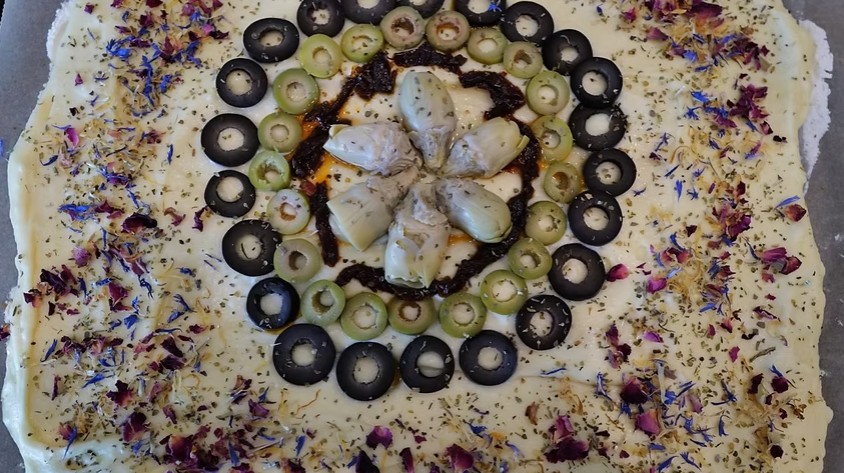
Fresh garden vegetables become an artistic medium in this Mediterranean Mosaic Focaccia Art project. Inspired by the colors, patterns, and abundant flavors of the Mediterranean, I transformed a simple round of focaccia dough into an intricate edible centerpiece with a bold circular composition.
The arrangement is photographed before baking, allowing the individual elements of the design to remain clear and vibrant. Rings of sliced olives create a striking border, while smaller accents, herbs, and colorful vegetables add texture throughout the interior. At the center, pale vegetable pieces form a sculptural flower with layered petals and a naturally dimensional appearance.
I wanted this project to feel decorative without losing the rustic character that makes focaccia so inviting. Every topping contributes to the overall composition while maintaining the connection between garden-grown ingredients, Mediterranean flavors, and handmade bread.
A Mosaic Inspired by the Mediterranean
Traditional mosaics often use small pieces of stone, tile, or glass to build elaborate patterns. I approached this focaccia in much the same way, treating each sliced vegetable and herb as an individual component within a larger design.
The dark olive rounds form a strong outer frame that immediately defines the circular shape of the bread. Their repetition produces rhythm and contrast while guiding the eye toward the center. A second ring of lighter olive slices adds another level of detail and softens the transition between the dramatic border and the central floral arrangement.
Scattered herbs, seasonings, and colorful vegetable accents fill the remaining spaces. These smaller details prevent the background from feeling empty while giving the focaccia the layered, abundant appearance associated with a flourishing Mediterranean garden.
A Sculptural Vegetable Flower
The central flower is the focal point of the design. Pale vegetable pieces are arranged in overlapping layers to suggest petals opening from the middle of the focaccia. Their curved shapes and gently raised edges give the flower a sculptural quality that contrasts beautifully with the precise olive rings surrounding it.
This central element introduces softness to an otherwise geometric composition. The rounded border feels orderly and architectural, while the flower feels organic and expressive. Bringing those two visual ideas together creates a balanced piece that feels both carefully planned and naturally inspired.
Because the focaccia is shown before baking, the construction and placement of each topping can be appreciated clearly. The photograph captures the stage when the dough serves as a fresh canvas and every vegetable still displays its individual color, shape, and texture.
Flavor That Supports the Design
Although visual storytelling is central to this project, the toppings were selected to create Mediterranean character as well as beauty. Olives bring savory depth and a pleasant briny quality. Garden vegetables contribute freshness, subtle sweetness, and varied textures, while herbs and seasonings add aromatic notes across the surface.
The design demonstrates how flavor and presentation can be developed together. The olives are not simply decorative circles, and the flower is not only an ornamental centerpiece. Each edible detail contributes something to the finished bread while also strengthening the visual theme.
That connection is especially important in edible art. A successful design should look intentional, but it should also remain appetizing. The finished concept needs to invite guests to admire the bread and then feel excited to share and enjoy it.
Handmade Craftsmanship and Food Styling
Creating a detailed focaccia design requires patience and close attention to spacing. Circular patterns make inconsistencies especially noticeable, so the olive slices were positioned carefully to maintain the visual rhythm of the border. The inner elements were then arranged to preserve the focal point without covering too much of the dough.
The styling highlights contrast at every level. Dark olives stand out against the pale dough, while green tones and colorful flecks bring life to the interior. The central flower rises above the flatter toppings, introducing height and shadow to the composition.
The surrounding herbs and scattered ingredients extend the garden theme beyond the edge of the bread. This gives the photograph a tactile, handcrafted atmosphere and makes the focaccia feel connected to the fresh ingredients used to decorate it.
Photographing the Creative Process
Photographing the focaccia before baking was an important part of the storytelling. At this stage, the design retains its crisp arrangement, and the viewer can see how individual ingredients were used to build the mosaic.
The overhead perspective emphasizes symmetry and makes the circular structure immediately understandable. It also allows the central flower, interior embellishments, and double olive border to share the frame without competing for attention.
This type of process-focused photography is valuable for editorial features, portfolio storytelling, and visual food content. It captures not only what was made, but also the care involved in creating it.
Edible Art for Sharing and Celebration
Mediterranean Mosaic Focaccia Art would make a memorable centerpiece for a garden gathering, brunch, family celebration, Mediterranean-inspired dinner, or creative bread display. Its circular form naturally encourages sharing, while the detailed surface gives guests something to discover before the bread is served.
This project reflects my interest in transforming familiar foods into expressive visual experiences. It combines culinary creativity, ingredient styling, composition, and photography in one cohesive piece. Most importantly, it celebrates the beauty of fresh food and the idea that everyday ingredients can become art when they are arranged with imagination and purpose.
Featured Project: Mediterranean Mosaic Focaccia Art: Turn Fresh Garden Vegetables into Edible Art
Project Type: Garden-Inspired Focaccia Art and Culinary Portfolio Feature
Services: Culinary Concept Development, Edible Art Design, Food Styling, Food Photography, Visual Storytelling, SEO Content Writing
Black and green olives, artichoke hearts, sun-dried tomatoes, and edible petals form a striking Mediterranean mosaic.
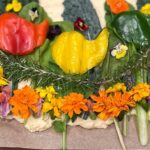
Discover Three Garden Birds Focaccia Art, a colorful artisan bread design celebrating hope, nature, edible flowers, garden vegetables, and handcrafted culinary creativity. Three Garden Birds Focaccia Art began with a simple idea: to capture the joy of discovering birds among the flowers and greenery of a flourishing garden. I wanted the focaccia to feel cheerful, hopeful, and alive, with each detail contributing to a small edible landscape filled with color and personality. At the center of the design are three charming garden birds created from red, yellow, and green vegetables. Their rounded bodies, expressive heads, and individual colors give them a playful presence while allowing them to remain connected to the natural ingredients surrounding them. Small ladybug accents, leafy herbs, delicate blossoms, and a vivid border of orange flowers complete the garden scene. The photograph captures the focaccia before baking, when the vegetable arrangement is fresh, vibrant, and carefully positioned across the pale dough. This stage reveals the thoughtful construction behind the finished concept. Every stem, leaf, flower, and bird has been placed with intention, transforming an artisan bread canvas into a celebration of hope, nature, and handmade food art. A Garden Scene Filled With Meaning Birds have long represented hope, freedom, renewal, and the promise of a new day. Featuring three birds allowed me to create a sense of companionship within the design. They appear to share the garden rather than simply decorate it, giving the composition warmth and a gentle visual story. The choice of three contrasting colors helps each bird stand apart while maintaining harmony across the focaccia. The red bird adds warmth and energy, the yellow bird brings brightness and optimism, and the green bird connects the group to the surrounding foliage. Together, they form a colorful focal point framed by herbs and flowers. The garden elements reinforce the feeling of abundance. Orange blossoms stretch across the lower portion of the dough, while smaller yellow, white, and purple details add movement and variety. The leafy background creates depth and gives the birds the appearance of resting among plants in a lively garden bed. Handmade Details and Artisan Craftsmanship Creating focaccia art requires more than arranging attractive ingredients. The design must balance color, shape, spacing, texture, and scale while still respecting the soft, living surface of the dough. Each decorative element needs to feel secure without being pressed so deeply that its natural beauty disappears. For this project, I treated the dough as both bread and canvas. The three birds establish the main visual rhythm, while the foliage guides the eye around them. Small floral accents fill open spaces without overwhelming the central figures. The ladybug details offer tiny moments of surprise that reward a closer look. The unbaked composition also highlights the handmade quality of the work. Natural ingredients are wonderfully individual, so no two leaves, blossoms, or vegetable shapes are exactly alike. Rather than working against those variations, I used them to create character. Their irregular forms make the garden feel organic and ensure that the finished design remains genuinely one of a kind. Color, Texture, and Sensory Appeal The visual beauty of this focaccia comes from the contrast between the smooth dough and the many textures arranged across its surface. Glossy vegetables, feathery herbs, tender leaves, and delicate flower petals create layers of detail before the bread even enters the oven. Baking brings another transformation. The dough develops a golden surface while the vegetables soften and deepen in color. The herbs and floral elements settle into the bread, connecting the decorative garden to the focaccia beneath it. This relationship between fresh ingredients and artisan bread gives focaccia art its special appeal. It is expressive and decorative, but it is also designed to become part of a shared food experience. The composition celebrates ingredients in a recognizable and inviting way. Vegetables become birds, herbs become garden foliage, and edible blossoms create a border that feels festive without losing its natural character. Food Styling and Photography Photographing the focaccia before baking was an important part of documenting the project. At this stage, the colors are at their brightest and the construction is fully visible. The image preserves the placement of the birds, the layering of the greenery, and the small decorative touches that might change as the dough expands in the oven. The close perspective keeps attention on the edible artwork and allows the viewer to appreciate its handcrafted details. The neutral surface beneath the focaccia supports the natural palette without competing with it. Bright red, yellow, orange, and green ingredients lead the composition, while tiny contrasting blossoms add depth and visual interest. This styling approach reflects my interest in creating food imagery that feels abundant, approachable, and emotionally engaging. The goal is not simply to photograph bread. It is to communicate the care, imagination, and story behind the bread. A Hopeful Centerpiece for Meaningful Occasions Three Garden Birds Focaccia Art would make a memorable centerpiece for spring gatherings, garden parties, brunches, bird-themed celebrations, Earth Day tables, family meals, and events inspired by renewal or new beginnings. Its hopeful symbolism also makes it especially meaningful for occasions centered on friendship, encouragement, community, or personal growth. The design can begin conversations before the bread is served. Guests may notice the colorful birds first, then discover the flowers, herbs, and ladybugs surrounding them. That gradual sense of discovery is part of what makes edible art so engaging. A Creative Culinary Portfolio Project This project brings together artisan bread design, botanical inspiration, food styling, visual storytelling, and photography. It demonstrates how familiar garden ingredients can be transformed into an original composition with a clear emotional theme. Three Garden Birds Focaccia Art: A Garden-Inspired Celebration of Hope, Nature, and Artisan Bread reflects the kind of culinary work I love to create. It is handcrafted, nature-inspired, visually expressive, and designed to make food feel memorable. From the first arrangement of greenery to the final photographic composition, every detail contributes to a garden scene that celebrates creativity, connection, and hope. Featured
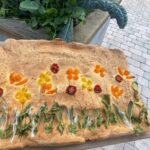
Discover From My Garden Focaccia Art, a colorful garden-to-table bread landscape featuring vibrant vegetables, fresh herbs, botanical styling, and artisan craftsmanship. Food has the remarkable ability to connect the garden with the table, and my From My Garden Focaccia Art is a joyful expression of that connection. Designed as both an artisan bread and an edible work of art, this garden-inspired project brings together colorful vegetable flowers, delicate herb stems, leafy details, rustic texture, and imaginative food styling in one memorable presentation. For this project, I wanted to capture the beauty of a flourishing garden filled with flowers in different colors, shapes, and stages of growth. Instead of arranging the decorative elements in formal rows, I created an organic landscape with blossoms that appear to rise naturally across the golden surface of the focaccia. The result is a garden-to-table edible masterpiece that feels colorful, welcoming, and handcrafted. Warm orange, yellow, red, and green details give the design a cheerful quality, while the long stems and surrounding leaves connect the individual flowers and bring the entire garden scene to life. Turning Focaccia Into an Edible Garden Focaccia provides a wonderful canvas for culinary art because its broad surface can support a detailed composition while retaining the rustic character of handmade bread. For this design, I treated the rectangular dough as a blank garden landscape and used vegetables and herbs as the primary sources of color, texture, and movement. The larger blossoms serve as visual anchors throughout the arrangement. Their bright colors and distinctive shapes immediately draw the eye, while smaller flowers and botanical accents fill the spaces between them. Slender green stems rise through the composition, creating height and making the blossoms appear as though they are growing directly from the bread. The arrangement was intentionally created with natural variation. Some flowers stand tall, while others lean gently or emerge from lower areas of the garden. This changing rhythm prevents the composition from appearing overly controlled and gives the finished focaccia the spontaneous beauty of plants growing together outdoors. Open areas of golden bread remain visible between the decorative elements. These spaces allow each flower, leaf, and stem to be appreciated while making the surface of the focaccia an essential part of the artwork. Its warm color becomes a sunlit background that helps the orange, yellow, red, and green details stand out. A Celebration of Color and Garden Detail Color played an essential role in the development of this focaccia art. Warm orange and yellow flowers bring brightness to the landscape, while red accents create lively focal points. Green stems and leaves establish structure, connect the blossoms, and reinforce the feeling of a thriving garden. The vegetable flowers give the project its strongest sense of personality. Their layered shapes resemble blossoms opening in the sunlight, making each one feel expressive and individual. When combined with delicate herbs, leafy stems, and smaller garden details, they become part of a larger visual story. The composition balances prominent flowers with finer botanical elements so the design remains visually engaging from every direction. Some areas are abundant and detailed, while others are quieter and more open. This contrast creates depth and allows the eye to move naturally across the focaccia. Although the garden was carefully planned, the finished bread retains a relaxed, organic quality. Small variations in shape, color, and placement reinforce its handmade character. These details make the artwork feel warm and authentic rather than rigid or overly polished. Artisan Bread With Visual and Sensory Appeal While the garden artwork creates the first impression, the focaccia remains an inviting artisan bread designed to be shared. Its golden surface, rustic dimpling, and lightly crisp exterior provide a warm foundation for the colorful botanical landscape. The decorative ingredients add subtle variations in texture as they bake. Vegetable edges become lightly roasted, herbs settle into the surface, and the flowers take on a beautifully integrated appearance. The artwork does not simply rest on top of the bread. It becomes part of the focaccia’s finished character. This combination of visual beauty and culinary appeal is what makes From My Garden Focaccia Art so engaging. The bread can be presented whole as a centerpiece, giving guests time to appreciate the composition before it is sliced and enjoyed. It offers the comfort of freshly baked focaccia while creating the excitement of an artistic presentation. Creative Food Styling With a Garden Story This project allowed me to bring together bread artistry, garden inspiration, food styling, and photography. Every element was considered, from the placement of the largest flowers to the direction of the smallest stems and leafy details. The styling celebrates the irregular beauty of a natural garden. Rather than forcing the flowers into perfect symmetry, I allowed the composition to develop through varied heights, changing shapes, and thoughtful shifts in color. This approach gives the finished design movement and makes it feel as though the garden continues beyond the edges of the focaccia. The rectangular shape provided enough room to create a complete landscape with a defined foreground, rising stems, and bright blossoms. The garden appears to grow upward from the lower edge of the bread, giving the composition a sense of direction and making the focaccia resemble a framed botanical scene. For photography, the bread served as the central subject within a garden setting. An overhead perspective revealed the complete edible landscape and showed how the individual flowers, stems, and leaves connected across the surface. Natural surroundings strengthened the garden-to-table story, while soft light emphasized the golden bread, colorful botanical details, and handcrafted texture. The finished image has the expressive quality of a garden painting while remaining unmistakably culinary. It tells a story of fresh inspiration, creative experimentation, and the pleasure of turning familiar ingredients into something unexpected. Inspired by the Beauty of My Garden The inspiration for From My Garden Focaccia Art came from observing the colors, shapes, and natural movement found throughout a home garden. Flowers rarely grow in perfectly even lines. Their stems curve, their
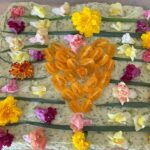
Explore Garden of Love Focaccia Art, a colorful garden-inspired bread project featuring creative recipe development, food styling, photography, and storytelling. Garden of Love Focaccia Art brings together two of my favorite forms of creative expression: food and nature. Inspired by the beauty of a flourishing garden, I designed this decorative bread as an edible work of art filled with color, texture, and fresh flavor. The finished focaccia captures the feeling of walking through a cheerful summer garden. Colorful vegetables, fragrant herbs, and carefully arranged details transform the bread’s surface into a charming botanical scene. Every element contributes to the design while complementing the savory flavor of the focaccia. This project gave me an opportunity to combine recipe development, food styling, photography, and storytelling in one visually engaging presentation. The result is more than a loaf of bread. It is a memorable centerpiece designed to spark curiosity, conversation, and joy. Turning Focaccia Into Edible Art Focaccia provides a beautiful canvas for artistic food styling. Its broad surface creates space for arranging ingredients into flowers, stems, leaves, and other garden-inspired shapes. For Garden of Love Focaccia Art, I approached the arrangement as I would a natural garden. I considered the balance of color, the direction of each stem, the placement of every flower, and the open spaces between the decorative elements. The goal was to create a design that felt abundant and lively without appearing crowded. The slightly rustic character of focaccia adds warmth to the presentation. It does not need to look overly polished or perfectly symmetrical. Small variations in shape, color, and texture help the finished bread feel natural, inviting, and handmade. A Celebration of Color and Flavor The decorative ingredients were chosen for both appearance and taste. Vibrant vegetables bring fresh color to the design, while herbs create graceful greenery and aromatic depth. As the bread bakes, the toppings soften, deepen in color, and become part of the golden surface. The result is a satisfying contrast of textures. The focaccia has a golden exterior and tender interior, while the vegetables and herbs add savory flavor throughout the loaf. A final touch of olive oil enhances the richness of the bread and gives the surface an appealing sheen. This balance is especially important in food art. A beautiful arrangement should not exist only for decoration. Every ingredient should contribute something meaningful to the eating experience. Designed to Bring People Together Garden of Love Focaccia Art is made for sharing. Its colorful design makes it a wonderful centerpiece for spring celebrations, summer gatherings, garden parties, bridal showers, brunches, and family meals. It can be presented whole so guests can appreciate the complete artwork before the bread is sliced. Once served, it pairs naturally with soups, salads, roasted vegetables, dips, cheese boards, and Mediterranean-inspired meals. It can also stand on its own as a welcoming appetizer or savory snack. The garden theme can be adapted for different seasons and occasions. Bright flowers create a cheerful spring or summer presentation, while herbs and vegetables in deeper shades can give the bread a warm autumn appearance. The design can also be personalized with initials, hearts, or meaningful botanical details. The Creative Process Behind the Project Developing this project required me to think about flavor, structure, color, and composition at the same time. Ingredients needed to retain enough definition during baking for the garden design to remain visible. Their placement also had to work with the natural expansion of the dough. Food styling played an important role in communicating the story. I wanted the photography to highlight the bread’s golden texture, colorful toppings, and handcrafted botanical details. The final images were styled to feel bright, fresh, and welcoming while keeping the focaccia at the center of the visual narrative. The written content supports that same story by connecting the beauty of a garden with the comfort of homemade bread. Search-friendly language helps readers discover the project, while the warm editorial approach encourages them to see focaccia as both a delicious food and a creative experience. A Project Rooted in Creativity What I love most about Garden of Love Focaccia Art is the way it turns simple food into something personal and expressive. The project celebrates seasonal inspiration, thoughtful presentation, and the pleasure of making something beautiful by hand. It also reflects my approach to food content creation. I want every project to offer more than an attractive finished dish. The recipe concept, styling, photography, and written story should work together to create an experience that feels cohesive, useful, and memorable. Garden of Love Focaccia Art captures that philosophy in a joyful edible garden. It is colorful enough to make a striking centerpiece, approachable enough to inspire home cooks, and flavorful enough to be enjoyed long after the photographs are finished. Featured Project: Garden of Love Focaccia Art: A Beautiful Garden Bread Full of Color and Flavor Services: Recipe Development, Food Styling, Food Photography, Creative Direction, SEO Content Writing, Editorial Storytelling
Originally published
March 2026
Updated
August 2026
Reviewed by
Culibloom