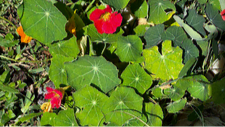
Make this easy nasturtium pesto recipe with fresh edible nasturtium leaves, Parmesan, nuts or sunflower seeds, lemon, garlic, and olive oil. A peppery, garden-fresh gluten-free sauce perfect for pasta, pizza, vegetables, and more.
This Easy Nasturtium Pesto Recipe is a vibrant way to turn fresh edible nasturtium leaves into a flavorful garden-to-table sauce. Naturally gluten-free, this homemade pesto combines the distinctive peppery flavor of nasturtiums with Parmesan cheese, extra-virgin olive oil, fresh lemon juice, garlic, and your choice of pine nuts, walnuts, or almonds. Fresh nasturtium flowers can also be blended into the pesto for a delicate floral note and beautiful color.
Nasturtium leaves have a pleasantly peppery bite similar to watercress or arugula, giving this pesto a bolder personality than traditional basil pesto. The richness of Parmesan and olive oil balances that natural sharpness, while fresh lemon juice brightens the entire sauce. The result is creamy, fresh, savory, and slightly peppery without overwhelming the other flavors.
This easy garden-fresh pesto takes only about 15 minutes to prepare and requires no cooking.
Toss it with warm gluten-free pasta, spread it over gluten-free pizza crust, spoon it onto roasted vegetables, or use it as a flavorful sandwich spread. It is equally delicious served with grilled chicken, shrimp, salmon, potatoes, or fresh vegetables.
A simple sunflower seed substitution also makes it easy to prepare a nut-free version without changing the basic recipe. Whether you have an abundance of nasturtiums growing in the garden or simply want to experiment with edible flowers and leaves, this fresh nasturtium pesto is a versatile recipe worth adding to your seasonal kitchen.
Prep Time: 15 minutes
Cook Time: 0 minutes
Total Time: 15 minutes
Yield: About 1 1/2 cups
Ingredients
2 cups fresh nasturtium leaves, washed and thoroughly dried
1/2 cup fresh nasturtium flowers, optional, plus additional flowers for garnish
1/3 cup pine nuts, walnuts, or almonds, or 1/3 cup raw or lightly toasted sunflower seeds for a nut-free option
1 to 2 garlic cloves, peeled
1/2 cup freshly grated Parmesan cheese
1/2 cup extra-virgin olive oil, plus more as needed
2 tablespoons fresh lemon juice, plus more to taste
1/4 teaspoon kosher salt, or to taste
1/8 teaspoon freshly ground black pepper
Directions
Step 1: Prepare the Nasturtiums
Gently wash the nasturtium leaves and flowers under cool running water to remove any dirt, insects, or garden debris. Inspect the leaves and flowers carefully, discarding any damaged portions and removing tough stems.
Dry the nasturtiums thoroughly using a salad spinner or clean kitchen towels. Removing as much excess water as possible helps prevent the pesto from becoming watery and allows the olive oil to blend more evenly with the other ingredients.
Step 2: Process the Nasturtiums, Nuts, and Garlic
Add the dried nasturtium leaves, optional flowers, pine nuts, walnuts, almonds, or sunflower seeds, and garlic to the bowl of a food processor.
Pulse several times until the ingredients are finely chopped but still have some texture. Use short pulses rather than continuously running the processor so you can control the consistency.
Step 3: Add the Parmesan and Lemon Juice
Add the freshly grated Parmesan cheese and 2 tablespoons of fresh lemon juice.
Pulse several times until the Parmesan and lemon juice are evenly incorporated throughout the nasturtium mixture.
The lemon juice helps balance the naturally peppery flavor of the leaves while cutting through the richness of the Parmesan, nuts or seeds, and olive oil.
Step 4: Slowly Add the Olive Oil
With the food processor running on low, slowly drizzle in the 1/2 cup of extra-virgin olive oil.
Continue processing just until the pesto becomes creamy and reaches a spoonable consistency.
Avoid processing longer than necessary once everything is combined.
For a thinner pesto that is easier to toss with gluten-free pasta, add additional olive oil 1 tablespoon at a time until the desired consistency is reached. For pizza, crostini, or sandwiches, keep the pesto slightly thicker so it spreads easily without becoming runny.
Step 5: Season and Adjust the Flavor
Add the kosher salt and freshly ground black pepper. Pulse briefly to combine, then taste the pesto.
Add additional lemon juice or salt as needed. Because nasturtium leaves naturally have a noticeable peppery bite, taste the finished pesto before adding additional black pepper.
If the pesto is more peppery than you prefer, a little additional Parmesan cheese or olive oil can soften and balance the flavor.
Step 6: Serve the Nasturtium Pesto
Transfer the finished pesto to a serving bowl or storage container.
If serving immediately, garnish with a few fresh edible nasturtium flowers for a colorful garden-inspired presentation.
Serve with gluten-free pasta, roasted vegetables, grilled meats or seafood, potatoes, gluten-free bread, or your favorite gluten-free pizza crust.
Notes
Nasturtium leaves naturally have a peppery, slightly spicy flavor that is often compared to watercress or arugula. Their intensity can vary depending on the variety, maturity, and growing conditions. Taste a small leaf before preparing the pesto if you want to gauge how peppery the finished sauce may be.
Only use nasturtium leaves and flowers that you know are edible and have not been treated with pesticides or other chemicals that are not intended for edible crops. Nasturtiums purchased from ordinary florists or garden centers should not automatically be considered suitable for culinary use.
The nasturtium flowers are optional. The leaves provide most of the pesto’s characteristic peppery flavor, while the flowers contribute subtle floral notes and beautiful color. You can leave the flowers out of the pesto entirely and reserve them for garnish.
Pine nuts give the pesto a classic, delicate flavor and creamy texture. Walnuts provide a deeper, earthier flavor, while almonds create a slightly firmer texture. Any of these choices work well with the peppery nasturtium leaves.
For a nut-free nasturtium pesto, replace the 1/3 cup pine nuts, walnuts, or almonds with 1/3 cup sunflower seeds. This is a direct 1:1 substitution, so no other ingredient amounts need to be changed. Raw sunflower seeds provide a mild flavor, while lightly toasted sunflower seeds add a deeper, richer flavor. Allow toasted sunflower seeds to cool completely before adding them to the food processor.
When preparing the pesto for someone with a nut allergy, check the labels of sunflower seeds, Parmesan, and other packaged ingredients for potential cross-contact warnings and select products appropriate for that person’s dietary requirements.
For a dairy-free or vegan version, replace the Parmesan with a dairy-free Parmesan-style alternative or nutritional yeast. When using nutritional yeast, begin with about 1/4 cup and add more to taste since its flavor and texture are different from freshly grated Parmesan.
For additional depth of flavor, the pine nuts, walnuts, almonds, or sunflower seeds can be lightly toasted before preparing the pesto. Cool them completely before processing.
Store leftover nasturtium pesto in an airtight container in the refrigerator for up to 3 days. For additional protection from air exposure, smooth the surface and cover it with a thin layer of extra-virgin olive oil before sealing the container.
This pesto is especially versatile in the kitchen. Toss it with warm gluten-free pasta, spread it over gluten-free pizza crust, spoon it onto roasted potatoes or vegetables, or use it as a flavorful sandwich spread. It also complements grilled chicken, shrimp, salmon, and other simply prepared proteins.