Turn fresh radish tops into vibrant pesto with Parmesan, garlic, lemon, and seeds. This easy gluten-free recipe is ready in just 10 minutes.
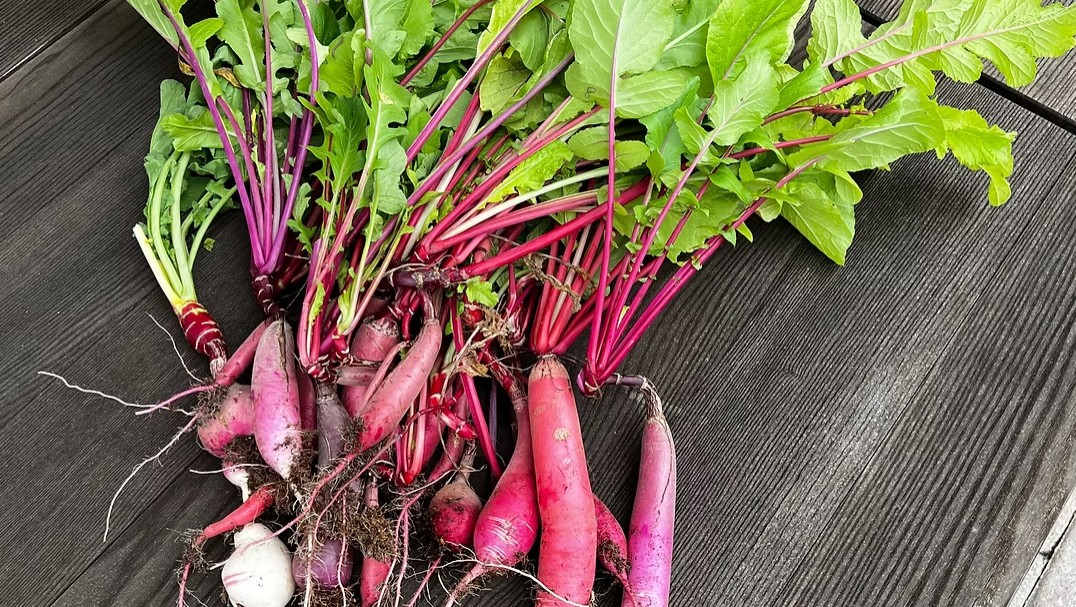
Fresh radish tops become a delicious kitchen staple in this Vibrant Radish Greens Pesto Recipe. Blended with garlic, Parmesan cheese, seeds, lemon juice, and extra-virgin olive oil, the leafy greens create a creamy sauce with a lively, peppery flavor. The pesto takes only 10 minutes to prepare and offers an easy, flavorful way to use a part of the radish that might otherwise be discarded.
Radish greens taste similar to arugula, with a pleasant bite that pairs especially well with rich cheese and bright citrus. Sunflower seeds or pumpkin seeds add body and a subtle earthy flavor while keeping the recipe free from nuts. Serve the finished pesto with gluten-free pasta, roasted vegetables, potatoes, grilled seafood, or chicken. It is also excellent spread on sandwiches and wraps or stirred into soups, rice, and warm grain bowls.
This naturally gluten-free pesto is convenient enough for weekday meals and versatile enough for seasonal entertaining. It can be made vegan by replacing the Parmesan with nutritional yeast or a dairy-free Parmesan alternative. The pesto also stores and freezes well, so you can preserve fresh garden or farmers market radish greens and enjoy their vibrant flavor long after the radishes themselves have been served.
Directions
Step 1: Clean and Dry the Radish Greens
Rinse the radish greens thoroughly under cool running water, gently separating the leaves so any trapped soil or grit can wash away. If the greens are especially sandy, place them in a bowl of cold water, swish them gently, and lift them out before rinsing again. Dry the greens completely in a salad spinner or with a clean kitchen towel. Remove any yellow, wilted, or damaged leaves, then roughly chop the fresh greens.
Step 2: Process the Main Ingredients
Place the chopped radish greens, garlic, sunflower seeds or pumpkin seeds, and grated Parmesan cheese in a food processor. Pulse several times until the ingredients are finely chopped. Stop to scrape down the sides and bottom of the bowl so the garlic, seeds, and cheese are distributed evenly. Processing these ingredients before adding the oil helps prevent large pieces from remaining in the finished pesto.
Step 3: Blend in the Olive Oil
Turn on the food processor and slowly pour in the 1/3 cup of extra-virgin olive oil. Blend until the mixture becomes creamy and evenly combined. Pause and scrape down the bowl as needed. The finished texture may be left slightly coarse or blended until smoother, depending on how you plan to serve it. If the pesto is too thick, add more olive oil 1 teaspoon at a time and blend after each addition.
Step 4: Add the Seasonings
Pour in the fresh lemon juice and add the salt and black pepper. Process the pesto briefly until everything is incorporated. Taste and adjust the seasoning as desired. Add a little more lemon juice for extra brightness, another pinch of salt for a more savory finish, or a small amount of olive oil for a looser consistency. Blend only until the pesto reaches the flavor and texture you prefer.
Step 5: Serve the Pesto
Use the pesto immediately or transfer it to an airtight container for storage. For a quick meal, toss it with freshly cooked gluten-free pasta. A spoonful of reserved pasta water can help loosen the pesto and distribute it evenly without overwhelming its flavor. The pesto may also be spooned over roasted potatoes, grilled vegetables, fish, or chicken, spread inside a sandwich or wrap, or stirred into a warm bowl of soup just before serving.
Notes
Radish greens naturally have a peppery flavor that can range from mild to assertive. Younger leaves tend to be more tender, while mature greens may taste stronger. If you would like a milder pesto, replace a small portion of the radish greens with fresh basil, parsley, or spinach. This is an optional variation and does not require changing the other ingredient quantities.
Clean the greens carefully before using them. Radish leaves grow close to the soil and may hold grit in their stems and textured surfaces. Lifting the greens out of a bowl of water, rather than pouring the water and greens together into a strainer, helps leave settled dirt behind. Repeat the process until no grit remains.
Dry the cleaned greens thoroughly. Water clinging to the leaves can dilute the flavor of the pesto and produce a thinner consistency. A salad spinner is particularly useful, but gently blotting the greens between clean kitchen towels also works well.
Sunflower seeds or pumpkin seeds provide richness and texture without nuts. Use the same quantity of either seed according to your preference or what you have available. If nuts are suitable for your household, an equal amount of walnuts, almonds, or pine nuts can be substituted for a more traditional pesto variation.
To prepare a vegan radish greens pesto, replace the Parmesan cheese with nutritional yeast or a dairy-free Parmesan alternative. These substitutes vary in flavor and salt content, so taste the pesto before adding more salt. You may also need a small amount of additional olive oil if the chosen substitute makes the pesto thicker.
Freshly squeezed lemon juice gives the pesto the brightest flavor and balances the natural bite of the greens. Freshly grated Parmesan is also recommended because it incorporates smoothly and brings a fuller savory flavor than shelf-stable grated cheese.
Store leftover pesto in an airtight container in the refrigerator for up to 4 days. Smooth the surface and cover it with a thin layer of olive oil before sealing the container to help limit browning. Stir the pesto well before serving. Some darkening is natural during storage and does not necessarily indicate spoilage, but discard the pesto if it develops an unpleasant odor, visible mold, or other signs of deterioration.
For longer storage, freeze the pesto for up to 3 months. Portion it into an ice cube tray or small freezer-safe containers so you can thaw only what you need. After the cubes freeze solid, transfer them to a labeled freezer-safe container. Thaw refrigerated portions overnight, or add a frozen cube directly to a warm dish and stir until it has completely melted.
This recipe is naturally gluten-free. When cooking for someone with celiac disease or gluten sensitivity, confirm that the Parmesan, seeds, and other packaged ingredients are labeled gluten-free as needed. Prepare the pesto with clean utensils and equipment, and prevent cross-contact with gluten-containing foods.
If you are serving the pesto with gluten-free pasta, add it after the pasta has been drained rather than cooking it over high heat. Gentle warmth preserves the fresh flavor and green color. Begin with a modest amount of pesto, toss thoroughly, and add more until the pasta is coated to your liking.
Radish greens pesto can also be used as a finishing condiment. Add a spoonful to scrambled eggs, roasted vegetables, baked potatoes, or grilled proteins just before serving. For a thinner sauce or drizzle, stir a small portion of pesto with extra olive oil and a squeeze of lemon juice until it reaches the desired consistency.