Make vibrant shamrock pesto with fresh wood sorrel, Parmesan, garlic, nuts, and olive oil for a bright sauce ready in only 10 minutes.
Fresh, tangy, and beautifully green, this Vibrant Shamrock Pesto with Fresh Wood Sorrel Recipe transforms tender edible leaves into a flavorful homemade sauce. Parmesan cheese, garlic, nuts, and extra-virgin olive oil complement the naturally lemony character of wood sorrel without overpowering it.
Often nicknamed shamrock because of its clover-like leaves, edible wood sorrel brings a distinctive citrus flavor to traditional pesto. The sauce comes together in only 10 minutes and requires no cooking, making it a convenient choice when fresh greens are plentiful in the garden or available through responsible foraging.
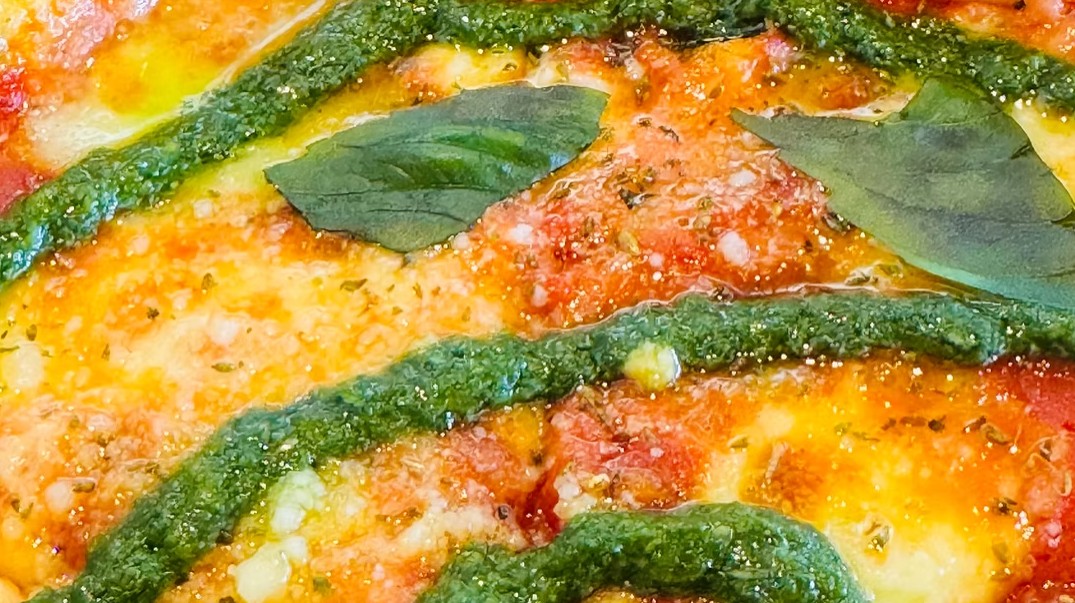
Serve this versatile pesto with gluten-free pasta, spread it on gluten-free toasted bread, or spoon it over roasted potatoes, vegetables, fish, or chicken. It can also brighten grain bowls, soups, appetizers, sandwiches, and homemade pizza with its lively color and herbaceous flavor.
Directions
Step 1: Identify and Gather the Wood Sorrel
Confirm that the plant is edible wood sorrel from the Oxalis genus before harvesting or eating it. Wood sorrel typically has three heart-shaped leaflets and a pleasantly tart flavor. Do not rely on a common name such as shamrock alone for identification, as that name may refer to several different plants. When uncertain, consult a knowledgeable local expert or trusted regional plant-identification resource.
Harvest only from areas you know have not been treated with pesticides, herbicides, or other chemicals. Avoid gathering plants growing beside busy roads, near pet-walking areas, or on land that may be contaminated.
Step 2: Prepare the Ingredients
Rinse the wood sorrel leaves thoroughly under cool running water. Remove any damaged leaves, tough stems, flowers, insects, or debris. Dry the leaves completely in a salad spinner or between clean kitchen towels.
Excess water can dilute the pesto and prevent the olive oil from blending evenly with the other ingredients. Peel the garlic clove, grate the Parmesan cheese, and measure the remaining ingredients before beginning.
Step 3: Blend the Pesto Base
Place the dry wood sorrel leaves, garlic clove, Parmesan cheese, and your choice of pine nuts, walnuts, or almonds in the bowl of a food processor or high-powered blender.
Pulse several times, stopping to scrape down the sides of the bowl as needed. Continue pulsing until the leaves, garlic, cheese, and nuts are finely chopped and evenly distributed. Using short pulses helps break down the ingredients without immediately turning them into a heavy paste.
Step 4: Add the Olive Oil
With the food processor running on low speed, slowly drizzle in the extra-virgin olive oil. Continue processing until the pesto becomes smooth, creamy, and well emulsified.
Stop the machine once or twice to scrape down the sides and make sure no pieces of garlic, nuts, or wood sorrel remain trapped above the blade. Avoid processing the pesto longer than necessary, as excessive blending can warm the ingredients and dull the fresh flavor.
Step 5: Season the Pesto
Taste the pesto before adding the optional lemon juice. Wood sorrel has a naturally bright, citrus-like flavor, so additional lemon may not be necessary.
For a sharper citrus note, blend in up to 1 teaspoon of fresh lemon juice. Add salt and freshly ground black pepper to taste, then pulse briefly to distribute the seasonings. Keep in mind that Parmesan cheese contributes saltiness, so begin with a small amount of salt and adjust gradually.
Step 6: Adjust the Consistency
Examine the texture of the pesto. For a thick spread suitable for sandwiches, appetizers, or crostini made with gluten-free bread, it may be ready to serve without any adjustment.
For a thinner sauce, add more olive oil 1 teaspoon at a time. Blend briefly after each addition until the pesto reaches your preferred consistency. If serving it with pasta, you may also loosen each portion with a small amount of warm gluten-free pasta cooking water immediately before serving.
Step 7: Serve or Store
Serve the pesto immediately with gluten-free pasta, roasted potatoes, grilled vegetables, fish, chicken, or gluten-free toasted bread. It can also be swirled into soup, spread on sandwiches, spooned into grain bowls, or used as an alternative pizza sauce.
Transfer leftover pesto to a small airtight container. Smooth the surface and pour a thin layer of olive oil over the top to limit exposure to air and help preserve its vibrant green color. Seal the container and refrigerate the pesto for up to 3 days.
Notes
Always confirm that foraged plants are edible wood sorrel before consuming them. The nickname shamrock is not a precise botanical identification. When there is any uncertainty about a plant, do not eat it.
Wood sorrel naturally contains oxalic acid, which gives the leaves their distinctive tart flavor. Enjoy it in moderate culinary amounts. People who have been advised to restrict foods containing oxalates should consult a qualified healthcare professional before eating wood sorrel.
The leaves must be thoroughly dry before blending. Water left on the wood sorrel can make the pesto watery, reduce its storage quality, and interfere with the creamy emulsion.
Young, tender wood sorrel leaves generally provide the best texture and freshest flavor. Inspect all harvested greens carefully and discard any wilted, discolored, damaged, or contaminated pieces.
The optional lemon juice should be added only after tasting the pesto. Wood sorrel may already provide enough natural acidity, depending on the maturity of the leaves and the growing conditions.
Pine nuts create the most traditional pesto flavor and a soft, creamy texture. Walnuts contribute a deeper, earthier character, while almonds offer a slightly sweeter and milder alternative. Use whichever option best suits your preference and availability.
Toasting the nuts is optional. Raw nuts preserve the pesto’s delicate green flavor, while lightly toasted nuts create a richer, more pronounced nuttiness. Allow toasted nuts to cool completely before adding them to the food processor.
Freshly grated Parmesan generally blends more smoothly than pre-shredded cheese. For a vegetarian version, select a hard Italian-style cheese made without animal-derived rennet.
This pesto is naturally gluten-free when all packaged ingredients are appropriately labeled. Serve it with certified gluten-free pasta, bread, crackers, or other accompaniments when preparing food for someone with celiac disease or gluten sensitivity. Prevent cross-contact by using clean utensils, equipment, and work surfaces.
For pasta, begin with a modest amount of pesto and add more as needed. Loosening it with a spoonful of warm pasta cooking water helps the sauce coat the noodles evenly without requiring excessive oil.
For longer storage, divide the pesto among the compartments of an ice cube tray and freeze until firm. Transfer the frozen portions to a freezer-safe container and store them for up to 3 months. Thaw only the amount needed in the refrigerator.
The pesto may darken slightly during storage because fresh leaves react with oxygen. Covering the surface with olive oil and sealing the container promptly can slow this natural color change.