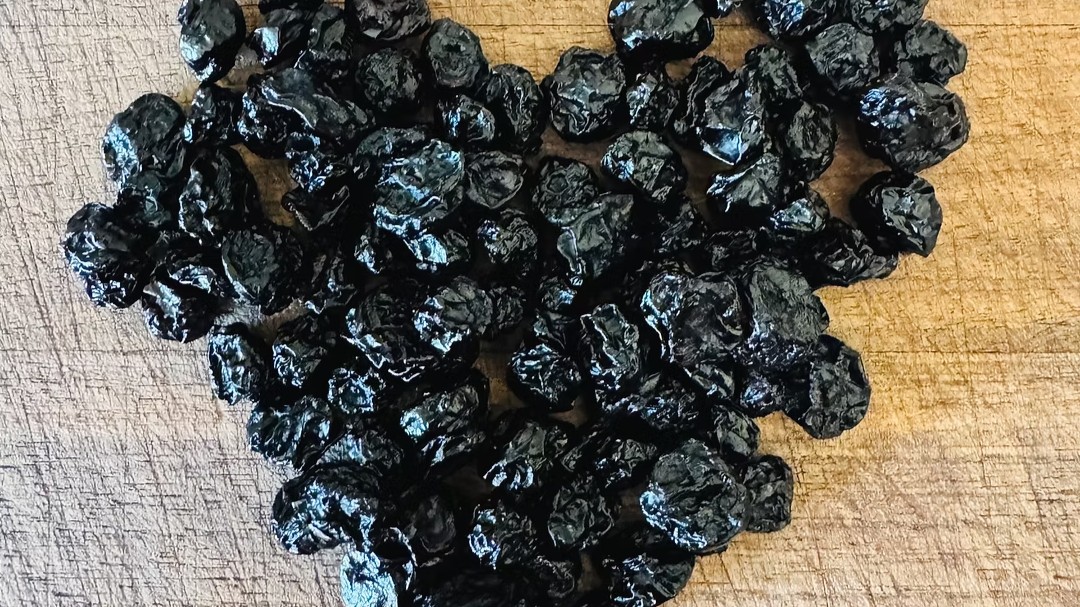
Make chewy homemade oven-dried blueberries with fresh berries, a low oven, and no added sugar for an easy snack or baking ingredient.
Sweet, chewy, and filled with concentrated berry flavor, this Chewy Homemade Oven-Dried Blueberries Recipe is an easy way to preserve fresh blueberries. Slowly drying the berries at a low temperature removes much of their moisture while intensifying their natural sweetness. The result is a flavorful dried fruit with a pleasantly chewy texture and no added sugar.
Making dried blueberries at home is especially useful when fresh berries are plentiful. Instead of allowing extra blueberries to spoil, you can transform them into a convenient snack or versatile baking ingredient. Homemade oven-dried blueberries can be stirred into oatmeal, folded into muffin batter, sprinkled over salads, or combined with nuts and seeds for homemade trail mix.
This simple method requires only fresh blueberries and a little patience. No food dehydrator or specialized equipment is necessary. Because blueberry size and moisture content can vary, the berries may not all finish drying at exactly the same time. Checking them regularly toward the end of the cooking time will help you achieve the texture you prefer.
Directions
Step 1: Preheat the Oven
Preheat the oven to 225°F. Position an oven rack in the center and line a large, rimmed baking sheet with parchment paper.
The parchment paper prevents the blueberries from sticking as their juices concentrate during the drying process. It also makes cleanup easier.
Step 2: Sort the Blueberries
Sort through the blueberries and discard any berries that are crushed, moldy, leaking, or excessively soft. Remove any remaining stems or leaves.
Try to use blueberries that are similar in size so they dry at approximately the same rate. Smaller berries may be ready before larger, juicier berries.
Step 3: Rinse the Blueberries
Place the blueberries in a colander and rinse them thoroughly under cool running water. If desired, use the fresh lemon juice while rinsing the fruit.
Drain the blueberries well. Spread them over a clean kitchen towel or several layers of paper towels and gently pat them dry. Removing as much surface moisture as possible helps the drying process begin efficiently.
Step 4: Arrange the Blueberries
Transfer the clean, dry blueberries to the prepared baking sheet. Spread them in a single layer, leaving a little space between the berries.
Avoid piling or crowding the blueberries. Air needs to circulate around the fruit so the berries can dry evenly.
Step 5: Begin Drying the Blueberries
Place the baking sheet in the preheated oven. Dry the blueberries for 2 1/2 to 4 hours.
After the first 45 to 60 minutes, remove the baking sheet carefully and gently stir or roll the berries. Return the pan to the oven. Continue stirring the blueberries every 45 to 60 minutes so they dry evenly and do not stick to the parchment.
Step 6: Monitor the Texture
Begin checking the blueberries closely after 2 1/2 hours. Properly dried blueberries should look noticeably wrinkled and feel chewy while remaining slightly pliable.
Some berries may finish sooner than others. If necessary, remove the fully dried berries and return the remaining berries to the oven.
For softer dried blueberries, remove them while they remain slightly plump. For a firmer and chewier result, continue drying them a little longer. Do not allow the berries to become hard, brittle, or burned.
Step 7: Cool Completely
Remove the baking sheet from the oven and place it on a heat-resistant surface. Allow the blueberries to cool completely at room temperature.
The berries will firm slightly as they cool, so evaluate their final texture only after they have reached room temperature.
Step 8: Check Before Storing
Examine the cooled blueberries before transferring them to a container. They should feel dry on the surface without visible moisture.
If any berries still feel unusually wet or juicy, return them to the oven and continue drying them in short intervals. Allow them to cool again before storage.
Step 9: Store the Dried Blueberries
Transfer the completely cooled blueberries to a clean, dry, airtight container. Label the container with the preparation date so you can monitor freshness.
Notes
A convection oven can encourage more even airflow around the blueberries. If using the convection setting, begin checking the berries early because circulating air may help them dry more quickly.
When using a conventional oven, rotate the baking sheet halfway through the drying process to help compensate for uneven heat.
The total cooking time depends on the size, ripeness, and moisture content of the blueberries. Large or exceptionally juicy berries may require the full 4 hours or slightly longer.
If the blueberries begin to brown before they are sufficiently dry, reduce the oven temperature slightly and continue checking them frequently.
Watch the berries carefully toward the end of the drying time. Their texture can change quickly once most of the moisture has evaporated.
Make sure the blueberries are completely cool before sealing them in a container. Warm fruit can release steam, causing condensation to collect inside the container.
Store the cooled blueberries in an airtight container at room temperature for up to 1 week.
For extended freshness, refrigerate the dried blueberries for up to 3 weeks.
For longer storage, transfer them to a freezer-safe container and freeze for up to 6 months. Portioning the berries before freezing makes it easier to remove only what you need.
Check the container periodically for condensation or excess moisture. Discard the blueberries if you notice mold, fermentation, an unusual odor, or other signs of spoilage.
These blueberries are naturally sweet, but their flavor and texture will differ from commercially dried blueberries that contain added sugar or oil.
Enjoy the oven-dried blueberries directly from the container as a chewy fruit snack.
Stir them into warm oatmeal, cold cereal, yogurt, smoothie bowls, chia pudding, or overnight oats.
Combine them with nuts, seeds, coconut flakes, and gluten-free cereal to make homemade trail mix.
Fold the dried berries into gluten-free muffins, scones, quick breads, breakfast cookies, or granola bars. If a recipe calls for dried blueberries, use these homemade berries according to the recipe instructions.
Sprinkle the blueberries over green salads, grain bowls, pancakes, waffles, or French toast for a pop of natural sweetness.
This recipe is naturally gluten-free. When preparing the blueberries for someone with celiac disease or gluten sensitivity, use clean equipment, check any additional ingredients for appropriate gluten-free labeling, and prevent cross-contact with gluten-containing foods.