Chia Seed Replacement Guide: The Best Substitutes and Ratios for Baking, Cooking, and More
Find the best chia seed replacements for baking, cooking, puddings, and more, with practical substitution ratios for flaxseed, basil seeds, psyllium, and other alternatives.
Chia seeds are valued for their mild flavor, nutritional benefits, and ability to absorb liquid. These tiny seeds can thicken smoothies, create creamy puddings, help bind baked goods, and improve the texture of vegan and gluten-free dishes.
Fortunately, several ingredients can replace chia seeds when they are unavailable or unsuitable for a particular recipe. The best chia seed replacement depends on whether you need binding, thickening, moisture, structure, texture, or additional nutrients.
The ratios below are practical starting points. Because each substitute absorbs liquid and affects texture differently, some recipes may require small adjustments for the best results.
What Makes Chia Seeds Useful?
Chia seeds develop a gel-like coating when combined with liquid. This allows them to hold moisture, bind ingredients, and thicken foods without contributing a strong flavor.
They also provide fiber, protein, minerals, and plant-based omega-3 fatty acids. However, not every substitute offers the same combination of nutrition and functionality.
Some replacements are best for baking, while others are more appropriate for puddings, sauces, smoothies, or toppings. Identifying the purpose of the chia seeds in the original recipe will help you select the most suitable alternative.
Ground Flaxseed: The Best Overall Substitute
Ground flaxseed is one of the most versatile chia seed replacements. Like chia, it absorbs moisture and develops a gel-like consistency. This makes it useful for binding ingredients in vegan and egg-free baked goods.
As a starting point, replace 1 tablespoon of chia seeds with 1 tablespoon of ground flaxseed.
To prepare a flax egg, combine 1 tablespoon of ground flaxseed with 3 tablespoons of water. Allow the mixture to rest until it thickens. One flax egg can generally replace one large egg in muffins, cookies, pancakes, quick breads, and other recipes that need light binding.
Ground flaxseed has a mild, nutty flavor that pairs well with many baked goods. Whole flaxseeds do not create the same binding effect, so ground flaxseed is the better choice.
Basil Seeds: The Closest Match for Pudding
Basil seeds are one of the closest alternatives to chia seeds in soaked recipes. When added to liquid, they quickly develop a gelatinous coating while retaining a slightly crisp center.
Begin by replacing 1 tablespoon of chia seeds with 1 tablespoon of basil seeds. Allow the seeds to hydrate fully before deciding whether the mixture needs more liquid.
Basil seeds are especially suitable for pudding alternatives, smoothie bowls, chilled desserts, and refreshing drinks. Although their texture is similar to hydrated chia seeds, the finished consistency may be slightly different.
Psyllium Husk: Best for Gluten-Free Doughs
Psyllium husk is highly absorbent and can provide structure, flexibility, and moisture retention in gluten-free baking. It is particularly useful in breads, dinner rolls, pizza crusts, and other doughs that need additional support.
Start with 1 tablespoon of psyllium husk for every 1 tablespoon of chia seeds. Check the dough or batter before adding more because psyllium can absorb liquid more aggressively than chia seeds.
Whole psyllium husk and psyllium husk powder behave differently. The powder is more concentrated and thickens quickly, so it may require a smaller amount or additional liquid. Follow the form specified in the original recipe whenever possible.
Hemp Seeds: A Nutrient-Dense Alternative
Hemp seeds contain protein and beneficial fats, but they do not absorb liquid or form a gel. They are most effective when replacing chia seeds as a topping, mix-in, or nutritional addition.
Replace 1 tablespoon of chia seeds with 1 tablespoon of hemp seeds in smoothies, oatmeal, yogurt parfaits, salads, granola, and energy bites.
Hemp seeds have a mild, nutty flavor and tender texture. They are not a dependable replacement when chia seeds are responsible for thickening a pudding or binding a baked good.
Unsweetened Applesauce: A Moisture-Rich Baking Substitute
Unsweetened applesauce can provide moisture and gentle binding in soft baked goods. As a starting point, replace 1 tablespoon of chia seeds with 2 tablespoons of unsweetened applesauce.
This substitution works especially well in muffins, snack cakes, quick breads, and breakfast bars. Because applesauce contains more moisture than dry chia seeds, other liquids in the recipe may need to be reduced slightly.
Applesauce can produce a softer, denser texture. Using an unsweetened variety helps prevent the finished dish from becoming overly sweet.
Mashed Banana: A Naturally Sweet Binder
Mashed banana adds moisture, sweetness, and light binding power. It works particularly well in pancakes, muffins, breakfast cookies, and quick breads.
Begin by replacing 1 tablespoon of chia seeds with 2 tablespoons of mashed banana.
Banana has a distinctive flavor that will usually remain noticeable after baking. It is best suited to recipes where its natural sweetness and fruity flavor complement the other ingredients.
The finished baked good may also be softer and less structured than one prepared with chia seeds.
Cornstarch: A Dependable Thickener
Cornstarch can replace chia seeds when thickening is the primary purpose. It does not provide the same visible seed texture, binding properties, or nutritional benefits.
As a starting point, replace 1 tablespoon of chia seeds with 1 tablespoon of cornstarch. Combine the cornstarch with a small amount of cold liquid before adding it to a hot mixture. This helps it disperse evenly and reduces the risk of lumps.
Cornstarch works well in soups, sauces, gravies, and pie fillings. Because heat activates its thickening power, it is not a direct replacement for chia in cold puddings or uncooked mixtures.
Arrowroot Powder: A Smooth Gluten-Free Thickener
Arrowroot powder can thicken fruit fillings, sauces, custards, and other cooked mixtures. It often produces a smooth consistency and glossy appearance.
Begin with 1 tablespoon of arrowroot powder for every 1 tablespoon of chia seeds. Mix it with cold liquid before adding it to the dish, and avoid cooking the thickened mixture over high heat for an extended period.
Arrowroot does not recreate the texture or binding power of hydrated chia seeds. When gluten-free preparation is important, check the package label and prevent cross-contact with gluten-containing ingredients.
Eggs: A Traditional Baking Solution
When a recipe does not need to be vegan or egg-free, one large egg can replace one prepared chia egg in many baked goods.
Eggs contribute moisture, binding, structure, and some leavening support. They work well in cakes, brownies, cookies, muffins, and quick breads.
The finished texture may be lighter or firmer than a version prepared with chia. A large egg should replace a complete chia egg mixture, not a tablespoon of dry chia seeds used as a topping or nutritional addition.
Choosing a Substitute Based on Its Purpose
Ground flaxseed is generally the most dependable choice for vegan baking because it provides moisture and light binding. Applesauce and mashed banana can also work in soft baked goods, although they may alter the flavor and texture.
Basil seeds provide the closest match for puddings and other soaked-seed dishes. Psyllium husk is better suited to gluten-free breads and doughs that need stronger structural support.
Cornstarch and arrowroot powder are appropriate when chia seeds are used to thicken cooked sauces, soups, gravies, or fruit fillings.
Hemp seeds are a suitable alternative in smoothies, salads, oatmeal, yogurt, and granola when nutrition and texture are more important than binding or thickening.
How Substitutes Can Change a Recipe
Even when a replacement begins with a one-to-one ratio, it may not perform exactly like chia seeds. Differences in absorbency, flavor, moisture, fat, and binding strength can affect the final result.
A batter that becomes unusually thick may need a small amount of additional liquid. A mixture that remains loose may need more time to hydrate or a modest amount of the chosen thickener.
Fruit-based alternatives such as applesauce and banana add considerably more moisture than dry seeds. They may also create a softer texture and increase the perceived sweetness of the finished dish.
For the most consistent results, make small adjustments and allow absorbent substitutes enough time to thicken before adding more.
Can Flaxseed Replace Chia Seeds?
Yes. Ground flaxseed is one of the most effective replacements for chia seeds in baked goods and vegan recipes.
An equal volume is a useful starting point, but flaxseed may create a slightly softer texture and more noticeable nutty flavor. Use ground flaxseed rather than whole seeds when binding is important.
What Is the Best Chia Seed Substitute for Pudding?
Basil seeds are generally the closest replacement for chia seeds in pudding because they swell and develop a gelatinous outer coating when soaked.
Start with an equal amount and allow the basil seeds to hydrate completely. The amount of liquid and soaking time may need to be adjusted to produce the desired consistency.
Ground flaxseed can also thicken liquid, but it creates a smoother, less seed-like texture.
Which Substitute Works Best in Gluten-Free Baking?
Ground flaxseed is a versatile choice for gluten-free muffins, pancakes, cookies, and quick breads. Psyllium husk is often more effective in yeast breads, pizza crusts, and rolls that require additional structure and flexibility.
When gluten-free preparation is necessary, check packaged ingredients for appropriate gluten-free labeling and prevent cross-contact during preparation.
Can Chia Seeds Be Omitted?
Chia seeds can sometimes be omitted when they are included only as an optional topping or nutritional addition.
When chia seeds provide binding, thickening, or moisture retention, removing them without a replacement may leave the finished dish dry, loose, crumbly, or runny. Choosing an alternative based on the role of the chia seeds usually produces a more dependable result.
Finding the Right Chia Seed Alternative
The most successful substitution begins with understanding what the chia seeds contribute to the original dish. Ground flaxseed is the strongest all-purpose alternative for many baking applications, while basil seeds are ideal for soaked preparations and pudding-style desserts.
Psyllium husk can provide valuable support in gluten-free doughs. Applesauce and banana add moisture and gentle binding to softer baked goods, while cornstarch and arrowroot are better suited to thickening cooked dishes. Hemp seeds work well when nutritional value and a pleasantly nutty texture are the main priorities.
No single ingredient duplicates every quality of chia seeds. Use the suggested ratio as a starting point, consider the flavor and structure of the dish, and adjust the moisture or thickener gradually until the desired consistency is reached.
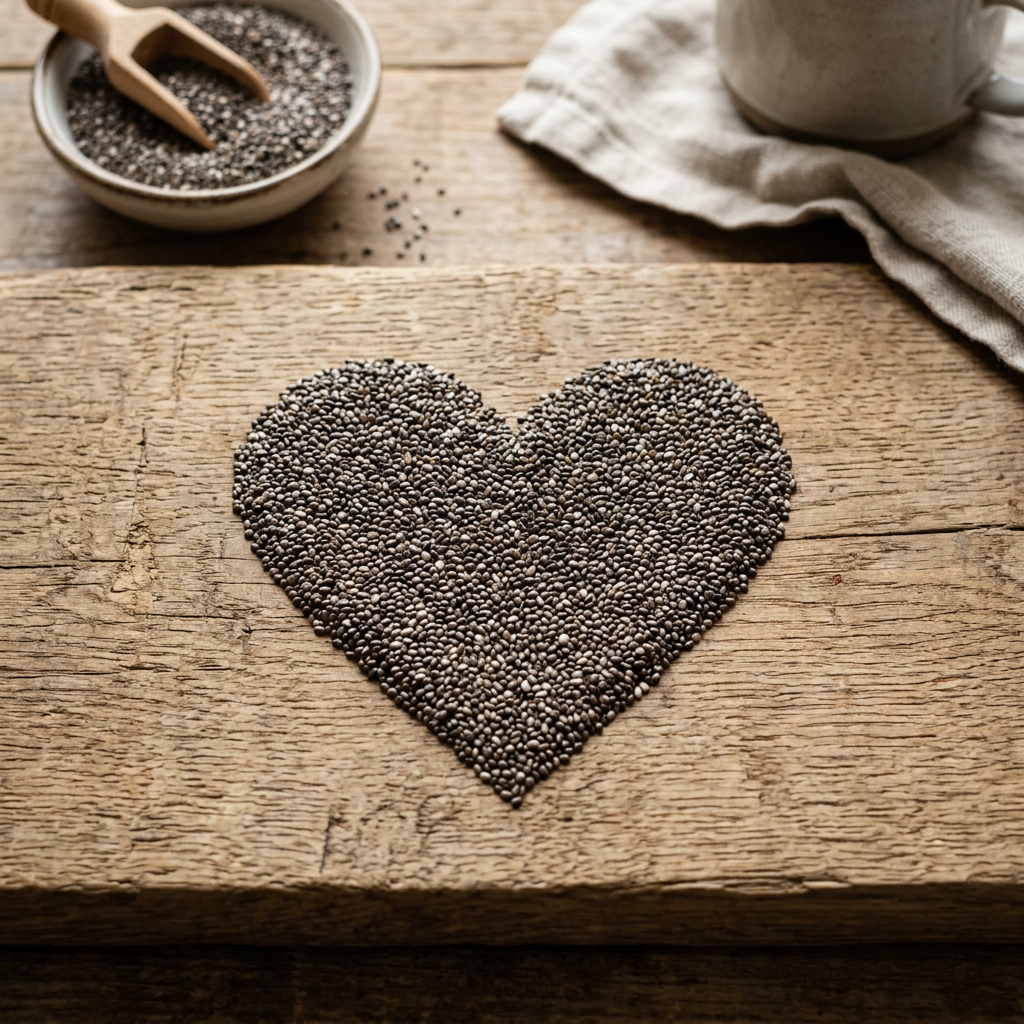
A heart shape made from chia seeds on a wooden board highlights nutritious superfood
Learn the best arrowroot substitutes with easy conversion ratios for gluten-free cooking and baking. Discover when to use cornstarch, tapioca starch, potato starch, rice flour, xanthan gum, guar gum, and gluten-free flour for perfect results every time. If you enjoy gluten-free cooking and baking, arrowroot is likely one of the pantry staples you reach for often. This versatile starch is prized for its ability to thicken sauces, gravies, soups, and fruit fillings while creating a smooth, glossy finish. It is also naturally gluten-free, grain-free, and flavorless, making it an excellent ingredient for countless recipes. Even so, there may be times when your pantry is empty or you simply want to use an ingredient you already have on hand. Fortunately, several common kitchen staples can replace arrowroot with excellent results. The key is knowing which substitute works best for your recipe and using the proper conversion ratio. Whether you are preparing a homemade pie filling, thickening a savory sauce, or baking gluten-free treats, this guide will help you choose the perfect arrowroot substitute with confidence. What Is Arrowroot? Arrowroot is a fine white starch extracted from the rhizomes of tropical plants. Because it has a neutral flavor, it thickens recipes without changing their taste. Unlike some starches, arrowroot produces a crystal-clear, glossy finish instead of a cloudy appearance, making it especially popular for fruit sauces, glazes, and pie fillings. It also thickens at lower temperatures than many other starches, making it a dependable choice for delicate recipes. Since it is naturally gluten-free, arrowroot is commonly used in gluten-free, grain-free, and paleo cooking. Why You May Need an Arrowroot Substitute There are several reasons you might be searching for an alternative to arrowroot powder. Perhaps you ran out while preparing dinner. Maybe your grocery store was sold out, or you already have another thickening agent in your pantry. Some substitutes are also better suited for certain recipes, depending on the texture and consistency you are trying to achieve. Fortunately, there are several excellent replacements that can provide nearly identical results when used correctly. The Best Arrowroot Substitutes with Conversion Ratios Cornstarch Cornstarch is one of the most common substitutes for arrowroot. It thickens quickly and creates smooth sauces, gravies, and puddings. Conversion Ratio 1 tablespoon arrowroot = 1 tablespoon cornstarch Although cornstarch is an excellent replacement, it creates a slightly cloudy appearance instead of the clear finish that arrowroot produces. Best for: Cream sauces Gravy Custards Puddings Pie fillings Tapioca Starch Tapioca starch, sometimes labeled tapioca flour, is one of the closest substitutes for arrowroot. It produces a glossy finish and works exceptionally well in gluten-free baking. Conversion Ratio 1 tablespoon arrowroot = 2 tablespoons tapioca starch Tapioca starch creates slightly more elasticity than arrowroot, making it an excellent choice for fruit desserts and baked goods. Best for: Fruit pies Pie fillings Fruit sauces Gluten-free baking Dessert toppings Potato Starch Potato starch provides a silky texture and thickens quickly, making it another excellent alternative. Conversion Ratio 1 tablespoon arrowroot = 1 tablespoon potato starch Potato starch performs best when added near the end of cooking because prolonged boiling can reduce its thickening ability. Best for: Cream soups Gravy Sauces Stews White Rice Flour White rice flour can also replace arrowroot in many recipes, although it requires a larger quantity to achieve similar results. Conversion Ratio 1 tablespoon arrowroot = 2 tablespoons white rice flour Rice flour creates a slightly thicker and more opaque consistency than arrowroot but works well in hearty recipes. Best for: Cream soups Casseroles Sauces Gluten-free baking Xanthan Gum Xanthan gum is not a starch, but it is an excellent thickener and binder that is widely used in gluten-free baking. Because it is highly concentrated, only a small amount is needed. Conversion Ratio 1 tablespoon arrowroot = ¼ teaspoon xanthan gum Adding too much xanthan gum can result in a gummy texture, so accurate measuring is essential. Best for: Gluten-free breads Cookies Salad dressings Sauces Guar Gum Guar gum is another concentrated thickening agent that performs well in both hot and cold recipes. Conversion Ratio 1 tablespoon arrowroot = ¼ teaspoon guar gum Like xanthan gum, only a small amount is needed to produce excellent thickening. Best for: Ice cream Smoothies Cold sauces Salad dressings Gluten-free baking Gluten-Free All-Purpose Flour If you do not have starches available, a gluten-free all-purpose flour blend can also serve as a substitute. Conversion Ratio 1 tablespoon arrowroot = 2 tablespoons gluten-free all-purpose flour While flour thickens effectively, it creates a heavier texture and is best suited for hearty dishes. Best for: Cream soups Gravy Casseroles Roux-based sauces Which Arrowroot Substitute Is Best? Each substitute has its own strengths, making some better suited for specific recipes than others. For fruit pies and glossy fillings, tapioca starch is often the closest match to arrowroot. For creamy gravies and sauces, cornstarch and potato starch deliver dependable results. For gluten-free baking, tapioca starch, xanthan gum, and guar gum provide excellent structure while helping improve texture. For soups and casseroles, rice flour and gluten-free flour blends create a rich, satisfying consistency. Understanding how each substitute performs makes it much easier to choose the right ingredient for every recipe. Helpful Tips for Replacing Arrowroot Always mix starches with cold water before adding them to hot liquids. This creates a smooth slurry that helps prevent lumps. Avoid prolonged boiling when using potato starch or arrowroot because excessive heat can reduce their thickening ability. Measure xanthan gum and guar gum carefully since they are far more concentrated than traditional starches. For fruit pies and desserts, tapioca starch often creates the smoothest and most stable filling. If you are freezing sauces or pie fillings, arrowroot and tapioca starch generally maintain their texture better after thawing than cornstarch. Quick Arrowroot Substitute Conversion Chart Arrowroot to Cornstarch 1 tablespoon arrowroot = 1 tablespoon cornstarch Arrowroot to Tapioca Starch 1 tablespoon arrowroot = 2 tablespoons tapioca starch Arrowroot to Potato Starch 1 tablespoon arrowroot = 1 tablespoon potato starch Arrowroot to White Rice Flour
Discover the best tapioca flour substitute for gluten-free baking. Learn which alternatives work best for breads, cakes, cookies, pie fillings, and sauces with easy conversion ratios and expert baking tips. Tapioca flour is one of the secret ingredients behind many successful gluten-free recipes. It adds softness to bread, chewiness to cookies, tenderness to cakes, and helps hold gluten-free dough together. It also thickens sauces, gravies, and pie fillings without affecting their flavor, making it one of the most versatile pantry staples for gluten-free cooking. Even so, there are times when you may find yourself without it. Maybe you ran out halfway through baking, your local grocery store did not have it in stock, or you simply want to try another ingredient that offers a slightly different texture. Fortunately, there are several excellent substitutes that can produce delicious results. The key is choosing the right replacement for your recipe. Some substitutes are better for fluffy cakes, while others shine in chewy bread or silky sauces. This guide covers the best tapioca flour substitutes for gluten-free baking, along with simple conversion ratios to help you bake with confidence. What Is Tapioca Flour? Tapioca flour, also sold as tapioca starch in most grocery stores, is made from the starchy root of the cassava plant. Although the names are different, they typically refer to the same ingredient in the United States. Gluten-free bakers rely on tapioca flour because it improves texture in ways that many other starches cannot. It helps create soft, flexible dough, prevents baked goods from becoming dry or crumbly, and gives breads and pizza crusts their signature chewy bite. Its neutral flavor also makes it ideal for both sweet and savory recipes. Why Replace Tapioca Flour? There are many reasons to look for an alternative. You may simply run out while baking, or perhaps you are creating your own gluten-free flour blend and want to experiment with different starches. Some bakers even prefer certain substitutes because they create a lighter cake, a softer cookie, or a firmer loaf of bread. No matter the reason, understanding how each substitute performs will help you achieve the best results. 1. Potato Starch If you are searching for the closest replacement, potato starch is often the best choice. It creates soft, moist baked goods while providing many of the same qualities as tapioca flour. Best For Gluten-free bread Dinner rolls Muffins Cookies Cakes Quick breads Conversion Ratio Replace 1 cup of tapioca flour with 1 cup of potato starch. Potato starch produces a tender crumb and works well in nearly every gluten-free baking recipe. 2. Arrowroot Starch Arrowroot starch is another excellent substitute because it has a mild flavor and creates a silky texture. It is especially popular in fruit desserts and delicate baked goods. Best For Fruit pie fillings Cookies Cakes Sauces Gravies Custards Conversion Ratio Replace 1 cup of tapioca flour with 1 cup of arrowroot starch. Arrowroot also freezes well, making it a great choice for make-ahead desserts. 3. Cornstarch Cornstarch is probably already sitting in your pantry, making it one of the easiest substitutes to use. While it does not provide quite as much elasticity as tapioca flour, it works beautifully in many recipes. Best For Cookies Cakes Puddings Custards Soups Sauces Conversion Ratio Replace 1 cup of tapioca flour with 1 cup of cornstarch. Expect slightly less chewiness in bread recipes, but excellent results in desserts. 4. Sweet Rice Flour Sweet rice flour, despite its name, is naturally gluten-free. It creates soft, chewy baked goods and helps improve structure in gluten-free dough. Best For Pizza crust Bread Cookies Pancakes Asian-inspired desserts Conversion Ratio Replace 1 cup of tapioca flour with 1¼ cups of sweet rice flour. Because it absorbs moisture differently, you may need to add a little extra liquid to your recipe. 5. Cassava Flour Cassava flour comes from the same root as tapioca flour but is made using the whole root instead of only the extracted starch. This gives it more fiber and slightly more structure. Best For Brownies Flatbreads Cookies Pancakes Quick breads Conversion Ratio Replace 1 cup of tapioca flour with ¾ to 1 cup of cassava flour. Cassava flour works especially well when you want baked goods with a little more body. 6. Potato Flour Although potato flour and potato starch sound similar, they are quite different. Potato flour is made from whole dehydrated potatoes and absorbs much more moisture. Best For Yeast breads Dinner rolls Savory baked goods Conversion Ratio Replace 1 cup of tapioca flour with ¾ cup of potato flour. You may need to increase the liquid slightly when using potato flour. 7. Gluten-Free All-Purpose Flour If your recipe only calls for a small amount of tapioca flour, a gluten-free all-purpose flour blend can often be used successfully. Best For Cookies Muffins Quick breads Pancakes Conversion Ratio Replace 1 cup of tapioca flour with 1 cup of gluten-free all-purpose flour blend. While the texture may be a bit denser, this is a convenient option when you need a quick substitute. Quick Tapioca Flour Substitute Chart Substitute Conversion Ratio Best Used For Potato starch 1:1 Bread, cakes, cookies Arrowroot starch 1:1 Sauces, pies, cakes Cornstarch 1:1 Cookies, puddings, sauces Sweet rice flour 1¼:1 Bread, pizza, cookies Cassava flour ¾ to 1:1 Brownies, pancakes, breads Potato flour ¾:1 Yeast breads Gluten-free flour blend 1:1 Muffins, cookies, quick breads Which Substitute Is Best? The best substitute depends on what you are making. For soft sandwich bread and fluffy dinner rolls, potato starch is usually the closest match. Arrowroot starch is ideal for fruit fillings and sauces because it creates a beautiful glossy finish. Cornstarch works wonderfully in cakes and cookies, while sweet rice flour adds chewiness to pizza dough and bread. Cassava flour provides extra structure, making it a favorite for rustic baked goods. Many experienced gluten-free bakers even combine two starches together to create an even better texture. For example, using half potato starch and half arrowroot starch often mimics tapioca flour remarkably
Discover the ultimate gluten-free flour blends for every baking need. From cakes and cookies to bread and pastries, learn how to create the perfect blend for your favorite recipes with easy ratios and expert tips.