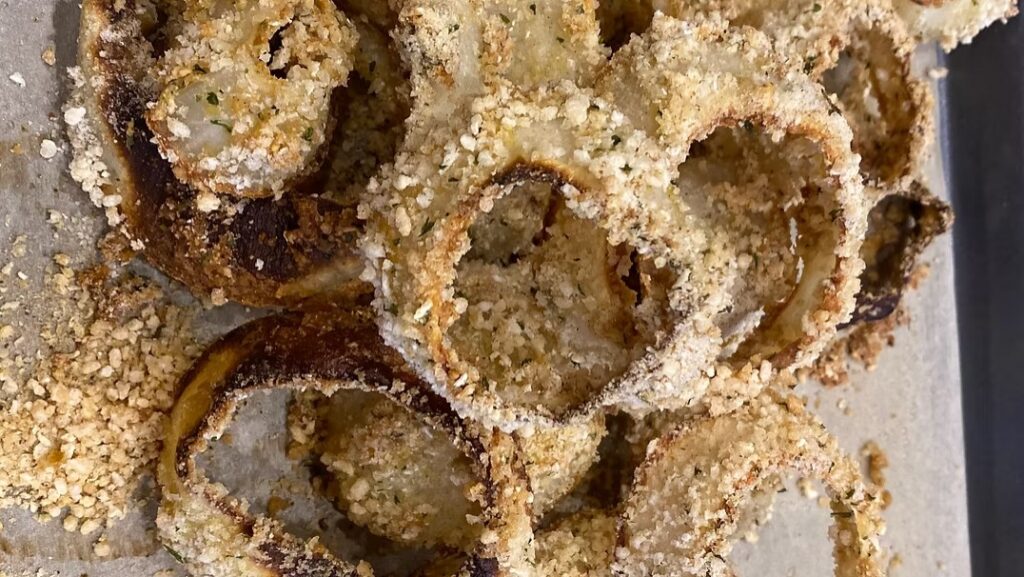

Discover what makes gluten-free beer battered onion rings crispy, how to choose safe ingredients, prevent cross-contact, and serve them with delicious dips.
Hot, golden onion rings have an undeniable appeal. Their crisp coating gives way to a sweet, tender center, creating the contrast that makes this classic appetizer so satisfying. Crispy gluten-free beer battered onion rings offer the same comforting flavor and crunch while accommodating guests who avoid gluten.
These onion rings fit easily into casual menus for backyard barbecues, game-day gatherings, family dinners, and weekend celebrations. They pair naturally with burgers, grilled meats, sandwiches, and other familiar comfort foods. A platter can also stand on its own as a crowd-pleasing appetizer surrounded by colorful dipping sauces.
The combination of sweet onions, gluten-free lager, seasoned flour, and crunchy breadcrumbs creates layers of flavor and texture. Careful ingredient selection and attention to cross-contact are especially important when serving anyone with celiac disease or gluten sensitivity.
What Makes Beer Battered Onion Rings So Appealing
The best onion rings balance several textures at once. The exterior should be crisp and deeply golden, while the onion inside should become tender without losing its shape. A light lager coating contributes an airy quality, and breadcrumbs give the exterior additional substance and crunch.
Beer also brings subtle malty notes that complement the natural sweetness of the onions. The finished flavor is savory without overpowering the onion, making these rings versatile enough to accompany everything from a classic cheeseburger to grilled chicken or steak.
A good coating should cling securely instead of sliding away from the onion. Resting the coated rings briefly before frying can help the layers settle, while consistent oil temperature supports even browning and a less greasy texture.
Choosing the Best Onions
Sweet onion varieties are especially well suited to this style of appetizer. Vidalia, Walla Walla, and Maui onions offer a gentle sweetness that becomes more noticeable as the onion cooks.
Large onions are often the easiest to work with because they produce substantial rings in several sizes. Wider rings look impressive on a serving platter, while smaller center rings become crisp, bite-sized pieces that are perfect for snacking.
Fresh onions should feel firm and heavy, with dry outer skins and no soft spots. A clean, mild aroma is another sign of quality. Properly selected onions provide a naturally sweet foundation that balances the seasoned coating.
Creating a Truly Gluten-Free Coating
A gluten-free coating can be made with a dependable all-purpose flour blend or a combination of individual flours and starches. Rice flours contribute structure, while tapioca and potato starches can help create a lighter, crisper exterior.
Gluten-free breadcrumbs provide the final layer of crunch. Their texture can vary by product, so some create a finer coating while others produce a more rustic surface. Either style can work well, depending on the appearance and texture you prefer.
Seasoned salt and other spice blends should always be checked carefully because formulas can vary. Plain spices are naturally gluten-free, but packaged seasoning mixtures may be processed on shared equipment or contain ingredients that require closer label review.
Why the Beer Label Matters
Not every beer marketed toward gluten-conscious consumers is appropriate for people with celiac disease. Beer specifically labeled or certified gluten-free is generally made with gluten-free grains. Gluten-removed beer is produced differently and may still be unsuitable for someone who must strictly avoid gluten.
Reading the product label is essential. When serving guests, it is helpful to keep the original packaging available so they can review the ingredients and certification information for themselves.
The lager does more than add flavor. Its carbonation helps produce a lighter coating, while its mild malt character pairs well with the sweet onion and savory seasonings. A light gluten-free lager is usually a better match than a strongly flavored beer that could dominate the other ingredients.
Preventing Gluten Cross-Contact
The ingredients are only one part of keeping onion rings gluten-free. Frying oil, utensils, preparation surfaces, and cooking equipment can all introduce cross-contact.
Oil previously used for breaded foods containing wheat should not be reused for gluten-free onion rings. A clean fryer, Dutch oven, or skillet with fresh oil is the safer choice. Bowls, tongs, strainers, trays, and cooling racks should also be thoroughly cleaned before use.
Dipping sauces require the same attention. Ranch dressing, barbecue sauce, honey mustard, aioli, and other condiments should have appropriate gluten-free labeling when they are being served to someone with celiac disease or gluten sensitivity.
The Importance of Frying Temperature
Temperature control has a major effect on the final texture. Oil that is not hot enough can soak into the coating and leave the onion rings heavy or greasy. Excessively hot oil may darken the exterior before the onion becomes tender.
Frying in small batches helps maintain a steady temperature and gives the rings enough room to cook evenly. Overcrowding cools the oil quickly and can cause the pieces to stick together.
Draining freshly fried onion rings on a wire rack can help preserve their crisp exterior. Paper towels are convenient, but a rack allows air to circulate around the coating and reduces the chance of steam softening the underside.
Dipping Sauces and Serving Ideas
Crispy gluten-free beer battered onion rings pair beautifully with creamy, smoky, sweet, and spicy sauces. Ranch dressing offers a cool herbal contrast, while barbecue sauce emphasizes the appetizer’s savory flavor. Honey mustard brings sweetness and tang, and garlic or spicy aioli adds richness.
A selection of sauces turns a platter of onion rings into an inviting party centerpiece. Serving the sauces in small bowls makes the presentation feel generous and gives guests several flavor combinations to explore.
For a casual meal, onion rings are a natural companion for hamburgers, grilled chicken sandwiches, pulled pork, and grilled meats. They can also add a playful, crunchy element to a snack board with pickles, fresh vegetables, cheese, and other gluten-free appetizers.
Keeping Onion Rings Crisp
Onion rings are at their best when served soon after frying. As they sit, trapped steam gradually softens the crunchy coating. Arranging them in a single layer instead of piling them deeply can help preserve their texture for longer.
If leftovers remain, dry heat is the best way to restore some of their original crispness. An oven or air fryer circulates hot air around the coating, while a microwave tends to make fried breading soft.
The combination of sweet onions, a light gluten-free lager coating, and crisp breadcrumbs makes these onion rings a memorable addition to casual entertaining. With careful label reading, fresh frying oil, and clean equipment, they can be served with greater confidence to gluten-free guests.
Must be 21 years of age or older to purchase or consume alcoholic beverages. Please drink responsibly.
Here is to fresh flavors, beautiful gardens, and all the little moments that make cooking and growing so rewarding.
Sending joy and happiness from my garden and kitchen to yours,