Borage Plant Guide: Benefits, Culinary Uses, and How to Grow Borage
Discover everything you need to know about borage, including its beautiful blue flowers, culinary uses, medicinal history, pollinator benefits, and expert growing tips for a thriving garden.
Borage (Borago officinalis) is a striking annual herb admired for its brilliant star-shaped blue flowers, fuzzy green leaves, and impressive versatility in both the garden and the kitchen. Often referred to as starflower, borage has been cultivated for centuries for its ornamental beauty, culinary value, and traditional herbal uses. Whether you are growing vegetables, herbs, or flowers, borage is an excellent companion plant that attracts beneficial pollinators while adding vibrant color to your landscape.
Native to the Mediterranean region, borage has become a favorite among gardeners worldwide because it is easy to grow, highly productive, and remarkably resilient. Its nectar-rich flowers attract bees, butterflies, and other beneficial insects throughout the growing season, making it one of the best plants for supporting pollinator populations.
What Makes Borage Stand Out?
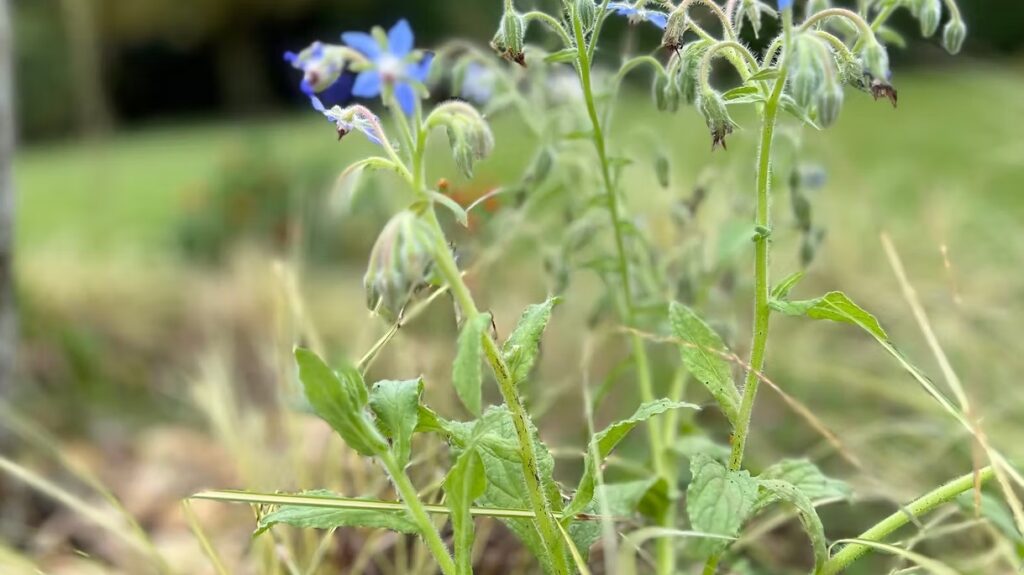
One of the most recognizable features of borage is its vivid blue, five-pointed flowers that resemble tiny stars. Although blue is the most common flower color, white and pink varieties are also available. The blooms appear continuously throughout the growing season, creating an eye-catching display while providing an important food source for pollinators.
The leaves are covered in fine hairs, giving them a soft yet slightly prickly texture. Young leaves are tender enough for culinary use, while mature leaves become more robust and are often better suited for cooked dishes.
Borage typically grows between 18 and 36 inches tall and spreads easily by self-seeding, making it a reliable addition to herb gardens, cottage gardens, vegetable beds, and pollinator-friendly landscapes.
Culinary Uses of Borage
Borage offers a refreshing flavor that is often compared to cucumber with subtle herbal notes. Both the flowers and young leaves are edible, making the plant a unique ingredient for creative cooking.
Fresh borage flowers can be used to decorate cakes, cupcakes, cookies, fruit platters, and cheese boards. Their vibrant blue color creates an elegant presentation that is especially popular for spring and summer entertaining.
The flowers also make beautiful additions to green salads, pasta salads, and fresh fruit salads. Because of their mild cucumber flavor, they pair wonderfully with tomatoes, cucumbers, citrus fruits, strawberries, and soft cheeses.
Young borage leaves can be chopped into salads, blended into herb butter, mixed into dips, stirred into soups, or added to sauces. They are also delicious when lightly sautéed or cooked like spinach.
Borage flowers are frequently frozen into ice cubes for refreshing summer beverages, lemonade, sparkling water, mocktails, and cocktails. They also make attractive garnishes for herbal teas and infused drinks.
Growing Borage
Borage is one of the easiest herbs to grow, making it an excellent choice for beginner gardeners.
It thrives in full sun but tolerates partial shade, especially in warmer climates. Well-draining soil is ideal, although borage adapts to many soil types and does not require especially fertile conditions.
Seeds are best sown directly into the garden after the danger of frost has passed. Since borage develops a long taproot, it does not transplant particularly well, so direct sowing is recommended.
Regular watering helps establish young plants, but mature borage is fairly drought tolerant. Deadheading spent flowers can encourage additional blooms, although allowing some flowers to mature will result in self-seeding for future seasons.
Companion Planting Benefits
Borage is widely recognized as one of the best companion plants in the vegetable garden.
Its flowers attract bees that improve pollination for nearby crops, often leading to larger harvests of tomatoes, squash, cucumbers, peppers, melons, and strawberries.
Many gardeners also plant borage near tomatoes because it attracts beneficial insects that help reduce certain garden pests. Ladybugs, lacewings, and parasitic wasps are commonly drawn to blooming borage, where they assist in naturally managing aphids and other unwanted insects.
As the plant grows and eventually decomposes, its foliage also contributes valuable organic matter back into the soil.
Harvesting Borage
Harvest young leaves while they are tender for the best flavor and texture. Flowers can be picked throughout the growing season as they fully open.
For the freshest taste, harvest during the cool morning hours after the dew has dried. Flowers are best used immediately, although they may also be preserved by freezing in ice cubes or gently drying for decorative purposes.
Traditional Uses
Historically, borage has been valued in traditional herbal practices for generations. While modern research continues to explore its properties, the plant has long been associated with wellness traditions in many cultures.
Borage seeds are pressed to produce borage seed oil, which contains gamma-linolenic acid (GLA), an omega-6 fatty acid that has been studied for its potential health benefits. Individuals considering supplements should consult a qualified healthcare professional before use.
Why Gardeners Love Borage
Few herbs provide as many benefits as borage. It combines ornamental beauty, edible flowers, pollinator support, companion planting advantages, and easy maintenance in a single plant. Whether you are creating a cottage garden, expanding your herb collection, or encouraging bees and butterflies to visit your yard, borage is an outstanding choice.
Its long blooming season, striking flowers, and versatility in the kitchen make it a favorite among home gardeners, chefs, and flower enthusiasts alike. With minimal care, borage rewards gardeners with months of colorful blooms while helping create a healthier, more productive garden ecosystem.
Delicate blue borage flowers bloom above soft, fuzzy foliage in the garden.
Discover how to grow Bi-Colored Sage, a beautiful flowering herb known for its striking two-toned blooms, fragrant foliage, culinary uses, and ability to attract hummingbirds, butterflies, and bees. If you are looking for a plant that offers vibrant color, delightful fragrance, and practical uses in the kitchen, Bi-Colored Sage deserves a place in your garden. This beautiful member of the Salvia family is admired for its eye-catching two-toned flowers, aromatic foliage, and remarkable ability to attract hummingbirds, butterflies, and bees. It is equally at home in herb gardens, cottage gardens, pollinator landscapes, and decorative containers, making it one of the most versatile plants you can grow. Bi-Colored Sage is much more than an ornamental perennial. Its long blooming season fills the garden with brilliant color from late spring through fall, while its fragrant leaves add texture and interest even when the plant is not in bloom. Many gardeners appreciate its drought tolerance and easy-care nature, making it an excellent choice for both experienced gardeners and those just beginning to grow herbs and flowering perennials. What Is Bi-Colored Sage? Bi-Colored Sage is a decorative variety of salvia that produces striking flowers featuring two complementary colors on each bloom. Depending on the cultivar, flowers may display combinations of purple and white, burgundy and cream, lavender and white, or shades of blue and violet. These vibrant blossoms grow on tall flower spikes that rise gracefully above the aromatic green foliage, creating a colorful display that lasts for months. Like many members of the mint family, the leaves release a pleasant herbal fragrance when touched, adding another layer of enjoyment to the garden. The plant’s upright growth habit and abundant flowers make it a standout choice for borders, raised beds, mixed perennial gardens, and pollinator-friendly landscapes. A Garden Favorite for Every Season One of the reasons gardeners love Bi-Colored Sage is its exceptionally long blooming period. While many flowering plants provide only a few weeks of color, Bi-Colored Sage continues producing flower spikes from late spring well into autumn. As older blooms fade, new ones quickly replace them, creating a continuous display that keeps the garden lively throughout the growing season. The colorful blossoms also serve an important purpose beyond their beauty. Their tubular shape is perfectly designed for hummingbirds, while butterflies, honeybees, and native bees eagerly visit the nectar-rich flowers every day. Planting several Bi-Colored Sage plants together creates a vibrant feeding station that supports pollinators for months. Growing Bi-Colored Sage Bi-Colored Sage thrives in sunny locations where it receives at least six hours of direct sunlight each day. Plenty of sunshine encourages stronger stems, fuller growth, and an abundance of colorful blooms. The plant grows best in well-drained soil and adapts to sandy, loamy, or rocky conditions. Once established, it becomes highly drought tolerant, making it an excellent choice for gardeners who want a beautiful landscape without frequent watering. During its first growing season, water regularly to help establish a healthy root system. After that, deep watering during extended dry periods is usually all that is needed. Avoid overly wet soil, as excessive moisture can lead to root rot and other fungal problems. Adding compost each spring helps replenish nutrients naturally. If additional feeding is desired, a balanced slow-release fertilizer applied once in early spring is generally sufficient. Overfertilizing should be avoided because it encourages leafy growth at the expense of flowers. Culinary Uses Although many salvias are grown strictly as ornamental plants, certain Bi-Colored Sage varieties produce edible leaves that offer a mild, earthy flavor similar to traditional culinary sage. Before harvesting any leaves, it is important to confirm that the variety you are growing is intended for culinary use. When harvested from an edible variety, the fragrant leaves can enhance a wide range of savory dishes. They pair beautifully with roasted chicken, turkey, pork, lamb, and beef, while also adding rich herbal flavor to stuffing, roasted potatoes, pasta sauces, soups, stews, risotto, and vegetable dishes. Fresh leaves can be finely chopped into herb butter, infused into olive oil or vinegar, or blended into marinades for grilled meats and vegetables. Larger leaves become wonderfully crisp when lightly fried, creating a flavorful garnish for creamy soups, pumpkin dishes, squash, pasta, and roasted vegetables. Some edible Bi-Colored Sage varieties also produce attractive flowers that can be used as edible garnishes. Their colorful blooms add elegance to fresh salads, charcuterie boards, desserts, herbal teas, and refreshing summer beverages while providing a subtle herbal note. Easy Maintenance Bi-Colored Sage is prized for being one of the easiest flowering herbs to maintain. Removing spent flower spikes encourages continuous blooming and helps the plant remain neat and attractive throughout the season. If the plant becomes slightly leggy during the summer, a light trim encourages fuller growth and additional flower production. In late winter or early spring, cut the previous year’s stems back before fresh growth begins. This simple annual pruning keeps the plant healthy and encourages vigorous new growth each season. Common Pests and Diseases One of the many advantages of growing Bi-Colored Sage is its natural resistance to many common garden problems. Healthy plants rarely experience significant pest or disease issues. Occasionally, aphids, spider mites, or whiteflies may appear, especially during periods of hot, dry weather. Powdery mildew can develop if plants are overcrowded and air circulation is poor, while root rot may occur in soils that remain consistently wet. Planting in well-drained soil and providing adequate spacing between plants helps prevent most problems before they begin. Beautiful Landscape Companion Bi-Colored Sage blends effortlessly with many popular flowering perennials, creating colorful displays that last from spring through fall. It looks especially beautiful when planted alongside lavender, coneflowers, yarrow, blanket flowers, black-eyed Susans, gaura, coreopsis, and ornamental grasses. Its upright flower spikes provide height and texture, while its fragrant foliage creates an attractive backdrop for neighboring plants. Whether growing in borders, herb gardens, containers, or pollinator beds, Bi-Colored Sage brings color, movement, and life to every corner of the garden. Why Gardeners Love Bi-Colored Sage Bi-Colored
Discover everything you need to know about Basil Perpetuo, a stunning variegated basil variety with a mild, citrusy flavor. Learn how to grow, harvest, care for, and use Basil Perpetuo in the kitchen and garden. Basil Perpetuo: A Stunning Herb for Your Garden and Kitchen Basil Perpetuo is one of the most beautiful and distinctive basil varieties you can grow. With its striking green leaves edged in creamy white, this ornamental herb offers far more than visual appeal. It combines exceptional beauty with a delightful fragrance and a mild basil flavor that makes it a favorite among gardeners, home cooks, and landscape designers alike. Unlike traditional basil varieties that often flower quickly and slow their leaf production, Basil Perpetuo is known for its long-lasting foliage and upright growth habit. It continues producing flavorful leaves throughout much of the growing season, making it an excellent addition to herb gardens, raised beds, decorative containers, and edible landscapes. Whether you are growing herbs for cooking, pollinator-friendly gardening, or simply to create a beautiful outdoor space, Basil Perpetuo delivers impressive results while requiring relatively little maintenance. What Is Basil Perpetuo? Basil Perpetuo is a variegated cultivar of sweet basil prized for its attractive cream and green foliage. The colorful leaves remain vibrant throughout the growing season, giving the plant an elegant appearance that rivals many ornamental plants. Growing between 24 and 36 inches tall, Basil Perpetuo develops an upright, bushy form that works well as a focal point in herb gardens or mixed ornamental beds. Its fragrant leaves release a pleasant basil aroma with subtle citrus notes whenever they are brushed or harvested. Unlike many basil varieties that quickly produce flowers during warm weather, Basil Perpetuo tends to flower later, allowing gardeners to enjoy a longer harvest of fresh leaves. Why Basil Perpetuo Stands Out Basil Perpetuo offers several qualities that make it one of the most desirable basil varieties available. Its stunning cream and green variegated foliage adds beauty to gardens throughout the growing season. Its upright growth habit creates an elegant architectural accent in containers and garden beds. Its mild basil flavor with delicate citrus notes complements a wide variety of recipes. Its extended leaf production allows for continuous harvesting over many months. It serves as both an ornamental landscape plant and a productive culinary herb. Flavor Profile Basil Perpetuo has a lighter, more delicate flavor than traditional Genovese basil. The leaves provide the familiar sweetness associated with basil while introducing subtle hints of lemon and spice. Because of its balanced flavor, it pairs well with both savory and fresh dishes without overwhelming other ingredients. Its pleasant aroma also makes it an excellent herb for infused oils, vinegars, beverages, and herb butters. Culinary Uses Fresh Basil Perpetuo is incredibly versatile in the kitchen. Its leaves are delicious in fresh salads, pasta dishes, homemade pizzas, soups, sandwiches, and wraps. Blend the leaves into pesto for a colorful and flavorful variation of the classic recipe. Add chopped basil to tomato sauces near the end of cooking to preserve its delicate flavor. Mix fresh leaves into herb butter for grilled meats, seafood, or roasted vegetables. Infuse olive oil or vinegar with fresh basil for homemade dressings and marinades. Add a few leaves to lemonade, iced tea, or fruit-infused water for a refreshing herbal twist. Its mild flavor also pairs beautifully with tomatoes, mozzarella, strawberries, peaches, citrus fruits, grilled chicken, shrimp, and roasted vegetables. Growing Basil Perpetuo Basil Perpetuo is easy to grow and performs well in gardens across many climates. Choose a planting location that receives six to eight hours of direct sunlight each day. While it can tolerate light afternoon shade, full sun encourages stronger growth, vibrant foliage, and better flavor. Plant Basil Perpetuo in fertile, well-drained soil enriched with compost or organic matter. Good drainage is essential to prevent root diseases and encourage healthy growth. Water regularly, keeping the soil evenly moist without allowing it to become waterlogged. Deep watering once or twice each week is generally sufficient, although container-grown plants may require more frequent watering during hot weather. Applying a balanced fertilizer every few weeks throughout the growing season helps support continuous leaf production. Harvesting Basil Perpetuo Harvesting Basil Perpetuo regularly encourages the plant to become fuller and more productive. Begin harvesting once the plant reaches approximately 8 to 10 inches tall. Use clean scissors or garden pruners to cut stems just above a pair of leaves. New branches will quickly emerge from these points, producing even more fresh foliage. Avoid removing more than one-third of the plant during a single harvest to ensure continued healthy growth. Frequent harvesting helps delay flowering and keeps the plant producing fresh leaves for a longer period. Companion Planting Basil Perpetuo is an excellent companion plant for many vegetables and herbs. It grows especially well alongside tomatoes, peppers, eggplants, asparagus, lettuce, and parsley. Its fragrant foliage helps attract bees and other beneficial pollinators while contributing beauty to vegetable gardens and raised beds. Many gardeners also enjoy planting Basil Perpetuo near patios, walkways, and outdoor seating areas where its attractive foliage and pleasant fragrance can be appreciated throughout the season. Growing Basil Perpetuo in Containers One of the greatest advantages of Basil Perpetuo is its outstanding performance in containers. Its upright growth habit makes it a natural centerpiece for decorative pots, herb planters, and patio containers. Use a high-quality potting mix with excellent drainage, and choose a container with drainage holes to prevent excess moisture around the roots. Container-grown plants benefit from regular watering and occasional feeding throughout the growing season. Common Growing Problems Basil Perpetuo is generally resistant to many common garden problems, but a few issues may occasionally occur. Overwatering can lead to root rot. Poor air circulation may encourage fungal diseases such as powdery mildew. Aphids, spider mites, and whiteflies sometimes feed on the leaves but are usually easy to control with a strong spray of water or insecticidal soap. Providing adequate spacing between plants and avoiding overhead watering can help prevent many
Discover how seeing rosemary with ladybugs on it can support a balanced garden, plus tips for attracting beneficial insects and managing pests naturally. Rosemary brings year-round beauty, fragrance, and flavor to the garden. Its slender evergreen leaves release a fresh, woodsy aroma, while its delicate flowers can provide nectar for visiting pollinators. When ladybugs appear among the branches, this familiar culinary herb becomes part of an even more fascinating garden ecosystem. Ladybugs, also called lady beetles, are often welcomed because many species feed on aphids and other soft-bodied garden pests. Rosemary is not guaranteed to attract or retain them, but a healthy, diverse garden can provide the food, shelter, and water they need. Together, rosemary and ladybugs offer a lovely reminder that some of the best garden care begins with supporting natural balance. Why Ladybugs Are Valuable Garden Visitors Ladybugs are best known for eating aphids, which are small sap-feeding insects that can gather on tender stems, buds, and new growth. Depending on the species and life stage, ladybugs may also consume mites, scale insects, insect eggs, and other tiny prey. Both adult ladybugs and their larvae can be beneficial. Ladybug larvae look very different from the rounded adults. They are elongated, dark-colored, and often marked with orange or yellow. Gardeners unfamiliar with their appearance sometimes mistake them for harmful insects, so learning to recognize them can help protect these hardworking predators. Not every ladybug species has the same diet, and their presence does not guarantee complete pest control. They are most effective as part of a broader garden-care approach that includes plant health, regular observation, and thoughtful pest management. Does Rosemary Attract Ladybugs? Rosemary does not serve as a primary food source for most predatory ladybugs, but it can contribute to a welcoming habitat. Its dense, branching growth offers places to crawl, hunt, and temporarily shelter. When rosemary flowers, the blooms may also provide nectar or pollen for beneficial insects. Ladybugs are more likely to remain where suitable prey is available. A garden containing aphids and other small insects may naturally draw ladybugs searching for food. Once the prey population declines, the beetles may move elsewhere. This movement is normal and does not mean the garden has failed to support them. A diverse landscape is usually more inviting than a garden planted with rosemary alone. Flowering herbs and small, nectar-rich flowers can help create a more dependable habitat throughout the growing season. Creating a Ladybug-Friendly Garden Around Rosemary Plant rosemary in a location that receives plenty of sunlight and has excellent drainage. Established plants generally tolerate dry conditions better than consistently wet soil. Water deeply when needed, then allow the soil to begin drying before watering again. Exact moisture requirements will vary with the climate, container size, soil, and maturity of the plant. Surrounding rosemary with a variety of herbs and flowers can provide beneficial insects with additional shelter and food. Dill, fennel, cilantro, sweet alyssum, yarrow, and calendula are often included in insect-friendly gardens, although their performance and suitability depend on local growing conditions. A shallow water source can also support small garden visitors. Place pebbles in a shallow dish so insects have safe landing places, and refresh the water regularly to keep it clean and discourage mosquitoes. Avoid immediately removing every aphid at the first sign of activity. A small, manageable population provides food for ladybugs and other predators. Check the plant frequently, however, because a rapidly growing infestation may still require intervention. Avoiding Practices That Harm Beneficial Insects Broad-spectrum insecticides can kill helpful insects along with the pests they are intended to control. Even products commonly described as natural or organic may harm ladybugs if sprayed directly on them. Always read the product label, follow its directions, and begin with the least disruptive solution appropriate for the problem. For a light aphid infestation, a firm stream of water may be enough to dislodge many of the insects. Pruning a heavily affected stem can also help when the problem is limited to one area. Before applying any treatment, inspect the plant for ladybug adults, larvae, pupae, and eggs. Ladybug eggs are usually small, yellow to orange, and laid in clusters, often near a food source. Pupae may appear attached to a leaf or stem. Leaving these life stages undisturbed gives the next generation an opportunity to mature in the garden. Should You Purchase Ladybugs? Released ladybugs often disperse soon after they are introduced, especially if the garden lacks food, water, or shelter. Creating suitable habitat is generally more dependable than expecting purchased insects to remain on a single rosemary plant. If you choose to purchase ladybugs, learn how they were collected and confirm that the species is appropriate for your region. Follow the supplier’s release guidance, avoid releasing them onto recently treated plants, and remember that no release can guarantee long-term residence or pest control. Encouraging locally occurring predators can support more than ladybugs. Lacewings, hoverfly larvae, predatory beetles, spiders, and tiny parasitoid wasps may also help keep pest populations in check. Recognizing Problems on Rosemary Rosemary is often considered relatively resilient, but stressed plants may become more vulnerable to pests and disease. Aphids usually gather around tender new growth. Spider mites can cause fine stippling or faded foliage and may leave delicate webbing. Spittlebugs create noticeable masses of white foam around stems. Yellowing leaves, darkened roots, and declining growth may indicate overly wet soil or poor drainage rather than insect damage. Before treating a rosemary plant for pests, examine its growing conditions. Correcting drainage, light, airflow, or watering problems may be the most important step. Growing Rosemary in Containers Container-grown rosemary is a practical choice in cold climates or gardens with heavy soil. Select a pot with drainage holes and use a well-draining potting mixture. Because containers can dry quickly, check the soil regularly without keeping it constantly wet. Place the container where the plant receives strong light and has good air circulation. In regions where rosemary is not reliably winter hardy, move the plant
Originally published
March 2026
Updated
August 2026
Reviewed by
Culibloom