Citrus Cocktail Tree: A Complete Guide to Grafting, Growing, Care, and Harvesting Multiple Citrus Varieties on One Tree
Discover the Beauty and Benefits of a Citrus Cocktail Tree
Imagine walking into your garden and picking a fresh lemon for homemade lemonade, a juicy lime for tacos, a sweet orange for breakfast, and a flavorful mandarin for a healthy snack, all from the very same tree. That is exactly what makes a Citrus Cocktail Tree such an exciting and rewarding addition to any landscape or patio garden.
A Citrus Cocktail Tree combines several compatible citrus varieties onto one tree through the horticultural practice of grafting. Instead of planting multiple citrus trees that require additional space and maintenance, gardeners can enjoy a diverse harvest from a single healthy tree. This remarkable growing method has become increasingly popular among home gardeners because it saves space, extends the harvest season, and creates a beautiful conversation piece filled with colorful fruit and fragrant blossoms.
Whether you are an experienced gardener or just beginning your journey into growing fruit trees, a Citrus Cocktail Tree offers an enjoyable way to produce fresh citrus while learning about one of the oldest and most fascinating gardening techniques.
What Is a Citrus Cocktail Tree?
A Citrus Cocktail Tree is a single tree that produces several different varieties of citrus fruit. While it may appear to be a naturally occurring phenomenon, each fruit variety grows on its own grafted branch. These branches are carefully attached to a common rootstock, allowing them to share one root system while maintaining the characteristics of their original variety.
Depending on the tree, you may find combinations that include lemons, limes, mandarins, sweet oranges, blood oranges, tangelos, or grapefruits. Each branch develops its own blossoms and fruit while benefiting from the same healthy root system.
The result is a highly productive tree that offers exceptional variety without requiring the space needed for several individual citrus trees.
The Science Behind Grafting
The secret behind every Citrus Cocktail Tree is grafting, a centuries-old horticultural technique that joins two compatible plants together so they grow as one.
The lower portion of the tree is known as the rootstock. This section develops the roots and provides strength, disease resistance, drought tolerance, cold hardiness, and overall vigor. Commercial growers carefully select rootstocks that perform well in different climates and soil conditions.
The upper portions are called scions. A scion is a healthy cutting taken from an established citrus variety that is known for producing quality fruit. Each scion is carefully attached to the rootstock using specialized grafting techniques. As the tissues heal, the two plants permanently unite and begin growing together.
One of the most common methods used by commercial nurseries is T-budding, also known as bud grafting. This process involves inserting a healthy bud beneath the bark of the rootstock. Once the graft heals, that bud grows into a new branch capable of producing its specific variety of citrus.
The beauty of grafting is that every branch retains the exact fruit characteristics of the original parent tree. A lemon branch continues producing lemons, while a lime branch continues producing limes, even though they all share the same trunk and roots.
Why Gardeners Love Citrus Cocktail Trees
One of the greatest advantages of a Citrus Cocktail Tree is its ability to maximize growing space. Homeowners with smaller yards, patios, balconies, or urban gardens can enjoy several citrus varieties without planting multiple trees.
Another major benefit is the extended harvest season. Different citrus fruits ripen at different times throughout the year, allowing gardeners to enjoy fresh fruit over many months instead of harvesting everything at once.
These trees also create stunning landscape features. Their glossy evergreen foliage, highly fragrant white blossoms, and colorful fruit make them attractive throughout every season. It is common to see flowers, developing fruit, and ripe fruit on the tree at the same time.
Citrus blossoms also attract bees, butterflies, and other beneficial pollinators that help support a healthy garden ecosystem.
Growing Conditions for a Healthy Citrus Cocktail Tree
Like most citrus trees, Cocktail Trees perform best when grown in full sun. Choose a location that receives at least six to eight hours of direct sunlight each day.
Plant the tree in fertile, well-drained soil. Citrus roots do not tolerate standing water, so proper drainage is essential for long-term health.
Water deeply, allowing the upper portion of the soil to dry slightly between waterings. Deep watering encourages strong root development while reducing stress during hot weather.
Apply a balanced citrus fertilizer several times during the growing season according to the product instructions. Regular feeding supports healthy foliage, fragrant blossoms, and abundant fruit production.
In colder climates, protect young trees from freezing temperatures. Container-grown trees can often be moved indoors or into a protected location during winter.
Caring for a Grafted Tree
Since each citrus variety grows at its own natural rate, routine pruning helps maintain balance throughout the tree.
Some varieties grow much faster than others. If left unchecked, vigorous branches may shade slower-growing varieties and reduce their productivity. Selective pruning encourages all grafted branches to receive adequate sunlight and continue producing fruit.
Gardeners should also remove any shoots that develop below the graft union. These shoots originate from the rootstock rather than the grafted varieties and can eventually outgrow the desired branches if allowed to remain.
Inspecting the tree regularly makes it easier to identify vigorous growth, maintain an attractive shape, and preserve each citrus variety.
Companion Planting for Citrus Cocktail Trees
Companion planting helps create a healthier garden while attracting beneficial insects and improving biodiversity.
Lavender is an excellent companion because its fragrant flowers attract pollinators while adding beauty around the base of the tree.
Chamomile encourages beneficial insects and contributes to a healthy garden environment.
Calendula attracts pollinators and beneficial insects while adding cheerful color throughout the growing season.
Nasturtiums help attract pollinators and may serve as a trap crop for certain garden pests.
Marigolds provide colorful blooms while helping create a diverse planting area around citrus trees.
Herbs such as basil, thyme, chives, and garlic also make excellent companions. These culinary herbs grow well alongside citrus while attracting beneficial insects and offering fresh ingredients for the kitchen.
Avoid planting large trees or aggressive plants with invasive root systems near your Citrus Cocktail Tree, as they may compete for water and nutrients.
Culinary Uses for Every Harvest
One of the greatest joys of growing a Citrus Cocktail Tree is having multiple fresh citrus fruits available for cooking throughout the year.
Fresh lemons add bright flavor to seafood, roasted vegetables, chicken, sauces, marinades, cakes, cookies, and homemade lemonade.
Limes are perfect for tacos, salsa, guacamole, cocktails, infused water, and citrus desserts.
Sweet oranges are delicious fresh, juiced, or incorporated into fruit salads, marmalades, muffins, and cakes.
Mandarins make convenient healthy snacks while adding sweetness to salads and desserts.
Blood oranges provide vibrant color and rich flavor for vinaigrettes, fresh juice, cocktails, and elegant desserts.
Grapefruits can be enjoyed fresh, broiled with a touch of honey, juiced, or added to salads for refreshing citrus flavor.
Having several citrus varieties growing together encourages creativity in the kitchen and ensures fresh ingredients are always close at hand.
Common Growing Challenges
Although Citrus Cocktail Trees are relatively easy to maintain, they occasionally encounter common growing issues.
Uneven branch growth is normal because each grafted variety grows at its own pace.
Aphids, scale insects, spider mites, and citrus leaf miners may occasionally appear and should be monitored throughout the growing season.
Overwatering can contribute to root problems, making proper drainage especially important.
Young trees may require protection during unexpected freezes until they become fully established.
Regular observation, proper watering, seasonal fertilization, and occasional pruning usually keep the tree healthy and productive for many years.
Why a Citrus Cocktail Tree Belongs in Your Garden
A Citrus Cocktail Tree is much more than a fruit tree. It is a beautiful example of horticultural innovation that combines science, gardening, and delicious harvests into one remarkable plant. Through the process of grafting, multiple favorite citrus varieties can thrive together on a single tree, making it possible to enjoy an impressive assortment of fresh fruit while saving valuable garden space.
Whether planted in the ground or grown in a decorative container, a Citrus Cocktail Tree rewards gardeners with fragrant blossoms, glossy evergreen foliage, colorful fruit, and an extended harvest season. It is an ideal choice for gardeners who appreciate both beauty and productivity and want to experience the fascinating art of grafting while enjoying fresh, homegrown citrus for years to come.
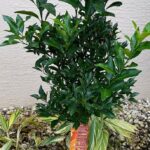
A citrus cocktail tree carries clusters of developing green fruit among its leafy branches.
Nothing says tropical paradise quite like a thriving mango tree loaded with sweet, juicy fruit. With its glossy evergreen leaves, fragrant spring blossoms, and colorful harvest, a mango tree adds beauty, shade, and incredible flavor to any landscape. Whether you dream of picking fresh mangoes from your backyard or simply want an attractive fruit tree that thrives in warm climates, growing a mango tree is a rewarding investment that can provide delicious harvests for decades. Native to South Asia, the mango tree has been cultivated for more than 4,000 years and is now one of the most popular tropical fruit trees in the world. Gardeners appreciate its relatively low maintenance requirements once established, while home cooks love having an endless supply of fresh mangoes for smoothies, desserts, salads, salsas, jams, and fresh snacking. One of the greatest advantages of planting a mango tree is its longevity. A healthy, well-maintained tree can remain productive for many years, becoming a treasured part of your landscape. Whether you choose a large traditional variety or a compact dwarf tree for a smaller yard or patio, learning how to properly care for your mango tree will help you enjoy healthy growth and abundant harvests season after season. What Is a Mango Tree? The mango tree (Mangifera indica) is a tropical evergreen tree belonging to the Anacardiaceae family, which also includes cashews, pistachios, and poison ivy. It is prized worldwide for producing one of the most beloved tropical fruits. Depending on the variety, mature mango trees can range from 15 feet to well over 100 feet tall. Fortunately, many modern cultivars are specifically bred to remain compact, making them excellent choices for home gardens and container growing. The tree is attractive throughout the year. Young leaves emerge in shades of bronze, copper, or reddish-purple before gradually turning into deep glossy green foliage. During late winter and spring, thousands of tiny fragrant flowers appear in large clusters at the ends of the branches. Although only a small percentage of these blossoms develop into fruit, the resulting harvest is often more than enough for fresh eating and preserving. Why You Should Grow a Mango Tree A mango tree offers much more than delicious fruit. It provides year-round beauty while serving as a valuable addition to an edible landscape. Homegrown mangoes often have a richer flavor, smoother texture, and sweeter taste than many store-bought varieties because they can ripen naturally on the tree. The dense evergreen canopy provides welcome shade during hot summer months, helping create a cooler and more inviting outdoor space. Once established, mango trees are relatively drought tolerant and require less maintenance than many other fruit trees. A single healthy tree can produce generous harvests for decades, making it one of the most rewarding long-term additions to a home garden. The fragrant flowers also attract bees, butterflies, and other beneficial pollinators that help support a thriving garden ecosystem. The Best Climate for Growing Mango Trees Mango trees thrive in tropical and subtropical regions where warm temperatures are consistent throughout the year. They perform especially well in areas with hot summers, mild winters, and plenty of sunshine. Ideal temperatures range between 70 and 90°F throughout most of the growing season. Young trees are sensitive to frost, while mature trees may suffer branch damage if temperatures fall below approximately 30°F. Gardeners living in cooler climates often grow dwarf mango trees in containers so they can be moved indoors or into protected areas during cold weather. Dry conditions during flowering encourage better fruit production, while excessive rainfall and humidity during bloom may increase the risk of fungal diseases. Choosing the Best Location Location is one of the most important factors in successfully growing a healthy mango tree. Plant your tree in an area that receives at least eight hours of direct sunlight every day. Full sun encourages vigorous growth, stronger flowering, and sweeter fruit. Choose a site with excellent air circulation and enough room for the mature size of your selected variety. Large trees need plenty of space, while dwarf cultivars can comfortably fit into smaller landscapes. Avoid planting in low areas where water collects after heavy rain, since consistently wet soil can damage the root system. Soil Requirements Mango trees are adaptable to many soil types, but proper drainage is essential. The best soils are sandy, sandy loam, or well-drained loamy soils with a slightly acidic to neutral pH between 5.5 and 7.5. Heavy clay soils that remain waterlogged should be improved before planting or avoided altogether. If drainage is poor, creating a raised planting mound can significantly improve root health and reduce the likelihood of root rot. How to Plant a Mango Tree The ideal time to plant a mango tree is during warm weather after the danger of frost has passed. Dig a planting hole approximately twice as wide as the root ball but no deeper than the container in which the tree was growing. Carefully loosen circling roots before placing the tree into the hole. Position the tree so the top of the root ball sits level with the surrounding soil. Backfill using the native soil, gently firming it around the roots. Water thoroughly immediately after planting to settle the soil and eliminate air pockets. Finish by adding a layer of mulch around the tree to help conserve moisture, regulate soil temperature, and suppress weeds. Keep the mulch several inches away from the trunk to prevent moisture-related diseases. Watering Your Mango Tree Proper watering is especially important during the first year after planting. Newly planted mango trees benefit from deep watering two to three times each week while becoming established. As the tree matures, it develops excellent drought tolerance. Mature trees generally require deep watering every one to two weeks during extended dry periods. Reduce watering during winter whenever possible. Slightly drier conditions encourage flowering and often improve fruit production. Avoid overwatering, as constantly saturated soil is one of the most common causes of poor tree health. Fertilizing for Healthy Growth Young mango trees
Discover everything you need to know about Achacha fruit, including its unique sweet and tangy flavor, health benefits, culinary uses, how to eat it, and why this rare tropical fruit deserves a place in your kitchen and garden. Achacha Fruit: A Sweet and Tangy Tropical Treasure If you enjoy discovering exotic fruits, Achacha is one that deserves a spot on your must-try list. This beautiful tropical fruit is prized for its refreshing flavor, vibrant appearance, and surprising versatility in the kitchen. Although it remains relatively uncommon outside tropical regions, Achacha has gained a loyal following among chefs, gardeners, and fruit enthusiasts who appreciate its exceptional taste and impressive nutritional value. Native to the Amazon rainforest of Bolivia, Achacha has become increasingly popular in tropical climates around the world. Botanically known as Garcinia humilis, it belongs to the same family as mangosteen, yet offers its own distinctive flavor profile that is bright, refreshing, and wonderfully balanced. What Makes Achacha Fruit So Special? Achacha immediately stands out because of its eye-catching appearance. Each fruit is about the size of a small egg and is covered with a thick, smooth rind that ripens to a rich golden-orange color. The vibrant shell naturally protects the fruit, allowing it to stay fresh longer than many delicate tropical fruits. When the rind is gently cracked open, it reveals glossy, translucent white flesh wrapped around one or two smooth brown seeds. The flesh has a jewel-like appearance that glistens in the light, making it just as visually appealing as it is delicious. Unlike many tropical fruits that can be messy to prepare, Achacha is incredibly easy to enjoy. Simply score or crack the rind with your hands, peel it open, and gently remove the juicy flesh surrounding the seed. No special tools are required, making it a convenient snack whether you are at home or on the go. What Does Achacha Taste Like? The flavor of Achacha is what truly makes this fruit unforgettable. Every bite delivers an ideal balance of sweetness and refreshing acidity. Its flavor has been compared to a combination of mangosteen, peach, pineapple, mango, citrus, and passion fruit with subtle floral notes. The result is a crisp, juicy fruit that is both sweet and pleasantly tangy without becoming overpowering. Its bright acidity cleanses the palate, while its natural sweetness creates a refreshing finish that keeps you reaching for another piece. Unlike overly sugary fruits, Achacha offers a clean, vibrant taste that feels light and refreshing. Its aroma is equally delightful, offering delicate hints of tropical blossoms and fresh citrus that complement its juicy texture. Health Benefits of Achacha Fruit Achacha is more than just delicious. It is also packed with nutrients that make it an excellent addition to a healthy diet. The fruit naturally contains vitamin C, which supports immune health and collagen production. It also provides dietary fiber to support healthy digestion and antioxidants that help protect the body’s cells from oxidative stress. Because the flesh contains a high percentage of water, Achacha is naturally hydrating and makes a refreshing snack during warm weather. It is also relatively low in calories, making it a flavorful option for anyone looking to enjoy fresh fruit while maintaining a balanced diet. Culinary Uses for Achacha One of Achacha’s greatest strengths is its versatility in the kitchen. Its sweet and tangy flavor complements both sweet desserts and savory dishes. Fresh Achacha is delicious eaten on its own or added to colorful fruit salads with pineapple, mango, kiwi, strawberries, blueberries, and citrus. The juicy flesh blends beautifully into smoothies with bananas, coconut water, yogurt, pineapple, or mango. It also creates refreshing fresh juices and tropical beverages. Achacha is equally at home in frozen desserts. Its naturally bright flavor makes outstanding sorbets, granitas, popsicles, frozen yogurt, and homemade ice cream. For dessert lovers, Achacha pairs wonderfully with cheesecakes, panna cotta, pavlova, fruit tarts, mousse, trifles, yogurt parfaits, and vanilla cakes. Its balanced acidity also makes it an excellent ingredient for homemade jams, jellies, fruit preserves, syrups, and dessert sauces. Savory cooks can use Achacha to create tropical salsas by combining it with tomatoes, mango, jalapeños, cilantro, red onion, and lime juice. These fresh salsas pair beautifully with grilled fish, shrimp, chicken, pork, and tacos. Pureed Achacha can also be transformed into vibrant vinaigrettes and salad dressings with olive oil, honey, Dijon mustard, citrus juice, and fresh herbs. For entertaining, Achacha shines in cocktails and mocktails. Its refreshing flavor blends perfectly with sparkling water, tonic, ginger beer, rum, vodka, tequila, or prosecco while also making delicious alcohol-free beverages with lemonade and fresh herbs. The Peel Is Useful Too One of the most unique characteristics of Achacha is that the peel is not simply discarded. After washing thoroughly, the thick orange rind can be simmered in water to create a fragrant, citrus-inspired infusion. This naturally flavored beverage can be served chilled over ice or used as the foundation for syrups, cocktails, mocktails, and refreshing summer drinks. This ability to use both the fruit and its peel makes Achacha stand out among many other tropical fruits. Flavor Pairings Achacha pairs exceptionally well with coconut, vanilla, lime, lemon, orange, pineapple, mango, passion fruit, strawberries, raspberries, blueberries, kiwi, mint, basil, ginger, cinnamon, cardamom, honey, yogurt, white chocolate, dark chocolate, goat cheese, mascarpone, burrata, seafood, grilled chicken, pork, and fresh garden herbs. Why Gardeners and Food Lovers Appreciate Achacha Achacha has become increasingly popular among tropical fruit growers because of its attractive appearance, delicious fruit, and ability to thrive in warm climates. Home gardeners appreciate growing a fruit that is still relatively rare, while chefs value its unique flavor that adds elegance to both everyday meals and special occasions. Its combination of beauty, flavor, nutrition, and culinary versatility makes Achacha one of the most exciting tropical fruits available today. Whether you enjoy it fresh from the tree, blended into smoothies, transformed into elegant desserts, or incorporated into savory recipes, Achacha delivers a refreshing burst of tropical flavor that is unlike any other fruit.
Learn how to grow a healthy tangerine tree with practical guidance for planting, watering, fertilizing, pruning, container care, pest prevention, and harvesting sweet homegrown citrus. A healthy tangerine tree brings year-round beauty, fragrant spring blossoms, glossy evergreen foliage, and an abundant harvest of sweet citrus. Whether planted in the garden or grown in a container, tangerine trees can thrive for many years when they receive plenty of sunlight, well-draining soil, consistent moisture, and protection from extreme cold. Tangerines belong to the broader mandarin group of citrus. Depending on the variety, the fruit may be sweet, tangy, seedless, or especially easy to peel. Popular choices for home gardens include Satsuma, Clementine, Dancy, and various mandarin hybrids. Because climate requirements and mature tree size vary, choosing a variety and rootstock suited to your region is one of the most important steps toward successful citrus growing. Growing a tangerine tree does require patience. A young tree may take several years to produce a substantial crop, but proper planting and regular care encourage stronger growth, healthier foliage, and better fruit production. Choosing the Best Tangerine Tree Purchase a healthy grafted tree from a reputable local nursery whenever possible. Grafted trees usually produce fruit sooner and more predictably than trees grown from seed. They also retain the desirable flavor, size, and productivity of the named variety. A seed collected from a tangerine can germinate, but the resulting tree may not produce fruit identical to the original. Seed-grown citrus can also become large, thorny, and slow to bear fruit. It can be an enjoyable growing project, but it is not the most dependable method for establishing a productive home orchard. Before selecting a tree, consider its mature size, cold tolerance, harvest season, seed content, and suitability for container growing. A dwarf or semi-dwarf tree is usually the best choice for a patio, small garden, or indoor overwintering. Satsuma mandarins are particularly valued in regions with occasional frost because established, properly hardened trees are generally more cold tolerant than many other sweet citrus varieties. However, cold tolerance varies with the cultivar, rootstock, tree age, health, wind exposure, and duration of the freeze. Understanding the Ideal Climate Tangerine trees grow best in warm subtropical climates with mild winters and long, sunny growing seasons. In-ground planting is most successful where severe or prolonged freezes are uncommon. Gardeners in colder climates can grow dwarf tangerine trees in containers and move them into a protected space during winter. Cold tolerance should never be judged by a single temperature. A mature, healthy tree may survive a brief cold period that could seriously damage a young tree, blossoms, or ripening fruit. Tangerine and mandarin wood may tolerate temperatures in the low 20s under favorable conditions, but fruit can freeze at approximately 26°F to 28°F when the cold lasts for several hours. Satsumas are among the more cold-tolerant types of sweet citrus. University of Georgia Extension Planting near a south-facing wall can create a warmer microclimate in marginal areas. The site should also be protected from strong winds, which can damage foliage, dry the soil, and intensify cold stress. How Much Sun Does a Tangerine Tree Need? Tangerine trees need abundant sunlight for healthy foliage, flowering, and fruit development. Choose a location that receives at least six hours of direct sunlight each day. Eight or more hours is often beneficial where summer temperatures are not excessively hot. Insufficient sunlight may result in thin growth, fewer blossoms, and poorly developed fruit. Indoor trees should be positioned near a bright south-facing window or placed under an appropriate grow light when natural sunlight is limited. When moving a container-grown tree outdoors in spring, introduce it to brighter conditions gradually. A sudden transition from indoor light to intense outdoor sun can scorch the leaves. Reverse the process in autumn so the tree can adjust before being brought indoors. Selecting the Right Soil Good drainage is essential for tangerine trees. Citrus roots need moisture, but they also require oxygen and can decline in soil that remains waterlogged. For an in-ground tree, choose a location where water does not collect after heavy rain. If the soil drains poorly, planting on a raised mound may be more successful than placing the root ball in a deep amended hole. Avoid planting citrus in a lawn because grass and citrus trees have different watering and fertilizing requirements. Container trees need a loose, well-draining potting mix intended for citrus or other container-grown trees. Do not fill the container with ordinary garden soil because it may compact and hold too much water. How to Plant a Tangerine Tree Plant a tangerine tree after the danger of severe frost has passed. Spring planting allows the root system time to become established before the following winter. Choose a sunny, well-drained site with enough room for the tree’s expected mature width. Dig a hole approximately twice as wide as the root ball but no deeper than the root ball itself. Remove the tree carefully from its nursery pot and inspect the roots. Gently loosen roots that are tightly circling the outside of the root ball. Position the tree so the top of the root ball sits at or slightly above the surrounding soil level. Backfill the hole primarily with the native soil. Do not bury the trunk flare or graft union. Water thoroughly to settle the soil around the roots, adding more soil if necessary without packing it firmly against the trunk. Apply a layer of organic mulch over the root zone to help conserve moisture and moderate soil temperature. Keep the mulch several inches away from the trunk to discourage rot and pest problems. Growing a Tangerine Tree in a Container Container growing makes it possible to enjoy a tangerine tree on a patio, balcony, or in a cold-winter climate. Begin with a dwarf or semi-dwarf tree and a sturdy container with multiple drainage holes. The pot should provide room for root growth without being excessively large. Too much unused potting mix may remain wet for
Originally published
March 2026
Updated
August 2026
Reviewed by
Culibloom