Guava Berry Tree Growing Guide: How to Grow, Care for, Harvest, and Enjoy This Tropical Treasure
Learn how to grow and care for a guava berry tree with this comprehensive guide. Discover planting tips, growing conditions, harvesting advice, culinary uses, health benefits, and everything you need to enjoy this flavorful tropical fruit.
Guava Berry Tree: A Delicious Tropical Fruit for the Home Garden
The guava berry tree is a beautiful tropical fruit tree that rewards gardeners with fragrant blossoms, glossy evergreen foliage, and an abundance of small, flavorful berries. Whether you are looking to create an edible landscape, attract pollinators, or enjoy fresh fruit straight from the tree, the guava berry tree is an excellent addition to a warm climate garden.
Native to tropical regions, guava berry trees are prized for their adaptability, ornamental beauty, and delicious fruit. The berries offer a sweet flavor with subtle tart notes that make them perfect for fresh eating, jams, syrups, desserts, beverages, and traditional holiday recipes.
For gardeners in warm regions such as Florida, the guava berry tree can become a productive centerpiece that provides both beauty and harvests for many years with relatively little maintenance.
What Is a Guava Berry Tree?
The guava berry tree, also known as rumberry or ramoon, is a small evergreen fruit tree belonging to the myrtle family. Although its name includes “guava,” it is a different species than the common tropical guava and produces much smaller berries.
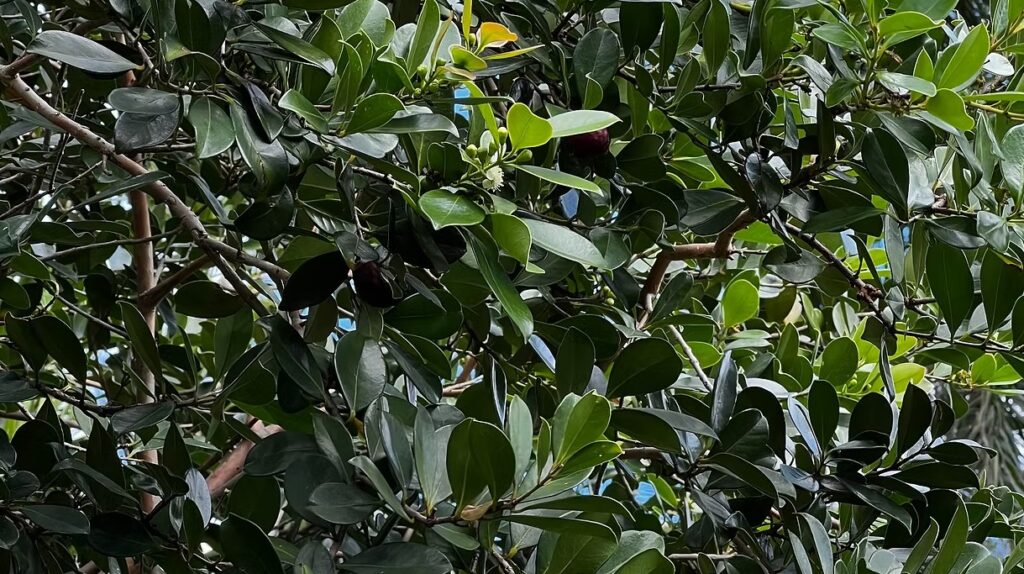
Mature trees typically reach between 10 and 30 feet tall, although regular pruning can keep them much smaller for home gardens. The tree features smooth bark, dense branching, shiny dark green leaves, fragrant white flowers, and clusters of small berries that ripen from green to deep purple or nearly black.
The fruit develops a juicy pulp with a pleasant sweet-tart flavor that becomes richer as it fully ripens.
Why Grow a Guava Berry Tree?
There are many reasons why home gardeners enjoy growing guava berry trees.
The tree is attractive throughout the year with evergreen foliage.
It produces fragrant flowers that attract bees and other beneficial pollinators.
Once established, it tolerates periods of drought better than many tropical fruit trees.
The fruit is versatile in the kitchen.
It fits well into edible landscapes and backyard orchards.
With proper care, a healthy tree can remain productive for decades.
Best Growing Conditions
Guava berry trees thrive in warm tropical and subtropical climates.
They grow best where temperatures remain above freezing for most of the year. Mature trees may tolerate very brief cold spells, but extended freezing temperatures can damage or kill young trees.
Choose a location that receives at least six to eight hours of direct sunlight each day. Full sun encourages vigorous growth, abundant flowering, and sweeter fruit.
Soil Requirements
The guava berry tree performs best in well-drained soil rich in organic matter.
Ideal soil characteristics include:
Slightly acidic to neutral pH between 5.5 and 7.0.
Excellent drainage.
Moderate fertility.
Good moisture retention without becoming waterlogged.
Before planting, incorporate compost into the soil to improve both fertility and drainage.
Planting Your Guava Berry Tree
Spring is generally the best time to plant a guava berry tree.
Dig a planting hole approximately twice as wide as the root ball but no deeper than the container.
Position the tree so the top of the root ball sits level with the surrounding soil.
Backfill gently with native soil mixed with compost.
Water thoroughly after planting.
Apply two to three inches of mulch while keeping it several inches away from the trunk.
Watering Needs
Young trees require regular watering while they establish strong root systems.
Water deeply once or twice each week during dry periods.
Established trees become fairly drought tolerant but produce the highest-quality fruit with consistent moisture throughout the growing season.
Avoid allowing the soil to remain constantly saturated.
Fertilizing
Regular fertilization supports healthy growth and improved fruit production.
Feed young trees every two to three months using a balanced fruit tree fertilizer.
Mature trees benefit from three to four fertilizer applications each year.
Compost, aged manure, and other organic soil amendments also improve long-term soil health.
Pruning and Maintenance
Pruning helps maintain tree shape while encouraging better air circulation and fruit production.
Remove dead, damaged, or crossing branches.
Thin crowded areas of the canopy.
Maintain a manageable height for easier harvesting.
Light annual pruning after harvest encourages vigorous new growth.
Growing in Containers
The guava berry tree adapts surprisingly well to large containers.
Choose a container at least 20 to 25 gallons with excellent drainage.
Use a high-quality potting mix enriched with compost.
Container-grown trees require more frequent watering and fertilization than those planted in the ground.
Regular pruning keeps container specimens compact and productive.
Flowers and Pollination
Guava berry trees produce delicate white flowers with numerous showy stamens.
The blossoms attract bees, butterflies, and other beneficial insects that improve pollination throughout the garden.
Although many trees are capable of producing fruit on their own, having multiple trees nearby may improve fruit production.
Flowering generally occurs during warm weather, followed by fruit development over the next several months.
Harvesting Guava Berries
Fruit is ready to harvest once it develops a rich purple or nearly black color.
Fully ripe berries become slightly soft and develop their characteristic sweet aroma.
Harvest by gently twisting the fruit from the branches.
Fresh berries are delicate, so handle them carefully to avoid bruising.
Culinary Uses
Guava berries are incredibly versatile in the kitchen.
They may be eaten fresh directly from the tree.
The berries make exceptional jams and jellies with a rich tropical flavor.
Their natural sweetness also makes them excellent for syrups, fruit sauces, pies, pastries, cakes, ice cream toppings, and homemade beverages.
Many Caribbean families prepare traditional guava berry liqueurs, wines, and holiday desserts using freshly harvested fruit.
The berries pair beautifully with citrus, cinnamon, cloves, vanilla, ginger, honey, and tropical fruits such as mango, pineapple, and passion fruit.
Nutritional Benefits
Guava berries provide several valuable nutrients.
They are naturally rich in vitamin C.
They contain antioxidants that help protect cells from oxidative stress.
The berries provide dietary fiber that supports digestive health.
They also contain small amounts of potassium, calcium, iron, and various beneficial plant compounds.
Including fresh guava berries in a balanced diet offers both delicious flavor and nutritional value.
Companion Plants
Several tropical plants grow well alongside guava berry trees.
Bananas provide light wind protection.
Pineapples make attractive ground covers.
Sweet potatoes suppress weeds while protecting the soil.
Herbs such as basil and oregano attract beneficial insects.
Marigolds help support pollinators and beneficial predators.
These companion plants help create a productive and diverse edible garden.
Common Pests
While generally hardy, guava berry trees may occasionally experience pest problems.
Common pests include fruit flies, aphids, scale insects, whiteflies, and mealybugs.
Regular inspection allows early treatment before infestations become severe.
Encouraging beneficial insects and maintaining healthy growing conditions often minimizes pest issues naturally.
Common Diseases
Proper air circulation and good watering practices help prevent many diseases.
Potential problems include fungal leaf spots, anthracnose, root rot in poorly drained soils, and powdery mildew during prolonged periods of humidity.
Avoid overhead watering whenever possible and remove fallen fruit or diseased leaves promptly.
Seasonal Care
During the growing season, maintain consistent watering and fertilization.
Apply fresh mulch each spring to conserve moisture and suppress weeds.
Reduce watering slightly during cooler months while continuing to monitor soil moisture.
Protect young trees if unexpected cold weather is forecast.
Popular Varieties
Several related varieties and selections are available depending on your region.
Some produce sweeter fruit, while others are selected for heavier yields, improved disease resistance, or ornamental value.
When purchasing a tree, choose one from a reputable nursery suited to your local growing conditions.
Frequently Asked Questions
How long does it take for a guava berry tree to produce fruit?
Most grafted trees begin producing fruit within three to five years after planting, while seed-grown trees may require additional time.
Can guava berry trees tolerate frost?
Only light, short-duration frost. Young trees are especially sensitive and benefit from protection during cold weather.
Do guava berry trees need full sun?
Yes. Full sun produces the healthiest trees and the highest fruit yields.
Can I grow a guava berry tree indoors?
Large containers can be grown in bright sunrooms or greenhouses, but outdoor growing provides the best long-term results.
Are guava berries edible?
Yes. The berries are completely edible and are widely enjoyed fresh or in numerous recipes.
Bring Tropical Flavor to Your Garden
The guava berry tree combines ornamental beauty with exceptional fruit production, making it an outstanding addition to tropical and subtropical gardens. From its fragrant blossoms to its flavorful berries, this attractive evergreen tree offers year-round interest and countless culinary possibilities. With proper planting, regular care, and a sunny location, your guava berry tree can provide abundant harvests for many years while transforming your landscape into a productive tropical oasis.
A tropical guava berry tree displays glossy foliage, a delicate white flower, and ripening purple fruit.
Discover everything you need to know about Achacha fruit, including its unique sweet and tangy flavor, health benefits, culinary uses, how to eat it, and why this rare tropical fruit deserves a place in your kitchen and garden. Achacha Fruit: A Sweet and Tangy Tropical Treasure If you enjoy discovering exotic fruits, Achacha is one that deserves a spot on your must-try list. This beautiful tropical fruit is prized for its refreshing flavor, vibrant appearance, and surprising versatility in the kitchen. Although it remains relatively uncommon outside tropical regions, Achacha has gained a loyal following among chefs, gardeners, and fruit enthusiasts who appreciate its exceptional taste and impressive nutritional value. Native to the Amazon rainforest of Bolivia, Achacha has become increasingly popular in tropical climates around the world. Botanically known as Garcinia humilis, it belongs to the same family as mangosteen, yet offers its own distinctive flavor profile that is bright, refreshing, and wonderfully balanced. What Makes Achacha Fruit So Special? Achacha immediately stands out because of its eye-catching appearance. Each fruit is about the size of a small egg and is covered with a thick, smooth rind that ripens to a rich golden-orange color. The vibrant shell naturally protects the fruit, allowing it to stay fresh longer than many delicate tropical fruits. When the rind is gently cracked open, it reveals glossy, translucent white flesh wrapped around one or two smooth brown seeds. The flesh has a jewel-like appearance that glistens in the light, making it just as visually appealing as it is delicious. Unlike many tropical fruits that can be messy to prepare, Achacha is incredibly easy to enjoy. Simply score or crack the rind with your hands, peel it open, and gently remove the juicy flesh surrounding the seed. No special tools are required, making it a convenient snack whether you are at home or on the go. What Does Achacha Taste Like? The flavor of Achacha is what truly makes this fruit unforgettable. Every bite delivers an ideal balance of sweetness and refreshing acidity. Its flavor has been compared to a combination of mangosteen, peach, pineapple, mango, citrus, and passion fruit with subtle floral notes. The result is a crisp, juicy fruit that is both sweet and pleasantly tangy without becoming overpowering. Its bright acidity cleanses the palate, while its natural sweetness creates a refreshing finish that keeps you reaching for another piece. Unlike overly sugary fruits, Achacha offers a clean, vibrant taste that feels light and refreshing. Its aroma is equally delightful, offering delicate hints of tropical blossoms and fresh citrus that complement its juicy texture. Health Benefits of Achacha Fruit Achacha is more than just delicious. It is also packed with nutrients that make it an excellent addition to a healthy diet. The fruit naturally contains vitamin C, which supports immune health and collagen production. It also provides dietary fiber to support healthy digestion and antioxidants that help protect the body’s cells from oxidative stress. Because the flesh contains a high percentage of water, Achacha is naturally hydrating and makes a refreshing snack during warm weather. It is also relatively low in calories, making it a flavorful option for anyone looking to enjoy fresh fruit while maintaining a balanced diet. Culinary Uses for Achacha One of Achacha’s greatest strengths is its versatility in the kitchen. Its sweet and tangy flavor complements both sweet desserts and savory dishes. Fresh Achacha is delicious eaten on its own or added to colorful fruit salads with pineapple, mango, kiwi, strawberries, blueberries, and citrus. The juicy flesh blends beautifully into smoothies with bananas, coconut water, yogurt, pineapple, or mango. It also creates refreshing fresh juices and tropical beverages. Achacha is equally at home in frozen desserts. Its naturally bright flavor makes outstanding sorbets, granitas, popsicles, frozen yogurt, and homemade ice cream. For dessert lovers, Achacha pairs wonderfully with cheesecakes, panna cotta, pavlova, fruit tarts, mousse, trifles, yogurt parfaits, and vanilla cakes. Its balanced acidity also makes it an excellent ingredient for homemade jams, jellies, fruit preserves, syrups, and dessert sauces. Savory cooks can use Achacha to create tropical salsas by combining it with tomatoes, mango, jalapeños, cilantro, red onion, and lime juice. These fresh salsas pair beautifully with grilled fish, shrimp, chicken, pork, and tacos. Pureed Achacha can also be transformed into vibrant vinaigrettes and salad dressings with olive oil, honey, Dijon mustard, citrus juice, and fresh herbs. For entertaining, Achacha shines in cocktails and mocktails. Its refreshing flavor blends perfectly with sparkling water, tonic, ginger beer, rum, vodka, tequila, or prosecco while also making delicious alcohol-free beverages with lemonade and fresh herbs. The Peel Is Useful Too One of the most unique characteristics of Achacha is that the peel is not simply discarded. After washing thoroughly, the thick orange rind can be simmered in water to create a fragrant, citrus-inspired infusion. This naturally flavored beverage can be served chilled over ice or used as the foundation for syrups, cocktails, mocktails, and refreshing summer drinks. This ability to use both the fruit and its peel makes Achacha stand out among many other tropical fruits. Flavor Pairings Achacha pairs exceptionally well with coconut, vanilla, lime, lemon, orange, pineapple, mango, passion fruit, strawberries, raspberries, blueberries, kiwi, mint, basil, ginger, cinnamon, cardamom, honey, yogurt, white chocolate, dark chocolate, goat cheese, mascarpone, burrata, seafood, grilled chicken, pork, and fresh garden herbs. Why Gardeners and Food Lovers Appreciate Achacha Achacha has become increasingly popular among tropical fruit growers because of its attractive appearance, delicious fruit, and ability to thrive in warm climates. Home gardeners appreciate growing a fruit that is still relatively rare, while chefs value its unique flavor that adds elegance to both everyday meals and special occasions. Its combination of beauty, flavor, nutrition, and culinary versatility makes Achacha one of the most exciting tropical fruits available today. Whether you enjoy it fresh from the tree, blended into smoothies, transformed into elegant desserts, or incorporated into savory recipes, Achacha delivers a refreshing burst of tropical flavor that is unlike any other fruit.
Learn how a banana tree flower develops into clusters of delicious bananas. Discover fascinating facts about banana blossoms, growing tips, harvest information, culinary uses, and the beauty of this remarkable tropical plant. Banana Tree Flower with Bananas A banana tree covered with vibrant green bananas and topped by its striking purple flower is one of the most spectacular sights in a tropical garden. The dramatic blossom, known as the banana flower or banana blossom, is much more than an eye-catching feature. It is the beginning of the plant’s fruit-producing journey, eventually giving rise to the sweet, flavorful bananas enjoyed around the world. Watching the transformation from flower to fruit is both fascinating and rewarding. Whether you grow banana plants in your own backyard or simply appreciate tropical gardens, understanding this remarkable process makes the banana plant even more impressive. The Beauty of the Banana Flower Despite its common name, the banana tree is actually the world’s largest herbaceous flowering plant rather than a true tree. After several months of vigorous growth, a large flower bud emerges from the center of the plant and begins to hang gracefully beneath the leaves. This impressive flower is wrapped in smooth, deep burgundy or purple bracts that slowly unfold to reveal rows of delicate cream-colored flowers hidden inside. As each layer opens, another row of future bananas is exposed, creating the distinctive clusters known as “hands.” The contrast between the colorful blossom and the developing green fruit creates an unforgettable display that makes the banana plant a stunning focal point in any landscape. How the Banana Flower Produces Fruit As the flowering process continues, tiny bananas begin forming directly above the blossom. Over the following weeks and months, these small fruits gradually enlarge into full-sized bananas. Each layer of flowers develops into a hand of bananas, and a healthy plant may produce several hands on a single bunch. Depending on the variety, one banana plant can yield dozens of bananas during its growing season. Even after the fruit begins to mature, the banana flower often remains attached beneath the bunch until it naturally dries or is removed. Growing Healthy Banana Trees Banana plants thrive in warm, humid climates where they receive plenty of sunshine and consistent moisture. Healthy growing conditions encourage vigorous foliage, strong flowering, and abundant fruit production. For the best results, provide fertile, well-drained soil enriched with organic matter. Water deeply and regularly, especially during periods of active growth, and apply a balanced fertilizer throughout the growing season. Banana plants also benefit from protection against strong winds, as heavy fruit clusters can place considerable weight on the stem. With proper care, the plant rewards gardeners with lush tropical foliage, dramatic flowers, and generous harvests year after year. Harvesting Homegrown Bananas Bananas are usually harvested while still green but fully developed. Unlike many fruits, bananas continue to ripen after they are picked, gradually changing from green to yellow as their natural sugars develop. Look for fruit that appears plump with rounded edges and has reached its full size. Harvesting at the proper stage helps preserve quality while allowing the bananas to ripen evenly indoors. Banana Flowers Are Edible Too The banana flower is valued in many cuisines around the world for its mild flavor and tender texture. The inner petals and unopened florets are commonly prepared in a variety of savory dishes. Banana blossoms are frequently added to curries, soups, stir-fries, salads, and vegetable fritters. They have also become increasingly popular as a plant-based ingredient because of their texture and versatility. Before cooking, the tougher outer bracts and mature florets are typically removed, leaving the tender inner portion ready for use. Nutritional Benefits Both bananas and banana flowers provide an impressive array of nutrients. Bananas are an excellent source of potassium, vitamin B6, vitamin C, dietary fiber, and natural carbohydrates that provide lasting energy. Banana flowers are rich in fiber, calcium, magnesium, iron, potassium, antioxidants, and other beneficial plant compounds that make them a nutritious addition to many meals. Together, they demonstrate how nearly every part of the banana plant can contribute to a healthy lifestyle. Why Banana Tree Flowers Capture Attention Few tropical plants combine beauty and productivity quite like the banana plant. The large purple blossom hanging beneath rows of developing bananas creates a breathtaking display while signaling that a fresh harvest is well underway. Beyond producing one of the world’s most popular fruits, banana plants add dramatic foliage, lush greenery, and an unmistakable tropical atmosphere to gardens and landscapes. From the first appearance of the flower to the final harvest of ripe bananas, every stage of the plant’s growth offers something remarkable to admire. Whether you are cultivating banana plants for their fruit, their ornamental appeal, or both, the sight of a banana tree flower with developing bananas is a rewarding reminder of nature’s incredible ability to transform a single blossom into an abundant harvest.
The Calamondin tree is a beautiful and productive citrus tree that brings year-round color, fragrance, and fresh fruit to home gardens. Loved for its compact size and abundant harvests, this evergreen tree is an excellent choice for landscapes, patios, balconies, and even indoor growing. Whether you are an experienced gardener or planting your first citrus tree, the Calamondin offers an attractive combination of ornamental beauty and culinary versatility. Often called calamansi, Philippine lime, or golden lime, the Calamondin tree produces small, bright orange fruits with a bold citrus flavor that is both tart and slightly sweet. The fruit is widely used in cooking, baking, beverages, and marinades, making this tree as practical as it is decorative. What Is a Calamondin Tree? The Calamondin tree (Citrus × microcarpa) is believed to be a natural hybrid between a kumquat and a mandarin orange. Native to Southeast Asia, it has been cultivated for centuries and remains one of the most popular citrus trees in tropical and subtropical regions. This slow-growing evergreen typically reaches 6 to 15 feet tall when planted in the ground, although container-grown trees generally stay between 3 and 6 feet with occasional pruning. Its dense canopy of glossy green leaves, fragrant blossoms, and colorful fruit makes it an eye-catching addition to any garden. One of its most appealing qualities is its ability to bloom and fruit throughout much of the year, allowing gardeners to enjoy fragrant flowers and ripe citrus at the same time. A Tree That Offers Beauty in Every Season The Calamondin tree is prized for its ornamental appeal as much as its fruit. Deep green leaves create a lush backdrop for clusters of delicate white blossoms that fill the garden with a sweet citrus fragrance. As the blossoms mature, they develop into small green fruit that gradually ripens into brilliant orange spheres. Because flowering and fruit production often occur simultaneously, mature trees display blossoms, green fruit, and ripe oranges all at once. This colorful display provides year-round visual interest and makes the tree a favorite for patios, entryways, edible landscapes, and decorative containers. Ideal Growing Conditions Calamondin trees thrive in warm climates with plenty of sunshine. They perform best in USDA Hardiness Zones 8 through 11 but can also be successfully grown in containers in cooler regions. For healthy growth, provide the tree with six to eight hours of direct sunlight each day. Plant it in well-drained soil that is slightly acidic, as citrus trees dislike standing water around their roots. Water deeply when the top inch of soil begins to dry, allowing excess moisture to drain away completely. During the active growing season, fertilize regularly with a citrus-specific fertilizer that supplies essential nutrients for flowering and fruit production. Gardeners in colder climates can simply move container-grown trees indoors before freezing temperatures arrive. A bright sunny window or grow lights will help the tree continue growing throughout winter. Flowering and Fruit Production One of the most rewarding aspects of growing a Calamondin tree is its impressive fruit production. Healthy trees often flower several times throughout the year, producing fragrant white blossoms that attract bees and other beneficial pollinators. Following pollination, small green fruits begin to develop before gradually turning a vibrant orange as they mature. Unlike many citrus varieties, Calamondin fruit can remain on the tree for weeks after ripening, allowing gardeners to harvest only what they need while enjoying the colorful display. Mature trees are capable of producing hundreds of fruits annually under favorable growing conditions. What Does Calamondin Taste Like? Although the fruit resembles a miniature orange, its flavor is much more similar to a lime with subtle mandarin notes. The juice is intensely tart, while the thin peel contributes a pleasant sweetness and aromatic citrus oils. This unique combination creates a bright, refreshing flavor that enhances countless recipes. Many people enjoy using the entire fruit, including the peel, to maximize its citrus aroma and natural sweetness. Culinary Uses for Calamondin Fruit The Calamondin is one of the most versatile citrus fruits in the kitchen. Its fresh juice adds brightness and acidity to both sweet and savory dishes. Popular culinary uses include fresh lemonade, citrus-infused water, homemade vinaigrettes, seafood marinades, grilled chicken, roasted vegetables, stir fry sauces, dipping sauces, salsa, jams, marmalades, citrus curds, pies, cakes, cookies, sorbet, ice cream, cocktails, and mocktails. The fruit also makes an excellent substitute for lemons or limes in many recipes, providing a distinctive tropical citrus flavor. Health Benefits Like many citrus fruits, Calamondin is packed with nutrients that support overall wellness. It is naturally rich in vitamin C, antioxidants, flavonoids, potassium, calcium, and dietary fiber. These nutrients help support immune function, healthy skin, collagen production, digestion, and protection against oxidative stress. Adding fresh Calamondin juice to meals is a simple way to enjoy both vibrant flavor and nutritional benefits. Growing a Calamondin Tree in Containers The Calamondin tree is one of the easiest citrus varieties to grow in pots, making it ideal for gardeners with limited outdoor space. Choose a large container with excellent drainage and fill it with a high-quality citrus potting mix. Position the container where it will receive plenty of direct sunlight throughout the day. Rotate the pot every few weeks to encourage even growth and maintain a balanced canopy. Repot the tree every few years as it grows, refreshing the soil to provide healthy root development and continued fruit production. Caring for Your Calamondin Tree Routine maintenance keeps Calamondin trees healthy and productive for many years. Prune lightly after harvesting to remove damaged or crowded branches while maintaining an attractive shape. Feed regularly during spring and summer with a citrus fertilizer formulated for fruiting trees. Watch for common citrus pests, including aphids, spider mites, scale insects, and whiteflies. Early detection allows problems to be managed before they become serious. Adding a layer of mulch around outdoor trees helps retain moisture, regulate soil temperature, and reduce weed growth while keeping mulch several inches away from the trunk. Why Gardeners Love the Calamondin Tree Few
Originally published
March 2026
Updated
August 2026
Reviewed by
Culibloom