Purple Basil: Taste, Culinary Uses, Fragrance, and Growing Guide
Discover purple basil’s taste, fragrance, culinary uses, and growing needs, including sunlight, soil, watering, pruning, and harvesting tips.
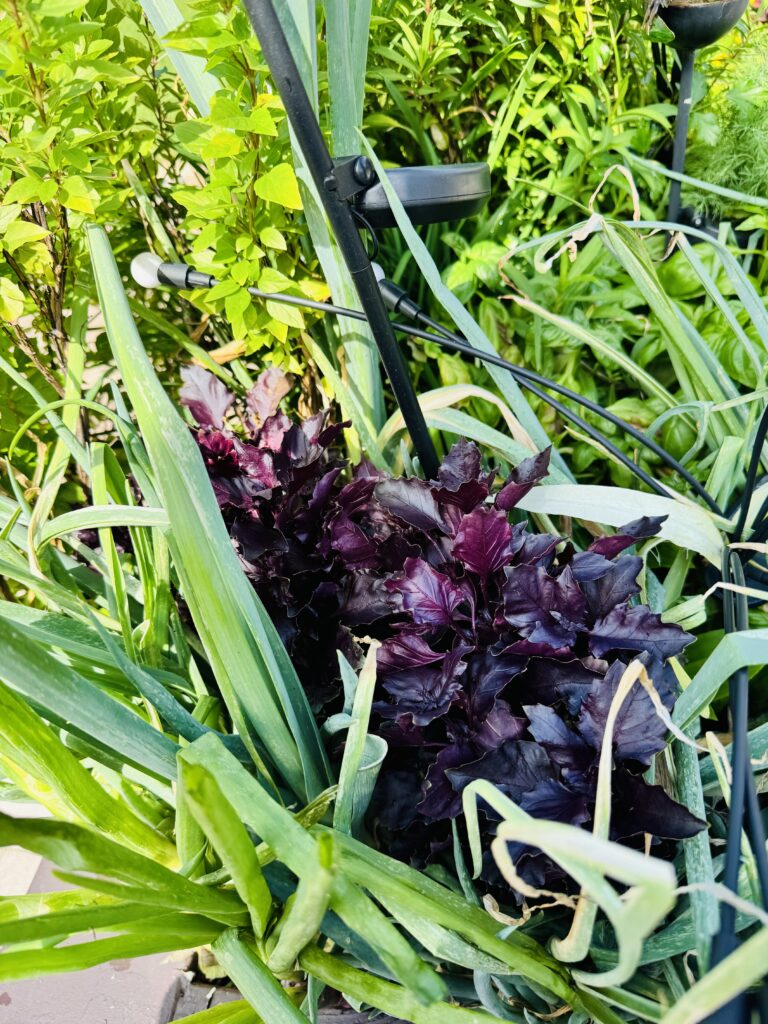
Purple basil brings dramatic color, distinctive flavor, and a beautiful fragrance to the home garden. Its glossy leaves range from deep burgundy and reddish purple to nearly black, making the plant as ornamental as it is useful. Tucked among green herbs, vegetables, or flowers, purple basil creates rich contrast while providing a steady supply of flavorful leaves for the kitchen.
Like other types of basil, purple basil is a warm-season herb that thrives in sunshine and warm soil. It grows well in garden beds, raised beds, and containers, making it a versatile choice for gardens of almost any size. Regular harvesting encourages bushy growth, while the flowers can attract bees and other pollinators when some stems are allowed to bloom.
Purple basil is available in several varieties, including Dark Opal, Red Rubin, Purple Ruffles, and Osmin Purple. Leaf shape, color, flavor, and growth habit vary by cultivar, but all offer an appealing combination of culinary value and ornamental beauty.
What Does Purple Basil Taste Like?
Purple basil has a familiar basil flavor with a slightly deeper, spicier character than many common green varieties. Depending on the cultivar and growing conditions, its taste may include notes of clove, anise, pepper, cinnamon, or mild licorice. Some varieties are less sweet than Genovese basil and have a pleasantly earthy or mildly bitter finish.
Young, tender leaves generally have the mildest flavor. Larger, older leaves may taste stronger, especially after the plant begins producing flowers. Heat, moisture, variety, and the maturity of the leaves can all influence the final flavor.
Because purple basil can be more assertive than sweet basil, it works especially well in dishes that benefit from a colorful, aromatic accent. Combining purple and green basil can create a balanced flavor while adding visual interest.
What Does Purple Basil Smell Like?
The fragrance of purple basil is warm, herbaceous, and slightly spicy. Crushing or rubbing a leaf releases aromatic oils that may smell like cloves, anise, pepper, mint, or traditional sweet basil. The exact fragrance depends on the variety.
Warm sunlight often makes the plant’s aroma especially noticeable. Brushing against the leaves while walking through the garden can release their fragrance, which makes purple basil a lovely addition near patios, pathways, outdoor kitchens, and seating areas.
The flowers and foliage also contribute fragrance to mixed herb gardens. Purple basil can be planted with contrasting herbs such as parsley, chives, lemon thyme, or green basil to create a layered sensory garden filled with different colors, textures, and scents.
Culinary Uses for Purple Basil
Purple basil can be used in many of the same ways as green basil. Its dark leaves make a striking garnish for pasta, pizza, soups, grain bowls, sandwiches, and vegetable dishes. Thinly sliced leaves add fresh color and flavor to tomato salads, Caprese-style presentations, roasted vegetables, and seasonal fruit.
Its peppery, clove-like flavor pairs particularly well with tomatoes, garlic, eggplant, zucchini, peppers, berries, peaches, citrus, and soft cheeses. Purple basil can also complement chicken, fish, beans, and Mediterranean-inspired dishes.
Fresh purple basil adds color to pesto, herb sauces, vinaigrettes, compound butter, and flavored oils. Blending the leaves may produce a darker sauce than traditional green basil, although the finished color can vary and may become muted when combined with other ingredients.
The leaves can also be used to flavor lemonade, iced tea, shrubs, sparkling water, and alcohol-free mocktails. Their color may tint certain beverages, particularly when the basil is muddled or steeped with an acidic ingredient such as lemon juice. The final shade will depend on the basil variety and the other ingredients used.
For the brightest appearance and freshest flavor, add purple basil near the end of cooking or use it raw. Extended cooking can soften the leaves, reduce their fragrance, and dull their deep purple color.
Choosing the Best Place to Grow Purple Basil
Purple basil grows best in a warm location with plenty of direct sunlight. Aim for at least six hours of sun each day. Strong light generally supports compact growth and rich leaf color, although plants in extremely hot climates may benefit from light afternoon shade.
Select a location with good air circulation and well-draining soil. Avoid low areas where water collects after rain. Basil appreciates consistent moisture, but roots that remain in soggy soil may become stressed or develop problems.
Containers are an excellent option when garden space is limited. Choose a pot with drainage holes and enough room for the roots to develop. A container can also be moved to a sheltered location during heavy rain, strong wind, or an unexpected temperature drop.
Soil and Planting Tips
Purple basil prefers fertile, well-draining soil enriched with organic matter. Before planting in the garden, loosen compacted soil and mix in finished compost if needed. For container-grown basil, use a quality potting mix designed to drain well.
Plant basil outdoors only after the danger of frost has passed and the soil has warmed. Basil is sensitive to cold, and chilly nights can slow growth or damage the foliage. If starting with nursery plants, acclimate them gradually to outdoor sunlight before placing them in their permanent location.
Space plants according to the mature size listed for the selected variety. Many purple basil plants benefit from approximately 12 to 18 inches of space, which allows light to reach the foliage and improves airflow.
Purple basil can also be grown from seed. Seeds need warmth and consistent moisture to germinate successfully. Keep the soil lightly moist rather than saturated, and provide seedlings with strong light to discourage thin, stretched growth.
Watering Purple Basil
Water purple basil deeply enough to moisten the root zone, then allow the surface of the soil to begin drying before watering again. The exact schedule will depend on temperature, rainfall, soil type, container size, and sun exposure.
Container-grown plants usually dry out more quickly than basil planted in the ground. During hot weather, check pots frequently and water when the soil feels dry near the surface. Water at the base of the plant when possible to keep the leaves dry and reduce the conditions that can encourage foliar disease.
A thin layer of organic mulch can help retain soil moisture and reduce weed growth. Keep mulch slightly away from the main stem so the crown does not remain constantly damp.
Pinching and Pruning for Fuller Growth
Pinching is one of the most important parts of growing healthy, productive purple basil. Once a young plant has developed several sets of leaves, remove the growing tip just above a pair of leaves. New branches will form below the cut, helping the plant become fuller rather than tall and sparse.
Continue harvesting or pinching the tips throughout the growing season. If leaves are the priority, remove flower buds as they appear. Flowering can cause the plant to devote more energy to seed production, and the leaves may develop a stronger or more bitter flavor.
For a pollinator-friendly planting, allow a few stems to flower while continuing to harvest from the rest of the plant. Purple basil flowers can be attractive to bees and other beneficial insects, although pollinator activity varies by location and season.
Harvesting Purple Basil
Harvest leaves after the plant is established and actively growing. Morning is often a convenient time to gather basil, after surface moisture has dried but before the hottest part of the day.
Instead of removing individual leaves from the bottom, cut stems just above a leaf pair. This encourages branching and helps maintain a compact shape. Avoid removing too much of the plant at one time. Leaving plenty of foliage allows it to continue photosynthesizing and producing new growth.
Use fresh basil soon after harvesting for the best flavor and fragrance. Short stems can be placed in a small glass of water at room temperature for brief storage. Cold temperatures can darken or damage basil leaves, so refrigeration results may vary.
Growing Purple Basil in Containers
Purple basil is well suited to container gardening. Its colorful foliage can serve as the centerpiece of an herb pot or add contrast to mixed edible plantings. Pair it with plants that have similar sunlight and watering needs, but avoid crowding the container.
Use a pot with dependable drainage and place it in a sunny, sheltered location. Check the soil regularly because containers can lose moisture quickly during warm or windy weather. Periodic feeding with a balanced fertilizer may be helpful, but follow the product directions and avoid excessive fertilization, which can encourage weak, overly lush growth.
Turn the container occasionally if light reaches it primarily from one direction. This promotes more even growth and helps all sides of the plant receive adequate sunlight.
Common Purple Basil Problems
Aphids, whiteflies, slugs, snails, and Japanese beetles may feed on basil, depending on the region. Inspect both sides of the leaves regularly so problems can be addressed early. Hand removal, a firm stream of water, barriers, or other appropriate garden controls may help, depending on the pest.
Yellow leaves can result from several causes, including excessive moisture, poor drainage, nutrient imbalance, crowded roots, or natural aging. Pale or greenish foliage may develop when a purple variety does not receive enough light, although genetics and environmental conditions also influence leaf color.
Good spacing, careful watering, and clean garden practices can reduce the risk of disease. Remove severely damaged foliage and avoid composting material that appears diseased unless the composting system reliably reaches temperatures capable of destroying plant pathogens.
Using Purple Basil in an Edible Landscape
Purple basil is an excellent choice for edible landscaping because it combines useful leaves with ornamental color. Plant it along sunny borders, near tomatoes, among green herbs, or in decorative containers. Its deep foliage pairs beautifully with silver herbs, bright green vegetables, and flowers in shades of white, pink, orange, or yellow.
The plant can also help connect a vegetable garden with nearby ornamental beds. Repeating small groups of purple basil throughout the landscape creates a cohesive design while keeping fresh herbs within easy reach.
Why Purple Basil Deserves a Place in the Garden
Purple basil offers much more than striking foliage. Its spicy flavor enhances a wide variety of foods, its fragrance adds another sensory element to the garden, and its flowers can support visiting pollinators. With warm soil, adequate sunlight, consistent moisture, and regular pinching, the plant can remain attractive and productive throughout the summer.
Whether grown in a raised bed, herb garden, patio pot, or edible landscape, purple basil brings color and character to both the garden and the table. Trying more than one variety is an excellent way to explore the differences in color, leaf texture, fragrance, and flavor.
Vibrant purple basil adds rich color and contrast to a lush edible garden.
There is something timeless about growing basil. With its fragrant leaves, vibrant foliage, and incredible versatility in the kitchen, basil has earned its place as one of the world’s most beloved culinary herbs. Whether you are planting a traditional herb garden, filling containers on a sunny patio, or tucking basil among vegetables in raised beds, this remarkable plant rewards gardeners with continuous harvests and exceptional flavor throughout the growing season. A Basil Growing Guide is the perfect starting point for learning how to grow healthy, productive plants while enjoying one of the easiest and most satisfying herbs to cultivate. What Is Basil? Basil (Ocimum basilicum) is a warm-season annual herb in the mint family that is native to tropical regions of Asia and Africa. Known for its aromatic leaves and rapid growth, basil has become an essential ingredient in cuisines around the world. From classic Italian pesto and fresh Caprese salads to Thai curries and Mediterranean dishes, basil adds a fresh, sweet, and slightly peppery flavor that enhances countless recipes. Beyond its culinary uses, basil is also valued for its ornamental appeal. Depending on the variety, plants produce lush green, deep purple, variegated, or ruffled foliage that adds color and texture to herb gardens, flower beds, and containers. Why Grow Basil? Basil is one of the most rewarding herbs for gardeners of every experience level. It grows quickly, thrives in warm weather, and provides a steady supply of fresh leaves for months with regular harvesting. Some of the many reasons gardeners love growing basil include: Fresh herbs available just steps from the kitchen. Fast-growing plants that produce abundant harvests. Beautiful foliage that complements vegetable and flower gardens. Excellent companion plants for tomatoes, peppers, and many other vegetables. Fragrant leaves that bring wonderful aroma to outdoor spaces. Flowers that attract bees, butterflies, and other beneficial pollinators when allowed to bloom. Whether you grow a single pot on a windowsill or an entire herb garden, basil delivers beauty, fragrance, and flavor throughout the season. Popular Types of Basil One of the greatest joys of growing basil is discovering the remarkable diversity available. While sweet basil remains the most familiar variety, many cultivars offer unique flavors, colors, and textures. Sweet Basil is prized for its tender green leaves and classic flavor that pairs perfectly with pasta, pizza, and tomato dishes. Genovese Basil is considered the gold standard for homemade pesto because of its large, aromatic leaves. Purple Basil offers striking burgundy foliage with a slightly spicier flavor, making it both ornamental and edible. Thai Basil features narrow leaves and a distinctive anise-like flavor that complements Asian cuisine. Lemon Basil produces bright green leaves with a refreshing citrus aroma, making it ideal for seafood, desserts, teas, and beverages. Cinnamon Basil combines traditional basil flavor with warm cinnamon notes that work beautifully in fruit dishes and baked goods. Each variety brings its own personality to the garden while sharing the same easy-growing nature. Basil Brings Beauty and Flavor Together Basil is much more than a culinary herb. Its lush foliage creates attractive borders, fills containers with vibrant greenery, and blends beautifully with flowers and vegetables. Gardeners often plant basil alongside tomatoes because the two share similar growing requirements while creating an attractive and productive garden display. Whether harvested fresh for everyday meals, preserved for later use, or simply enjoyed for its delightful fragrance, basil offers months of enjoyment from spring through the first frost. With minimal care and plenty of sunshine, even beginner gardeners can grow healthy plants that provide generous harvests all season long. Growing basil is simple when you provide the right environment. As a warm-season herb, basil flourishes in sunshine, fertile soil, and consistent moisture. Whether you are planting in a backyard garden, raised beds, containers, or windowsill planters, giving basil proper care will reward you with vigorous plants and an abundant harvest throughout the growing season. Choosing the Best Location Basil thrives in locations that receive plenty of direct sunlight. Select an area that receives at least six to eight hours of sunlight each day. More sunlight encourages fuller plants, stronger stems, and highly aromatic leaves. If you live in an area with extremely hot summers, basil appreciates a little afternoon shade during periods of intense heat. Good air circulation also helps reduce the risk of fungal diseases while keeping plants healthy. Soil Requirements Basil grows best in rich, well-drained soil filled with organic matter. The ideal soil is loose enough to allow roots to expand while holding enough moisture to support steady growth. Before planting, enrich garden beds with compost or well-aged organic matter. This improves soil fertility, drainage, and moisture retention. Basil prefers a slightly acidic to neutral soil with a pH between 6.0 and 7.5. Planting Basil Basil can be grown from seeds or nursery transplants. Seeds should be sown after the danger of frost has passed and the soil has warmed. Plant seeds about ¼ inch deep and lightly cover them with soil. Germination usually occurs within five to ten days under warm conditions. When planting young basil plants, space them about 12 to 18 inches apart. This spacing provides room for healthy air circulation and allows plants to become full and bushy. Container-grown basil should be planted in pots with drainage holes using a high-quality potting mix. Watering Basil Consistent watering is one of the keys to healthy basil plants. Keep the soil evenly moist but never soggy. Water deeply whenever the top inch of soil begins to dry. Morning watering is preferred because it gives leaves time to dry before evening, reducing the chance of disease. Container-grown basil typically requires more frequent watering than plants growing directly in garden beds, especially during hot summer weather. Applying mulch around outdoor plants helps conserve moisture, regulate soil temperature, and suppress weeds. Fertilizing Although basil is not a heavy feeder, occasional fertilizing encourages vigorous growth. Mix compost into the soil before planting to provide a steady source of nutrients. During the growing season, apply a balanced liquid
Discover everything you need to know about Basil Perpetuo, a stunning variegated basil variety with a mild, citrusy flavor. Learn how to grow, harvest, care for, and use Basil Perpetuo in the kitchen and garden. Basil Perpetuo: A Stunning Herb for Your Garden and Kitchen Basil Perpetuo is one of the most beautiful and distinctive basil varieties you can grow. With its striking green leaves edged in creamy white, this ornamental herb offers far more than visual appeal. It combines exceptional beauty with a delightful fragrance and a mild basil flavor that makes it a favorite among gardeners, home cooks, and landscape designers alike. Unlike traditional basil varieties that often flower quickly and slow their leaf production, Basil Perpetuo is known for its long-lasting foliage and upright growth habit. It continues producing flavorful leaves throughout much of the growing season, making it an excellent addition to herb gardens, raised beds, decorative containers, and edible landscapes. Whether you are growing herbs for cooking, pollinator-friendly gardening, or simply to create a beautiful outdoor space, Basil Perpetuo delivers impressive results while requiring relatively little maintenance. What Is Basil Perpetuo? Basil Perpetuo is a variegated cultivar of sweet basil prized for its attractive cream and green foliage. The colorful leaves remain vibrant throughout the growing season, giving the plant an elegant appearance that rivals many ornamental plants. Growing between 24 and 36 inches tall, Basil Perpetuo develops an upright, bushy form that works well as a focal point in herb gardens or mixed ornamental beds. Its fragrant leaves release a pleasant basil aroma with subtle citrus notes whenever they are brushed or harvested. Unlike many basil varieties that quickly produce flowers during warm weather, Basil Perpetuo tends to flower later, allowing gardeners to enjoy a longer harvest of fresh leaves. Why Basil Perpetuo Stands Out Basil Perpetuo offers several qualities that make it one of the most desirable basil varieties available. Its stunning cream and green variegated foliage adds beauty to gardens throughout the growing season. Its upright growth habit creates an elegant architectural accent in containers and garden beds. Its mild basil flavor with delicate citrus notes complements a wide variety of recipes. Its extended leaf production allows for continuous harvesting over many months. It serves as both an ornamental landscape plant and a productive culinary herb. Flavor Profile Basil Perpetuo has a lighter, more delicate flavor than traditional Genovese basil. The leaves provide the familiar sweetness associated with basil while introducing subtle hints of lemon and spice. Because of its balanced flavor, it pairs well with both savory and fresh dishes without overwhelming other ingredients. Its pleasant aroma also makes it an excellent herb for infused oils, vinegars, beverages, and herb butters. Culinary Uses Fresh Basil Perpetuo is incredibly versatile in the kitchen. Its leaves are delicious in fresh salads, pasta dishes, homemade pizzas, soups, sandwiches, and wraps. Blend the leaves into pesto for a colorful and flavorful variation of the classic recipe. Add chopped basil to tomato sauces near the end of cooking to preserve its delicate flavor. Mix fresh leaves into herb butter for grilled meats, seafood, or roasted vegetables. Infuse olive oil or vinegar with fresh basil for homemade dressings and marinades. Add a few leaves to lemonade, iced tea, or fruit-infused water for a refreshing herbal twist. Its mild flavor also pairs beautifully with tomatoes, mozzarella, strawberries, peaches, citrus fruits, grilled chicken, shrimp, and roasted vegetables. Growing Basil Perpetuo Basil Perpetuo is easy to grow and performs well in gardens across many climates. Choose a planting location that receives six to eight hours of direct sunlight each day. While it can tolerate light afternoon shade, full sun encourages stronger growth, vibrant foliage, and better flavor. Plant Basil Perpetuo in fertile, well-drained soil enriched with compost or organic matter. Good drainage is essential to prevent root diseases and encourage healthy growth. Water regularly, keeping the soil evenly moist without allowing it to become waterlogged. Deep watering once or twice each week is generally sufficient, although container-grown plants may require more frequent watering during hot weather. Applying a balanced fertilizer every few weeks throughout the growing season helps support continuous leaf production. Harvesting Basil Perpetuo Harvesting Basil Perpetuo regularly encourages the plant to become fuller and more productive. Begin harvesting once the plant reaches approximately 8 to 10 inches tall. Use clean scissors or garden pruners to cut stems just above a pair of leaves. New branches will quickly emerge from these points, producing even more fresh foliage. Avoid removing more than one-third of the plant during a single harvest to ensure continued healthy growth. Frequent harvesting helps delay flowering and keeps the plant producing fresh leaves for a longer period. Companion Planting Basil Perpetuo is an excellent companion plant for many vegetables and herbs. It grows especially well alongside tomatoes, peppers, eggplants, asparagus, lettuce, and parsley. Its fragrant foliage helps attract bees and other beneficial pollinators while contributing beauty to vegetable gardens and raised beds. Many gardeners also enjoy planting Basil Perpetuo near patios, walkways, and outdoor seating areas where its attractive foliage and pleasant fragrance can be appreciated throughout the season. Growing Basil Perpetuo in Containers One of the greatest advantages of Basil Perpetuo is its outstanding performance in containers. Its upright growth habit makes it a natural centerpiece for decorative pots, herb planters, and patio containers. Use a high-quality potting mix with excellent drainage, and choose a container with drainage holes to prevent excess moisture around the roots. Container-grown plants benefit from regular watering and occasional feeding throughout the growing season. Common Growing Problems Basil Perpetuo is generally resistant to many common garden problems, but a few issues may occasionally occur. Overwatering can lead to root rot. Poor air circulation may encourage fungal diseases such as powdery mildew. Aphids, spider mites, and whiteflies sometimes feed on the leaves but are usually easy to control with a strong spray of water or insecticidal soap. Providing adequate spacing between plants and avoiding overhead watering can help prevent many
Learn how to grow Thai basil in garden beds or containers, from planting and watering to harvesting its fragrant leaves and managing flowers. Thai basil brings fragrance, flavor, and ornamental beauty to the garden. Its glossy green leaves, purple stems, and delicate flower spikes make it as attractive in a container or garden bed as it is useful in the kitchen. When the leaves are gently brushed, they release a distinctive aroma with notes of anise, licorice, clove, and warm spice. Unlike sweet basil, which is often associated with Italian cooking, Thai basil has a bolder flavor and a slightly firmer texture. The leaves hold up especially well when added near the end of cooking, making this aromatic herb a favorite for curries, noodle dishes, stir-fries, soups, and fresh garnishes. Thai basil is a warm-season herb that thrives in sunshine and warmth. Although it is sensitive to cold, it grows quickly when provided with suitable soil, consistent moisture, and regular harvesting. Gardeners can grow it in traditional garden beds, raised beds, patio containers, or sunny indoor spaces. What Is Thai Basil? Thai basil is a cultivated type of basil valued for its spicy, licorice-like aroma and attractive purple accents. It belongs to the mint family, which helps explain its square stems, opposite leaves, and highly aromatic foliage. The appearance of Thai basil can vary among cultivars, but many plants develop bright green leaves, reddish-purple or deep purple stems, and purple flower spikes. Its upright growth habit gives the plant a polished appearance, allowing it to function as both a culinary herb and an ornamental addition to edible landscapes. In climates with freezing winters, Thai basil is grown as an annual. It grows throughout the warm season and dies when exposed to frost. Gardeners in consistently warm, frost-free climates may be able to grow it for a longer period, although plant performance still depends on local heat, humidity, rainfall, and disease pressure. The Bold Flavor and Fragrance of Thai Basil Thai basil has a sweet, spicy flavor with noticeable anise or licorice notes. Some varieties also suggest clove, cinnamon, or mint. Its flavor is usually more assertive than that of common sweet basil, giving it enough character to complement strongly seasoned dishes. The fragrance becomes more pronounced when the leaves are crushed, torn, or chopped. Because aroma is one of the herb’s most appealing qualities, fresh leaves are generally added near the end of cooking or scattered over a finished dish. Prolonged cooking can soften their fresh fragrance and change their texture. Growing conditions may influence the intensity of the leaves. Sun exposure, moisture, temperature, soil fertility, harvest timing, and the specific cultivar can all affect the plant’s growth and aromatic character. Choosing the Best Location Thai basil grows best in a sunny location that receives at least six hours of direct sunlight each day. In many gardens, six to eight hours of sun encourages sturdy growth and flavorful foliage. In regions with extremely hot summers, light afternoon shade may help reduce stress, particularly when the plant is growing in a container that dries quickly. Too much shade, however, can cause weak or stretched growth and reduce leaf production. Choose a location with good air circulation, but avoid an exposed area where strong winds may damage the stems or dry the soil too rapidly. Air movement around the foliage can also help discourage diseases that develop under persistently damp, crowded conditions. Soil and Drainage Plant Thai basil in fertile, well-drained soil. The ground should retain enough moisture to support steady growth without remaining waterlogged. Heavy soil that stays saturated can contribute to root problems, while extremely sandy soil may require more frequent watering and additional organic matter. Mixing finished compost into ordinary garden soil can improve its texture and moisture-holding ability. Compost should complement the existing soil rather than replace it entirely. For container growing, use a quality potting mix designed for pots instead of soil taken directly from the garden. The container must have drainage holes so excess water can escape. A pot that is too small may dry rapidly and restrict the plant’s roots, so choose one that provides room for the mature cultivar. Starting Thai Basil From Seed Thai basil can be started indoors several weeks before the expected final spring frost or sown directly in the garden after the weather and soil have warmed. Because basil is sensitive to cold, planting it outdoors too early can stunt growth or damage the leaves. Sow the seeds according to the depth recommended on the seed packet and keep the growing medium consistently moist, but not saturated. Warm conditions support faster, more reliable germination. Place indoor seedlings under strong grow lights or beside an exceptionally bright window so they do not become thin and stretched. Before transplanting indoor seedlings into the garden, gradually expose them to outdoor conditions over several days. This transition helps the young plants adjust to direct sunlight, wind, and changing temperatures. Direct sowing also works well once frost danger has passed and the ground is warm. Keep the seedbed evenly moist while the seeds germinate and the young roots become established. Transplanting Thai Basil Outdoors Wait until the danger of frost has passed and nighttime temperatures are reliably mild before transplanting Thai basil. Cold soil and chilly air can slow its growth, discolor the leaves, and damage tender plants. Space plants according to the mature dimensions printed on the seed packet or plant label. Cultivars differ in height and spread, so their spacing requirements can vary. Providing adequate space improves airflow and gives each plant access to sunlight. Water transplants thoroughly after planting. During the first several days, monitor the soil closely while the roots adjust to their new location. Watering Thai Basil Thai basil performs best with consistent moisture. Water when the upper layer of soil begins to feel dry, soaking the root area thoroughly instead of applying only a light surface sprinkle. The correct watering schedule will depend on temperature, rainfall, soil texture,
Originally published
August 2026 Reviewed by
Culibloom