
If you are looking for an herb that offers both stunning beauty and everyday usefulness, this Purple Sage Growing Guide will show you why purple sage deserves a place in your garden. With its eye-catching purple and silvery foliage, fragrant leaves, and easy-care nature, purple sage is a favorite among gardeners and home cooks alike. This hardy perennial adds rich color and texture to herb gardens, raised beds, borders, and containers while providing flavorful leaves that can be harvested throughout the growing season. Whether you are growing it for its ornamental appeal, its culinary versatility, or its ability to attract pollinators, purple sage is a dependable and rewarding herb that brings lasting beauty and function to nearly any landscape.
What Is Purple Sage?
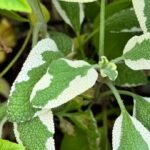
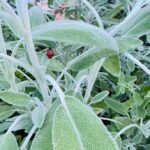
Purple sage (Salvia officinalis ‘Purpurascens’) is a colorful cultivar of common sage and belongs to the mint family. Native to the Mediterranean region, this perennial herb thrives in warm, sunny climates and adapts well to home gardens across many growing zones. Its young leaves emerge in rich shades of purple before gradually maturing into a beautiful blend of silvery green and deep violet, creating season-long visual interest.
In addition to its ornamental beauty, purple sage is prized for its earthy, slightly peppery flavor. The fragrant leaves enhance poultry, pork, roasted vegetables, soups, stuffing, sauces, herb butters, and homemade seasoning blends. During its blooming season, the plant also produces delicate purple-blue flowers that attract bees, butterflies, and other beneficial pollinators.
Why Grow Purple Sage?
Purple sage offers far more than attractive foliage. It is an herb that combines beauty, flavor, fragrance, and resilience, making it an outstanding addition to nearly any landscape.
Once established, purple sage becomes drought tolerant and requires very little maintenance. Its colorful leaves provide year-round texture in herb gardens, cottage gardens, and mixed flower borders. Gardeners also appreciate that its aromatic foliage naturally helps discourage certain garden pests while welcoming pollinators that benefit nearby vegetables and flowering plants.
Because it is both decorative and edible, purple sage serves multiple purposes in the garden, allowing you to enjoy fresh herbs while enhancing the overall appearance of your outdoor space.
Choosing the Best Location
Selecting the proper planting site is one of the most important steps in successfully growing purple sage. This herb performs best in full sun, receiving at least six to eight hours of direct sunlight each day. Bright sunlight encourages compact growth, vibrant purple coloring, and the production of flavorful essential oils within the leaves.
Although purple sage can tolerate light afternoon shade in extremely hot climates, too much shade often causes weak stems, slower growth, and less vibrant foliage.
Good air circulation is equally important. Allowing space between plants improves airflow, helping leaves dry quickly after rain or watering while reducing the risk of fungal diseases.
The Best Soil for Purple Sage
Purple sage thrives in well-draining soil with a slightly acidic to neutral pH ranging from 6.0 to 7.0. Sandy or loamy soil is ideal because it allows excess moisture to drain away from the roots.
Unlike many garden plants, purple sage does not require highly fertile soil. In fact, overly rich soil can encourage excessive leafy growth while reducing the concentration of aromatic oils that give sage its distinctive flavor and fragrance.
If your garden contains heavy clay soil, consider improving drainage with compost and coarse sand or growing purple sage in raised beds or large containers filled with a quality herb potting mix.
Planting Purple Sage
Purple sage can be started from seeds, stem cuttings, or nursery-grown transplants. While seeds are available, many gardeners choose young plants because they establish faster and provide harvestable foliage much sooner.
Plant purple sage in spring after the danger of frost has passed. Dig a hole slightly larger than the root ball and position the plant so the crown sits level with the surrounding soil. Gently backfill with soil, firm it around the roots, and water thoroughly after planting.
Space plants approximately 18 to 24 inches apart to provide enough room for mature growth and healthy air circulation.
Applying a light layer of mulch around the base helps conserve moisture and suppress weeds. Leave a small gap around the stem to prevent excess moisture from collecting against the crown.
Watering Purple Sage
Proper watering is essential during the plant’s first growing season. Water consistently while the roots become established, allowing the top layer of soil to dry slightly between waterings.
Once mature, purple sage becomes remarkably drought tolerant and generally requires only occasional deep watering during extended dry periods.
Overwatering is one of the most common reasons sage struggles. Consistently wet soil can lead to root rot, poor growth, and fungal diseases. Water deeply rather than frequently, and always allow the soil to drain well before watering again.
With the right combination of sunshine, well-draining soil, and moderate watering, purple sage will reward gardeners with colorful foliage, fragrant leaves, and years of dependable growth.
Once your purple sage is established, it quickly becomes one of the easiest herbs to maintain. With plenty of sunshine, well-draining soil, and occasional care, this hardy perennial will continue producing fragrant foliage year after year. Regular maintenance not only keeps the plant healthy but also encourages fuller growth, more vibrant foliage, and a longer harvest season.
Fertilizing Purple Sage
Purple sage is a light feeder and generally performs best without excessive fertilizer. Overfertilizing often encourages lush green growth at the expense of the concentrated essential oils that give sage its distinctive aroma and flavor.
In most gardens, mixing compost into the soil before planting provides sufficient nutrients for the growing season. If plants appear slow-growing or pale, apply a balanced, slow-release fertilizer in early spring as new growth begins. Avoid repeated applications throughout the season, as too much nitrogen can reduce both flavor and fragrance.
Container-grown plants may benefit from a diluted liquid fertilizer once every four to six weeks during active growth since nutrients wash out of pots more quickly than garden beds.
Pruning and Shaping
Regular pruning helps purple sage remain compact, healthy, and productive.
In early spring, trim away any winter-damaged stems before new growth appears. Throughout the growing season, pinch back the growing tips to encourage branching and produce a fuller, bushier plant.
After flowering, remove spent flower stalks to direct the plant’s energy back into producing fresh foliage. Avoid cutting into old, woody stems unless absolutely necessary, as mature wood often produces little new growth.
Every few years, replace older plants if they become excessively woody or sparse. Young plants typically produce the most flavorful leaves and the most attractive foliage.
Companion Planting
Purple sage grows exceptionally well alongside many vegetables, herbs, and flowering plants.
Excellent companion plants include:
Lavender, which enjoys similar growing conditions and creates a beautiful combination of purple blooms and silvery foliage.
Rosemary, offering another drought-tolerant herb with complementary textures.
Thyme, which shares nearly identical sunlight and soil requirements.
Oregano, creating an attractive and productive Mediterranean herb garden.
Cabbage, broccoli, kale, and cauliflower, as sage’s strong fragrance may help discourage cabbage moths and certain other insect pests.
Carrots and strawberries also benefit from being planted near sage, while flowering companions such as echinacea, yarrow, and salvia attract additional pollinators to the garden.
Common Pests
Purple sage is naturally resistant to many common garden pests because of its aromatic essential oils. However, occasional problems can still occur.
Aphids sometimes gather on tender new growth, especially during cool spring weather. A strong spray of water or insecticidal soap usually controls small infestations.
Spider mites may appear during hot, dry weather. Increasing humidity around nearby plants and occasionally rinsing foliage can help reduce populations.
Whiteflies occasionally feed on container-grown plants. Yellow sticky traps and encouraging beneficial insects often provide effective control.
Slugs and snails may feed on young seedlings during damp conditions but rarely damage mature plants.
Common Diseases
Most diseases affecting purple sage are related to excessive moisture or poor air circulation.
Root rot is the most serious problem and almost always results from consistently wet soil. Prevent this by planting in well-draining soil and avoiding overwatering.
Powdery mildew may develop when humidity is high and airflow is poor. Proper spacing, pruning, and watering at the soil level instead of overhead help reduce its occurrence.
Leaf spot diseases occasionally appear during prolonged wet weather. Removing affected leaves and improving air circulation usually prevents the problem from spreading.
Healthy growing conditions remain the best defense against nearly all diseases.
Harvesting Purple Sage
Purple sage can be harvested throughout the growing season once plants become well established.
Begin harvesting after the plant has developed several healthy stems. Cut individual sprigs just above a pair of leaves, allowing new branches to form below the cut.
Avoid removing more than one-third of the plant during a single harvest. Leaving plenty of foliage allows the plant to recover quickly and continue producing new growth.
Harvest during the morning after the dew has dried but before the heat of the afternoon. Essential oils are often at their highest concentration during this time, providing the richest flavor and fragrance.
Preserving Purple Sage
Fresh purple sage is excellent for immediate use, but preserving extra harvests allows you to enjoy its flavor throughout the year.
Leaves can be air-dried by hanging small bundles upside down in a warm, dry location with good airflow. Once fully dry, store them in airtight glass containers away from direct sunlight.
Purple sage also freezes well. Chop fresh leaves and place them into ice cube trays with olive oil or water before freezing. These convenient herb cubes can be added directly to soups, sauces, and roasted dishes.
Whole fresh leaves may also be frozen in airtight freezer bags for later use.
With regular harvesting, light pruning, and proper care, purple sage becomes even more productive each season, providing fragrant foliage that enhances both the garden and the kitchen.
Purple sage is far more than a beautiful herb. It is a productive perennial that enhances the garden with colorful foliage, attracts beneficial pollinators, and supplies aromatic leaves for countless culinary and household uses. With proper care, a single plant can thrive for many years, becoming one of the most dependable herbs in your garden.
Culinary Uses for Purple Sage
Purple sage is treasured for its bold, earthy flavor with subtle peppery and pine-like notes. While its taste is similar to common garden sage, its colorful leaves make it an attractive garnish as well as a flavorful ingredient.
Fresh or dried leaves pair beautifully with roasted chicken, turkey, pork, sausage, stuffing, potatoes, squash, pumpkin, mushrooms, and root vegetables. They also add depth to soups, stews, sauces, compound butters, and homemade herb breads.
One of the simplest ways to enjoy purple sage is to fry whole leaves in butter until crisp. These fragrant leaves become a delicious garnish for pasta, risotto, roasted vegetables, or creamy soups.
Purple sage can also be blended with rosemary, thyme, oregano, and parsley to create homemade poultry seasoning or Mediterranean herb mixes.
Purple Sage Beyond the Kitchen
Purple sage has been appreciated for centuries for more than its culinary value.
Its fragrant leaves are commonly used in dried wreaths, herbal sachets, potpourri, and seasonal floral arrangements. The colorful foliage retains much of its beauty after drying, making it a favorite for decorative crafts.
The flowers attract bees, butterflies, and other beneficial insects, supporting healthy pollinator populations throughout the growing season.
Purple sage also makes an excellent companion plant in vegetable gardens because its strong aroma may help discourage certain insect pests while attracting beneficial predators.
Landscaping with Purple Sage
Purple sage brings exceptional color and texture to nearly any garden design.
Its soft purple foliage contrasts beautifully with bright green herbs, flowering perennials, ornamental grasses, and silver-leaved plants. Whether planted individually or in groups, it creates visual interest throughout much of the year.
Purple sage looks especially beautiful when combined with:
Lavender for a Mediterranean-inspired herb garden.
Rosemary for contrasting textures and evergreen beauty.
Thyme to create colorful ground-level plantings.
Purple coneflowers and black-eyed Susans for pollinator gardens.
Ornamental grasses that provide movement and contrast.
Because of its compact growth habit, purple sage is also an excellent choice for borders, rock gardens, raised beds, and decorative containers.
Propagating Purple Sage
Purple sage is easy to propagate, allowing gardeners to expand their herb garden without purchasing additional plants.
Stem Cuttings
Stem cuttings provide the fastest and most reliable method.
Select a healthy, non-flowering stem approximately 4 to 6 inches long. Remove the lower leaves and place the cutting into moist potting mix or water until roots develop. Once a healthy root system forms, transplant the cutting into the garden or a container.
Division
Older plants can sometimes be divided during early spring or early fall. Carefully lift the plant, separate healthy root sections, and replant each division immediately.
Growing from Seed
Although possible, growing purple sage from seed requires patience. Germination can be slow, and seedlings often vary slightly in color and growth habit compared to the parent plant.
Many gardeners prefer cuttings because they produce exact copies of the original plant.
Overwintering Purple Sage
Purple sage is a hardy perennial in many growing regions and generally survives winter with minimal protection.
Before winter arrives, stop heavy pruning to allow the plant to harden naturally. Remove only damaged or diseased stems.
Apply a light layer of mulch around the base after the ground begins to cool. This helps regulate soil temperatures while protecting the roots from repeated freezing and thawing cycles.
In colder climates, container-grown plants can be moved into an unheated garage, greenhouse, or protected location until spring. Water sparingly during winter dormancy, allowing the soil to remain only lightly moist.
As temperatures warm in spring, remove winter protection and prune away any damaged growth to encourage fresh new shoots.
Frequently Asked Questions
Is purple sage edible?
Yes. Purple sage is completely edible and can be used anywhere common culinary sage is called for. Both the leaves and flowers are safe to enjoy.
How large does purple sage grow?
Most mature plants reach 18 to 30 inches tall and wide, depending on growing conditions and pruning.
Can purple sage grow in containers?
Absolutely. Purple sage grows exceptionally well in containers as long as the pot provides excellent drainage and receives plenty of sunlight.
How often should purple sage be watered?
Water regularly during establishment. Mature plants prefer deep but infrequent watering once the soil has partially dried.
Does purple sage come back every year?
Yes. Purple sage is a perennial in many growing zones and returns each spring with proper care.
Can the flowers be left on the plant?
Yes. The attractive purple-blue flowers provide nectar for bees, butterflies, and other pollinators. Once blooming has finished, trimming the flower stalks encourages additional leafy growth.
Bringing the Beauty of Purple Sage to Your Garden
Purple sage is one of the most rewarding herbs you can grow, offering colorful foliage, fragrant leaves, beautiful flowers, and dependable performance with relatively little maintenance. Whether you are creating a dedicated herb garden, designing a pollinator-friendly landscape, or adding interest to containers on your patio, this versatile perennial provides beauty and usefulness throughout the seasons.
From its striking purple leaves and aromatic harvests to its ability to attract beneficial insects and complement countless recipes, purple sage earns its place as both an ornamental favorite and an indispensable culinary herb. With plenty of sunshine, well-draining soil, and occasional pruning, you can enjoy healthy, productive plants that continue to thrive and enhance your garden for years to come.