Lemon Verbena and Sage: A Perfect Pair for a Fragrant and Flavorful Herb Garden
Discover how to grow lemon verbena and sage together for a fragrant, flavorful herb garden filled with culinary possibilities and beauty.
A garden can be practical and beautiful at the same time, especially when it includes herbs chosen for their fragrance, flavor, and visual appeal. Lemon verbena and sage make a particularly inviting pair. One brings a fresh, sweet citrus aroma, while the other contributes earthy fragrance, velvety foliage, and savory depth.
Growing lemon verbena and sage together creates a sensory garden that can be enjoyed every time you brush against the leaves. Their contrasting fragrances add interest without competing, and both herbs can be harvested for a wide range of culinary and household uses.
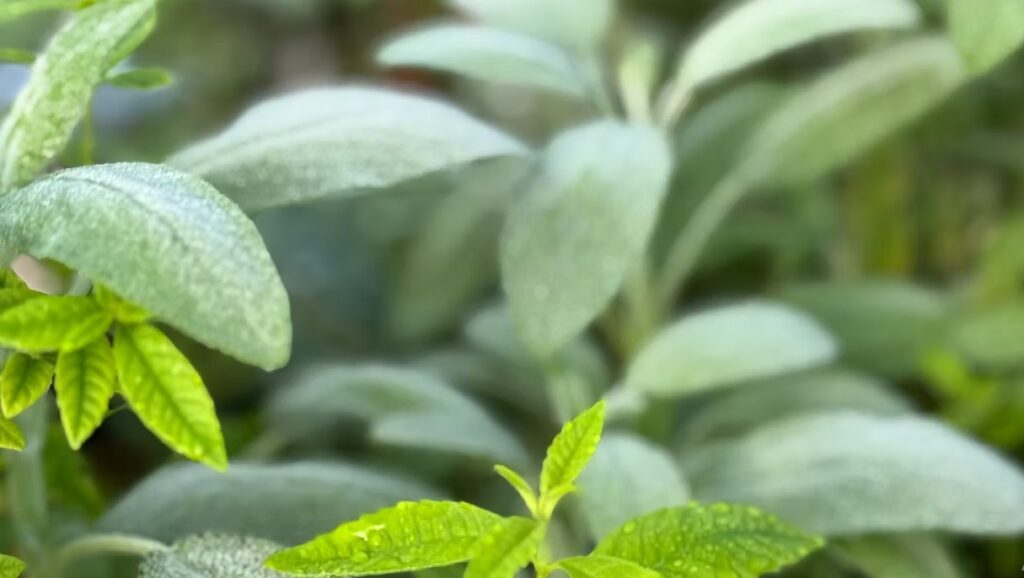
This pairing also gives the garden attractive variety. Lemon verbena grows upright with slender green leaves, while sage forms a fuller, more textured plant. When thoughtfully placed in a sunny herb bed or container display, they create a layered look that remains useful throughout the growing season.
Why Lemon Verbena and Sage Grow Well Together
Lemon verbena and sage share several important growing preferences. Both flourish in bright sunlight, appreciate well-draining soil, and perform poorly when their roots remain consistently wet. These similarities make it easier to place them in the same garden area.
Their growth habits, however, are different enough to create visual contrast. Lemon verbena can become tall and somewhat open in appearance, especially in warm climates where it has a long growing season. Sage generally stays lower and develops a bushier form. Positioning lemon verbena behind sage allows both plants to receive sunlight while creating a naturally layered herb garden.
Spacing is important because mature plants need air circulation. Avoid crowding the herbs against one another, particularly in humid climates. Adequate space can help the foliage dry after rain or watering and may reduce problems associated with excessive moisture.
A Beautiful Contrast of Fragrance
Lemon verbena is prized for its exceptionally bright citrus fragrance. The leaves release a clean, lemony aroma when touched, making the plant a lovely addition near patios, garden paths, gates, and seating areas.
Sage offers a completely different aromatic experience. Its fragrance is warm, earthy, slightly peppery, and resinous. Depending on the variety, the scent may range from mild and herbaceous to noticeably pungent.
Together, the two herbs create a balanced fragrance garden. Lemon verbena supplies an uplifting citrus note, while sage adds depth and warmth. Planting them where people naturally pass by encourages interaction and makes their aroma part of the garden experience.
Flavor and Culinary Possibilities
Lemon verbena has a concentrated citrus flavor that can be used to add lemon character without the acidity of fresh lemon juice. Its leaves are often used to infuse teas, syrups, sugars, fruit dishes, baked goods, and creamy desserts. The leaves can be somewhat firm, so they are frequently removed after infusing unless they have been very finely chopped.
Sage has a savory, woodsy flavor that pairs especially well with roasted vegetables, poultry, pork, beans, squash, browned butter, and hearty autumn dishes. Because its flavor can become intense, sage is usually most successful when used with a light hand.
Although lemon verbena and sage have contrasting flavor profiles, they can complement one another in carefully balanced applications. Their combination works particularly well in herbal teas, infused honey, compound butter, seasonal fruit preparations, and aromatic herb blends. Lemon verbena brightens the mixture, while sage adds a grounding savory quality.
Flavor intensity can vary according to plant variety, growing conditions, leaf age, and harvest time. Taste a small piece of each herb before deciding how much to use.
Choosing the Right Garden Location
Select a location that receives at least six hours of direct sunlight on most days. In extremely hot climates, lemon verbena may appreciate some protection from intense late-afternoon sun. Sage generally prefers abundant sunlight and may become sparse or stretched when grown in too much shade.
Good drainage is essential for both plants. Sage is especially sensitive to consistently soggy soil. If the garden has dense clay or collects water after rain, consider growing the herbs in raised beds or containers filled with a well-draining potting mix.
Lemon verbena may grow considerably taller than sage, so place it where it will not shade its companion. In a traditional garden bed, plant lemon verbena toward the back and sage near the front. Leave enough room around each plant for its expected mature size, which can vary by cultivar and climate.
Watering Lemon Verbena and Sage
Newly planted herbs need regular attention while their roots become established. Water them deeply, then allow the upper layer of soil to begin drying before watering again. The goal is evenly managed moisture without creating constantly saturated conditions.
Established sage is generally more tolerant of dry soil than lemon verbena. If both herbs are planted in the same bed, check the soil rather than watering according to a rigid schedule. Lemon verbena may begin to wilt when it becomes too dry, while overwatered sage may develop weak growth or root problems.
Watering at the base of the plants helps keep the foliage dry. A light layer of mulch can help moderate soil moisture, but keep mulch away from the crowns and stems to prevent damp conditions around the plants.
Pruning and Harvesting for Healthy Growth
Regular harvesting helps both herbs remain attractive and productive. Pinch or trim lemon verbena during active growth to encourage branching and prevent the plant from becoming excessively leggy. Harvest stems above a set of healthy leaves so the plant can produce new growth from that point.
Sage also benefits from routine harvesting and light shaping. Remove individual leaves or short stems as needed, but avoid cutting deeply into old, woody growth unless the variety responds well to rejuvenation pruning. A light trim after flowering can help maintain a compact shape.
For the best quality, harvest clean, healthy leaves before the plants are stressed by intense midday heat. Use fresh leaves promptly or preserve them by drying or freezing, depending on how they will be used.
Growing Lemon Verbena and Sage in Containers
Containers are an excellent choice for this herb pairing, particularly in areas with cold winters. Use separate pots or a very large shared planter so each plant has adequate root space. Every container should have drainage holes, and excess water should be able to escape freely.
Container-grown herbs may need more frequent watering than plants growing in the ground, but the soil should never remain continuously saturated. Check the soil regularly during hot weather and water when appropriate for each plant.
Growing lemon verbena in a movable container is especially helpful in colder regions. The plant is sensitive to frost and may need to be brought into a protected location before freezing weather arrives. Sage is usually more cold-tolerant, although hardiness varies among species and cultivars.
Seasonal Care and Cold-Weather Considerations
Lemon verbena is a tender perennial in warm climates and is often grown as an annual or overwintered indoors in colder regions. It may lose its leaves and appear dormant as temperatures fall. This leaf drop does not always mean the plant has died, so avoid discarding it before checking the stems for signs of life.
Many culinary sage varieties are perennial and can survive cold winters when planted in suitable conditions. Winter survival depends on the variety, local climate, drainage, exposure, and the severity of seasonal weather. Wet winter soil can be especially damaging.
Before purchasing either plant, check the label for its botanical name, expected mature size, and recommended hardiness range. Local nurseries and extension resources can also provide guidance suited to the region.
Supporting Pollinators and Garden Diversity
When permitted to flower, sage can attract bees and other pollinating insects. Its blossoms add seasonal color and make it a valuable addition to an edible landscape.
Lemon verbena may also flower under favorable conditions, although it is more commonly grown for its aromatic foliage. Together, the herbs contribute texture, fragrance, and ecological interest to the garden.
Gardeners who want to harvest plenty of sage leaves while still supporting pollinators can allow some stems to flower and trim others to maintain fresh foliage. This approach creates a balance between culinary productivity and ornamental value.
Designing a Fragrant Herb Garden
Lemon verbena and sage work beautifully as the foundation of a fragrant garden. Their contrasting shapes can be complemented by thyme, rosemary, lavender, chives, or other herbs suited to the same sunlight and drainage conditions.
Place the tallest plants toward the back of a border and use compact herbs along the edge. In containers, combine different pot heights and foliage colors to create a more dynamic display. A decorative label or garden marker can help visitors identify each herb and understand how it may be used.
For maximum enjoyment, grow these herbs near an outdoor dining area, kitchen entrance, or frequently used walkway. Their fragrance becomes most noticeable when the leaves are touched, making them ideal for interactive garden spaces.
A Pairing That Engages the Senses
Lemon verbena and sage bring more than culinary usefulness to the garden. Their aromatic leaves, contrasting textures, and distinct growth habits create a planting that feels lively and intentional.
With sufficient sunlight, well-draining soil, thoughtful watering, and regular harvesting, these herbs can remain productive and attractive throughout the growing season. Whether planted in a sunny border, raised bed, or collection of patio containers, lemon verbena and sage offer a memorable combination of fragrance, flavor, and natural beauty.
Fresh lemon verbena and velvety sage create a beautiful contrast in the herb garden.
Discover how to grow sage with this complete guide to planting, sunlight, soil, watering, pruning, harvesting, varieties, containers, and winter care. Sage is a timeless herb that brings fragrance, flavor, texture, and understated beauty to the garden. Its velvety leaves, woody stems, and delicate flowers make it equally valuable in an edible landscape, ornamental border, container garden, or dedicated herb bed. Once established in suitable conditions, sage is also relatively easy to maintain. Common culinary sage, botanically known as Salvia officinalis, is a Mediterranean herb in the mint family. It is best known for its earthy flavor and silvery green foliage, but its value reaches far beyond the kitchen. A mature sage plant can soften garden edges, complement flowering perennials, and produce blossoms that attract bees, butterflies, and other visiting pollinators. Whether you want fresh leaves for cooking, fragrant foliage for seasonal crafts, or a beautiful perennial for a sunny garden, this sage growing guide will help you choose, plant, care for, harvest, and enjoy this remarkable herb. Understanding the Sage Plant The name sage can refer to many plants within the large Salvia genus. Some are grown primarily for ornamental flowers, while others are prized for their edible leaves. If your goal is to grow sage for cooking, look for a plant labeled Salvia officinalis, common sage, garden sage, or culinary sage. Common sage develops woody stems as it matures and typically grows into a compact, shrubby plant. Its soft, aromatic leaves are usually gray-green, although cultivated varieties may display purple, golden, cream, or variegated foliage. Depending on the variety and growing conditions, common sage may reach approximately 18 to 30 inches tall and wide. Its flower spikes often appear from late spring into summer, producing shades of blue, lavender, purple, pink, or white. Bloom time varies according to the cultivar, regional climate, and seasonal weather. The Beauty and Benefits of Growing Sage Sage offers a distinctive combination of culinary usefulness and ornamental appeal. The softly textured leaves provide a beautiful contrast to glossy foliage, fine ornamental grasses, and brightly colored flowers. Sage can be used along a pathway, near a patio, in a rock garden, or as part of a drought-tolerant planting design. Its flowers provide nectar for visiting pollinators. Allowing at least some flower spikes to remain can make a sage plant especially valuable in an herb garden designed to support bees and butterflies. Sage is also well suited to water-conscious gardens once its roots are established. It generally tolerates short dry periods better than continuously wet soil. This preference makes it a natural companion for other Mediterranean herbs, including lavender, rosemary, oregano, marjoram, and thyme, as long as every plant receives the drainage and winter protection it requires. In the kitchen, sage contributes a savory, woodsy flavor to poultry, roasted vegetables, soups, sauces, beans, breads, and holiday dishes. Because its flavor can be assertive, a small amount is often enough to transform a dish. Popular Types of Culinary Sage Common sage is the familiar gray-green variety traditionally used in cooking. Its aromatic leaves and classic appearance make it a dependable choice for kitchen gardens. Purple sage has richly colored young foliage that matures toward a muted green or gray-green shade. It adds dramatic color to mixed borders and herb containers while offering the familiar flavor associated with culinary sage. Tricolor sage features gray-green leaves edged with cream and touched with pink or purple. It is especially attractive in decorative containers, although variegated varieties may grow more slowly than standard common sage. Golden sage brightens the garden with green and yellow foliage. Its cheerful coloring works well along sunny borders or beside darker-leaved plants. Berggarten sage is known for its broad leaves and compact growth. Its relatively restrained flowering can encourage continued leaf production, making it an appealing selection for gardeners focused on culinary harvesting. Flavor and growth can vary among cultivars. Always confirm the botanical name and check the plant label before using an unfamiliar sage in food. Ornamental plants called sage are not automatically interchangeable with culinary sage. Choosing the Best Location Sage performs best in a sunny location with excellent drainage. In many gardens, six or more hours of direct sunlight encourages sturdy growth, concentrated fragrance, and attractive foliage. Plants grown with insufficient light may become loose, leggy, or inclined to sprawl. In regions with extremely hot summers, a little protection from intense late-afternoon sun may help reduce heat stress. Local conditions matter, so observe how quickly the soil dries and how the plant responds to seasonal temperatures. Good air circulation is also important. Avoid crowding sage between larger plants or placing it where wet foliage remains enclosed for long periods. Thoughtful spacing allows the plant to dry more efficiently after rain and can reduce conditions that favor fungal problems. Preparing the Soil Drainage is one of the most important considerations when growing sage. The plant prefers soil that releases excess water quickly rather than remaining saturated around the roots. Persistently wet soil can cause declining growth and may lead to root or crown rot. Loose, moderately fertile soil is generally sufficient. Sage does not require especially rich ground, and excessive fertility may encourage soft growth with less concentrated flavor. If the planting area contains dense clay or holds standing water after rain, consider using a raised bed, a mound, or a container filled with a free-draining potting mix. Adding organic matter may improve soil structure, but compost alone cannot correct every drainage problem. In a chronically wet location, moving the plant to a better site is often more effective than repeatedly amending the planting hole. Planting Sage in the Garden Spring is a convenient time to plant sage in areas with cold winters because it gives the roots time to establish before freezing weather. In mild climates, early fall may also be suitable if the plant has enough time to settle in before cold or prolonged rainy conditions arrive. Position the plant at approximately the same depth it occupied in its nursery
Learn how to grow purple sage with tips for planting, sunlight, soil, watering, pruning, harvesting, container care, and winter protection. Purple sage brings rich color, savory fragrance, and culinary versatility to the garden. Its velvety leaves emerge in shades of violet, burgundy, and smoky purple before sometimes maturing to a muted purple-green. Whether planted in an herb bed, tucked along a sunny border, or displayed in a decorative container, this striking herb provides beauty throughout much of the growing season. A colorful form of common culinary sage, purple sage is generally grown in much the same way as traditional green sage. It prefers abundant sunshine, fast-draining soil, moderate watering, and good air circulation. Once established, it can tolerate relatively dry conditions, making it a practical choice for water-conscious gardens. Purple sage is also an excellent edible ornamental. The leaves can flavor roasted vegetables, poultry, sauces, stuffing, compound butter, and other savory dishes. With the right growing conditions and a little seasonal maintenance, the plant can remain productive and attractive for several years. What Is Purple Sage? The name purple sage can describe more than one plant, so proper identification is important. In culinary herb gardens, it usually refers to a purple-leaved form of common sage, Salvia officinalis, often sold under cultivar names such as ‘Purpurascens’ or ‘Purpurea.’ This edible sage should not be confused with ornamental shrubs that are also commonly called purple sage, including species of Leucophyllum. When purchasing a plant for cooking, check the botanical name and make sure it is identified as an edible form of Salvia officinalis. Culinary purple sage has aromatic, softly textured leaves with the familiar earthy and slightly peppery flavor associated with garden sage. Young leaves often display the deepest purple color, while mature foliage may develop green, gray, or silver tones. The plant may also produce spikes of blue-violet flowers that attract bees and other pollinating insects. Is Purple Sage a Perennial? Purple culinary sage is an evergreen or semi-evergreen perennial in climates that suit it. Its exact hardiness depends on the cultivar, local winter temperatures, drainage, and exposure. In colder areas, it may lose foliage, suffer winter damage, or need to be grown as an annual or overwintered in a protected container. Wet winter soil is often more damaging than cold temperatures alone. A sunny, sheltered location with excellent drainage gives the roots a better chance of surviving the dormant season. Gardeners near the colder edge of the plant’s range may benefit from placing it near a warm wall or growing it in a pot that can be moved to a protected location. The Best Time to Plant Purple Sage Spring is usually the best time to plant purple sage. Planting after the danger of severe frost has passed gives the roots an entire growing season to become established before winter. In regions with mild winters and long autumns, early fall planting may also work if the plant has enough time to develop roots before cold or persistently wet weather arrives. Nursery-grown plants provide the fastest and most reliable start. Purple-leaved cultivars are best propagated from cuttings or divisions when maintaining a particular color and growth habit matters. Plants grown from seed may show more variation and may not retain the same deep-purple foliage as the parent plant. Choosing the Right Location Select a location that receives at least six hours of direct sunlight on most days. Full sun encourages compact growth, aromatic foliage, and strong color. Purple sage can tolerate some light afternoon shade in very hot climates, but too much shade may produce thin stems, sparse growth, and greener leaves. Good air circulation is equally important. Avoid crowding purple sage between larger plants or placing it where wet foliage remains enclosed for long periods. Adequate spacing helps the leaves dry after rain and may reduce the likelihood of fungal problems. Because purple sage generally stays fairly compact, it fits easily into mixed herb gardens, raised beds, Mediterranean-style plantings, and sunny borders. Mature size varies by cultivar and growing conditions, so follow the spacing information provided with the plant. Preparing the Soil Purple sage grows best in loose, well-drained soil. Sandy or gravelly soil is often suitable because excess water can move away from the roots quickly. Heavy clay that remains wet may cause weak growth and root problems. If the planting site drains slowly, amend the broader growing area with organic matter and consider planting in a raised bed. Avoid creating a small planting hole filled only with rich material because water can collect around the root ball when the surrounding soil is dense. Purple sage does not need extremely fertile soil. Excessive nitrogen can encourage soft, floppy growth with less concentrated flavor. A modest amount of finished compost is usually enough to improve the soil without overwhelming the plant. How to Plant Purple Sage Dig a hole approximately as deep as the root ball and somewhat wider. Remove the plant from its container and gently loosen tightly circling roots. Position it so that the top of the root ball is level with the surrounding soil. Fill around the roots with soil, press gently to remove large air pockets, and water thoroughly. Keep the soil lightly moist while the plant establishes, but do not leave it saturated. Once new growth appears and the roots begin extending into the surrounding soil, watering can gradually become less frequent. Avoid piling mulch directly against the crown. A thin layer of gravel or another quick-drying mulch can help suppress weeds without holding excessive moisture around the stems. Growing Purple Sage in Containers Purple sage is well suited to container gardening and looks especially attractive in pots that complement its dark foliage. Choose a container with one or more unobstructed drainage holes. A breathable terracotta pot can be useful in humid or rainy climates because it allows the potting mix to dry more readily. Fill the container with a loose, high-quality potting mix formulated for good drainage. Do not use dense garden soil
Here, you will learn all about chive blossoms and parsley, including how companion planting helps both herbs thrive, the many benefits they bring to your garden, and the delicious ways to use them in everyday cooking. Whether you are creating a thriving kitchen garden or looking for fresh inspiration in the kitchen, chive blossoms and parsley are a versatile pairing that offers beauty, flavor, and abundant harvests throughout the growing season. There is something incredibly satisfying about walking into your garden, brushing your hand across a patch of fragrant herbs, and gathering a handful of fresh parsley alongside a few vibrant purple chive blossoms. Moments like these remind us that a garden is more than a place to grow food. It is a space where beauty, nature, and fresh ingredients come together to inspire every meal. Among the many herbs you can grow, chives and parsley are one of the easiest and most rewarding companion planting combinations. They thrive under similar growing conditions, complement one another beautifully, and provide fresh harvests from spring through fall. Their partnership benefits not only your kitchen but your entire garden by attracting pollinators, supporting beneficial insects, and helping create a healthier growing environment. Whether you are planting a large kitchen garden, filling raised beds, or growing herbs in containers on your patio, chive blossoms and parsley are a pairing that delivers season after season. Their fresh flavors elevate everyday meals, while their graceful appearance adds charm and color to any outdoor space. A Perfect Partnership in the Herb Garden Companion planting is the practice of growing plants together that naturally benefit one another. Some companion plants improve soil conditions, others attract pollinators, while some help reduce pest problems or make better use of available growing space. Chives and parsley check nearly every one of those boxes. Parsley grows in lush, leafy mounds that remain attractive throughout much of the growing season. Chives produce slender green leaves that eventually give way to beautiful globe-shaped blossoms in shades of lavender and purple. Together they create layers of texture and color that look just as lovely in ornamental gardens as they do in vegetable beds. Their similar care requirements also make them easy companions. Both appreciate fertile soil, regular watering, and plenty of sunshine, allowing gardeners to care for both herbs using the same routine. For anyone just beginning an herb garden, this combination is an excellent place to start. Why Companion Planting Matters Healthy gardens are built on diversity. Instead of growing a single crop in isolation, companion planting encourages a balanced ecosystem where plants, pollinators, and beneficial insects work together. Every herb contributes something unique to the garden. Parsley provides dense foliage that helps shade the soil and reduce moisture loss. Chives contribute their distinctive onion aroma while producing nectar-rich flowers that become gathering places for pollinating insects. Together they create an environment where plants thrive naturally. Rather than viewing herbs simply as ingredients for cooking, companion planting reminds us that every plant plays an important role in supporting the health of the entire garden. Chives Help Naturally Discourage Garden Pests One reason gardeners have planted chives throughout vegetable gardens for generations is their reputation for helping reduce certain insect problems. As members of the onion family, chives contain sulfur compounds responsible for their mild onion fragrance. While people enjoy this familiar aroma, many insects do not. Growing chives near parsley may help discourage aphids, Japanese beetles, spider mites, and several other common garden pests. Although companion planting is not a replacement for good garden management, it can become an important part of an organic gardening strategy by encouraging healthier plants and reducing stress caused by insect activity. Many gardeners also plant chives near tomatoes, carrots, strawberries, roses, peppers, and apple trees for the very same reason. Chive Blossoms Bring Your Garden to Life If there is one reason never to cut every chive flower before it opens, it is the incredible number of beneficial insects they attract. As spring transitions into early summer, chives produce clusters of soft purple blossoms that quickly become one of the busiest places in the garden. Honeybees eagerly gather nectar from the flowers while native bees move from bloom to bloom collecting pollen. Butterflies drift through the blossoms, adding movement and beauty to the landscape, while hoverflies quietly perform double duty by feeding on nectar as adults and helping control aphids during their larval stage. Watching these visitors move through your herb garden is one of the simple pleasures of gardening. Their presence also benefits nearby vegetables, fruit trees, berry bushes, and flowering plants that depend on pollination for healthy harvests. Growing Chives and Parsley Together One of the reasons these herbs are so popular is because they are wonderfully uncomplicated. Choose a location that receives at least six hours of sunlight each day. While chives love full sun, parsley appreciates a little afternoon shade during periods of intense summer heat, especially in warmer climates. Plant both herbs in fertile, well-drained soil enriched with compost. Rich organic matter encourages vigorous growth while helping retain moisture between waterings. Water regularly, keeping the soil evenly moist without allowing it to become soggy. Applying a layer of mulch around the plants helps regulate soil temperature, conserve moisture, and reduce weed growth. With only a little routine care, both herbs will reward you with months of fresh harvests. Beautiful in Every Garden Style One of the joys of growing herbs is their versatility. Chives and parsley look equally at home in formal herb gardens, rustic cottage gardens, raised beds, decorative borders, and patio containers. The upright foliage and cheerful blossoms of chives create natural height, while parsley fills the surrounding space with rich green leaves. The contrast between soft purple flowers and vibrant green foliage creates a timeless combination that looks attractive from spring until frost. Many gardeners intentionally plant these herbs near walkways or seating areas where their fragrance and colorful blooms can be enjoyed every day. Other Plants That Thrive
Originally published
March 2026
Updated
August 2026
Reviewed by
Culibloom