Purple Sage Growing Guide: How to Grow and Care for This Beautiful Culinary Herb
Learn how to grow purple sage with tips for planting, sunlight, soil, watering, pruning, harvesting, container care, and winter protection.
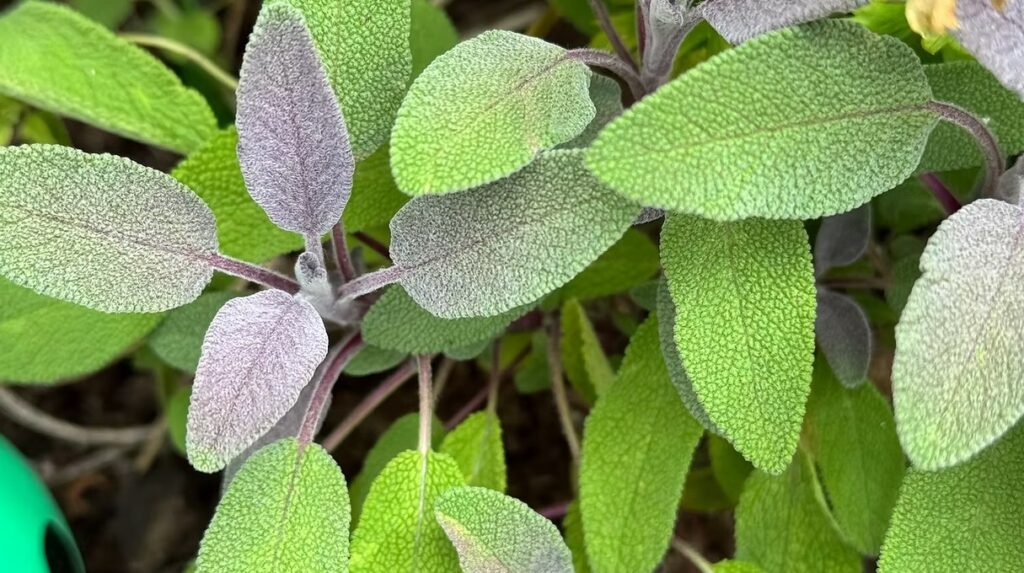
Purple sage brings rich color, savory fragrance, and culinary versatility to the garden. Its velvety leaves emerge in shades of violet, burgundy, and smoky purple before sometimes maturing to a muted purple-green. Whether planted in an herb bed, tucked along a sunny border, or displayed in a decorative container, this striking herb provides beauty throughout much of the growing season.
A colorful form of common culinary sage, purple sage is generally grown in much the same way as traditional green sage. It prefers abundant sunshine, fast-draining soil, moderate watering, and good air circulation. Once established, it can tolerate relatively dry conditions, making it a practical choice for water-conscious gardens.
Purple sage is also an excellent edible ornamental. The leaves can flavor roasted vegetables, poultry, sauces, stuffing, compound butter, and other savory dishes. With the right growing conditions and a little seasonal maintenance, the plant can remain productive and attractive for several years.
What Is Purple Sage?
The name purple sage can describe more than one plant, so proper identification is important. In culinary herb gardens, it usually refers to a purple-leaved form of common sage, Salvia officinalis, often sold under cultivar names such as ‘Purpurascens’ or ‘Purpurea.’
This edible sage should not be confused with ornamental shrubs that are also commonly called purple sage, including species of Leucophyllum. When purchasing a plant for cooking, check the botanical name and make sure it is identified as an edible form of Salvia officinalis.
Culinary purple sage has aromatic, softly textured leaves with the familiar earthy and slightly peppery flavor associated with garden sage. Young leaves often display the deepest purple color, while mature foliage may develop green, gray, or silver tones. The plant may also produce spikes of blue-violet flowers that attract bees and other pollinating insects.
Is Purple Sage a Perennial?
Purple culinary sage is an evergreen or semi-evergreen perennial in climates that suit it. Its exact hardiness depends on the cultivar, local winter temperatures, drainage, and exposure. In colder areas, it may lose foliage, suffer winter damage, or need to be grown as an annual or overwintered in a protected container.
Wet winter soil is often more damaging than cold temperatures alone. A sunny, sheltered location with excellent drainage gives the roots a better chance of surviving the dormant season. Gardeners near the colder edge of the plant’s range may benefit from placing it near a warm wall or growing it in a pot that can be moved to a protected location.
The Best Time to Plant Purple Sage
Spring is usually the best time to plant purple sage. Planting after the danger of severe frost has passed gives the roots an entire growing season to become established before winter. In regions with mild winters and long autumns, early fall planting may also work if the plant has enough time to develop roots before cold or persistently wet weather arrives.
Nursery-grown plants provide the fastest and most reliable start. Purple-leaved cultivars are best propagated from cuttings or divisions when maintaining a particular color and growth habit matters. Plants grown from seed may show more variation and may not retain the same deep-purple foliage as the parent plant.
Choosing the Right Location
Select a location that receives at least six hours of direct sunlight on most days. Full sun encourages compact growth, aromatic foliage, and strong color. Purple sage can tolerate some light afternoon shade in very hot climates, but too much shade may produce thin stems, sparse growth, and greener leaves.
Good air circulation is equally important. Avoid crowding purple sage between larger plants or placing it where wet foliage remains enclosed for long periods. Adequate spacing helps the leaves dry after rain and may reduce the likelihood of fungal problems.
Because purple sage generally stays fairly compact, it fits easily into mixed herb gardens, raised beds, Mediterranean-style plantings, and sunny borders. Mature size varies by cultivar and growing conditions, so follow the spacing information provided with the plant.
Preparing the Soil
Purple sage grows best in loose, well-drained soil. Sandy or gravelly soil is often suitable because excess water can move away from the roots quickly. Heavy clay that remains wet may cause weak growth and root problems.
If the planting site drains slowly, amend the broader growing area with organic matter and consider planting in a raised bed. Avoid creating a small planting hole filled only with rich material because water can collect around the root ball when the surrounding soil is dense.
Purple sage does not need extremely fertile soil. Excessive nitrogen can encourage soft, floppy growth with less concentrated flavor. A modest amount of finished compost is usually enough to improve the soil without overwhelming the plant.
How to Plant Purple Sage
Dig a hole approximately as deep as the root ball and somewhat wider. Remove the plant from its container and gently loosen tightly circling roots. Position it so that the top of the root ball is level with the surrounding soil.
Fill around the roots with soil, press gently to remove large air pockets, and water thoroughly. Keep the soil lightly moist while the plant establishes, but do not leave it saturated. Once new growth appears and the roots begin extending into the surrounding soil, watering can gradually become less frequent.
Avoid piling mulch directly against the crown. A thin layer of gravel or another quick-drying mulch can help suppress weeds without holding excessive moisture around the stems.
Growing Purple Sage in Containers
Purple sage is well suited to container gardening and looks especially attractive in pots that complement its dark foliage. Choose a container with one or more unobstructed drainage holes. A breathable terracotta pot can be useful in humid or rainy climates because it allows the potting mix to dry more readily.
Fill the container with a loose, high-quality potting mix formulated for good drainage. Do not use dense garden soil by itself because it can compact inside the pot. Place the container in a sunny location and rotate it occasionally if one side receives more light than the other.
Container-grown plants usually dry more quickly than those growing in the ground, so check them regularly during warm weather. Water when the upper layer of potting mix feels dry, then allow excess water to drain completely. Never leave the container standing in a saucer filled with water.
How Often to Water Purple Sage
Newly planted sage needs consistent moisture while its roots become established. The goal is lightly moist soil, not constant wetness. Once established, purple sage generally tolerates short dry periods better than waterlogged conditions.
Water deeply and allow the soil to begin drying before watering again. The appropriate schedule will vary with temperature, rainfall, soil type, container size, and plant maturity. Instead of following a fixed calendar, check the soil and observe the plant.
Water at the base whenever possible. Frequently wetting the foliage, especially late in the day, may encourage leaf spotting or mildew in humid conditions. Morning watering gives accidental splashes time to dry.
Fertilizing Purple Sage
Purple sage is not a heavy feeder. Plants growing in average garden soil may need little supplemental fertilizer, particularly when compost was added before planting.
If growth appears weak and other problems such as insufficient light, poor drainage, or root damage have been ruled out, apply a light feeding appropriate for edible herbs. Container-grown plants may need occasional feeding because nutrients gradually wash out of the potting mix. Follow the product instructions and avoid overfertilizing, which can reduce the plant’s naturally compact form.
Pruning for Healthy Growth
Light pruning encourages purple sage to branch and produce fresh foliage. Pinch or trim the growing tips during spring and early summer, removing only a small portion at a time. Regular harvesting often provides enough gentle pruning to keep a young plant full.
Established plants may benefit from a more thorough trim in spring after new growth becomes visible. Remove dead, damaged, or winter-burned stems, but avoid cutting deeply into bare, old wood unless living buds are clearly present. Older woody stems do not always regenerate reliably.
Do not prune heavily late in the growing season in cold climates. Tender new growth stimulated by late pruning may be vulnerable to frost.
How to Harvest Purple Sage
Harvest individual leaves or short stem tips after the plant is growing actively. Morning is often a good time to gather herbs, once surface moisture has dried but before intense afternoon heat.
Use clean scissors or garden snips to make neat cuts above a leaf node. Take small amounts from throughout the plant rather than stripping one entire section. Avoid removing too much foliage at once, especially from young, stressed, or recently transplanted plants.
Sage leaves can be used fresh, dried, or frozen. Fresh leaves have a robust flavor, so begin with a modest amount and adjust according to the dish. If the plant flowers, the edible leaves remain usable, although their flavor and texture may change as the plant directs energy toward blooming.
Culinary Uses for Purple Sage
Purple sage can generally be used anywhere common garden sage is appropriate. Its earthy flavor pairs particularly well with poultry, pork, winter squash, potatoes, beans, mushrooms, brown butter, and hearty grains.
Fresh leaves can be finely chopped for sauces and compound butter or added sparingly to soups and savory fillings. Whole leaves can also be fried until crisp for a colorful garnish. Dried purple sage is more concentrated, so less may be needed when replacing fresh leaves.
Always confirm that the plant is an edible Salvia officinalis cultivar and has not been treated with chemicals unsuitable for culinary plants. Wash harvested leaves gently under cool water and dry them before use.
Encouraging Deep Purple Foliage
Leaf color is influenced by genetics as well as the growing environment. A properly identified purple cultivar should naturally produce violet or burgundy tones, especially in younger foliage.
Bright light generally supports stronger pigmentation and compact growth. Seasonal temperatures can also affect color, with some plants displaying deeper purple shades during cooler weather. Leaves may become greener as they mature or when the plant receives less direct sunlight.
A change in color does not necessarily mean that the plant is unhealthy. Evaluate the entire plant, including stem strength, leaf texture, new growth, and soil moisture, before making major adjustments.
Flowers and Pollinator Value
Mature purple sage may produce upright flower spikes, usually in shades of blue or violet. These blossoms add another layer of color and can provide nectar for bees and other beneficial insects.
Gardeners who want maximum leaf production can remove flower stalks as they appear. Those who value pollinator activity and ornamental appeal can allow some blossoms to remain. Trimming spent stalks later helps redirect the plant’s energy toward foliage.
Flowering time and intensity depend on the cultivar, climate, plant maturity, and seasonal conditions.
Common Purple Sage Problems
Overwatering is one of the most frequent problems. Yellowing leaves, soft stems, wilting in wet soil, or a declining crown may indicate poor drainage or root damage. Let the soil dry appropriately and correct the drainage rather than adding more water automatically.
Powdery mildew and other fungal issues can appear when plants are crowded, shaded, or frequently wet. Improve spacing, increase sunlight when possible, water near the soil, and remove severely affected material.
Aphids, spider mites, whiteflies, or spittlebugs may occasionally appear. Examine the undersides of leaves and the points where stems meet. Minor infestations can often be reduced with a firm stream of water or careful removal. When using any treatment, select one labeled for edible herbs and follow all directions, including the required interval before harvesting.
Leggy growth usually points to inadequate sunlight, overcrowding, excessive fertilizer, or a lack of pruning. Moving container plants to brighter light and trimming actively growing tips can help produce a fuller shape.
Winter Care
In mild climates, purple sage may remain leafy through winter. Reduce watering as growth slows and allow the soil to dry between waterings. Avoid heavy fertilization because the plant does not need a flush of tender growth during the cool season.
In colder climates, protect the roots with a light layer of dry mulch after the ground begins to cool, while keeping material away from the crown. Container-grown sage is more exposed to freezing temperatures because cold air surrounds the root ball. Move pots to a sheltered, unheated location when necessary and provide only enough water to keep the roots from becoming completely desiccated.
Winter protection cannot compensate for chronically soggy soil. Good drainage remains one of the most important factors in successful overwintering.
Replacing Older Purple Sage Plants
Sage naturally becomes woody with age. Even with regular pruning, an older plant may develop bare stems, fewer leaves, and an open center. Taking cuttings from healthy growth allows gardeners to produce younger replacement plants while preserving the characteristics of a favorite cultivar.
Replace plants that remain weak after drainage, light, and care problems have been corrected. Starting a new plant before the old one declines completely helps maintain a steady supply of culinary leaves.
Companion Planting and Garden Design
Purple sage makes a handsome contrast beside silver-leaved herbs, green rosemary, flowering thyme, lavender, and other plants that appreciate sun and well-drained soil. Its dusky foliage can also soften the edge of a raised bed or add depth to a container arrangement.
Choose companions with similar moisture needs. Plants that require constantly damp soil are less suitable because maintaining their preferred conditions can leave sage roots too wet.
Allow enough space for air movement and future growth. Purple sage is most attractive when it can develop a naturally rounded form without being overwhelmed by faster-growing neighbors.
A Colorful Herb for the Kitchen Garden
Purple sage offers much more than attractive foliage. It is a fragrant culinary herb, a pollinator-friendly flowering plant, and a versatile addition to sunny containers and garden beds. Its combination of color and usefulness makes it especially valuable in small gardens where every plant needs to serve more than one purpose.
The key to growing healthy purple sage is simple: provide plenty of sunlight, fast-draining soil, careful watering, and regular light harvesting. With conditions suited to its needs, this beautiful herb can supply flavorful leaves while bringing rich purple tones to the garden.
Soft, textured purple sage leaves add beautiful color and fragrance to the herb garden.
Discover how to grow sage with this complete guide to planting, sunlight, soil, watering, pruning, harvesting, varieties, containers, and winter care. Sage is a timeless herb that brings fragrance, flavor, texture, and understated beauty to the garden. Its velvety leaves, woody stems, and delicate flowers make it equally valuable in an edible landscape, ornamental border, container garden, or dedicated herb bed. Once established in suitable conditions, sage is also relatively easy to maintain. Common culinary sage, botanically known as Salvia officinalis, is a Mediterranean herb in the mint family. It is best known for its earthy flavor and silvery green foliage, but its value reaches far beyond the kitchen. A mature sage plant can soften garden edges, complement flowering perennials, and produce blossoms that attract bees, butterflies, and other visiting pollinators. Whether you want fresh leaves for cooking, fragrant foliage for seasonal crafts, or a beautiful perennial for a sunny garden, this sage growing guide will help you choose, plant, care for, harvest, and enjoy this remarkable herb. Understanding the Sage Plant The name sage can refer to many plants within the large Salvia genus. Some are grown primarily for ornamental flowers, while others are prized for their edible leaves. If your goal is to grow sage for cooking, look for a plant labeled Salvia officinalis, common sage, garden sage, or culinary sage. Common sage develops woody stems as it matures and typically grows into a compact, shrubby plant. Its soft, aromatic leaves are usually gray-green, although cultivated varieties may display purple, golden, cream, or variegated foliage. Depending on the variety and growing conditions, common sage may reach approximately 18 to 30 inches tall and wide. Its flower spikes often appear from late spring into summer, producing shades of blue, lavender, purple, pink, or white. Bloom time varies according to the cultivar, regional climate, and seasonal weather. The Beauty and Benefits of Growing Sage Sage offers a distinctive combination of culinary usefulness and ornamental appeal. The softly textured leaves provide a beautiful contrast to glossy foliage, fine ornamental grasses, and brightly colored flowers. Sage can be used along a pathway, near a patio, in a rock garden, or as part of a drought-tolerant planting design. Its flowers provide nectar for visiting pollinators. Allowing at least some flower spikes to remain can make a sage plant especially valuable in an herb garden designed to support bees and butterflies. Sage is also well suited to water-conscious gardens once its roots are established. It generally tolerates short dry periods better than continuously wet soil. This preference makes it a natural companion for other Mediterranean herbs, including lavender, rosemary, oregano, marjoram, and thyme, as long as every plant receives the drainage and winter protection it requires. In the kitchen, sage contributes a savory, woodsy flavor to poultry, roasted vegetables, soups, sauces, beans, breads, and holiday dishes. Because its flavor can be assertive, a small amount is often enough to transform a dish. Popular Types of Culinary Sage Common sage is the familiar gray-green variety traditionally used in cooking. Its aromatic leaves and classic appearance make it a dependable choice for kitchen gardens. Purple sage has richly colored young foliage that matures toward a muted green or gray-green shade. It adds dramatic color to mixed borders and herb containers while offering the familiar flavor associated with culinary sage. Tricolor sage features gray-green leaves edged with cream and touched with pink or purple. It is especially attractive in decorative containers, although variegated varieties may grow more slowly than standard common sage. Golden sage brightens the garden with green and yellow foliage. Its cheerful coloring works well along sunny borders or beside darker-leaved plants. Berggarten sage is known for its broad leaves and compact growth. Its relatively restrained flowering can encourage continued leaf production, making it an appealing selection for gardeners focused on culinary harvesting. Flavor and growth can vary among cultivars. Always confirm the botanical name and check the plant label before using an unfamiliar sage in food. Ornamental plants called sage are not automatically interchangeable with culinary sage. Choosing the Best Location Sage performs best in a sunny location with excellent drainage. In many gardens, six or more hours of direct sunlight encourages sturdy growth, concentrated fragrance, and attractive foliage. Plants grown with insufficient light may become loose, leggy, or inclined to sprawl. In regions with extremely hot summers, a little protection from intense late-afternoon sun may help reduce heat stress. Local conditions matter, so observe how quickly the soil dries and how the plant responds to seasonal temperatures. Good air circulation is also important. Avoid crowding sage between larger plants or placing it where wet foliage remains enclosed for long periods. Thoughtful spacing allows the plant to dry more efficiently after rain and can reduce conditions that favor fungal problems. Preparing the Soil Drainage is one of the most important considerations when growing sage. The plant prefers soil that releases excess water quickly rather than remaining saturated around the roots. Persistently wet soil can cause declining growth and may lead to root or crown rot. Loose, moderately fertile soil is generally sufficient. Sage does not require especially rich ground, and excessive fertility may encourage soft growth with less concentrated flavor. If the planting area contains dense clay or holds standing water after rain, consider using a raised bed, a mound, or a container filled with a free-draining potting mix. Adding organic matter may improve soil structure, but compost alone cannot correct every drainage problem. In a chronically wet location, moving the plant to a better site is often more effective than repeatedly amending the planting hole. Planting Sage in the Garden Spring is a convenient time to plant sage in areas with cold winters because it gives the roots time to establish before freezing weather. In mild climates, early fall may also be suitable if the plant has enough time to settle in before cold or prolonged rainy conditions arrive. Position the plant at approximately the same depth it occupied in its nursery
Discover how to grow Bi-Colored Sage, a beautiful flowering herb known for its striking two-toned blooms, fragrant foliage, culinary uses, and ability to attract hummingbirds, butterflies, and bees. If you are looking for a plant that offers vibrant color, delightful fragrance, and practical uses in the kitchen, Bi-Colored Sage deserves a place in your garden. This beautiful member of the Salvia family is admired for its eye-catching two-toned flowers, aromatic foliage, and remarkable ability to attract hummingbirds, butterflies, and bees. It is equally at home in herb gardens, cottage gardens, pollinator landscapes, and decorative containers, making it one of the most versatile plants you can grow. Bi-Colored Sage is much more than an ornamental perennial. Its long blooming season fills the garden with brilliant color from late spring through fall, while its fragrant leaves add texture and interest even when the plant is not in bloom. Many gardeners appreciate its drought tolerance and easy-care nature, making it an excellent choice for both experienced gardeners and those just beginning to grow herbs and flowering perennials. What Is Bi-Colored Sage? Bi-Colored Sage is a decorative variety of salvia that produces striking flowers featuring two complementary colors on each bloom. Depending on the cultivar, flowers may display combinations of purple and white, burgundy and cream, lavender and white, or shades of blue and violet. These vibrant blossoms grow on tall flower spikes that rise gracefully above the aromatic green foliage, creating a colorful display that lasts for months. Like many members of the mint family, the leaves release a pleasant herbal fragrance when touched, adding another layer of enjoyment to the garden. The plant’s upright growth habit and abundant flowers make it a standout choice for borders, raised beds, mixed perennial gardens, and pollinator-friendly landscapes. A Garden Favorite for Every Season One of the reasons gardeners love Bi-Colored Sage is its exceptionally long blooming period. While many flowering plants provide only a few weeks of color, Bi-Colored Sage continues producing flower spikes from late spring well into autumn. As older blooms fade, new ones quickly replace them, creating a continuous display that keeps the garden lively throughout the growing season. The colorful blossoms also serve an important purpose beyond their beauty. Their tubular shape is perfectly designed for hummingbirds, while butterflies, honeybees, and native bees eagerly visit the nectar-rich flowers every day. Planting several Bi-Colored Sage plants together creates a vibrant feeding station that supports pollinators for months. Growing Bi-Colored Sage Bi-Colored Sage thrives in sunny locations where it receives at least six hours of direct sunlight each day. Plenty of sunshine encourages stronger stems, fuller growth, and an abundance of colorful blooms. The plant grows best in well-drained soil and adapts to sandy, loamy, or rocky conditions. Once established, it becomes highly drought tolerant, making it an excellent choice for gardeners who want a beautiful landscape without frequent watering. During its first growing season, water regularly to help establish a healthy root system. After that, deep watering during extended dry periods is usually all that is needed. Avoid overly wet soil, as excessive moisture can lead to root rot and other fungal problems. Adding compost each spring helps replenish nutrients naturally. If additional feeding is desired, a balanced slow-release fertilizer applied once in early spring is generally sufficient. Overfertilizing should be avoided because it encourages leafy growth at the expense of flowers. Culinary Uses Although many salvias are grown strictly as ornamental plants, certain Bi-Colored Sage varieties produce edible leaves that offer a mild, earthy flavor similar to traditional culinary sage. Before harvesting any leaves, it is important to confirm that the variety you are growing is intended for culinary use. When harvested from an edible variety, the fragrant leaves can enhance a wide range of savory dishes. They pair beautifully with roasted chicken, turkey, pork, lamb, and beef, while also adding rich herbal flavor to stuffing, roasted potatoes, pasta sauces, soups, stews, risotto, and vegetable dishes. Fresh leaves can be finely chopped into herb butter, infused into olive oil or vinegar, or blended into marinades for grilled meats and vegetables. Larger leaves become wonderfully crisp when lightly fried, creating a flavorful garnish for creamy soups, pumpkin dishes, squash, pasta, and roasted vegetables. Some edible Bi-Colored Sage varieties also produce attractive flowers that can be used as edible garnishes. Their colorful blooms add elegance to fresh salads, charcuterie boards, desserts, herbal teas, and refreshing summer beverages while providing a subtle herbal note. Easy Maintenance Bi-Colored Sage is prized for being one of the easiest flowering herbs to maintain. Removing spent flower spikes encourages continuous blooming and helps the plant remain neat and attractive throughout the season. If the plant becomes slightly leggy during the summer, a light trim encourages fuller growth and additional flower production. In late winter or early spring, cut the previous year’s stems back before fresh growth begins. This simple annual pruning keeps the plant healthy and encourages vigorous new growth each season. Common Pests and Diseases One of the many advantages of growing Bi-Colored Sage is its natural resistance to many common garden problems. Healthy plants rarely experience significant pest or disease issues. Occasionally, aphids, spider mites, or whiteflies may appear, especially during periods of hot, dry weather. Powdery mildew can develop if plants are overcrowded and air circulation is poor, while root rot may occur in soils that remain consistently wet. Planting in well-drained soil and providing adequate spacing between plants helps prevent most problems before they begin. Beautiful Landscape Companion Bi-Colored Sage blends effortlessly with many popular flowering perennials, creating colorful displays that last from spring through fall. It looks especially beautiful when planted alongside lavender, coneflowers, yarrow, blanket flowers, black-eyed Susans, gaura, coreopsis, and ornamental grasses. Its upright flower spikes provide height and texture, while its fragrant foliage creates an attractive backdrop for neighboring plants. Whether growing in borders, herb gardens, containers, or pollinator beds, Bi-Colored Sage brings color, movement, and life to every corner of the garden. Why Gardeners Love Bi-Colored Sage Bi-Colored
Discover how to grow lemon verbena and sage together for a fragrant, flavorful herb garden filled with culinary possibilities and beauty. A garden can be practical and beautiful at the same time, especially when it includes herbs chosen for their fragrance, flavor, and visual appeal. Lemon verbena and sage make a particularly inviting pair. One brings a fresh, sweet citrus aroma, while the other contributes earthy fragrance, velvety foliage, and savory depth. Growing lemon verbena and sage together creates a sensory garden that can be enjoyed every time you brush against the leaves. Their contrasting fragrances add interest without competing, and both herbs can be harvested for a wide range of culinary and household uses. This pairing also gives the garden attractive variety. Lemon verbena grows upright with slender green leaves, while sage forms a fuller, more textured plant. When thoughtfully placed in a sunny herb bed or container display, they create a layered look that remains useful throughout the growing season. Why Lemon Verbena and Sage Grow Well Together Lemon verbena and sage share several important growing preferences. Both flourish in bright sunlight, appreciate well-draining soil, and perform poorly when their roots remain consistently wet. These similarities make it easier to place them in the same garden area. Their growth habits, however, are different enough to create visual contrast. Lemon verbena can become tall and somewhat open in appearance, especially in warm climates where it has a long growing season. Sage generally stays lower and develops a bushier form. Positioning lemon verbena behind sage allows both plants to receive sunlight while creating a naturally layered herb garden. Spacing is important because mature plants need air circulation. Avoid crowding the herbs against one another, particularly in humid climates. Adequate space can help the foliage dry after rain or watering and may reduce problems associated with excessive moisture. A Beautiful Contrast of Fragrance Lemon verbena is prized for its exceptionally bright citrus fragrance. The leaves release a clean, lemony aroma when touched, making the plant a lovely addition near patios, garden paths, gates, and seating areas. Sage offers a completely different aromatic experience. Its fragrance is warm, earthy, slightly peppery, and resinous. Depending on the variety, the scent may range from mild and herbaceous to noticeably pungent. Together, the two herbs create a balanced fragrance garden. Lemon verbena supplies an uplifting citrus note, while sage adds depth and warmth. Planting them where people naturally pass by encourages interaction and makes their aroma part of the garden experience. Flavor and Culinary Possibilities Lemon verbena has a concentrated citrus flavor that can be used to add lemon character without the acidity of fresh lemon juice. Its leaves are often used to infuse teas, syrups, sugars, fruit dishes, baked goods, and creamy desserts. The leaves can be somewhat firm, so they are frequently removed after infusing unless they have been very finely chopped. Sage has a savory, woodsy flavor that pairs especially well with roasted vegetables, poultry, pork, beans, squash, browned butter, and hearty autumn dishes. Because its flavor can become intense, sage is usually most successful when used with a light hand. Although lemon verbena and sage have contrasting flavor profiles, they can complement one another in carefully balanced applications. Their combination works particularly well in herbal teas, infused honey, compound butter, seasonal fruit preparations, and aromatic herb blends. Lemon verbena brightens the mixture, while sage adds a grounding savory quality. Flavor intensity can vary according to plant variety, growing conditions, leaf age, and harvest time. Taste a small piece of each herb before deciding how much to use. Choosing the Right Garden Location Select a location that receives at least six hours of direct sunlight on most days. In extremely hot climates, lemon verbena may appreciate some protection from intense late-afternoon sun. Sage generally prefers abundant sunlight and may become sparse or stretched when grown in too much shade. Good drainage is essential for both plants. Sage is especially sensitive to consistently soggy soil. If the garden has dense clay or collects water after rain, consider growing the herbs in raised beds or containers filled with a well-draining potting mix. Lemon verbena may grow considerably taller than sage, so place it where it will not shade its companion. In a traditional garden bed, plant lemon verbena toward the back and sage near the front. Leave enough room around each plant for its expected mature size, which can vary by cultivar and climate. Watering Lemon Verbena and Sage Newly planted herbs need regular attention while their roots become established. Water them deeply, then allow the upper layer of soil to begin drying before watering again. The goal is evenly managed moisture without creating constantly saturated conditions. Established sage is generally more tolerant of dry soil than lemon verbena. If both herbs are planted in the same bed, check the soil rather than watering according to a rigid schedule. Lemon verbena may begin to wilt when it becomes too dry, while overwatered sage may develop weak growth or root problems. Watering at the base of the plants helps keep the foliage dry. A light layer of mulch can help moderate soil moisture, but keep mulch away from the crowns and stems to prevent damp conditions around the plants. Pruning and Harvesting for Healthy Growth Regular harvesting helps both herbs remain attractive and productive. Pinch or trim lemon verbena during active growth to encourage branching and prevent the plant from becoming excessively leggy. Harvest stems above a set of healthy leaves so the plant can produce new growth from that point. Sage also benefits from routine harvesting and light shaping. Remove individual leaves or short stems as needed, but avoid cutting deeply into old, woody growth unless the variety responds well to rejuvenation pruning. A light trim after flowering can help maintain a compact shape. For the best quality, harvest clean, healthy leaves before the plants are stressed by intense midday heat. Use fresh leaves promptly or preserve them by drying or freezing, depending
Originally published
March 2026
Updated
August 2026
Reviewed by
Culibloom