Red Mini Vanda Orchid: A Brilliant Jewel for Your Tropical Garden
Discover how to grow and care for a Red Mini Vanda Orchid with guidance on light, watering, humidity, feeding, baskets, blooming, and tropical garden design.
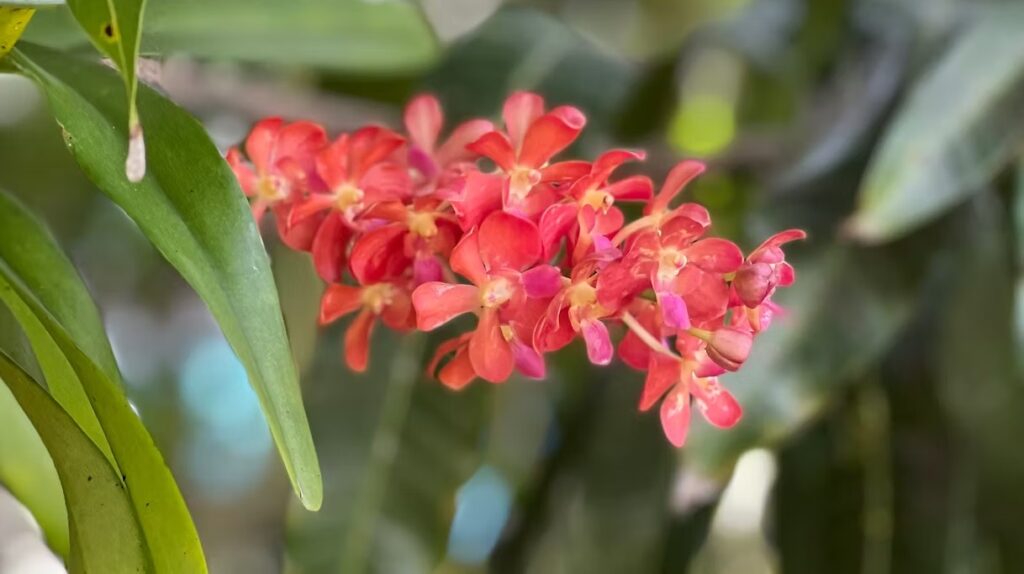
The Red Mini Vanda Orchid brings the radiant beauty of a tropical orchid into a more compact, garden-friendly form. Its vivid flowers glow in shades ranging from scarlet and coral to crimson and red-orange, creating a striking contrast against the plant’s green leaves and silvery aerial roots.
Miniature Vanda orchids are especially appealing to gardeners who want dazzling color without the imposing size of a traditional Vanda. They can brighten a tropical courtyard, shaded patio, greenhouse, orchid display, or warm indoor growing space. Their smaller stature also makes them easier to arrange in hanging baskets and decorative containers.
Many plants sold as red mini Vandas are hybrids rather than one standardized cultivar. Their exact flower color, mature size, temperature tolerance, fragrance, and blooming season can vary according to their parentage. Keeping the plant label is important because it may provide the hybrid name and more specific care information.
What Makes the Red Mini Vanda Orchid Special?
The Red Mini Vanda Orchid combines dramatic flowers with a tidy, upright growth habit. Some compact hybrids owe their smaller size and brilliant coloring to Vanda species formerly classified in the genus Ascocentrum. These plants helped introduce dwarf growth and vivid colors into modern Vanda breeding.
Like other Vandas, miniature varieties are typically epiphytes. In nature, epiphytic orchids grow on trees or other supports rather than rooting in ordinary garden soil. Their exposed roots absorb water and nutrients while receiving generous airflow.
The roots are part of the plant’s character and should not be hidden simply for appearance. Healthy aerial roots are generally firm, with a pale or silvery surface when dry. They often become green after watering.
Choosing the Best Location
Light is one of the most important factors in keeping a Red Mini Vanda Orchid healthy and encouraging it to bloom. A suitable location provides bright light while protecting strap-like leaves from sudden exposure to intense midday sun.
In a tropical garden, the plant may thrive beneath a high tree canopy, under shade cloth, or in another area with bright, filtered sunlight. Morning sun can be beneficial when the plant has been gradually acclimated to it. Dark green, soft growth and a lack of flowers may indicate insufficient light, while bleached patches or dry brown areas can be signs of sun damage.
Indoor cultivation can be more challenging because Vandas require abundant light, humidity, and air circulation. A compact hybrid may adapt to a bright south-facing, east-facing, or west-facing window, depending on its background and the intensity of the local sunlight. Supplemental grow lights may be helpful in dim climates or during winter.
Warmth, Humidity, and Air Movement
Most Vanda hybrids prefer warm growing conditions. The American Orchid Society gives a general range of approximately 70°F to 95°F during the day and 55°F to 72°F at night, although the ideal range depends on the species or hybrids in the plant’s ancestry. When the genetic background is unknown, protecting the orchid from nights below 60°F is a cautious approach. American Orchid Society
Gardeners in warm, frost-free regions may be able to display these orchids outdoors for much or all of the year. In cooler climates, they are better treated as portable patio plants that can be moved indoors before temperatures become unsuitable. Avoid placing the orchid near a heater, cold draft, or air-conditioning vent.
Humidity helps exposed roots remain hydrated, but humid air must be balanced with consistent circulation. Crowded, stagnant conditions can encourage disease, especially when water remains trapped around the leaves or crown.
Watering Exposed Vanda Roots
A Red Mini Vanda Orchid needs a cycle of thorough watering followed by drying. The roots should be completely moistened, but they should not remain continually waterlogged.
Plants growing bare-root in open baskets can dry quickly and may require daily watering during hot, bright weather. Some may need additional attention when conditions are exceptionally hot, windy, or dry. A plant growing in coarse bark usually dries more slowly, so its watering schedule should be adjusted accordingly.
Watering early in the day allows moisture on the leaves and crown to evaporate before evening. Use lukewarm water and allow it to flow freely through the basket or container. North Carolina Extension recommends a fast-drying arrangement, such as coarse bark, lava rock, an open basket, or no medium, because Vanda roots need exceptional drainage and air movement. North Carolina Extension Gardener Plant Toolbox
Rather than following a rigid calendar, observe the roots, temperature, light, humidity, and drying rate. Wrinkled leaves or roots can indicate dehydration, but damaged roots may also prevent a plant from absorbing water effectively.
Feeding for Healthy Growth and Flowers
Regular, moderate feeding can support new roots, leaves, and flower spikes. During active growth, use a balanced orchid fertilizer at a diluted strength according to the product label. Applying a mild solution regularly is generally safer than giving an occasional heavy dose.
Periodically watering thoroughly with plain water can help reduce fertilizer salt accumulation. This is especially important for orchids growing in baskets with only a small amount of medium. Reduce feeding when growth slows, light levels decrease, or cooler conditions cause the plant to use less water.
Fertilizer cannot compensate for unsuitable light, unhealthy roots, or improper watering. If a mature plant grows but does not bloom, evaluate its light exposure and overall health before increasing fertilizer.
Baskets, Mounts, and Containers
Open wooden or plastic baskets are classic choices for miniature Vandas because they accommodate aerial roots and provide excellent circulation. Mounted plants can also make beautiful vertical displays, particularly in humid environments where frequent watering is practical.
A small, highly ventilated orchid pot filled with coarse bark or another fast-draining orchid medium may be more manageable in a dry home. Never place a Vanda in dense potting soil. Ordinary garden soil retains too much moisture and limits the airflow its roots require.
Repot only when necessary, such as when the medium has decomposed, the basket has deteriorated, or the plant has clearly outgrown its support. Moisten the roots before handling them so they are more flexible. Avoid cutting healthy roots merely to make the plant fit a decorative container.
Encouraging the Red Mini Vanda Orchid to Bloom
A well-established mini Vanda may flower more than once under favorable conditions, although frequency varies among hybrids. Strong light, healthy roots, warmth, regular hydration, gentle feeding, and stable care all contribute to flowering.
Flower spikes usually emerge from the leaf axils along the main stem. Once buds appear, avoid abrupt changes in temperature, light, and watering. Thrips can damage developing buds, so inspect the plant carefully if buds become discolored, distorted, or fail to open.
After flowering, cut the spent spike with a clean, sterilized tool. Do not remove healthy leaves or roots. Continue the regular care routine so the orchid can rebuild its energy and produce future growth.
Common Problems to Watch For
Yellowing, spotting, or leaf loss may result from several different problems, including excessive sun, cold exposure, irregular watering, root damage, or disease. A single symptom is not enough to identify the cause, so consider the entire growing environment.
Soft, dark tissue near the crown or leaf bases requires prompt attention. Improve airflow, keep water from sitting in the crown, and separate a suspicious plant from the rest of the collection. Scale, mealybugs, spider mites, and thrips can also affect orchids. Check leaf joints, roots, flower spikes, and the undersides of leaves regularly.
When treatment is needed, select a product labeled for orchids and the specific pest or disease involved. Follow the label carefully and test unfamiliar treatments on a small area when appropriate.
Designing a Tropical Display
A Red Mini Vanda Orchid naturally draws attention, making it an ideal focal point in a layered tropical display. Its saturated color looks especially vibrant beside lush green foliage, dark-leaved tropical plants, and orchids with white, yellow, or soft pink flowers.
Hang the orchid where its roots can cascade freely and where its flowers can be viewed without crowding. A weathered wooden basket creates a natural appearance, while a dark metal support can give the display a more contemporary character.
Because neighboring plants can alter shade, humidity, and airflow, allow enough space around the Vanda for its roots and leaves to dry properly. This thoughtful spacing also gives its jewel-toned flowers the visual prominence they deserve.
A Small Orchid with Spectacular Presence
The Red Mini Vanda Orchid offers an unforgettable combination of brilliant color, sculptural roots, and compact growth. It is not a plant for dark rooms or dense soil, but it can become a rewarding centerpiece when given bright light, warmth, humidity, airflow, and attentive watering.
Whether suspended beneath a tropical canopy, arranged on a sheltered patio, or displayed in a bright indoor orchid collection, this miniature beauty brings the atmosphere of an exotic garden into a surprisingly small space.
Red mini Vanda orchids bring vivid tropical color to the garden.
Learn how to grow a Vanda orchid on a tree with the right light, watering, mounting method, humidity, fertilizer, and tropical garden care. Growing a Vanda orchid on a tree creates a spectacular living display filled with cascading aerial roots, glossy foliage, and brilliantly colored flowers. This natural growing style closely resembles how Vanda orchids live in tropical and subtropical forests, where their roots cling to trees while remaining exposed to rain, humidity, and moving air. Unlike parasitic plants, Vanda orchids do not take water or nutrients from their host trees. They are epiphytes, which means they use trees for physical support. Their specialized aerial roots absorb moisture and dissolved nutrients from rain, humid air, and organic matter that washes across the bark. Mounting a Vanda orchid on a tree can be an excellent long-term growing method in a warm, humid climate. Choosing the right location, protecting the roots during attachment, and providing dependable moisture while the orchid becomes established will help create a healthy plant that looks as though it grew there naturally. Why Vanda Orchids Grow Well on Trees Vanda orchids are tropical plants with thick aerial roots adapted to open, airy conditions. These roots are covered by a spongy outer layer called velamen, which absorbs water quickly and helps protect the living tissue inside. When a Vanda is confined in a dense or poorly drained potting medium, its roots may remain wet for too long. A tree mount allows water to drain immediately while air circulates freely around the root system. This balance of moisture and ventilation is one of the reasons Vandas perform so well in baskets, on slabs, and directly on trees. A living tree can also create a favorable microclimate. Its canopy may provide filtered sunlight, protection from intense afternoon heat, and slightly higher humidity around the orchid. The best conditions will depend on the tree, the surrounding landscape, and the type of Vanda being grown. Choosing the Right Climate Permanent outdoor mounting is most successful in frost-free tropical and subtropical regions. Vandas generally prefer warm days, warm nights, high humidity, and dependable air circulation. Cold weather can damage the leaves, roots, buds, and flowers. If temperatures in your area regularly become cool, attaching the orchid permanently to a landscape tree may not be practical. A removable wood mount or hanging basket can provide a similar natural appearance while allowing the plant to be moved into a protected location during cold weather. Local conditions matter more than a general climate-zone recommendation. A sheltered urban garden, exposed coastal property, elevated inland landscape, and humid courtyard can produce very different growing environments. Observe the temperature, sunlight, wind, and moisture patterns around the chosen tree throughout the year. Selecting a Healthy Host Tree Choose a mature, healthy tree that is not scheduled for pruning, removal, or chemical treatment. Avoid attaching an orchid to a weak, diseased, heavily shedding, or unstable tree. Textured bark gives new roots a surface they can grip. Rough bark is usually easier for an orchid to colonize than extremely smooth or peeling bark. However, the tree must also provide the correct amount of light and protection. An evergreen tree often offers more consistent shade throughout the year. A deciduous tree may expose the orchid to dramatically stronger sunlight after its leaves fall. Before selecting a position, consider how the canopy changes with the seasons. The orchid should be placed where it can be reached safely for watering and maintenance. A visible location near a patio, walkway, or frequently used garden area also makes it easier to enjoy the flowers and notice developing problems. Finding the Best Light Vanda orchids need bright light to grow vigorously and flower well, but the correct intensity depends partly on their foliage. Strap-leaved Vandas, which have broad, flat leaves, generally perform best in bright filtered light or dappled sunlight. Terete and semi-terete types have narrower, more cylindrical leaves and may tolerate stronger sun when they have been gradually acclimated. Gentle morning sun followed by bright filtered light is often a good starting point. Harsh afternoon sun can overheat or scorch a plant that was previously grown in a shaded greenhouse or indoor environment. Healthy leaves are commonly medium green. Very dark green foliage may indicate that the orchid is not receiving enough light to flower well. Pale, yellowish, or scorched areas may indicate excessive light, heat stress, or another cultural problem. Make lighting changes gradually so the plant has time to adjust. When to Mount a Vanda Orchid Warm weather and active root growth provide the best conditions for mounting. Look for fresh root tips, which often appear green, glossy, and actively elongating. These new roots are more likely to attach to bark than older, inactive roots. Avoid mounting immediately before unusually cold, dry, or stormy weather. The orchid will need consistent care until enough roots have secured themselves to the tree. A newly purchased Vanda may also benefit from a short adjustment period before mounting. This gives you time to inspect the leaves, stem, and roots for pests or disease and to acclimate the plant gradually to its new light level. How to Attach a Vanda Orchid to a Tree Remove the orchid carefully from its basket or container if necessary. Take away loose or decomposed growing material without pulling forcefully on healthy roots. Vanda roots can crack when bent, especially when they are dry, so soaking or thoroughly watering them first can make them more flexible. Position the orchid upright against the trunk or a sturdy branch. Place the base of the plant close to the bark while allowing the roots to spread naturally. Do not bury the crown, pack soil around the roots, or force the roots into an unnatural arrangement. Secure the orchid with a soft, flexible material that will not cut into the stem or host tree. Biodegradable garden ties, strips of soft cloth, or other gentle supports can hold the plant firmly while the roots attach. Avoid bare wire, fishing line,
Discover how to grow purple and pink Vanda orchids with guidance on light, watering, humidity, temperature, feeding, repotting, and reblooming. Purple and pink Vanda orchids bring brilliant tropical color, sculptural foliage, and cascading aerial roots to an orchid collection. Their large, waxy flowers often feature saturated shades of violet, lavender, magenta, blush, or rose. Some varieties display delicate veining, spots, contrasting lips, or subtle color gradients that make every flower look hand-painted. Vandas are tropical epiphytic orchids, which means they naturally grow attached to trees or rocky surfaces rather than rooted in ordinary garden soil. Their thick aerial roots absorb water and nutrients while remaining exposed to the air. This growth habit gives the plants their distinctive appearance, but it also creates different care requirements from those of orchids grown in moisture-retentive potting mixes. A purple or pink Vanda can become a spectacular focal point when it receives abundant light, warmth, humidity, water, and air movement. These orchids may require more attention than beginner-friendly Phalaenopsis orchids, especially in a dry home. Once the right environment is established, however, healthy Vandas can reward attentive growers with dramatic flower spikes and long-lasting blooms. What Makes Purple and Pink Vanda Orchids Special? Vanda flowers are admired for their bold color, rounded form, and substantial texture. The blooms usually appear along upright or gently arching flower spikes that emerge from the leaf axils. Depending on the species or hybrid, individual flowers may range from a few inches across to exceptionally large statement blooms. Purple and pink coloration occurs throughout cultivated Vanda hybrids. Flowers may be solid violet, soft lavender, fuchsia, raspberry pink, pale blush, or a combination of several shades. Blue-purple Vandas are especially prized because intense blue and violet tones are relatively unusual among cultivated orchids. Most Vandas grow upward from a single central stem. This is known as monopodial growth. New leaves develop near the top of the plant while older leaves remain below, creating an upright fan of leathery, strap-shaped foliage. Healthy plants also produce numerous aerial roots that may extend well beyond the basket or container. Choosing a Healthy Vanda Orchid Look beyond the flowers when selecting a Vanda orchid. A plant with a strong root system and healthy foliage is more likely to adapt successfully after being brought home. Healthy aerial roots are generally firm and plump rather than hollow, papery, or mushy. Dry roots often appear silver or gray, while recently watered roots typically become greener. Active root tips may be green, reddish-purple, or another color associated with the particular hybrid. The leaves should feel firm and display an even green color appropriate for the variety. Avoid plants with widespread yellowing, deep wrinkles, blackened areas, soft tissue, or a foul smell. Inspect the undersides of the leaves, flower buds, roots, and leaf joints for scale, mealybugs, thrips, or other pests. Do not choose a plant solely because it has the greatest number of open flowers. A Vanda with healthy roots, clean foliage, and an emerging flower spike may offer a longer display after it adjusts to its new growing space. The Best Light for Vanda Orchids Light is one of the most important factors affecting Vanda growth and flowering. These orchids generally require brighter conditions than many common houseplant orchids. A plant that receives insufficient light may continue producing leaves but fail to flower. Indoors, place a Vanda near a bright south-, east-, or west-facing window, adjusting its position according to the intensity of the sunlight. Bright filtered light or carefully managed morning sun can be beneficial. Harsh midday sunlight through glass may overheat or scorch the leaves, particularly when a plant has not been gradually acclimated. Outdoor Vandas often flourish beneath light shade cloth, under a high tree canopy, or in another location that provides bright, dappled light. Introduce a plant to stronger outdoor light gradually. Moving it immediately from a protected indoor space into direct sun can cause permanent leaf damage. Leaf color can offer a useful clue about light levels. Very dark green foliage may indicate that a plant needs more light, while yellow-green leaves, bleached patches, or dry brown areas can signal excessive exposure. Because light needs vary among species and hybrids, the plant’s identification label should guide any adjustments. Temperature and Humidity Requirements Most commonly cultivated Vandas prefer warm conditions. Many grow well with daytime temperatures around 70°F to 95°F and nighttime temperatures around 55°F to 72°F. Some high-elevation species and their hybrids prefer cooler conditions, so it is important to identify the plant whenever possible. Protect Vandas from frost, cold drafts, and sudden temperature changes. Gardeners in frost-free tropical or subtropical climates may be able to grow them outdoors throughout the year. In cooler regions, they can spend warm months outside and return indoors before nights become too cold. High humidity helps keep exposed roots from drying too rapidly. A humidifier can be particularly valuable in an air-conditioned or heated home. A humidity tray may have a modest local effect, but the container must remain above the water rather than sitting in it. Humidity must be balanced with dependable air movement. Stagnant, damp conditions encourage bacterial and fungal problems. A gentle fan, an open window when weather permits, or generous spacing between plants can help moisture evaporate from leaves and flower crevices. How to Water a Vanda Orchid Vandas prefer a thorough wetting followed by a quick drying period. Their watering frequency depends on temperature, humidity, air circulation, light, root exposure, and the type of container or growing medium. Bare-root and basket-grown Vandas may require daily watering during hot, bright weather. In very warm and dry conditions, they may need additional attention. Potted plants growing in coarse bark usually dry more slowly and should be watered according to the condition of the roots and medium rather than a fixed calendar. Thoroughly wet the roots with lukewarm water until they turn greener and appear fully hydrated. Allow excess water to drain freely. The roots should then receive ample air and begin drying
Learn how to grow orange Vanda orchids with the right light, water, humidity, temperature, fertilizer, and care for stunning tropical blooms. Orange Vanda orchids bring intense tropical color to a home, greenhouse, patio, or warm-climate garden. Their flowers may appear in shades ranging from golden orange and apricot to tangerine, coral, and fiery red-orange. Many varieties also feature speckles, net-like markings, or contrasting centers that make every bloom look hand-painted. Vandas are tropical epiphytic orchids that naturally grow on trees and rocky surfaces rather than in ordinary garden soil. Their thick aerial roots absorb moisture and nutrients from the surrounding environment while remaining exposed to moving air. Understanding this growth habit is the key to keeping an orange Vanda healthy. These orchids need more light, warmth, humidity, and water than many familiar houseplants. They can be demanding indoors, but growers who provide bright conditions and consistent care are rewarded with dramatic, long-lasting flowers. Choosing an Orange Vanda Orchid Orange is a flower color rather than a single Vanda species or variety. Many orange Vandas sold by orchid nurseries are hybrids selected for their vivid coloring, substantial flowers, and dependable performance under warm growing conditions. Choose a plant with firm leaves, an upright stem, and an active root system. Healthy Vanda roots are generally thick and firm. Dry roots may look silvery or pale, while hydrated roots often become noticeably greener. Avoid plants with a foul odor, soft black areas, collapsing leaves, or mushy roots. Minor cosmetic marks are not always serious, but spreading brown or black lesions may indicate disease or damaged tissue. Whenever possible, keep the plant’s identification tag. Different Vanda species and hybrids can have somewhat different preferences, especially regarding nighttime temperatures, seasonal cooling, and light intensity. Give Orange Vandas Abundant Light Light is one of the most important factors influencing Vanda growth and flowering. A plant may remain alive in a dim location while failing to produce flower spikes. Provide very bright light while protecting the leaves from a sudden transition into intense midday sun. Strap-leaved Vandas often appreciate bright, filtered conditions, while orchids with more cylindrical leaves may tolerate stronger exposure. Because hybrid backgrounds vary, the plant’s nursery tag and the grower’s instructions should guide the final placement. An east-facing or exceptionally bright south-facing exposure may work for compact hybrids indoors. Full-size Vandas can be difficult to flower inside an ordinary home because window light and humidity may be insufficient. Supplemental grow lights can help when natural light is limited. Move plants into stronger light gradually. Leaves that become bleached, yellow, or scorched may be receiving too much direct sunlight or may have been moved too quickly. Very dark green foliage and weak flowering can indicate inadequate light. The American Orchid Society considers light especially important for Vanda flowering and recommends adjusting exposure for the plant’s leaf type, climate, and growing environment. American Orchid Society Vanda Culture Sheet Maintain Warm Tropical Temperatures Most commonly cultivated Vandas prefer warm conditions. The American Orchid Society gives a general daytime range of approximately 70°F to 95°F and a nighttime range of 55°F to 72°F, although individual species and hybrids may differ. If the plant’s background is unknown, protect it from temperatures below 60°F whenever practical. Exposure to cold can damage warm-growing hybrids and contribute to leaf loss. Some high-elevation species and their descendants prefer cooler conditions, which is another reason to retain the plant’s identification label. Vandas may tolerate very warm days when they also receive sufficient humidity, hydration, shade, and air circulation. Heat becomes more stressful when roots dry too rapidly or air remains stagnant. Growers in cooler climates can move Vandas outdoors after nighttime temperatures become reliably warm. Bring them inside before autumn temperatures fall below the safe range for the particular plant. Water the Exposed Roots Thoroughly Vanda roots need a repeating cycle of complete hydration followed by rapid drying. Water the roots thoroughly with lukewarm water, then allow excess moisture to drain freely. Bare-root plants may require daily watering during warm, bright weather. Extremely hot or dry conditions can make additional watering necessary. A plant grown in coarse bark generally dries more slowly and may need less frequent watering. Observe the roots rather than following an inflexible calendar. Dry roots often appear silvery, while recently watered roots usually turn greener. Roots should receive enough water to become fully hydrated but should not remain trapped in stagnant moisture. Water early enough for the leaves and crown to dry before cooler nighttime conditions arrive. Do not allow water to remain in leaf joints for extended periods, particularly when temperatures are lower or air movement is poor. Water quality also matters. Hard water and salt accumulation can damage root tips over time. If white mineral deposits form on the roots or container, consider using rainwater, reverse-osmosis water, or another low-mineral source suitable for orchids. Avoid salt-softened water. Provide Humidity With Air Circulation Vandas appreciate elevated humidity because their exposed roots can lose moisture quickly. However, high humidity must be paired with consistent air circulation. A humidifier can improve conditions in a dry growing room. A humidity tray may provide limited localized benefit, but the plant should remain above the water rather than sitting in it. Grouping compatible plants can also moderate the immediate growing environment. Use a small fan when necessary to keep air moving gently around the roots and foliage. The goal is steady circulation without a harsh draft. Stagnant air combined with wet leaves can increase the likelihood of bacterial or fungal problems. Select an Open Growing System Many Vandas grow beautifully in slatted wooden baskets, plastic net baskets, or other highly ventilated containers. Some are cultivated without potting medium so their roots can hang freely. Bare-root culture offers outstanding airflow, but it also requires frequent watering and reliable humidity. This approach is often easiest in a greenhouse, shade house, or warm outdoor growing area. For indoor environments that dry rapidly, a very open mixture of coarse orchid bark may make moisture management easier. Never
Originally published
March 2026
Updated
August 2026
Reviewed by
Culibloom