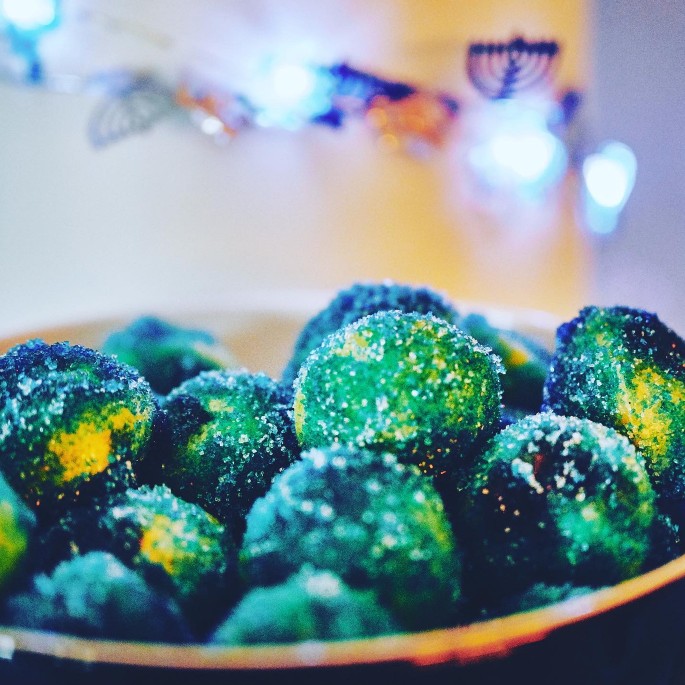
Gluten-Free Baked Sufganiyot Doughnuts: A Healthier Hanukkah Dessert for a Joyful Holiday Celebration
Celebrate Hanukkah with these delicious gluten-free baked sufganiyot doughnuts. Discover why baked sufganiyot are a healthier alternative to traditional fried doughnuts while still delivering the soft texture, sweet fillings, and festive flavors everyone loves.
Hanukkah is a time for family, tradition, and enjoying foods that honor the miracle of the oil. Among the most beloved Hanukkah treats are sufganiyot, the famous jelly-filled doughnuts that have become a symbol of the Festival of Lights. While traditional sufganiyot are deep-fried, many home bakers are looking for lighter ways to enjoy this holiday favorite without sacrificing flavor or texture.
Gluten-free baked sufganiyot offer the perfect balance between tradition and modern baking. They are wonderfully soft, filled with delicious fruit preserves or creamy fillings, and dusted with powdered sugar for a festive finish. Baking instead of frying reduces the amount of oil while allowing the doughnuts to remain tender and satisfying. Whether you are following a gluten-free lifestyle because of celiac disease, gluten sensitivity, or personal preference, these baked doughnuts make an excellent addition to your Hanukkah dessert table.
Why Sufganiyot Are an Important Hanukkah Tradition
Sufganiyot have become one of the most recognizable Hanukkah desserts around the world. Their connection to the holiday comes from the tradition of eating foods cooked in oil, representing the miraculous oil that burned for eight days in the ancient Temple.
Although classic sufganiyot are fried until golden brown, baking provides a healthier alternative while still honoring the spirit of the celebration. The result is a light, fluffy doughnut that can be enjoyed with less oil while maintaining the rich flavors that make this dessert so memorable.
The Benefits of Baking Instead of Frying
Baked gluten-free sufganiyot offer several advantages that make them ideal for holiday entertaining.
Baking significantly reduces the amount of oil absorbed during cooking, resulting in a lighter dessert that many guests appreciate.
The baking process also creates less kitchen mess. There is no large pot of hot oil to monitor, making preparation safer and more convenient for busy holiday gatherings.
Another advantage is consistency. Baking allows each doughnut to cook evenly, producing soft interiors and lightly golden exteriors that are perfect for filling.
Many people also find baked doughnuts easier to digest while still enjoying the same festive flavors associated with Hanukkah traditions.
Creating the Perfect Gluten-Free Dough
One of the biggest challenges in gluten-free baking is achieving the soft, airy texture found in traditional yeast doughnuts. Fortunately, modern gluten-free flour blends make it easier than ever to create bakery-quality results.
A high-quality gluten-free flour blend containing rice flour, tapioca starch, potato starch, and xanthan gum helps create elasticity and structure. Proper hydration is equally important because gluten-free dough often requires more moisture than traditional wheat dough.
Allowing the dough plenty of time to rise develops flavor while producing a light and fluffy interior. Since gluten-free dough is generally softer than wheat-based dough, gentle handling during shaping helps preserve its delicate texture.
Delicious Filling Ideas
One of the most exciting parts of making sufganiyot is choosing the filling. Traditional raspberry or strawberry jam remains a timeless favorite, but there are countless delicious variations.
Classic strawberry preserves deliver bright fruit flavor that pairs beautifully with powdered sugar.
Raspberry jam offers a slightly tart contrast to the sweet dough.
Apricot preserves provide a rich, traditional European flavor.
Lemon curd creates a vibrant citrus filling perfect for winter celebrations.
Chocolate hazelnut spread offers a decadent twist for chocolate lovers.
Vanilla pastry cream transforms baked sufganiyot into an elegant bakery-style dessert.
Blueberry preserves, cherry preserves, blackberry jam, or homemade mixed berry compote also make wonderful seasonal fillings.
Creative Toppings for a Beautiful Presentation
After filling the doughnuts, decorating them adds even more festive appeal.
A generous dusting of powdered sugar creates the classic appearance associated with traditional sufganiyot.
A light cinnamon sugar coating adds warmth and complements many fruit fillings.
Drizzling melted dark chocolate or white chocolate over the tops creates an elegant finish for holiday dessert platters.
For extra sparkle, decorate serving platters with fresh berries, mint leaves, or edible flowers to create a stunning Hanukkah centerpiece.
Tips for Perfect Gluten-Free Baked Sufganiyot
Using room temperature ingredients helps yeast activate properly and promotes better dough development.
Measure gluten-free flour carefully for consistent results. Weighing ingredients often provides the greatest accuracy.
Allow enough rising time so the dough develops a soft, airy texture before baking.
Avoid overbaking, as gluten-free baked goods can dry out more quickly than traditional recipes.
Fill the doughnuts after they have completely cooled to prevent the fillings from becoming too runny.
Dust with powdered sugar immediately before serving for the freshest presentation.
Serving Suggestions for Your Hanukkah Celebration
Gluten-free baked sufganiyot pair beautifully with many festive holiday beverages and desserts.
Serve them alongside freshly brewed coffee, hot chocolate, spiced tea, or apple cider for a cozy winter gathering.
Arrange a variety of filled doughnuts on a dessert board featuring fresh fruit, chocolate-covered strawberries, gluten-free cookies, roasted nuts, and colorful seasonal decorations.
For larger celebrations, create a sufganiyot filling station where guests can choose from several jams, pastry creams, and chocolate fillings before adding their favorite toppings.
This interactive dessert experience is enjoyable for both children and adults while adding a memorable touch to your Hanukkah celebration.
A Lighter Way to Celebrate Hanukkah
Gluten-free baked sufganiyot prove that holiday traditions can evolve while preserving their heart and meaning. Baking instead of frying offers a lighter alternative that still delivers the soft texture, sweet fillings, and festive appearance everyone expects from this cherished Hanukkah dessert.
Whether you fill them with classic raspberry jam, rich pastry cream, or decadent chocolate, these healthier baked doughnuts bring warmth, joy, and delicious flavor to every holiday table. They are a wonderful way to celebrate the Festival of Lights while sharing homemade gluten-free treats that everyone can enjoy together.
Celebrate Hanukkah with these easy gluten-free chocolate gelt thumbprint cookies. Learn why these buttery, melt-in-your-mouth cookies filled with rich chocolate are the perfect holiday dessert for parties, cookie exchanges, and family gatherings. Hanukkah is a time for gathering with family, sharing traditions, and enjoying delicious homemade treats. While sufganiyot and rugelach often take center stage, there is another delightful cookie that deserves a place on every holiday dessert table. Gluten-free chocolate gelt thumbprint cookies combine tender, buttery cookie dough with smooth melted chocolate inspired by the traditional chocolate coins exchanged during Hanukkah. These festive cookies are simple to prepare, beautiful to serve, and naturally encourage creativity with decorative toppings. Whether you are baking for a Hanukkah party, cookie exchange, school celebration, or cozy evening at home, these cookies deliver classic holiday flavors without gluten. Their soft centers, crisp edges, and rich chocolate filling make them an irresistible dessert that both gluten-free and traditional eaters will enjoy. Why Gluten-Free Thumbprint Cookies Are Perfect for Hanukkah Thumbprint cookies have long been a favorite holiday cookie because they are elegant, versatile, and incredibly easy to customize. During Hanukkah, replacing traditional jam with melted chocolate gelt creates a dessert that celebrates one of the season’s most recognizable symbols. Chocolate gelt has become closely associated with Hanukkah celebrations and games of dreidel. Transforming it into a cookie filling creates a fun twist that children and adults alike will appreciate. Because these cookies are naturally bite-sized, they also make wonderful additions to holiday dessert platters, edible gifts, and cookie boxes. What Makes These Gluten-Free Cookies So Delicious The secret to exceptional gluten-free thumbprint cookies is achieving the perfect texture. A quality gluten-free flour blend creates cookies that are tender without becoming crumbly. The buttery dough develops a delicate crumb while remaining sturdy enough to hold a generous pool of melted chocolate. Once the chocolate sets, each bite delivers a wonderful contrast between the rich filling and the soft cookie. Adding vanilla extract enhances the buttery flavor, while a pinch of salt balances the sweetness for a more complex taste. Decorating Ideas for Festive Hanukkah Cookies One of the best features of these cookies is how easily they can be customized for the holiday season. Decorate the melted chocolate centers with edible gold sprinkles to resemble traditional chocolate coins. Blue and white sanding sugar adds beautiful Hanukkah colors without overwhelming the elegant appearance. You can also finish the cookies with crushed gluten-free peppermint candies, silver dragees, white chocolate drizzle, edible glitter, or finely chopped pistachios for added texture and visual appeal. Each variation creates a unique cookie while keeping the classic Hanukkah theme intact. Tips for Perfect Gluten-Free Thumbprint Cookies Chilling the dough before baking helps the cookies hold their shape while preventing excessive spreading. If the thumbprint begins to puff up during baking, gently press the center again with the back of a measuring spoon while the cookies are still warm. Allow the cookies to cool completely before adding melted chocolate. This prevents the chocolate from becoming dull or separating as it cools. For an extra smooth finish, use high-quality gluten-free chocolate gelt or premium semisweet chocolate. Serving Ideas for Hanukkah Gatherings These cookies pair beautifully with many traditional Hanukkah desserts and beverages. Arrange them alongside gluten-free sufganiyot, flourless chocolate cake, coconut macaroons, fresh fruit, and chocolate-covered strawberries for an impressive dessert spread. Serve them with hot coffee, rich hot chocolate, peppermint tea, or warm apple cider to create a cozy holiday dessert experience. They also make thoughtful homemade gifts when packaged in decorative holiday tins or clear gift bags tied with blue and silver ribbon. Make Them Ahead for Stress-Free Holiday Baking Holiday baking becomes much easier when recipes can be prepared in advance. The cookie dough may be refrigerated for up to three days before baking, allowing you to spread holiday baking over several days. Baked cookies can be stored in an airtight container for up to five days at room temperature after the chocolate has completely set. For longer storage, freeze the unfilled cookies for up to three months. Simply thaw, add freshly melted chocolate, decorate, and serve whenever you need a quick holiday dessert. A Family-Friendly Hanukkah Baking Tradition Thumbprint cookies are one of the most enjoyable baking projects for families. Children especially enjoy rolling the dough into balls, making the thumbprints, and decorating each cookie with colorful toppings after the chocolate has been added. The recipe is forgiving enough for beginner bakers while producing bakery-quality results that look beautiful on any dessert table. Creating these cookies together can easily become a cherished Hanukkah tradition that everyone looks forward to year after year. Why These Cookies Belong on Every Holiday Dessert Table Easy gluten-free chocolate gelt thumbprint cookies combine everything people love about holiday baking. They are buttery, chocolatey, festive, easy to prepare, and visually stunning. Their elegant appearance makes them suitable for holiday parties, while their simple preparation makes them practical for busy home bakers. Whether you are hosting a Hanukkah celebration, contributing to a cookie exchange, or simply creating special memories with family, these cookies bring warmth, tradition, and delicious flavor to every occasion. Their combination of tender gluten-free cookie dough and rich chocolate filling captures the joy of the season in every bite.
Gluten-free Hamantaschen are a delightful twist on the traditional Purim treat, offering a perfect blend of flavor and tradition for those seeking a healthier option. With creative fillings and festive baking tips, these cookies are sure to be a hit at your next celebration.
Discover the best tapioca flour substitute for gluten-free baking. Learn which alternatives work best for breads, cakes, cookies, pie fillings, and sauces with easy conversion ratios and expert baking tips. Tapioca flour is one of the secret ingredients behind many successful gluten-free recipes. It adds softness to bread, chewiness to cookies, tenderness to cakes, and helps hold gluten-free dough together. It also thickens sauces, gravies, and pie fillings without affecting their flavor, making it one of the most versatile pantry staples for gluten-free cooking. Even so, there are times when you may find yourself without it. Maybe you ran out halfway through baking, your local grocery store did not have it in stock, or you simply want to try another ingredient that offers a slightly different texture. Fortunately, there are several excellent substitutes that can produce delicious results. The key is choosing the right replacement for your recipe. Some substitutes are better for fluffy cakes, while others shine in chewy bread or silky sauces. This guide covers the best tapioca flour substitutes for gluten-free baking, along with simple conversion ratios to help you bake with confidence. What Is Tapioca Flour? Tapioca flour, also sold as tapioca starch in most grocery stores, is made from the starchy root of the cassava plant. Although the names are different, they typically refer to the same ingredient in the United States. Gluten-free bakers rely on tapioca flour because it improves texture in ways that many other starches cannot. It helps create soft, flexible dough, prevents baked goods from becoming dry or crumbly, and gives breads and pizza crusts their signature chewy bite. Its neutral flavor also makes it ideal for both sweet and savory recipes. Why Replace Tapioca Flour? There are many reasons to look for an alternative. You may simply run out while baking, or perhaps you are creating your own gluten-free flour blend and want to experiment with different starches. Some bakers even prefer certain substitutes because they create a lighter cake, a softer cookie, or a firmer loaf of bread. No matter the reason, understanding how each substitute performs will help you achieve the best results. 1. Potato Starch If you are searching for the closest replacement, potato starch is often the best choice. It creates soft, moist baked goods while providing many of the same qualities as tapioca flour. Best For Gluten-free bread Dinner rolls Muffins Cookies Cakes Quick breads Conversion Ratio Replace 1 cup of tapioca flour with 1 cup of potato starch. Potato starch produces a tender crumb and works well in nearly every gluten-free baking recipe. 2. Arrowroot Starch Arrowroot starch is another excellent substitute because it has a mild flavor and creates a silky texture. It is especially popular in fruit desserts and delicate baked goods. Best For Fruit pie fillings Cookies Cakes Sauces Gravies Custards Conversion Ratio Replace 1 cup of tapioca flour with 1 cup of arrowroot starch. Arrowroot also freezes well, making it a great choice for make-ahead desserts. 3. Cornstarch Cornstarch is probably already sitting in your pantry, making it one of the easiest substitutes to use. While it does not provide quite as much elasticity as tapioca flour, it works beautifully in many recipes. Best For Cookies Cakes Puddings Custards Soups Sauces Conversion Ratio Replace 1 cup of tapioca flour with 1 cup of cornstarch. Expect slightly less chewiness in bread recipes, but excellent results in desserts. 4. Sweet Rice Flour Sweet rice flour, despite its name, is naturally gluten-free. It creates soft, chewy baked goods and helps improve structure in gluten-free dough. Best For Pizza crust Bread Cookies Pancakes Asian-inspired desserts Conversion Ratio Replace 1 cup of tapioca flour with 1¼ cups of sweet rice flour. Because it absorbs moisture differently, you may need to add a little extra liquid to your recipe. 5. Cassava Flour Cassava flour comes from the same root as tapioca flour but is made using the whole root instead of only the extracted starch. This gives it more fiber and slightly more structure. Best For Brownies Flatbreads Cookies Pancakes Quick breads Conversion Ratio Replace 1 cup of tapioca flour with ¾ to 1 cup of cassava flour. Cassava flour works especially well when you want baked goods with a little more body. 6. Potato Flour Although potato flour and potato starch sound similar, they are quite different. Potato flour is made from whole dehydrated potatoes and absorbs much more moisture. Best For Yeast breads Dinner rolls Savory baked goods Conversion Ratio Replace 1 cup of tapioca flour with ¾ cup of potato flour. You may need to increase the liquid slightly when using potato flour. 7. Gluten-Free All-Purpose Flour If your recipe only calls for a small amount of tapioca flour, a gluten-free all-purpose flour blend can often be used successfully. Best For Cookies Muffins Quick breads Pancakes Conversion Ratio Replace 1 cup of tapioca flour with 1 cup of gluten-free all-purpose flour blend. While the texture may be a bit denser, this is a convenient option when you need a quick substitute. Quick Tapioca Flour Substitute Chart Substitute Conversion Ratio Best Used For Potato starch 1:1 Bread, cakes, cookies Arrowroot starch 1:1 Sauces, pies, cakes Cornstarch 1:1 Cookies, puddings, sauces Sweet rice flour 1¼:1 Bread, pizza, cookies Cassava flour ¾ to 1:1 Brownies, pancakes, breads Potato flour ¾:1 Yeast breads Gluten-free flour blend 1:1 Muffins, cookies, quick breads Which Substitute Is Best? The best substitute depends on what you are making. For soft sandwich bread and fluffy dinner rolls, potato starch is usually the closest match. Arrowroot starch is ideal for fruit fillings and sauces because it creates a beautiful glossy finish. Cornstarch works wonderfully in cakes and cookies, while sweet rice flour adds chewiness to pizza dough and bread. Cassava flour provides extra structure, making it a favorite for rustic baked goods. Many experienced gluten-free bakers even combine two starches together to create an even better texture. For example, using half potato starch and half arrowroot starch often mimics tapioca flour remarkably