Gluten-Free Honey Apple Bundt Cake with Cinnamon Glaze
Celebrate Rosh Hashanah with a gluten-free honey apple Bundt cake featuring tender apples, warm cinnamon, cider, and a beautiful cinnamon glaze.
Few desserts capture the warmth of autumn quite like a gluten-free honey apple Bundt cake with cinnamon glaze. Fresh apples, golden honey, fragrant cinnamon, and sweet apple cider create layers of comforting flavor, while the beautifully sculpted shape gives the cake an elegant presence on the table.
This dessert brings together familiar seasonal ingredients in a way that feels both rustic and polished. Tender apples add freshness, honey contributes a mellow floral sweetness, and cinnamon glaze highlights the gentle spice running through the cake. The result is a dessert that feels equally at home at an intimate afternoon gathering or a festive holiday celebration.
With its meaningful combination of apples and honey, this cake is especially lovely for Rosh Hashanah. Apples dipped in honey traditionally express the hope for a sweet new year, making an apple and honey dessert a thoughtful addition to the holiday table.
A well-balanced gluten-free flour combination helps create the tender texture expected from a traditional Bundt cake. When paired with moisture-rich ingredients such as applesauce, honey, and cider, the cake develops a soft crumb that complements the pieces of cinnamon-coated apple tucked inside.
A Celebration of Autumn Apples
Apples are naturally suited to comforting desserts because they offer sweetness, acidity, fragrance, and texture. As they bake, they become tender while retaining enough structure to give each slice character.
Firm varieties such as Honeycrisp, Fuji, Pink Lady, and Granny Smith work especially well in apple cakes. Honeycrisp and Fuji apples bring pronounced sweetness, while Pink Lady apples contribute a lively sweet-tart balance. Granny Smith apples offer brighter acidity, creating contrast with honey and glaze.
Using more than one apple variety can add depth to the finished dessert. A sweeter apple combined with a tart variety creates a more complex flavor than either one would provide alone. Regardless of the variety selected, firm apples are preferable because very soft fruit may lose too much structure during baking.
Why Honey and Apples Belong Together
Honey and apples share a natural affinity. Both have delicate floral notes, but honey adds richness and warmth that ordinary granulated sugar cannot provide on its own. Depending on the variety, honey may also contribute hints of citrus, caramel, herbs, or wildflowers.
Mild honey allows the apple flavor to remain prominent, while darker honey produces a deeper and more distinctive character. Local or seasonal honey can give the cake a subtle connection to the landscape, especially when paired with apples from a nearby orchard or farmers market.
Honey also supports the soft, tender quality associated with a satisfying Bundt cake. Combined with applesauce and apple cider, it helps create a dessert that tastes lush without overshadowing the fresh fruit.
A Meaningful Dessert for Rosh Hashanah
Rosh Hashanah is filled with meaningful foods that express hopes for the year ahead. Apples and honey are among the most familiar, symbolizing the wish for a sweet new year. Bringing these flavors together in a beautiful Bundt cake offers a festive way to continue that tradition at the dessert table.
The round shape of the cake is also well suited to the celebration. Circular foods are often associated with continuity and the cycle of the year, giving the sculpted Bundt cake an added sense of occasion.
Its tender apple-filled crumb and cinnamon glaze make the cake welcoming for both family meals and larger holiday gatherings. It can be presented as the centerpiece of a dessert table or served alongside fresh fruit, tea, and coffee after dinner.
Building a Tender Gluten-Free Crumb
Successful gluten-free baking often depends on combining flours and starches with complementary qualities. Each component contributes something different to the structure and texture of the cake.
Sweet rice flour promotes softness and moisture, while white rice flour provides structure without bringing a strong flavor. Tapioca flour contributes tenderness and elasticity, helping the crumb hold together more gracefully. Brown rice flour adds stability and a subtle nutty quality that complements apples, honey, and cinnamon.
Xanthan gum provides additional binding in the absence of gluten. The balance among these ingredients is especially important in a Bundt cake, which must be tender enough to enjoy yet sturdy enough to maintain its decorative shape when released from the pan.
Anyone baking for a person with celiac disease or gluten sensitivity should verify that all packaged ingredients are appropriately labeled gluten-free. Clean utensils, bowls, baking equipment, and preparation surfaces are also important for reducing the risk of cross-contact.
Cinnamon Brings Warmth and Depth
Cinnamon gives apple desserts their familiar sense of warmth. Its sweet, woody fragrance enhances the fruit without masking its natural flavor, while its gentle spice balances the sweetness of honey and sugar.
A cinnamon glaze carries that flavor through to the final presentation. As it flows over the ridges of the Bundt cake, it creates a beautiful contrast against the golden surface and adds sweetness to every slice. The glaze also makes the cake feel finished and celebratory without the heaviness of a thick frosting.
Nutmeg and cloves can deepen the autumn character when used with restraint. Their stronger flavors should support the apples and cinnamon instead of taking over the dessert.
The Role of Apple Cider and Applesauce
Apple cider intensifies the fruit flavor throughout the cake, reaching beyond the pieces of fresh apple in each slice. Its concentrated character brings a fuller orchard-inspired quality than water or a neutral liquid would provide.
Apple juice offers a gentler alternative, with a clean sweetness and familiar apple flavor. Either option supports the fruit-forward character of the dessert, although cider tends to create a richer seasonal impression.
Applesauce contributes moisture and tenderness while reinforcing the apple flavor. Alongside honey, it helps give the cake a soft texture that suits the dense yet delicate nature of Bundt-style desserts.
A Beautiful Dessert for Seasonal Gatherings
The architectural shape of a Bundt cake makes it a natural centerpiece. Its curves catch the cinnamon glaze, creating delicate ribbons that emphasize every ridge. The cake looks inviting on a simple ceramic stand, a wooden serving board, or a favorite vintage platter.
For Rosh Hashanah, fresh apples and a small bowl or jar of honey can create a simple and meaningful presentation around the cake. Autumn flowers, pomegranates, or greenery can add seasonal color to the table. Any decorative elements placed beside the cake should be clean and food-safe.
For other autumn gatherings, small apples, cinnamon sticks, colorful leaves, or garden herbs can surround the cake without touching it. During the winter holidays, rosemary sprigs and dried apple slices create a festive presentation.
Serving Ideas for Every Occasion
Gluten-free honey apple Bundt cake pairs naturally with coffee, black tea, chai, or hot apple cider. Its combination of fruit, honey, and spice feels appropriate for brunch, afternoon tea, or a relaxed evening dessert.
For a more indulgent presentation, a slice can be served with lightly sweetened whipped cream or vanilla ice cream. Warm caramel sauce complements the apples and honey, while softly whipped cream provides a lighter contrast to the cinnamon glaze.
The cake is especially fitting for Rosh Hashanah, Thanksgiving, Christmas, harvest dinners, and autumn birthdays. It is also approachable enough for an everyday gathering, making it a welcoming dessert whenever something beautiful but unfussy is wanted.
A Sweet Welcome to the New Year
Apple and cinnamon remain beloved because their flavors are both familiar and versatile. Honey adds personality to this classic pairing, while the gluten-free flour combination allows the dessert to retain the tender texture and elegant form that make a Bundt cake so inviting.
For Rosh Hashanah, the pairing of apples and honey gives the cake an especially meaningful place at the table. It transforms familiar seasonal flavors into a celebratory dessert filled with warmth, sweetness, and the hope of a joyful year ahead.
From the first aroma of cinnamon and cider to the final drizzle of glaze, gluten-free honey apple Bundt cake celebrates the cozy flavors of the season. It is a dessert that feels generous, welcoming, and perfectly suited to sharing with family and friends.
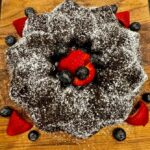
A golden Gluten-Free Honey Apple Bundt Cake finished with a rich cinnamon glaze and festive pomegranate garnish.
No-Pastry Honey Apple Roses for Rosh Hashanah create an elegant holiday dessert with tender apples, warm cinnamon, lemon, and sweet honey. No-Pastry Honey Apple Roses for Rosh Hashanah offer an elegant way to celebrate the traditional pairing of apples and honey in a beautiful fruit dessert. Carefully arranged apple slices resemble delicate flower petals, creating a memorable presentation for the holiday table. Unlike traditional apple roses made with puff pastry or pie dough, this pastry-free version keeps the focus on the fruit. Honey enhances the apples’ natural sweetness, cinnamon adds comforting warmth, and lemon provides a touch of brightness. Although these apple roses are especially meaningful for Rosh Hashanah, they can also bring an elegant touch to fall brunches, afternoon teas, Thanksgiving gatherings, and other seasonal celebrations. A Beautiful Way to Serve Apples and Honey Apples dipped in honey are traditionally enjoyed during Rosh Hashanah as an expression of hope for a sweet new year. Turning those familiar ingredients into decorative apple roses offers a creative way to honor that tradition. The rose shape gives the dessert a festive appearance while preserving the comforting flavors associated with the holiday. Each rose can be served individually or arranged with others on a large platter for a flower-inspired display. The presentation may look elaborate, but its beauty comes from the natural color and shape of the apples. Their curved slices and rosy skins create petals without the need for complicated decorations. Why Make Apple Roses Without Pastry? Many versions of apple roses use puff pastry to hold the apple slices together. A no-pastry approach creates a lighter, more fruit-forward dessert and allows the apples to remain the visual centerpiece. Removing the pastry also highlights the contrast between the tender apple centers and the lightly caramelized edges. Honey and cinnamon add flavor without covering the apples’ natural sweetness and gentle acidity. A pastry-free dessert can be especially appealing when the rest of the holiday menu includes rich dishes. The roses provide a colorful and elegant alternative to heavier cakes, pies, and pastries. Choosing the Best Apples for Apple Roses Pink Lady apples are a beautiful choice because their crisp texture helps the slices retain their shape. Their sweet-tart flavor pairs naturally with honey, lemon, and cinnamon, while their pink-red skin creates defined edges around the petals. Other firm apple varieties can also produce attractive roses. Honeycrisp, Braeburn, Jazz, and Granny Smith offer a noticeable balance of sweetness and acidity. Fuji, Gala, and Envy apples create a sweeter and milder dessert. Firmness is one of the most important qualities to consider. Apples that are very soft or mealy may lose their structure and make the individual petals less distinct. Using apples with colorful skins adds depth to the finished presentation. A combination of red, pink, and golden varieties can create a platter filled with naturally varied roses. The Flavor of Honey, Cinnamon, and Lemon Honey gives the apple roses a delicate sweetness and an appealing glossy finish. Its floral notes complement the fruit while reinforcing the traditional Rosh Hashanah symbolism of sweetness and good wishes for the coming year. Cinnamon brings warmth and familiarity to the dessert. Its comforting aroma enhances the fall character of the apples and makes the roses feel appropriate for cool-weather entertaining. Fresh lemon juice balances the honey with a light citrus note. It also helps slow the natural browning of the apple slices while they are being arranged. Together, these flavors create an apple dessert that is fragrant and balanced without overwhelming the fresh fruit. Creating the Flower-Inspired Presentation The beauty of apple roses comes from layering thin slices so that their rounded edges resemble petals. The colorful peel remains visible at the top, giving each rose a naturally defined outline. Overlapping the slices creates depth and a more realistic flower shape. Larger slices form graceful outer petals, while smaller pieces can be curled more tightly near the center. The roses do not need to look identical. Slight variations in their size, color, and shape make the finished arrangement appear more natural, much like a bouquet of real flowers. A muffin pan helps support the roses and maintain their rounded form. It also makes it easier to create individual portions for serving. Garnishing and Serving Apple Roses Fresh green herbs provide a beautiful contrast to the warm colors of the apples. Mint offers a bright and familiar garnish, while sage or basil can create a more distinctive botanical presentation. The roses can be arranged on a serving platter with the leaves tucked around them to create the appearance of a floral bouquet. They can also be plated individually for a more formal dessert presentation. Apple roses may be enjoyed warm, chilled, or at room temperature. Serving them slightly warm highlights the honey and cinnamon, while serving them chilled creates a refreshing fruit-forward dessert. A bold serving plate can make the golden and rosy apple colors stand out. For a softer holiday presentation, use a white, cream, or clear glass platter decorated with fresh greenery. A Festive Dessert Beyond Rosh Hashanah No-Pastry Honey Apple Roses for Rosh Hashanah are also well suited to Thanksgiving, autumn dinner parties, bridal showers, brunches, and afternoon teas. Their graceful appearance allows them to move easily between casual gatherings and formal celebrations. They can add a lighter option to a dessert table filled with traditional baked treats. Their individual size also makes them convenient for buffets and plated meals. With their symbolic ingredients, warm seasonal flavors, and flower-inspired presentation, these apple roses bring beauty and meaning to the table. They offer a creative way to celebrate apples and honey while letting the natural character of the fruit shine.
Discover the perfect gluten-free chocolate Bundt cake with these three delicious variations! Using all-purpose flour, measure-for-measure flour, or cake mix, you can enjoy a moist, flavorful cake that's both indulgent and accessible.
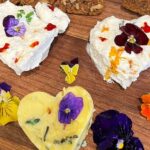
Discover an elegant Garden Cheese with Edible Flowers and Honey appetizer featuring creamy goat cheese, fresh herbs, colorful edible flowers, and floral honey for spring entertaining. Elegant Garden Cheese with Edible Flowers and Honey is a beautiful celebration of fresh flavors, natural color, and effortless entertaining. Creamy goat cheese, fragrant herbs, delicate edible flowers, and floral honey come together in an appetizer that looks as though it was gathered from a spring garden. The colorful presentation makes this cheese especially fitting for brunches, bridal showers, Easter gatherings, garden parties, afternoon teas, and holiday celebrations. It brings visual interest to the table without requiring an elaborate cheese board or complicated assortment of accompaniments. Tangy goat cheese creates a creamy foundation for the fresh herbs and flowers, while honey adds a soft sweetness that balances the savory flavors. Served with crackers, crostini, sliced baguette, or fresh berries, this elegant Garden Cheese with Edible Flowers and Honey can become the centerpiece of an appetizer spread. Why Goat Cheese Works So Well Fresh goat cheese has a smooth, creamy consistency and a pleasantly tangy flavor. Its bright white color also provides the perfect background for colorful flower petals and green herbs. The cheese is flavorful enough to stand on its own but mild enough to pair with a wide variety of botanical ingredients. Fresh chives and dill can give it a lively spring character, while thyme and tarragon contribute more aromatic and sophisticated notes. Because goat cheese has a soft surface, delicate petals can adhere to it and create the appearance of a naturally decorated garden. The result feels artistic and special while remaining approachable and inviting. Choosing Food-Safe Edible Flowers Edible flowers are the defining feature of this garden cheese, but careful selection is essential. Not every flower is safe to eat, even if it looks similar to a culinary variety. Choose flowers that are clearly identified as edible and purchased from a trusted food supplier or grown specifically for culinary use. Flowers from conventional bouquets, garden centers, florists, roadsides, and public spaces may have been exposed to pesticides, preservatives, pollution, or other substances that are not intended for consumption. Pansies and violas bring rich jewel tones and delicate patterns. Chive flowers add a purple color and a mild onion flavor. Calendula petals contribute sunny shades of yellow and orange, while nasturtiums offer vibrant color and a gently peppery character. Using several flower varieties creates a cheerful, abundant appearance. A single variety or coordinated color palette can produce a more refined presentation for weddings, showers, or formal celebrations. Fresh Herbs Add Garden Flavor Fresh herbs reinforce the garden theme while bringing balance to the creamy cheese and sweet honey. Each herb creates a slightly different flavor profile, so the combination can be tailored to the season or occasion. Chives provide a mild savory bite that works especially well for spring brunches. Dill contributes a fresh, feathery flavor, while parsley adds clean herbal notes without overpowering the cheese. Thyme and tarragon have a more aromatic personality and are lovely choices for an elegant appetizer table. The herbs should complement the flowers and honey rather than compete with them. A thoughtful combination gives the cheese complexity while allowing the tangy goat cheese to remain the central flavor. The Sweetness of Floral Honey Honey softens the tanginess of goat cheese and ties the botanical ingredients together. A light floral variety is especially suitable because it provides sweetness without overwhelming the herbs or delicate flowers. Wildflower honey can have layered floral notes that beautifully match the garden-inspired presentation. Orange blossom honey often has a light citrus fragrance, while acacia honey is typically mild and clean tasting. The honey also gives the finished cheese a glossy appearance that makes the flower colors look even more vibrant. Adding it shortly before serving helps maintain the best texture and presentation. An Elegant Make-Ahead Appetizer Garden cheese is well suited to entertaining because it can be assembled in advance and kept refrigerated until the gathering begins. Preparing it ahead allows the cheese to firm and gives the herbal flavors time to mingle. The honey and final flower garnishes are best added shortly before serving. This keeps the petals from becoming overly moist and preserves the clean, polished appearance of the cheese. Before placing it on the table, allowing the cheese to lose some of its refrigerator chill can give it a softer, more spreadable texture. It should still be handled carefully and returned to the refrigerator promptly after serving. Creating a Beautiful Serving Platter The garden cheese can serve as the focal point of a simple appetizer board. Neutral crackers and lightly toasted crostini allow the floral decoration to remain the visual star. Sliced baguette adds a rustic touch, while fresh berries reinforce the seasonal color and natural sweetness. Strawberries, raspberries, blueberries, and blackberries pair particularly well with tangy goat cheese and honey. Small clusters of fruit placed around the cheese can make the platter look full and inviting without distracting from the edible flowers. A light scattering of extra petals or fresh herb sprigs around the platter can extend the garden theme. Any decorative flowers placed directly on the serving board should also be food-safe, especially if they may touch the cheese or accompaniments. Perfect for Spring and Summer Entertaining This floral cheese presentation feels especially natural during spring and early summer, when gardens are blooming and colorful menus are welcome. It can brighten an Easter table, complement a Mother’s Day brunch, or bring a romantic touch to a bridal shower. It is equally appealing for relaxed outdoor gatherings. A garden party, picnic-inspired lunch, afternoon gathering, or summer celebration can all benefit from an appetizer that feels fresh, seasonal, and thoughtfully presented. The beauty of garden cheese comes from its flexibility. Soft pastel flowers can create a delicate spring look, vivid blossoms can make a cheerful summer statement, and warm orange or yellow petals can transition the presentation into early autumn. A Memorable Centerpiece for Any Gathering Garden Cheese