How to Control Pests in Raised Bed Gardens Naturally: Safe and Effective Organic Solutions
Learn how to control pests in raised bed gardens naturally with organic methods that protect vegetables, herbs, and flowers. Discover companion planting, beneficial insects, homemade pest control solutions, and proven tips for a healthy, productive garden.
Keeping your raised bed garden healthy does not have to involve harsh chemical pesticides. In fact, one of the greatest advantages of raised bed gardening is the ability to create a balanced growing environment where plants naturally thrive with fewer pest problems. By encouraging beneficial insects, maintaining healthy soil, and using simple organic techniques, you can protect your vegetables, herbs, and flowers while preserving the natural ecosystem in your garden.
Whether you are growing tomatoes, peppers, lettuce, cucumbers, herbs, or root vegetables, learning how to control pests in raised bed gardens naturally will help you enjoy healthier plants and larger harvests throughout the growing season.
Why Raised Bed Gardens Experience Fewer Pest Problems
Raised beds already provide several advantages over traditional in-ground gardens. Better drainage, improved soil quality, and easier maintenance all contribute to stronger plants that are naturally more resistant to insect damage.
Healthy plants are less likely to become stressed, making them better equipped to withstand occasional pest activity. However, even the healthiest gardens can attract unwanted visitors. The key is identifying problems early before they become major infestations.
Common Raised Bed Garden Pests
Several insects frequently appear in raised bed gardens. Knowing what to look for makes it easier to stop damage before it spreads.
Aphids gather on tender new growth and feed by sucking plant sap, causing curled leaves and weakened plants.
Cabbage worms chew holes in leafy vegetables like kale, cabbage, broccoli, and cauliflower.
Tomato hornworms can quickly strip tomato plants of their foliage if left unchecked.
Squash bugs attack squash, zucchini, pumpkins, and cucumbers, causing leaves to wilt and die.
Cucumber beetles feed on cucumbers, melons, squash, and pumpkins while spreading bacterial diseases.
Spider mites thrive during hot, dry weather and leave fine webbing beneath leaves.
Slugs and snails feed at night, leaving irregular holes in leaves and silvery slime trails.
Japanese beetles skeletonize leaves by eating the tissue between veins.
Start with Healthy Soil
One of the best natural pest prevention methods begins below the surface.
Healthy soil produces healthier plants with stronger immune systems. Enrich your raised beds with compost each season to increase beneficial microorganisms and improve soil fertility. Avoid overfertilizing with nitrogen, as excessive leafy growth often attracts aphids and other sap-feeding insects.
Mulching with straw, shredded leaves, or untreated wood chips helps regulate soil moisture while reducing plant stress.
Encourage Beneficial Insects
Not every insect in your garden is harmful. Many are valuable allies that naturally reduce pest populations.
Ladybugs consume hundreds of aphids during their lifetime.
Lacewings feed on aphids, mealybugs, whiteflies, and caterpillar eggs.
Hoverflies prey on soft-bodied insects while also pollinating flowers.
Parasitic wasps lay eggs inside destructive caterpillars and other garden pests.
Planting flowers such as calendula, alyssum, dill, fennel, cosmos, yarrow, and nasturtiums attracts these beneficial insects and encourages them to remain in your garden throughout the season.
Companion Planting for Natural Pest Control
Certain plants naturally repel insects or attract beneficial predators.
Marigolds help deter nematodes and may discourage some flying insects.
Basil planted near tomatoes may help reduce tomato hornworm activity while attracting pollinators.
Nasturtiums often act as a trap crop by attracting aphids away from vegetables.
Garlic and onions may help repel certain beetles and aphids with their strong scent.
Herbs such as thyme, oregano, rosemary, and sage also contribute to a healthier garden ecosystem while providing fresh ingredients for your kitchen.
Inspect Plants Regularly
One of the easiest ways to prevent serious infestations is through routine inspection.
Spend a few minutes each day checking both the tops and undersides of leaves. Look for insect eggs, feeding damage, discoloration, or unusual growth.
Catching problems early often allows you to remove pests by hand before they spread to neighboring plants.
Handpick Larger Pests
Many common garden pests can simply be removed manually.
Tomato hornworms, cabbage worms, squash bugs, Japanese beetles, and slugs are easy to collect by hand during early morning or evening hours.
Drop them into a bucket of soapy water to prevent them from returning to your plants.
Although this method requires consistency, it is one of the safest and most environmentally friendly pest control techniques.
Use Floating Row Covers
Floating row covers provide a physical barrier that prevents insects from reaching vulnerable plants.
These lightweight fabrics allow sunlight, air, and water to pass through while protecting crops from cabbage moths, cucumber beetles, flea beetles, and other flying insects.
Remove covers temporarily during flowering if crops require insect pollination.
Apply Neem Oil Carefully
Neem oil is a popular organic solution for controlling aphids, whiteflies, spider mites, and certain beetles.
Apply it during the early morning or evening when beneficial pollinators are less active. Always avoid spraying flowers directly, as pollinating insects may still visit treated blooms.
Follow label directions carefully and test on a small section of the plant before widespread application.
Make Homemade Insecticidal Soap
A gentle insecticidal soap can help eliminate soft-bodied insects without harming most plants.
Mix one tablespoon of mild liquid castile soap with one quart of water in a spray bottle.
Spray affected leaves thoroughly, especially underneath where insects often hide.
Rinse plants after several hours if needed, and avoid spraying during the hottest part of the day.
Water Properly
Proper watering plays a surprisingly important role in pest prevention.
Water deeply at the base of plants rather than wetting the foliage. Damp leaves create favorable conditions for fungal diseases that weaken plants and invite insect attacks.
Morning watering allows excess moisture to evaporate before evening.
Remove Diseased or Damaged Plants
Dead leaves, damaged stems, and diseased plants provide shelter for insects and encourage disease development.
Prune affected foliage promptly and dispose of it away from your compost pile if disease is present.
Keeping your raised beds clean significantly reduces overwintering pest populations.
Rotate Crops Each Season
Even in raised beds, crop rotation helps interrupt pest life cycles.
Avoid planting tomatoes, peppers, eggplants, or potatoes in the same bed every year. Likewise, rotate members of the cabbage family and cucurbit family to reduce recurring pest problems.
Changing planting locations makes it more difficult for insects to establish permanent populations.
Invite Natural Predators
Your garden can become home to helpful wildlife that naturally controls pests.
Birds consume caterpillars, beetles, and grubs.
Toads eat slugs, beetles, ants, and many crawling insects.
Praying mantises prey on numerous garden pests.
Providing water, native flowers, and small shelter areas encourages these natural pest controllers to visit your garden regularly.
Avoid Overcrowding
Plants placed too closely together create humid conditions with poor air circulation.
Proper spacing improves airflow, reduces fungal diseases, and makes it more difficult for pests to spread rapidly between plants.
Always follow recommended spacing guidelines for each crop.
Natural Pest Control Creates a Healthier Garden
Natural pest control focuses on prevention rather than elimination. A balanced garden will always contain some insects, and that is perfectly normal. The goal is not to remove every bug but to create an environment where beneficial insects, healthy plants, and proper gardening practices keep harmful pests under control.
By improving soil health, planting companion flowers, attracting beneficial insects, inspecting plants regularly, and using gentle organic treatments only when necessary, you can grow abundant vegetables without relying on synthetic chemicals. Over time, your raised bed garden will become more resilient, easier to maintain, and more productive, allowing you to harvest fresh, healthy produce all season long.
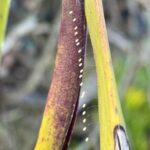
Delicate green lacewing eggs suspended on slender stalks, nestled against a plant stem in a natural setting.
Discover the fascinating world of lacewings and learn how these gentle predators naturally control garden pests. Find out why lacewings are among the best beneficial insects for maintaining a healthy, thriving garden without harsh chemicals.
Learn how to prevent downy mildew naturally with proven organic gardening techniques. Discover the best ways to improve air circulation, water correctly, choose resistant plants, and use natural treatments to protect your vegetable, herb, and flower gardens. Downy mildew is one of the most frustrating plant diseases gardeners encounter. It can spread quickly through vegetable gardens, herb beds, ornamental flowers, and even fruit crops, leaving behind yellowing leaves, grayish-purple mold, stunted growth, and reduced harvests. Once the disease becomes established, it can be difficult to control, making prevention the most effective strategy. Fortunately, you do not have to rely on harsh chemicals to keep your garden healthy. By practicing smart gardening techniques and creating an environment where fungi and water molds struggle to thrive, you can dramatically reduce the risk of downy mildew while encouraging stronger, more resilient plants. Whether you grow cucumbers, basil, lettuce, grapes, spinach, impatiens, or other susceptible plants, these natural methods will help protect your garden throughout the growing season. What Is Downy Mildew? Downy mildew is a plant disease caused by water mold organisms known as oomycetes. Although it resembles fungal diseases, it behaves differently and thrives in cool, damp, and humid conditions. Unlike powdery mildew, which appears as a white powder on leaf surfaces, downy mildew usually begins with pale yellow or light green spots on the upper sides of leaves. As the disease progresses, fuzzy gray, white, or purple growth often develops on the undersides of infected foliage. Without early intervention, infected leaves may brown, curl, wilt, and eventually die, reducing plant vigor and crop production. Conditions That Encourage Downy Mildew Understanding what encourages the disease is the first step toward prevention. Downy mildew spreads most rapidly when humidity remains high for extended periods. Cool nighttime temperatures followed by warm mornings create ideal conditions for spores to develop. Wet leaves from overhead watering, crowded plant spacing, poor air circulation, and prolonged rainfall all contribute to disease outbreaks. The healthier and drier your plants remain, the less opportunity downy mildew has to establish itself. Choose Disease-Resistant Varieties One of the easiest ways to prevent downy mildew naturally is by selecting plant varieties bred for disease resistance. Many modern cucumber, basil, spinach, lettuce, and melon varieties have improved resistance to downy mildew. While no plant is completely immune, resistant cultivars often experience fewer infections and recover more quickly when disease pressure increases. Reading seed packets before planting can save considerable time and frustration later in the season. Give Plants Plenty of Space Crowded gardens trap moisture between leaves and reduce airflow, creating the perfect environment for disease. Follow recommended spacing guidelines for each crop, even if it seems like extra room is being wasted. Proper spacing allows sunlight and breezes to dry foliage more quickly after rain or morning dew. Pruning dense growth throughout the season can also improve air circulation around mature plants. Water the Right Way Watering practices play a significant role in preventing downy mildew. Instead of watering from above, direct water at the base of each plant using a watering can, soaker hose, or drip irrigation system. Keeping foliage dry greatly reduces opportunities for spores to germinate. Morning watering is ideal because any moisture that reaches the leaves has time to evaporate before evening. Avoid watering late in the day when plants remain damp overnight. Mulch to Reduce Disease Spread Organic mulch offers several benefits beyond weed suppression. A layer of straw, shredded leaves, pine needles, or untreated wood chips helps prevent soil and water from splashing disease spores onto lower leaves during rainfall or irrigation. Mulch also regulates soil moisture, reduces temperature fluctuations, and encourages healthier root systems. Apply approximately two to three inches of mulch while keeping it slightly away from plant stems. Improve Airflow Throughout the Garden Good airflow is one of nature’s best defenses against downy mildew. Consider these simple improvements: Plant rows in the direction of prevailing winds whenever possible. Support climbing vegetables with trellises or cages. Remove excessive lower foliage on dense plants. Prune shrubs and nearby vegetation that block airflow. Keep weeds under control since they reduce ventilation and increase humidity. These small adjustments can significantly lower moisture levels around susceptible plants. Rotate Crops Every Season Growing the same vegetables in the same location year after year allows disease organisms to accumulate in the garden. Practice crop rotation by moving susceptible plant families to different beds each season. Ideally, wait three to four years before planting closely related crops in the same location. Rotation interrupts disease cycles while improving long-term soil health. Keep the Garden Clean Garden sanitation is often overlooked but remains one of the most effective disease prevention strategies. Regularly remove: Dead leaves Yellowing foliage Diseased stems Overripe fruits Plant debris at the end of the season Never compost heavily infected plant material unless your compost pile consistently reaches temperatures high enough to destroy pathogens. Cleaning tools between plants also helps prevent accidental disease spread. Encourage Healthy Soil Healthy plants naturally resist diseases more effectively than stressed plants. Improve soil with finished compost, aged organic matter, and balanced fertilizers that encourage steady growth without excessive nitrogen. Overfertilizing often produces lush, tender foliage that is more vulnerable to disease. A soil rich in beneficial microorganisms also helps plants develop stronger root systems and improved overall health. Natural Preventative Sprays When weather conditions strongly favor downy mildew, preventative treatments may provide additional protection. Some gardeners use homemade baking soda sprays for certain fungal diseases, although these are generally less effective against true downy mildew. Organic copper fungicides can offer preventative protection when applied before infection becomes severe. Always follow label directions carefully and avoid unnecessary applications. Biological fungicides containing beneficial bacteria or naturally occurring microorganisms may also help reduce disease pressure while remaining compatible with organic gardening practices. Preventative applications work best before symptoms become widespread. Inspect Plants Regularly Early detection makes a tremendous difference. Walk through your garden every few days and examine both the tops and undersides of leaves. Catching the
Discover the amazing benefits of growing nasturtiums in your garden. Learn how these colorful edible flowers attract pollinators, improve companion planting, naturally deter pests, and bring beauty and fresh flavor to your garden and kitchen. If you are looking for a plant that offers beauty, practicality, and incredible versatility, nasturtiums deserve a spot in your garden. These cheerful, easy-to-grow flowers do much more than brighten flower beds with vibrant blooms. They also attract pollinators, support companion planting, help reduce garden pests, and provide delicious edible flowers and leaves that can elevate everyday meals. Whether you are growing vegetables, herbs, or ornamental flowers, nasturtiums are one of the most rewarding annuals you can plant. Their ability to thrive with very little care makes them ideal for beginner gardeners, while experienced gardeners appreciate the many ways they contribute to a healthier, more productive landscape. Here is why growing nasturtiums may become one of the best gardening decisions you make. Bright, Cheerful Flowers That Bloom for Months One of the biggest reasons gardeners love nasturtiums is their nonstop display of colorful blooms. Their flowers appear in brilliant shades of yellow, orange, red, peach, and deep crimson, creating eye-catching displays from late spring until the first frost. Their attractive lily pad-shaped leaves provide beautiful contrast, making the plants just as appealing when they are not in bloom. Whether spilling over raised beds, climbing trellises, or cascading from hanging baskets, nasturtiums instantly add charm to any outdoor space. Because they continue flowering throughout the season with minimal maintenance, they provide exceptional value for every gardener. One of the Best Companion Plants for Vegetable Gardens Nasturtiums are famous for companion planting, making them a favorite among organic gardeners. Growing nasturtiums alongside vegetables helps create a diverse garden ecosystem that attracts beneficial insects while drawing attention away from valuable crops. They pair especially well with tomatoes, cucumbers, squash, zucchini, beans, cabbage, broccoli, kale, peppers, and even fruit trees. Many gardeners intentionally plant nasturtiums around vegetable beds because they can act as trap crops, attracting aphids and other insects away from vegetables. This makes pest populations easier to monitor while reducing damage to food crops. Adding companion plants like nasturtiums creates a healthier garden that naturally supports stronger plant growth. Attract Pollinators That Boost Your Harvest Healthy gardens depend on pollinators, and nasturtiums are excellent at inviting them into your landscape. Their nectar-rich flowers attract honeybees, native bees, butterflies, hummingbirds, and hoverflies throughout the growing season. As these beneficial visitors move from flower to flower, they pollinate vegetables, herbs, berries, and fruit trees, often leading to larger harvests and healthier plants. The more pollinators your garden attracts, the more productive your entire landscape becomes. Help Naturally Manage Common Garden Pests Every gardener encounters pests, but nasturtiums can become an important part of a natural pest management strategy. Many insects prefer nasturtiums over nearby vegetables, making these flowers valuable trap crops. Aphids, for example, frequently gather on nasturtiums instead of tomatoes, peppers, or beans. Planting nasturtiums throughout the garden also increases biodiversity, encouraging beneficial insects such as ladybugs and hoverflies that feed on harmful pests. While no plant completely eliminates insects, nasturtiums work alongside healthy gardening practices to reduce pest pressure without relying heavily on chemical treatments. Every Part of the Plant Is Edible Nasturtiums are not only beautiful but also delicious. The brightly colored flowers have a mild peppery flavor similar to watercress, making them a favorite garnish for fresh salads, sandwiches, charcuterie boards, appetizers, soups, and grain bowls. Their round green leaves also add a slightly spicy flavor to salads and wraps. Even the immature seed pods can be pickled to create a flavorful substitute for capers. Growing edible flowers allows you to harvest both beauty and flavor from the same plant, making nasturtiums an excellent addition to any kitchen garden. Incredibly Easy to Grow Nasturtiums are among the easiest flowers you can grow from seed. Unlike many flowering plants, they actually perform better in average or moderately fertile soil. Rich soil often encourages leafy growth at the expense of flowers. They thrive in full sun, although gardeners in warmer climates often find they benefit from some afternoon shade during the hottest months. Once established, nasturtiums require little more than occasional watering and the removal of spent flowers to encourage continuous blooming. Their fast growth makes them an excellent choice for filling empty spaces throughout the garden. Perfect for Raised Beds, Containers, and Small Gardens No matter how much gardening space you have, nasturtiums fit beautifully into almost any landscape. Compact bush varieties are ideal for raised beds and flower borders, while trailing varieties spill gracefully from containers, window boxes, and hanging baskets. Their versatility allows gardeners with patios, balconies, or small urban spaces to enjoy colorful blooms and edible flowers without needing a large garden. Improve Biodiversity Naturally A healthy garden is filled with diversity. Mixing flowers, vegetables, herbs, and pollinator plants creates a balanced ecosystem that supports beneficial insects while helping maintain healthier soil and stronger plants. Nasturtiums contribute to this biodiversity by attracting wildlife that plays an essential role in pollination and natural pest control. The result is a garden that is not only more productive but also more vibrant and alive throughout the growing season. Save Seeds and Enjoy Nasturtiums Year After Year As the growing season comes to an end, nasturtiums produce large seeds that are incredibly easy to collect. Allow the seeds to mature naturally on the plant before harvesting and storing them in a cool, dry place until spring. Saving seeds is an economical way to enjoy beautiful flowers year after year while sharing extras with fellow gardeners. It is one of the simplest plants for beginning gardeners to save successfully. Bring Garden-Fresh Flavor to Your Table One of the greatest rewards of growing nasturtiums is bringing them directly from the garden into your kitchen. Fresh blossoms instantly transform everyday dishes into colorful presentations that look restaurant-worthy. Sprinkle the flowers over salads, garnish soups, decorate cakes, or use them