Mint Blossoms: How to Harvest and Use Mint Flowers in the Garden and Kitchen
Learn how to harvest and use edible mint blossoms, preserve mint flowers, attract pollinators, and enjoy the many benefits of flowering mint in your garden.
If you grow mint in your garden, you probably look forward to harvesting its fresh, fragrant leaves for tea, drinks, salads, desserts, and summer recipes. But when your mint begins producing tiny clusters of white, pink, lavender, or purple flowers, do not be too quick to cut them all away. Mint blossoms are edible, beautiful, useful in the kitchen, and beneficial for the garden.
These delicate flowers are one of the most overlooked parts of the mint plant. While mint leaves usually receive all the attention, the blossoms can be harvested and used as edible garnishes, added to drinks and desserts, dried for herbal tea, or simply left on the plant to provide nectar and pollen for visiting pollinators.
Allowing some of your mint to flower also adds another layer of beauty to an edible garden. The soft flower clusters rise above the fragrant foliage, attracting activity while giving an ordinary herb plant a charming ornamental quality.
The best approach is often a little of both: harvest some mint blossoms for the kitchen and leave plenty behind for the garden.
What Are Mint Blossoms?
Mint blossoms are the small flowers that appear when a mature mint plant begins to bloom. Depending on the variety you grow, the flowers may be white, pale pink, lavender, or purple.
Mint belongs to the Lamiaceae family, which also includes many familiar culinary herbs such as basil, rosemary, thyme, oregano, sage, and lavender. Many of these herbs produce small flowers that are attractive to pollinators, and mint is no exception.
The blossoms typically appear in small clusters or spikes above the foliage. Up close, each flower is tiny and delicate, but together they can create a beautiful display.
If you have ever walked past flowering mint and noticed bees moving from blossom to blossom, you have already seen one of the biggest benefits of allowing mint to bloom.
Are Mint Blossoms Edible?
Yes, the blossoms of commonly grown culinary mint varieties are generally edible, just like the leaves.
Spearmint, peppermint, apple mint, chocolate mint, and pineapple mint can all produce flowers that bring subtle mint flavor and beautiful color to foods and beverages.
The flavor of mint blossoms can be more delicate than the leaves. Instead of delivering an intense burst of mint, the tiny flowers can add a lighter herbal note. This makes them particularly useful as an edible garnish when you want mint flavor without placing a large leaf or sprig on the finished dish.
Only harvest flowers from mint that you can confidently identify as an edible culinary variety. Avoid harvesting flowers from plants that have been treated with products that are not intended for edible crops.
When Does Mint Flower?
Mint usually begins flowering after it has produced plenty of leafy growth and the stems have matured. Warm weather and longer days often encourage blooming, although the exact timing depends on your climate, growing conditions, mint variety, and pruning habits.
If you continually pinch back your mint, flowering may be delayed because the plant keeps producing new leafy growth.
Allow a few stems to grow naturally, however, and flower buds will eventually appear.
Flowering is a normal part of the mint plant’s growing cycle. It does not mean your mint plant is unhealthy or that you can no longer use it.
You can continue harvesting leaves while the plant is flowering.
Why Mint Blossoms Are Beneficial for the Garden
Mint flowers may be tiny, but allowing some of them to remain on the plant can make your herb garden much more active.
Mint Blossoms Help Support Pollinators
One of the biggest benefits of flowering mint is its value to pollinators.
The small blossoms provide nectar and pollen for visiting insects, particularly bees. When several mint stems bloom at once, the plant can become a busy feeding area.
This is one reason I like the idea of leaving at least part of a mint plant in bloom rather than immediately cutting off every flower.
You still have plenty of leaves and blossoms to harvest while leaving another portion of the plant available for garden visitors.
Flowering Mint Adds Biodiversity
An edible garden does not have to be planted only for human harvests. Herbs that are allowed to flower can help create a more diverse garden environment.
Mint blossoms add another flower shape, fragrance, and nectar source among vegetables, fruit trees, herbs, and edible flowers.
Allowing several types of herbs to flower at different times can also help extend the period when floral resources are available in your garden.
Mint Flowers Add Color to an Herb Garden
Mint is usually grown for its leaves, but it becomes surprisingly ornamental when it flowers.
Lavender, purple, pink, or white blossoms rising above bright green foliage can soften the appearance of raised beds, herb gardens, and container gardens.
Flowering mint looks especially lovely alongside other culinary herbs and edible flowers.
How to Harvest Mint Blossoms
Harvesting mint flowers is easy, and choosing them at the right stage helps preserve their flavor, fragrance, and appearance.
Harvest Mint Flowers in the Morning
Morning is an excellent time to harvest mint blossoms.
Wait until the morning dew has dried, then harvest before the strongest heat of the day. The blossoms are usually fresh and hydrated at this time, making them ideal for garnishes and other culinary uses.
Choose Freshly Opened Blossoms
Look for flower clusters that have recently opened and still appear fresh.
Avoid flowers that are turning brown, drying out, or beginning to fall from the stem. Younger blossoms are especially attractive when you plan to use them for decorating desserts, salads, or beverages.
Cut the Mint Stem Carefully
Use clean garden scissors or herb snips to cut the flowering stem just above a healthy set of leaves.
This gives you a convenient stem to carry into the kitchen while also encouraging the remaining plant to continue producing growth.
Leave Some Flowers for Pollinators
You do not need to harvest every flower at once.
Take what you need and leave some blossoms on the plant for visiting bees and other pollinators.
This simple harvesting method lets you enjoy the benefits of mint blossoms in both the kitchen and garden.
How to Clean Mint Blossoms After Harvesting
Before bringing freshly harvested mint flowers indoors, gently shake the stems outside. Tiny insects can easily hide between the blossoms.
Inspect each flower cluster carefully.
If the flowers need washing, gently rinse them in cool water and place them on a clean kitchen towel to dry completely.
Handle the flowers carefully because their small petals can bruise or wilt more easily than sturdy mint leaves.
For decorative garnishes, try to use the blossoms shortly after harvesting when they are at their freshest.
How to Use Mint Blossoms in the Kitchen
Once you begin harvesting mint flowers, you may be surprised by how many ways you can use them.
Their delicate size makes them especially useful for garnishing because they provide fresh color without overwhelming the food.
Add Mint Blossoms to Salads
Fresh mint flowers can add color and subtle flavor to both savory and fruit salads.
Scatter individual blossoms over mixed greens, cucumber salad, watermelon salad, tomatoes, berries, peaches, melon, or citrus.
They can also be combined with other edible flowers for a beautiful garden-inspired presentation.
Use Mint Flowers as an Edible Dessert Garnish
Mint and dessert are a natural combination, and the blossoms make an elegant alternative to the traditional mint sprig.
Use fresh mint blossoms to decorate chocolate cake, fruit tarts, cupcakes, panna cotta, ice cream, sorbet, whipped cream, cheesecake, or fresh berries.
Their small size makes them especially attractive on individual desserts.
Garnish Drinks With Fresh Mint Flowers
Mint blossoms are beautiful floating on top of lemonade, iced tea, sparkling water, mocktails, and cocktails.
Add the flowers immediately before serving so they remain fresh.
For an extra garden-inspired presentation, combine mint blossoms with a small mint leaf or thin slices of lemon, lime, cucumber, or fresh berries.
Make Mint Blossom Ice Cubes
One of the prettiest ways to preserve fresh mint flowers is to freeze them into ice cubes.
Place several clean blossoms into each section of an ice cube tray, fill with water, and freeze.
Add the finished floral ice cubes to lemonade, iced tea, sparkling water, or other cold beverages.
This is also a lovely way to preserve a small garden harvest for entertaining.
Make Fresh Mint Blossom Tea
Mint flowers can be combined with mint leaves to make a fragrant herbal tea.
Add clean blossoms and fresh mint leaves to a teapot, pour hot water over them, and allow the mixture to steep until it reaches your preferred strength.
Strain before serving.
The leaves provide the familiar mint character while the blossoms contribute a softer herbal and floral quality.
Add Mint Blossoms to Infused Water
For a refreshing garden-inspired drink, combine mint blossoms and leaves with cold water and fresh fruit.
Cucumber, lemon, lime, strawberries, watermelon, peaches, and berries all pair beautifully with mint.
Refrigerate the water to allow the flavors to infuse before serving.
Decorate Serving Boards
Fresh mint blossoms can also bring color to cheese boards, fruit platters, dessert boards, and appetizer displays.
Small clusters tucked around berries, cheeses, chocolate, gluten-free crackers, and desserts create an effortless garden-to-table presentation.
How to Preserve Mint Blossoms
Mint flowers are best when freshly harvested, but you can also preserve some of your harvest for later.
Dry Mint Blossoms for Tea
Spread clean mint blossoms in a single layer in a dry, well-ventilated location away from direct sunlight.
Allow them to dry completely before transferring them to an airtight container.
Dried mint flowers can be combined with dried mint leaves to create a homemade herbal tea blend.
Store dried herbs away from heat, moisture, and direct light to help preserve their aroma and flavor.
Freeze Mint Blossoms
Freezing flowers inside ice cubes is an easy way to preserve their decorative appearance.
For culinary preparations where appearance is less important, the flowers can also be frozen with chopped mint leaves for later use in infused drinks or other recipes.
Should You Let Your Mint Plant Flower?
The answer depends on what you want from your mint plant.
If your primary goal is producing lots of tender leaves, regular harvesting and pinching back flower buds encourages continued leafy growth.
If you want to support pollinators, enjoy edible flowers, and add more color to your herb garden, allow some stems to bloom.
You can easily have both.
Keep part of the plant regularly trimmed for fresh mint leaves while allowing several healthy stems to mature and produce flowers.
This creates an ongoing supply of leaves for the kitchen while providing mint blossoms for you and your garden visitors.
What Should You Do With Mint After It Flowers?
Once the blossoms begin fading, browning, or drying, prune the flowering stems.
Cut each stem just above a healthy set of leaves. This helps keep the mint plant tidy and encourages fresh growth.
If your mint becomes tall, leggy, or sparse after flowering, you can give the plant a more substantial trim.
Mint is naturally vigorous and generally responds well to regular harvesting and pruning during active growth.
Healthy leaves removed during pruning do not need to go to waste. Use them fresh, dry them for tea, freeze them, or add them to infused water and recipes.
Tips for Growing Healthy Mint
Mint is one of the easiest culinary herbs to grow, but it has a reputation for spreading aggressively.
For many home gardens, growing mint in a container is the simplest way to keep it under control.
Containers allow you to enjoy a lush supply of leaves and flowers without worrying about underground runners spreading throughout a garden bed.
Mint generally appreciates fertile, well-draining soil and consistent moisture. Depending on your climate, it can grow in full sun or partial shade.
In areas with intense summer heat, some protection from strong afternoon sun may help keep the foliage looking fresh.
Container-grown mint may need more frequent watering because pots can dry quickly during hot or windy weather. Check the soil regularly and water when necessary rather than allowing the plant to repeatedly become severely wilted.
Regular harvesting also keeps mint productive. Even if you are not using the leaves immediately, occasional pruning encourages fresh, bushier growth.
A Beautiful Way to Enjoy More of Your Mint Harvest
Mint blossoms are a wonderful reminder that an herb garden can provide much more than leaves.
These tiny flowers can bring pollinators into the garden, add beautiful color to herb beds and containers, and provide another edible ingredient to harvest from a plant you may already be growing.
Use freshly harvested mint blossoms to decorate desserts, brighten salads, garnish drinks, make herbal tea, flavor infused water, or create beautiful floral ice cubes. At the same time, leave some flowers on the plant so visiting pollinators can enjoy them too.
Instead of thinking of flowering mint as the end of the mint harvest, consider it another stage worth enjoying.
The next time you notice those tiny lavender, pink, purple, or white flowers appearing above your mint leaves, leave a few for the garden, harvest a few for yourself, and enjoy everything this hardworking herb has to offer.
Here is to fresh flavors, beautiful gardens, and all the little moments that make cooking and growing so rewarding.
Sending joy and happiness from my garden and kitchen to yours,
Leslie’s Culibloom signature brings together graceful green lettering and delicate pink flowers.Delicate mint blossoms add beauty to the herb garden while providing edible flowers for the kitchen and nectar for visiting pollinators.
Discover how Fresh Chamomile Garden Tea brings together the delicate flavor of freshly picked chamomile flowers and garden-fresh mint for a soothing herbal beverage. Learn about its history, benefits, harvesting tips, brewing techniques, and why growing your own chamomile makes every cup even more enjoyable. Fresh chamomile garden tea is one of the easiest and most rewarding herbal beverages you can make at home. Whether you grow chamomile in your backyard, raised beds, or containers, harvesting the blossoms and transforming them into a warm cup of tea creates a connection between the garden and the kitchen that few recipes can match. Unlike dried chamomile tea, fresh blossoms offer a lighter floral aroma with subtle notes of apple and wildflowers. Combined with fresh mint, a drizzle of honey, and a slice of lemon, each cup becomes a refreshing yet comforting drink that can be enjoyed throughout the year. Making fresh herbal tea is also an excellent way to reduce waste and fully appreciate the herbs growing in your own garden. With only a handful of ingredients and a few minutes of preparation, you can create a naturally caffeine-free beverage that feels both luxurious and nourishing. What Is Fresh Chamomile Garden Tea? Fresh Chamomile Garden Tea is a simple herbal infusion made by steeping freshly harvested chamomile flowers in hot water. Unlike traditional teas made from the Camellia sinensis plant, chamomile is naturally caffeine-free, making it an excellent choice any time of day. The blossoms release delicate floral notes with hints of crisp apple, while fresh mint contributes a cooling finish that balances the sweetness of the flowers. Optional honey and lemon enhance the flavor without overpowering the natural characteristics of the herbs. Because the flowers are used fresh rather than dried, the tea has a brighter aroma and a softer, more delicate flavor that many gardeners prefer during the growing season. The History of Chamomile Tea Chamomile has been valued for thousands of years and has been cultivated by civilizations throughout Europe, Asia, and North Africa. Ancient Egyptians associated chamomile with the sun and used it in both ceremonies and herbal remedies. The Greeks and Romans also appreciated chamomile for its pleasant fragrance and traditional wellness uses. Today, chamomile remains one of the world’s most popular herbal teas, enjoyed for its comforting flavor and relaxing qualities. Growing your own chamomile allows you to experience this centuries-old tradition using the freshest ingredients possible. Why Grow Your Own Chamomile? Growing chamomile offers benefits beyond making tea. The cheerful daisy-like flowers attract bees, butterflies, and other beneficial pollinators that help support a healthy garden ecosystem. Chamomile is relatively easy to grow in containers, raised beds, or traditional gardens. Once established, many varieties readily self-seed, producing new plants year after year with minimal maintenance. Harvesting fresh blossoms just before brewing also provides the highest level of fragrance and the freshest possible flavor. Harvesting Chamomile for the Best Flavor Timing plays an important role in producing exceptional herbal tea. Harvest flowers during the morning after the dew has dried but before the afternoon heat causes the essential oils to dissipate. Choose blossoms that are fully open with bright white petals and vibrant yellow centers. Avoid flowers that appear wilted, browned, or damaged by insects. Handle the flowers gently during harvest to preserve their delicate petals and aromatic oils. Tips for Brewing the Perfect Cup Excellent chamomile tea begins with freshly boiled water rather than water that has been repeatedly reheated. Pour the hot water directly over the flowers to help release their natural oils and delicate fragrance. Allow the blossoms to steep for approximately five minutes. Longer steeping creates a stronger floral flavor but may introduce slight bitterness. Adjust the steeping time according to your personal preference. Adding a sprig of fresh mint creates a refreshing finish, while honey contributes natural sweetness and lemon adds brightness without overwhelming the floral notes. Fresh vs. Dried Chamomile Both fresh and dried chamomile produce wonderful tea, but each offers a slightly different experience. Fresh flowers provide a lighter, brighter, and more delicate flavor with vibrant floral aromas. Dried flowers create a richer, deeper infusion with a more concentrated herbal taste. Many gardeners enjoy fresh chamomile throughout the growing season before drying the remaining blossoms for use during the cooler months. Creative Ways to Enjoy Fresh Chamomile Tea Fresh Chamomile Garden Tea is delicious served warm on cool evenings, chilled over ice during summer, blended with fresh herbs like lemon balm or lavender, mixed with sparkling water for a refreshing herbal spritzer, incorporated into homemade simple syrups, or used as the flavorful base for fruit punches and herbal mocktails. Its delicate floral flavor also pairs beautifully with gluten-free cookies, fresh fruit desserts, tea cakes, shortbread, and light pastries. Bringing the Garden Into Every Cup There is something deeply satisfying about stepping into your garden, gathering a handful of fresh chamomile blossoms, and brewing them into a comforting cup of tea only minutes later. It transforms a simple beverage into an experience that celebrates seasonal gardening, fresh ingredients, and mindful living. Whether you enjoy Fresh Chamomile Garden Tea as part of your morning routine, an afternoon break, or an evening ritual before bed, this timeless herbal infusion reminds us that some of the most rewarding recipes begin right outside our own door.
Discover an elegant Garden Cheese with Edible Flowers and Honey appetizer featuring creamy goat cheese, fresh herbs, colorful edible flowers, and floral honey for spring entertaining. Elegant Garden Cheese with Edible Flowers and Honey is a beautiful celebration of fresh flavors, natural color, and effortless entertaining. Creamy goat cheese, fragrant herbs, delicate edible flowers, and floral honey come together in an appetizer that looks as though it was gathered from a spring garden. The colorful presentation makes this cheese especially fitting for brunches, bridal showers, Easter gatherings, garden parties, afternoon teas, and holiday celebrations. It brings visual interest to the table without requiring an elaborate cheese board or complicated assortment of accompaniments. Tangy goat cheese creates a creamy foundation for the fresh herbs and flowers, while honey adds a soft sweetness that balances the savory flavors. Served with crackers, crostini, sliced baguette, or fresh berries, this elegant Garden Cheese with Edible Flowers and Honey can become the centerpiece of an appetizer spread. Why Goat Cheese Works So Well Fresh goat cheese has a smooth, creamy consistency and a pleasantly tangy flavor. Its bright white color also provides the perfect background for colorful flower petals and green herbs. The cheese is flavorful enough to stand on its own but mild enough to pair with a wide variety of botanical ingredients. Fresh chives and dill can give it a lively spring character, while thyme and tarragon contribute more aromatic and sophisticated notes. Because goat cheese has a soft surface, delicate petals can adhere to it and create the appearance of a naturally decorated garden. The result feels artistic and special while remaining approachable and inviting. Choosing Food-Safe Edible Flowers Edible flowers are the defining feature of this garden cheese, but careful selection is essential. Not every flower is safe to eat, even if it looks similar to a culinary variety. Choose flowers that are clearly identified as edible and purchased from a trusted food supplier or grown specifically for culinary use. Flowers from conventional bouquets, garden centers, florists, roadsides, and public spaces may have been exposed to pesticides, preservatives, pollution, or other substances that are not intended for consumption. Pansies and violas bring rich jewel tones and delicate patterns. Chive flowers add a purple color and a mild onion flavor. Calendula petals contribute sunny shades of yellow and orange, while nasturtiums offer vibrant color and a gently peppery character. Using several flower varieties creates a cheerful, abundant appearance. A single variety or coordinated color palette can produce a more refined presentation for weddings, showers, or formal celebrations. Fresh Herbs Add Garden Flavor Fresh herbs reinforce the garden theme while bringing balance to the creamy cheese and sweet honey. Each herb creates a slightly different flavor profile, so the combination can be tailored to the season or occasion. Chives provide a mild savory bite that works especially well for spring brunches. Dill contributes a fresh, feathery flavor, while parsley adds clean herbal notes without overpowering the cheese. Thyme and tarragon have a more aromatic personality and are lovely choices for an elegant appetizer table. The herbs should complement the flowers and honey rather than compete with them. A thoughtful combination gives the cheese complexity while allowing the tangy goat cheese to remain the central flavor. The Sweetness of Floral Honey Honey softens the tanginess of goat cheese and ties the botanical ingredients together. A light floral variety is especially suitable because it provides sweetness without overwhelming the herbs or delicate flowers. Wildflower honey can have layered floral notes that beautifully match the garden-inspired presentation. Orange blossom honey often has a light citrus fragrance, while acacia honey is typically mild and clean tasting. The honey also gives the finished cheese a glossy appearance that makes the flower colors look even more vibrant. Adding it shortly before serving helps maintain the best texture and presentation. An Elegant Make-Ahead Appetizer Garden cheese is well suited to entertaining because it can be assembled in advance and kept refrigerated until the gathering begins. Preparing it ahead allows the cheese to firm and gives the herbal flavors time to mingle. The honey and final flower garnishes are best added shortly before serving. This keeps the petals from becoming overly moist and preserves the clean, polished appearance of the cheese. Before placing it on the table, allowing the cheese to lose some of its refrigerator chill can give it a softer, more spreadable texture. It should still be handled carefully and returned to the refrigerator promptly after serving. Creating a Beautiful Serving Platter The garden cheese can serve as the focal point of a simple appetizer board. Neutral crackers and lightly toasted crostini allow the floral decoration to remain the visual star. Sliced baguette adds a rustic touch, while fresh berries reinforce the seasonal color and natural sweetness. Strawberries, raspberries, blueberries, and blackberries pair particularly well with tangy goat cheese and honey. Small clusters of fruit placed around the cheese can make the platter look full and inviting without distracting from the edible flowers. A light scattering of extra petals or fresh herb sprigs around the platter can extend the garden theme. Any decorative flowers placed directly on the serving board should also be food-safe, especially if they may touch the cheese or accompaniments. Perfect for Spring and Summer Entertaining This floral cheese presentation feels especially natural during spring and early summer, when gardens are blooming and colorful menus are welcome. It can brighten an Easter table, complement a Mother’s Day brunch, or bring a romantic touch to a bridal shower. It is equally appealing for relaxed outdoor gatherings. A garden party, picnic-inspired lunch, afternoon gathering, or summer celebration can all benefit from an appetizer that feels fresh, seasonal, and thoughtfully presented. The beauty of garden cheese comes from its flexibility. Soft pastel flowers can create a delicate spring look, vivid blossoms can make a cheerful summer statement, and warm orange or yellow petals can transition the presentation into early autumn. A Memorable Centerpiece for Any Gathering Garden Cheese
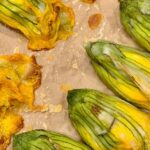
Discover gluten-free baked stuffed squash blossoms, an elegant Italian summer appetizer featuring delicate zucchini flowers and creamy ricotta filling. Delicate zucchini blossoms are one of summer’s most beautiful seasonal ingredients. Their vibrant golden petals, mild vegetable flavor, and tender texture make them a memorable choice for Italian-inspired appetizers. When filled with creamy cheese and baked beneath a light gluten-free coating, these edible flowers become an elegant dish that feels both rustic and refined. Known in Italian as Fiori di Zucca Ripieni al Forno Senza Glutine, gluten-free baked stuffed squash blossoms offer a lighter alternative to the traditionally fried version. Baking allows the blossoms to develop a gently crisp exterior while preserving the tenderness of the petals and the richness of the filling. A classic ricotta filling complements the blossoms without overwhelming their subtle flavor. Fresh basil, garlic, shallot, and aged Italian cheese add savory depth, creating a satisfying contrast between the creamy center and golden coating. These blossoms are especially well suited to summer entertaining, garden-inspired dinners, and Italian appetizer spreads. Their unusual appearance makes them a natural conversation piece, while their familiar cheese and herb flavors keep the dish approachable. What Are Squash Blossoms? Squash blossoms are the edible flowers produced by zucchini and other summer squash plants. They are recognized by their long, tapered petals and vivid yellow or orange color. Although they look delicate, the blossoms are versatile enough to be filled, baked, fried, or incorporated into a variety of savory dishes. The flowers have a mild flavor that is often described as subtly vegetal and slightly sweet. Because that flavor is gentle, squash blossoms pair particularly well with soft cheeses, fresh herbs, garlic, and other ingredients that enhance rather than dominate them. Their short growing season is part of what makes them so special. Fresh squash blossoms are most commonly associated with late spring and summer, when zucchini plants are actively flowering and farmers’ markets are filled with seasonal produce. The Italian Tradition of Stuffed Zucchini Flowers Stuffed zucchini flowers are a beloved part of Italian cooking, with regional variations found throughout the country. In Italy, they are commonly called fiori di zucca ripieni. Fillings vary according to region and family tradition, but ricotta, mozzarella, herbs, and aged Italian cheeses are popular choices. Some versions are fried until crisp, while others are baked for a lighter presentation. The baked style preserves the beauty of the flowers and allows the filling to remain the focus. It also fits naturally into a relaxed summer menu served with salads, vegetables, seafood, or other small Italian dishes. The combination of seasonal produce and simple, flavorful ingredients reflects the Italian approach to summer cooking. Rather than disguising the blossoms, the cheese, herbs, and coating are intended to complement their delicate character. Why Baking Works So Well Deep-fried squash blossoms are wonderfully crisp, but baking creates a different and equally appealing texture. The exterior becomes lightly golden, while the petals remain tender and the cheese filling grows warm and creamy. A light drizzle of olive oil encourages browning and adds Mediterranean flavor. The result is less oily than a traditionally fried blossom but still offers a pleasant contrast between the exterior coating and soft center. Baked blossoms are also convenient for entertaining because several can be arranged together and brought to the table as one beautiful presentation. Their golden color looks especially inviting on a simple white platter surrounded by fresh herbs or summer vegetables. Creating a Flavorful Ricotta Filling Ricotta is an ideal partner for squash blossoms because its mild, milky flavor does not overpower the flowers. Its creamy texture gives each blossom a rich center, while Pecorino Romano or Parmesan contributes a sharper, saltier finish. Fresh basil brings an unmistakable summer aroma. Garlic and shallot add savory complexity, balancing the richness of the cheese and giving the filling more depth. Together, these ingredients create a classic Italian flavor profile that works beautifully with zucchini blossoms. Mozzarella can add another layer of creaminess and a gentle stretch to the filling. It should remain a supporting flavor so the ricotta, basil, and delicate blossoms continue to stand out. The Role of a Gluten-Free Coating A combination of rice flour and sweet rice flour can create a delicate coating suitable for baked squash blossoms. Rice flour contributes lightness, while sweet rice flour helps the coating cling to the flowers and develop a satisfying texture. Sparkling water can make a batter feel lighter by introducing air into the mixture. This is particularly helpful when the goal is a crisp coating that does not feel heavy around the fragile petals. Anyone preparing the dish for a person with celiac disease or gluten sensitivity should check the labels on all packaged products, including the flours, baking powder, cheeses, and seasonings. Clean utensils, bowls, baking dishes, and work surfaces are also important for preventing gluten cross-contact. Selecting Fresh Squash Blossoms Freshness makes a noticeable difference in both appearance and texture. Look for blossoms with vivid color, supple petals, and a fresh appearance. Avoid flowers that are badly wilted, slimy, discolored, or damaged. Squash blossoms are highly perishable and begin to wilt soon after harvesting. Farmers’ markets, farm stands, specialty produce stores, and home gardens are often the best places to find them during the summer. Because the flowers are delicate, they should be handled gently and used as soon as possible. Their fragile nature is one reason they are considered such a seasonal treat. Serving Baked Stuffed Squash Blossoms Gluten-free baked stuffed squash blossoms make an elegant opening course for an Italian-inspired dinner. They pair well with a crisp green salad, marinated vegetables, tomatoes, olives, or grilled zucchini. Their creamy filling also complements bright, acidic flavors. A tomato salad, lemon-dressed greens, or a simple roasted tomato sauce can provide a refreshing contrast to the ricotta and aged cheese. For summer entertaining, the blossoms can be included in an antipasto spread with roasted peppers, artichokes, gluten-free crostini, and fresh mozzarella. Their distinctive shape and golden color add