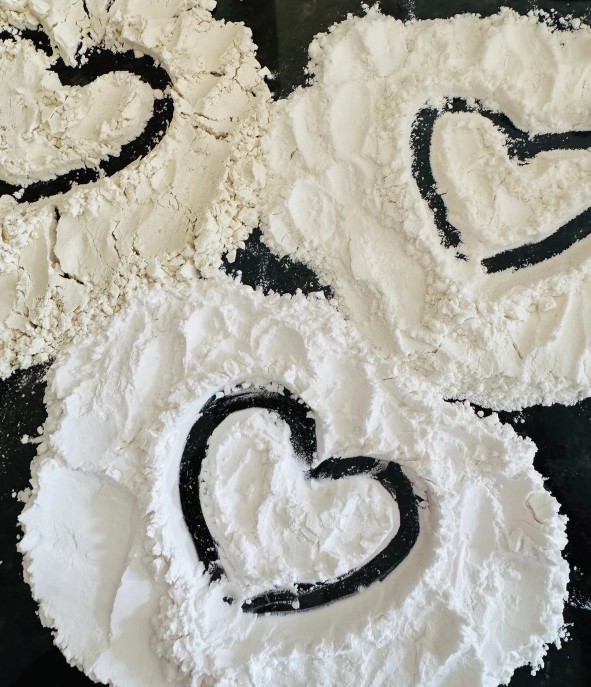

Discover the best substitutes for sorghum flour and their exact one-to-one ratios. Learn which gluten-free flour alternatives work best for breads, cakes, cookies, muffins, pancakes, and more with this complete baking guide.
Have you started baking only to realize you are out of sorghum flour? Do not let an empty pantry stop you from making your favorite gluten-free recipes. Whether you are baking homemade bread, fluffy pancakes, tender muffins, soft cookies, or moist cakes, there are several excellent substitutes for sorghum flour that can deliver delicious results.
Sorghum flour is one of the most commonly used gluten-free flours because of its mild flavor, soft texture, and versatility. It helps create baked goods with a light crumb while blending beautifully with other gluten-free flours and starches. Fortunately, if you cannot find sorghum flour or simply want to try another option, several alternatives can replace it successfully.
In this complete gluten-free flour substitution guide, you will learn the best substitutes for sorghum flour, when to use each one, and the exact substitution ratios for consistently successful baking.
Why Sorghum Flour Is One of the Best Gluten-Free Flours
Sorghum flour is made from finely milled whole-grain sorghum and is naturally gluten-free. It has become a favorite among gluten-free bakers because it closely resembles wheat flour in color, texture, and baking performance.
Unlike heavier gluten-free flours, sorghum flour creates soft, tender baked goods while providing enough structure for breads, cakes, muffins, cookies, pizza crusts, and pancakes. Its mild flavor complements both sweet and savory recipes without overpowering the other ingredients.
Because of these qualities, sorghum flour is often considered one of the foundation flours in homemade gluten-free flour blends.
What Makes a Good Sorghum Flour Substitute?
The best substitute for sorghum flour should provide similar texture, moisture absorption, and baking performance. Some flours create lighter baked goods, while others add more protein, fiber, or a richer flavor.
Choosing the right substitute depends on the recipe you are making and the final texture you want to achieve.
1. Millet Flour: The Best Overall Sorghum Flour Substitute
If you are looking for the closest match, millet flour is widely considered the best substitute for sorghum flour. It has a light color, mild flavor, and soft texture that closely resembles sorghum.
Millet flour performs exceptionally well in breads, muffins, pancakes, cakes, biscuits, cookies, and pie crusts. Because its flavor is delicate, it works equally well in both sweet and savory recipes.
Substitution Ratio:
Replace 1 cup sorghum flour with 1 cup millet flour.
2. Brown Rice Flour: The Most Versatile Replacement
Brown rice flour is one of the easiest gluten-free flours to find and serves as a dependable substitute in countless recipes.
Its slightly nutty flavor adds depth without changing the character of the finished product. Brown rice flour works especially well when paired with tapioca starch or potato starch to improve texture.
It is an excellent choice for cookies, cakes, quick breads, pancakes, and muffins.
Substitution Ratio:
Replace 1 cup sorghum flour with 1 cup brown rice flour.
3. Oat Flour: Perfect for Soft and Moist Baking
Certified gluten-free oat flour produces wonderfully soft baked goods with a naturally mild sweetness.
It is ideal for muffins, snack cakes, pancakes, waffles, breakfast breads, and cookies. Because oat flour absorbs moisture differently than sorghum flour, you may occasionally need to increase the liquid slightly.
Substitution Ratio:
Replace 1 cup sorghum flour with 1 cup oat flour.
4. Quinoa Flour: High in Protein and Nutrients
Quinoa flour is an excellent option for bakers who want to boost the nutritional value of their recipes.
Rich in protein, fiber, iron, and essential amino acids, quinoa flour creates hearty baked goods with excellent structure. Although it has a slightly earthy flavor before baking, it becomes much milder once baked.
Substitution Ratio:
Replace 1 cup sorghum flour with 1 cup quinoa flour.
5. Buckwheat Flour: Rich Flavor for Rustic Baking
Despite its name, buckwheat is naturally gluten-free.
Buckwheat flour offers a robust, nutty flavor that makes it perfect for artisan breads, pancakes, waffles, crepes, and savory baked goods. It produces darker baked goods than sorghum flour but adds exceptional depth of flavor.
Substitution Ratio:
Replace 1 cup sorghum flour with 1 cup buckwheat flour.
6. Gluten-Free All-Purpose Flour Blend: The Easiest Choice
When convenience matters most, a high-quality gluten-free all-purpose flour blend is an excellent replacement.
Most blends contain rice flour, potato starch, tapioca starch, and sometimes xanthan gum, making them suitable for everything from cakes and cookies to breads and muffins.
Before baking, check whether your blend already contains xanthan gum so you can avoid adding too much.
Substitution Ratio:
Replace 1 cup sorghum flour with 1 cup gluten-free all-purpose flour.
7. Amaranth Flour: A Nutrient-Rich Alternative
Amaranth flour is another outstanding gluten-free substitute that adds protein, calcium, magnesium, and iron to baked goods.
Its slightly earthy flavor pairs well with breads, muffins, waffles, and pancakes, especially when combined with lighter gluten-free flours.
Substitution Ratio:
Replace 1 cup sorghum flour with 1 cup amaranth flour.
Which Sorghum Flour Substitute Should You Choose?
If you want the closest replacement in both flavor and texture, millet flour is the clear winner.
For dependable everyday baking, brown rice flour remains one of the most versatile choices.
If you love moist muffins and soft cakes, oat flour is an excellent option.
For extra nutrition, quinoa flour and amaranth flour provide additional protein and minerals.
If you enjoy rustic artisan breads or hearty pancakes, buckwheat flour delivers outstanding flavor.
When simplicity is your goal, a gluten-free all-purpose flour blend makes substitutions effortless.
Expert Tips for Replacing Sorghum Flour
Successful gluten-free baking depends on understanding how different flours absorb moisture.
Always allow your batter or dough to rest for 10 to 15 minutes before baking. This gives gluten-free flours time to fully hydrate and often improves texture.
Measure flour by weight whenever possible for greater accuracy and more consistent baking results.
For breads and cakes, combining multiple gluten-free flours usually creates a lighter texture than using only one flour.
If your batter seems too thick after mixing, add a small amount of liquid one tablespoon at a time until it reaches the desired consistency.
Frequently Asked Questions
Can I substitute sorghum flour with almond flour?
Almond flour is much higher in fat and absorbs moisture differently, so it is not a direct one-to-one substitute for sorghum flour.
Is millet flour the closest substitute for sorghum flour?
Yes. Millet flour has the most similar flavor, color, and texture, making it the preferred replacement for most gluten-free recipes.
Can I use gluten-free all-purpose flour instead of sorghum flour?
Absolutely. Most gluten-free all-purpose flour blends can replace sorghum flour using a one-to-one ratio.
Which substitute is healthiest?
Quinoa flour and amaranth flour are among the most nutrient-dense options because they provide protein, fiber, vitamins, and minerals.
Bake Gluten-Free with Confidence
Running out of sorghum flour does not have to interrupt your baking plans. Whether you choose millet flour, brown rice flour, oat flour, quinoa flour, buckwheat flour, amaranth flour, or a gluten-free all-purpose flour blend, each alternative can help you create delicious homemade baked goods.
Understanding the strengths of each flour and using the proper substitution ratios will help you confidently adapt recipes while achieving the texture, flavor, and consistency you expect. With these gluten-free flour substitutes in your pantry, you will always be ready to bake your next loaf of bread, batch of cookies, or favorite family dessert.