Rustic Harvest Pumpkin Bread: A Beautiful Harvest-Inspired Artisan Loaf
Discover Rustic Harvest Pumpkin Bread, a beautifully scored pumpkin-shaped artisan loaf created for autumn entertaining, Thanksgiving tables, seasonal food styling, and harvest-inspired culinary storytelling.
Rustic Harvest Pumpkin Bread is a seasonal artisan bread project inspired by the warmth, abundance, and natural beauty of autumn. Shaped to resemble a freshly harvested pumpkin, this decorative loaf combines traditional breadmaking, creative scoring, rustic food styling, and seasonal storytelling in one inviting presentation.
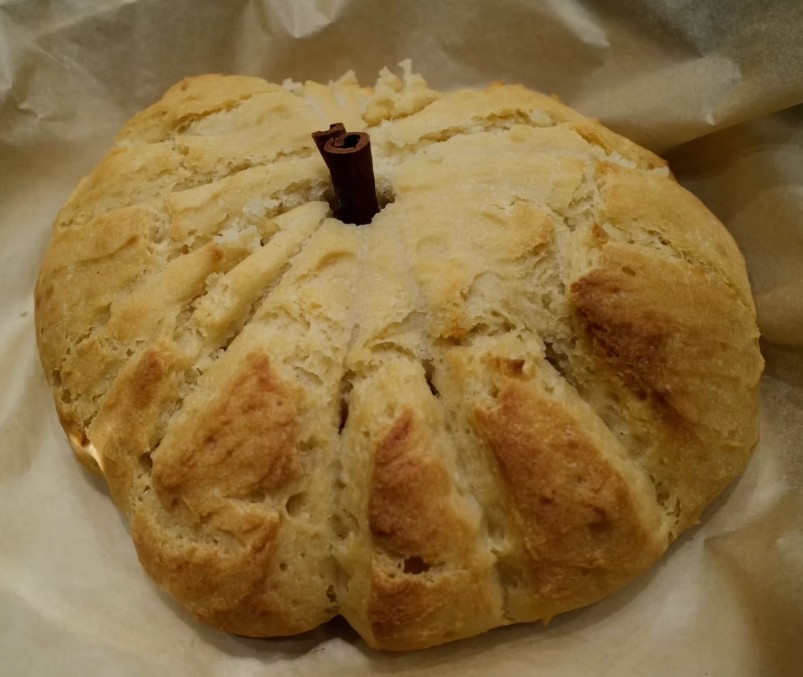
For this project, I wanted to transform a simple round artisan loaf into an edible centerpiece that immediately evokes the harvest season. The pumpkin-inspired shape gives the bread a whimsical quality, while the flour-dusted surface, golden crust, and naturally opened scoring preserve the authentic character of handmade bread.
A cinnamon stick placed in the center completes the design by creating a simple, natural-looking pumpkin stem. This small detail gives the loaf its unmistakable seasonal identity and adds warmth to the overall presentation.
The finished bread feels rustic, artistic, and welcoming. It is designed to be admired as part of an autumn tablescape before being sliced, shared, and enjoyed.
Transforming Artisan Bread Into Edible Art
Decorative bread offers an opportunity to combine culinary technique with visual creativity. In this project, the scoring pattern serves both a functional and artistic purpose. The cuts allow the dough to expand during baking while dividing the surface into rounded sections that resemble the natural curves of a pumpkin.
The scoring radiates from the center of the loaf, guiding the eye toward the cinnamon-stick stem. As the bread bakes, the cuts open and create golden ridges with deeper toasted areas between the sections. These changes give the pumpkin shape greater definition and add dimension to the finished loaf.
No two artisan loaves open in exactly the same way. The natural variations in the crust make each finished pumpkin bread unique. Rather than taking away from the design, these small differences strengthen its handmade appearance and rustic harvest character.
A Celebration of Autumn Color and Texture
The visual appeal of Rustic Harvest Pumpkin Bread comes from its warm colors and contrasting textures. The pale flour-dusted surface highlights the decorative scoring, while the toasted edges introduce rich golden-brown tones associated with fall baking.
The bread’s rounded form gives it a generous, comforting presence. Its crisp exterior and sculptural ridges create visual interest, while the naturally irregular surface keeps the presentation relaxed and approachable.
The cinnamon-stick stem adds another layer of texture and brings a deeper brown accent to the center of the loaf. It is a simple finishing touch, but it completes the pumpkin illusion and helps tell the seasonal story.
Together, the shape, scoring, color, and central stem turn the loaf into a recognizable piece of edible harvest art.
Rustic Food Styling With a Seasonal Story
The food styling for this project centers on natural materials, warm neutral colors, and an uncluttered presentation. Because the bread already has a distinctive shape, it does not need elaborate decorations or numerous props.
A wooden cutting board, textured linen napkin, vintage bread knife, or simple ceramic plate would complement the loaf’s handcrafted character. Small pumpkins, autumn leaves, apples, pears, wheat stalks, or fresh herbs could be added carefully to establish the harvest setting without distracting from the bread.
The loaf can also stand alone as the focal point of the composition. Its round shape, deep scoring, and centered stem provide enough structure and visual interest to create a compelling image with minimal styling.
This approach keeps the bread looking appetizing and authentic while allowing its decorative details to remain the center of attention.
Food Photography and Visual Composition
Rustic Harvest Pumpkin Bread offers several strong possibilities for food photography. An overhead image captures the complete pumpkin shape and emphasizes the scoring as it radiates outward from the center. This perspective clearly shows the relationship between the rounded sections and the cinnamon-stick stem.
An angled view can highlight the height of the loaf, the crisp ridges, and the variations in the baked crust. Detailed photographs can focus on the flour-dusted surface, golden scoring, and rustic texture that distinguish the bread as handmade.
Soft directional lighting would complement the warm, neutral palette and reveal the shape without making the surface appear harsh. Gentle shadows around the scored sections would add depth and strengthen the pumpkin-inspired silhouette.
The finished images would be well suited to seasonal editorial content, autumn baking features, Thanksgiving inspiration, social media campaigns, culinary portfolios, and harvest entertaining stories.
Created for Autumn Gatherings
This decorative artisan loaf would make a memorable centerpiece for Thanksgiving dinner, an autumn brunch, a harvest celebration, or a cozy seasonal gathering. It can be presented whole so guests can appreciate its design before it is sliced and shared.
The bread could also be incorporated into a fall grazing table or served alongside soup, stew, salad, cheese, or other comforting seasonal dishes. Its rustic appearance makes it versatile enough for a casual family meal while still feeling special enough for a holiday table.
Wrapped in parchment and tied with natural twine, the loaf could also become a thoughtful homemade gift. Its recognizable pumpkin shape gives it a personal, creative quality that feels especially appropriate during the harvest season.
A Distinctive Culinary Portfolio Project
Rustic Harvest Pumpkin Bread: A Beautiful Harvest-Inspired Artisan Loaf represents the kind of culinary work I enjoy creating. It brings together recipe concept development, artisan breadmaking, decorative scoring, food styling, photography, and SEO-focused storytelling in one cohesive seasonal project.
The loaf demonstrates how a familiar baked good can be transformed through thoughtful shaping and presentation. Every detail contributes to the final concept, from the rounded form and radiating score pattern to the flour-dusted crust and cinnamon-stick stem.
Most importantly, the project captures the warmth and generosity associated with autumn baking. It is rustic without feeling unfinished, decorative without becoming overly complicated, and artistic while remaining inviting and recognizable.
This harvest-inspired artisan loaf celebrates breadmaking as both a culinary craft and a form of edible art. It is designed to create a memorable visual impression while preserving the comforting character of freshly baked bread.
Featured Project: Rustic Harvest Pumpkin Bread: A Beautiful Harvest-Inspired Artisan Loaf
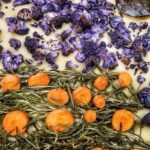
Explore Moonlit Harvest Focaccia Art, an unbaked edible garden arranged with orange harvest details, green herbs, and rich purple botanicals. Food can become a canvas long before it reaches the oven, and my Moonlit Harvest Focaccia Art: An Edible Harvest Inspired by the Garden captures that creative stage in vivid detail. This edible composition transforms a surface of pale focaccia dough into an imaginative autumn landscape filled with orange harvest shapes, tangled green herbs, and rich purple botanicals. For this project, I wanted to recreate the atmosphere of a garden beneath an evening sky. The lower portion of the design resembles an abundant pumpkin patch, with bright orange details nestled among sprawling herbs and delicate greenery. Above the garden, clusters of purple flowers and scattered petals create a dramatic floral sky. The unbaked dough provides a soft, neutral background that allows every natural color and texture to stand out. The completed arrangement feels abundant, mysterious, and deeply connected to the changing season. Transforming an Autumn Garden Into Edible Art The creative concept for Moonlit Harvest Focaccia Art began with the contrast between the warm colors of the harvest and the cooler tones of twilight. Orange pumpkins appear especially luminous when surrounded by green foliage, while purple flowers take on an enchanting quality as daylight fades. I translated that contrast onto the focaccia dough by creating two connected areas within the composition. The lower garden is full, earthy, and densely arranged. Rounded orange harvest shapes become the main focal points, while long green herbs form vines, grasses, stems, and foliage around them. The upper portion has a softer and more atmospheric character. Purple flowers and botanical fragments are gathered into textured clusters, with smaller petals scattered across the open dough. Their placement suggests a dreamy night sky filled with floral movement. Together, these elements form a complete edible landscape that moves naturally from the abundant garden below to the moonlit botanical sky above. A Dramatic Study of Natural Color Color is one of the defining features of this project. The vibrant orange harvest elements create warmth and energy, while the dark green herbs add depth and structure. Purple flowers introduce a cooler palette that gives the artwork its distinctive evening mood. The pale focaccia dough remains visible between the decorative ingredients, creating contrast and allowing the composition to breathe. These open areas are an important part of the design. They separate the colorful botanical groupings while ensuring that the dough remains visible as the canvas for the artwork. The arrangement also draws attention to the beauty of ingredients before they are cooked. The colors appear fresh and vivid, the herbs retain their natural movement, and the flowers display their delicate shapes and tonal variations. Texture and Movement Across the Dough Texture brings the garden scene to life. Rounded orange forms stand out against the fine lines of the herbs, while the purple botanical clusters create soft, irregular areas across the upper portion of the dough. The herbs are arranged in overlapping layers rather than strict rows. Some stretch horizontally across the garden, while others curl around the orange harvest shapes. This loose placement suggests vines and foliage growing freely through a pumpkin patch. The purple flowers have their own sense of movement. Larger groupings establish the moonlit sky, while scattered petals lead the eye through the composition. The contrast between dense botanical sections and exposed dough gives the artwork rhythm and visual balance. Because the focaccia is shown before baking, every ingredient remains clearly defined. This stage highlights the detailed planning, placement, and hands-on artistry behind the design. Food Styling Inspired by an Untamed Garden The food styling embraces the imperfect beauty of nature. The garden is not arranged in rigid lines or identical patterns. Instead, the herbs twist, overlap, and spread around the orange elements as they might in a real garden. The orange harvest shapes vary in size and placement, creating a sense of natural abundance. Some appear prominently in the foreground, while smaller ones are tucked among the greenery. This variation creates depth and prevents the composition from feeling flat or repetitive. The purple botanicals are arranged with similar freedom. Their scattered placement softens the division between the garden and the sky, giving the entire surface a connected, painterly quality. I wanted the design to feel carefully composed without losing its organic character. Each ingredient has a deliberate place, but the overall arrangement remains relaxed, expressive, and rooted in the visual language of the garden. Photographing the Creative Process The overhead perspective presents the unbaked focaccia as a complete piece of edible artwork. From this viewpoint, the viewer can immediately recognize the relationship between the harvest garden, tangled greenery, and purple floral sky. The close framing emphasizes the details of the arrangement. Individual herb leaves, rounded orange forms, delicate petals, and the soft surface of the dough are all visible. This perspective documents an important stage in the creative process, when the design has been completed but the ingredients remain fresh and vibrant. Photographing the focaccia before baking also preserves the original colors and placement of the decorative elements. The image serves as both a finished artistic composition and a behind-the-scenes look at the careful styling involved in creating botanical focaccia art. An Edible Celebration of the Harvest Season Moonlit Harvest Focaccia Art would bring a distinctive seasonal mood to an autumn dinner, harvest celebration, Halloween gathering, Thanksgiving table, garden party, or culinary content campaign. The orange and green elements reflect familiar harvest imagery, while the purple flowers introduce an unexpected sense of enchantment. This combination allows the design to feel warm and autumnal without becoming conventional. The concept can also inspire other seasonal compositions based on the colors, flowers, herbs, and produce found in a particular garden. Each version can tell a different story while preserving the idea of focaccia dough as an edible canvas. A Distinctive Culinary Portfolio Project Moonlit Harvest Focaccia Art: An Edible Harvest Inspired by the Garden reflects my approach to culinary
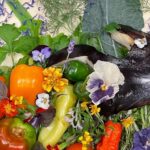
Explore Garden Harvest Cornucopia Focaccia Art, a colorful edible holiday centerpiece featuring seasonal produce, herbs, flowers, and creative food styling. Garden Harvest Cornucopia Focaccia Art is a culinary art project inspired by the beauty, color, and abundance of the autumn garden. I created this edible centerpiece to bring the traditional symbolism of the cornucopia to life through handcrafted focaccia, seasonal produce, fresh herbs, and colorful edible flowers. The cornucopia has long represented prosperity, gratitude, generosity, and a plentiful harvest. These associations make it especially meaningful during Thanksgiving and other fall celebrations. For this project, I transformed that familiar symbol into a garden-inspired work of edible art designed to become a memorable focal point on the holiday table. My goal was to create a presentation that felt abundant, natural, and full of movement. The finished piece brings together concept development, edible design, food styling, process photography, visual storytelling, culinary writing, and SEO content development in one cohesive seasonal project. Developing the Garden Harvest Concept The creative process began with the idea of using focaccia as a canvas for an autumn harvest scene. Instead of treating the bread as a simple background, I developed the entire surface as a visual composition. The dark, curved cornucopia creates a dramatic focal point and gives the design its recognizable shape. A generous arrangement of vegetables, herbs, leaves, and edible flowers appears to spill from the horn of plenty, suggesting a freshly gathered garden harvest. I wanted the composition to capture the joy of bringing seasonal ingredients from the garden into the kitchen. Each decorative element was selected for its color, form, texture, and contribution to the overall harvest story. Bright peppers create bold areas of orange, red, yellow, and green, while purple vegetables and blossoms add depth and contrast. Fresh herbs and leafy elements introduce softness and movement throughout the arrangement. The result is intentionally abundant without feeling overly structured. Rather than placing every element in a rigid pattern, I created a flowing design that reflects the natural variation and imperfect beauty found in a garden. Turning Focaccia into Edible Art Focaccia provides an ideal foundation for this type of culinary artwork. Its broad surface creates space for detailed visual storytelling, while its rustic character complements the seasonal garden theme. For this project, the focaccia functions as both food and an artistic medium. Its shape, color, and texture support the harvest arrangement while retaining the inviting appearance of handcrafted bread. The finished work is meant to be admired as a centerpiece and shared as part of the meal. The contrast between the bread and the decorative elements gives the design dimension. Rounded peppers, delicate petals, feathery herbs, textured leaves, and sculptural vegetables create layers across the surface. These variations in size and shape encourage viewers to notice both the complete composition and its smaller details. This connection between appearance and purpose is central to my approach to edible art. The project needed to be visually engaging, but it also needed to feel warm, welcoming, and connected to the experience of gathering around the table. Styling an Abundant Harvest Food styling played an essential role in creating the sense of abundance. I used the cornucopia as the starting point and arranged the garden elements so they appeared to flow naturally from its opening. Larger vegetables establish the primary structure of the arrangement. Smaller herbs, blossoms, and leafy accents fill the surrounding spaces and connect the individual elements. This combination of scales gives the design fullness while allowing each ingredient to remain visible. Color placement was carefully considered throughout the styling process. Warm orange, red, and yellow tones communicate the feeling of autumn, while green and purple elements provide balance. Small flowers introduce bright accents that soften the composition and reinforce its garden-inspired character. The direction of the vegetables and herbs also creates movement. The ingredients do not appear as separate decorations placed randomly across the bread. Instead, they form a continuous visual path that begins at the cornucopia and expands into a colorful harvest display. I preserved a degree of asymmetry to keep the arrangement feeling organic. Natural variations in shape, spacing, and direction prevent the piece from becoming too formal and help it retain the charm of something gathered from the garden. An Edible Centerpiece for the Holiday Table Garden Harvest Cornucopia Focaccia Art was designed for Thanksgiving, Friendsgiving, autumn dinner parties, harvest celebrations, and seasonal gatherings. Displayed on a generous board or serving platter, the focaccia can serve as an edible alternative to a traditional floral centerpiece. It brings color, texture, and botanical beauty to the table while remaining closely connected to the meal. The presentation creates an experience for guests from the moment they see it. They can first admire the design as a work of culinary art and later share it as part of the gathering. That transition from centerpiece to shared food gives the project a sense of purpose beyond decoration. The cornucopia imagery also adds emotional meaning. It represents gratitude for the season, appreciation for ingredients grown from the earth, and the pleasure of sharing food with others. These themes make the artwork especially appropriate for celebrations centered on hospitality and giving thanks. Process Photography and Visual Storytelling Process photography documents the transformation of the initial concept into a finished edible centerpiece. Capturing important stages of the creative process helps tell a more complete story about how the design develops. The progression from a simple focaccia canvas to a detailed harvest composition reveals the planning behind the final image. It allows viewers to see how color, scale, texture, and placement work together to create the completed artwork. For the finished presentation, an overhead perspective highlights the full shape of the cornucopia and the movement of the harvest arrangement. It shows how the vegetables, herbs, leaves, and flowers relate to one another across the surface. The dark background creates strong contrast with the vivid produce and flowers. This allows the seasonal colors to stand out while giving the image a
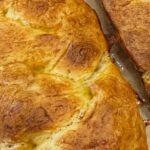
Explore Golden Braided Challah Bread, a handcrafted artisan loaf celebrating Jewish culinary tradition through breadmaking, styling, photography, and storytelling. Golden Braided Challah Bread is a culinary project that celebrates traditional breadmaking through careful craftsmanship, thoughtful food styling, and warm visual storytelling. With its intricately woven shape, glossy golden crust, and tender interior, this handcrafted artisan loaf was created to feel timeless, elegant, and welcoming. For this project, I wanted to highlight the artistry behind a classic braided challah while honoring the cultural traditions connected to this meaningful bread. Every stage, from developing the concept and shaping the strands to styling and photographing the finished loaf, was thoughtfully planned to create a cohesive culinary story. The finished project brings together artisan breadmaking, process photography, creative presentation, and editorial content. It showcases challah as more than a beautiful loaf. It is a bread associated with heritage, hospitality, community, and the experience of gathering around the table. Honoring a Meaningful Culinary Tradition Challah holds an important place in Jewish culinary tradition. It is commonly shared during Shabbat, holidays, family celebrations, and other meaningful occasions. Its presence at the table extends beyond flavor and appearance, creating a connection to heritage, community, and the rituals surrounding shared food. I approached the project with respect for that cultural significance. Rather than transforming the challah into something unfamiliar, I focused on highlighting the qualities that make it so recognizable and treasured. The traditional braided form became the centerpiece of the creative direction. Its interwoven strands provide a distinctive sculptural appearance while reflecting the patience and craftsmanship involved in making bread by hand. The rich golden color, polished surface, and soft interior completed the visual and sensory story. Developing the Handcrafted Artisan Loaf The creative process began with the shape and structure of the challah. Producing a beautifully braided loaf requires patience, consistency, and close attention to detail. Each strand needed to be evenly formed so the braid would appear balanced and remain clearly defined as the bread expanded. Careful shaping helped preserve the softness of the dough while creating a strong and elegant pattern. My goal was to produce a substantial loaf with graceful curves and a refined silhouette. The braid needed to look attractive from several angles, allowing the finished challah to serve as both a traditional bread and a striking table centerpiece. Because the loaf was shaped by hand, it retained the subtle variations that give artisan bread its individual character. These natural details made the challah feel personal and authentic, revealing the human process behind its creation. Creating the Signature Golden Finish The golden crust was an essential part of the project’s visual identity. Its glossy surface emphasizes the woven strands and draws attention to the sculptural shape of the loaf. As the challah bakes, the raised portions of the braid develop warm highlights while the spaces between the strands deepen in color. This natural contrast gives the bread dimension and makes the braided pattern appear even more pronounced. The polished finish also interacts beautifully with light. Highlights travel across the rounded sections, while gentle shadows settle into the woven pattern. This combination creates depth, warmth, and a sense of movement throughout the loaf. The final color was carefully considered so the challah would appear richly golden without losing the delicate details of the crust. Revealing a Tender Interior The appearance of the finished bread needed to communicate the softness waiting beneath its glossy exterior. Inside, the challah has a tender, lightly springy crumb that separates into delicate sections. This inviting interior creates a beautiful contrast with the burnished crust. Photographs of the whole loaf emphasize the symmetry and craftsmanship of the braid, while sliced or gently separated portions reveal its softness and freshness. The bread’s gentle richness and subtle sweetness contribute to its familiar, comforting character. These qualities make challah well suited to traditional meals, family celebrations, holiday tables, and other occasions centered on sharing food. Capturing both the polished exterior and tender interior allowed the project to tell a more complete sensory story. Styling the Challah with Warmth and Simplicity My food styling approach was intentionally understated so the challah could remain the focal point. The loaf already contains an abundance of visual detail, from the repeating braided pattern to the natural color variations across its golden crust. The surrounding elements were selected to evoke warmth, generosity, and hospitality. Simple textures and a welcoming tabletop presentation supported the loaf without distracting from its handcrafted form. I wanted the bread to feel polished but not overly staged. Its defined strands, subtle surface variations, and artisan character remained visible throughout the final composition. This restraint allowed the imagery to feel refined while preserving the comforting familiarity of freshly baked bread. Documenting the Creative Process Process photography played an important role in the visual storytelling for this project. Showing the challah at different stages offered a closer look at the skill and patience involved in creating the finished loaf. The progression from individual strands to an intricate braid demonstrated how a sequence of careful movements could produce such an elegant form. These images gave the audience a better understanding of the technique while making the craft of breadmaking feel more accessible. Documenting the process also established a meaningful connection between the finished challah and the work behind it. The golden loaf became more than a polished final image. It became the conclusion of a visible creative journey. Capturing the Challah Through Photography The final photography was designed to showcase the bread’s sculptural shape, glossy finish, and inviting texture. Lighting was especially important because it needed to define the braid without making the crust appear harsh or excessively polished. Soft highlights followed the raised strands, while gentle shadows emphasized the spaces between them. This balance preserved the intricate structure of the loaf and enhanced its warm golden color. The camera angles were selected to reveal the challah’s height, length, symmetry, and handcrafted details. Wider compositions presented the bread as a centerpiece, while closer photographs highlighted
Originally published
March 2026
Updated
August 2026
Reviewed by
Culibloom