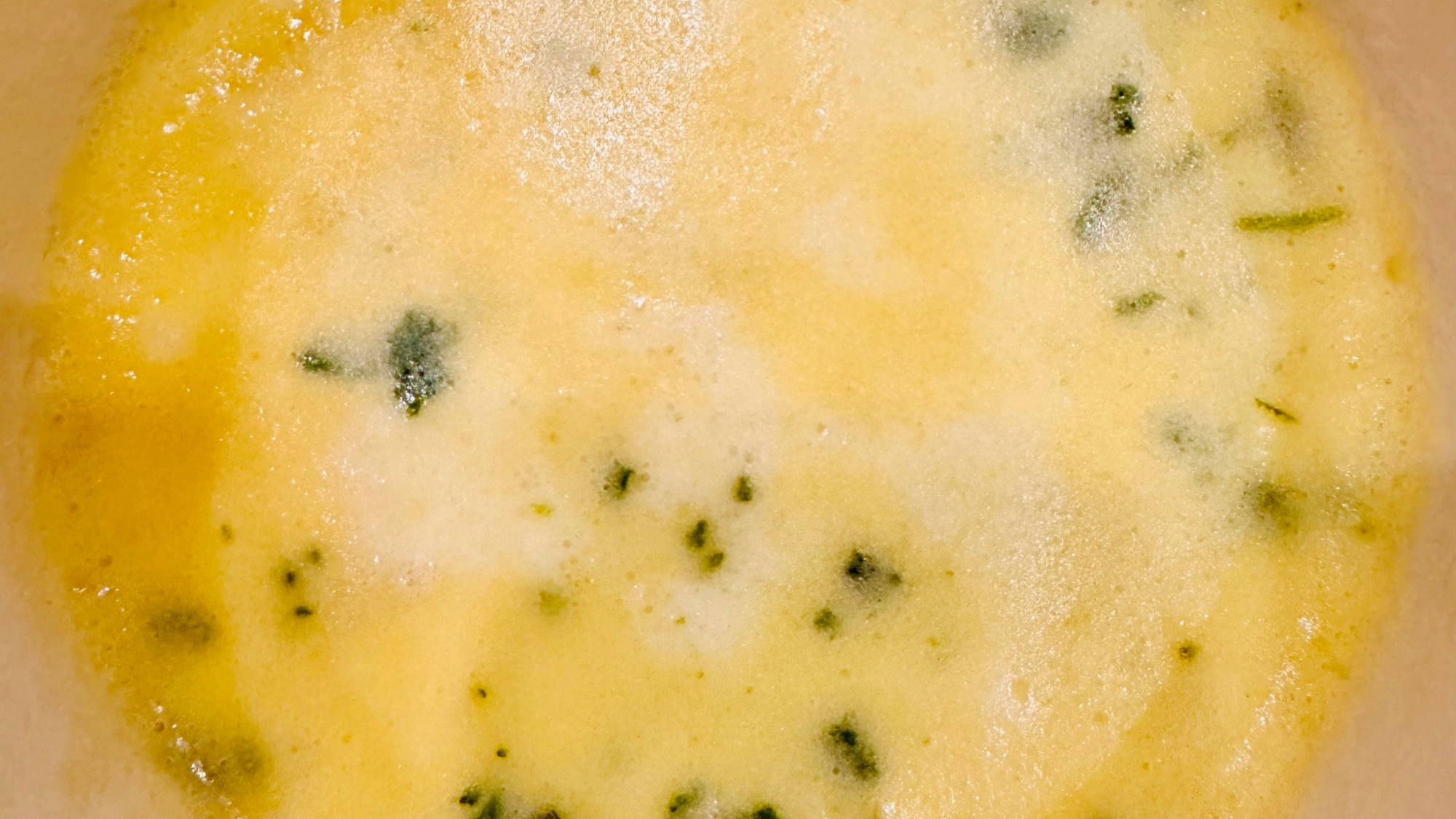
Make this easy herb compound butter recipe with Garlic Chive Dill, Lemon Thyme, Honey Rosemary Sage, and Sun-Dried Tomato Basil variations for meat, seafood, vegetables, and gluten-free bread.
Fresh herbs have an incredible way of transforming even the simplest ingredients, and homemade compound butter is one of the easiest ways to put those garden-fresh flavors to work. Creamy butter becomes a versatile finishing ingredient when blended with fresh herbs, garlic, citrus, sun-dried tomatoes, or a touch of honey.
This easy herb compound butter recipe gives you four different flavor combinations to choose from: Garlic Chive Dill, Lemon Thyme, Honey Rosemary Sage, and Sun-Dried Tomato Basil. Each variation has its own distinctive flavor and can be prepared individually or as part of a complete compound butter assortment.
Garlic Chive Dill is savory and fresh, making it an excellent choice for potatoes, seafood, vegetables, and steak. Lemon Thyme adds a bright citrus note that pairs naturally with chicken and fish. Honey Rosemary Sage combines earthy herbs with just enough sweetness for poultry, pork, squash, and sweet potatoes. Sun-Dried Tomato Basil brings together classic Mediterranean-inspired flavors for vegetables, pasta, meat, and warm gluten-free bread.
Each individual variation makes approximately 1/2 cup of compound butter. If you prepare all four flavors, you will make approximately 2 cups total. Shape the butter into logs, chill until firm, and slice off a round whenever you want an easy burst of fresh herb flavor.
Prep Time: 10 minutes
Chill Time: 2 hours
Total Time: 2 hours 10 minutes
Yield: About 1/2 cup per flavor, or about 2 cups total when making all 4 variations
Ingredients
Garlic Chive Dill Compound Butter
1/2 cup unsalted butter, softened to room temperature
1 tablespoon finely chopped fresh dill
1 tablespoon finely chopped fresh chives
1/2 garlic clove, finely grated
1/2 teaspoon sea salt
Lemon Thyme Compound Butter
1/2 cup unsalted butter, softened to room temperature
2 teaspoons fresh thyme leaves
1/4 teaspoon finely grated lemon zest
1/2 teaspoon sea salt
Pinch of red pepper flakes
Honey Rosemary Sage Compound Butter
1/2 cup unsalted butter, softened to room temperature
1 teaspoon finely chopped fresh rosemary
1 teaspoon finely chopped fresh sage
1 teaspoon honey or pure maple syrup
1/2 teaspoon sea salt
Sun-Dried Tomato Basil Compound Butter
1/2 cup unsalted butter, softened to room temperature
1 tablespoon finely chopped fresh basil leaves
1 tablespoon finely chopped sun-dried tomatoes
1/2 garlic clove, finely grated
1/4 teaspoon sea salt
Directions
Step 1: Prepare the Butter and Herbs
Allow the butter to soften at room temperature until it is easy to stir but not melted. If you are preparing all four variations, place 1/2 cup softened butter into each of four small bowls.
Wash the fresh herbs as needed and dry them thoroughly before chopping. Finely chop the rosemary and sage so their stronger flavors and firmer texture distribute evenly.
If using oil-packed sun-dried tomatoes, drain them and blot away excess oil before finely chopping.
Step 2: Make the Compound Butter Variations
For the Garlic Chive Dill Compound Butter, mix the dill, chives, grated garlic, and sea salt into 1/2 cup softened butter.
For the Lemon Thyme Compound Butter, mix the thyme, lemon zest, sea salt, and red pepper flakes into 1/2 cup softened butter.
For the Honey Rosemary Sage Compound Butter, mix the rosemary, sage, honey or maple syrup, and sea salt into 1/2 cup softened butter.
For the Sun-Dried Tomato Basil Compound Butter, mix the basil, sun-dried tomatoes, grated garlic, and sea salt into 1/2 cup softened butter.
Stir each variation just until its ingredients are evenly distributed.
Step 3: Shape the Butter
Place each prepared compound butter onto a separate piece of parchment paper or plastic wrap.
Use the wrapping to shape the butter into a compact log. Roll tightly and twist the ends closed. Label the logs if you are making more than one flavor.
Step 4: Chill Until Firm
Place the wrapped compound butter logs in the refrigerator and chill for at least 2 hours, or until firm enough to slice cleanly.
For make-ahead preparation, the butter can be refrigerated overnight.
Step 5: Slice and Serve
Unwrap the chilled compound butter and cut it into rounds as needed.
Place a slice over hot steak, chicken, seafood, roasted vegetables, or potatoes and allow the butter to melt naturally over the food. You can also soften the compound butter slightly and spread it over warm gluten-free bread.
Garlic Chive Dill pairs especially well with baked potatoes, seafood, chicken, steak, and roasted vegetables. Lemon Thyme complements fish, shrimp, chicken, asparagus, carrots, green beans, and potatoes.
Honey Rosemary Sage is particularly good with chicken, turkey, pork, roasted squash, sweet potatoes, carrots, and gluten-free biscuits. Sun-Dried Tomato Basil pairs beautifully with chicken, steak, fish, roasted vegetables, gluten-free pasta, potatoes, and toasted gluten-free bread.
Notes
Each variation uses 1/2 cup of butter and makes approximately 1/2 cup of compound butter.
Preparing all four variations requires 2 cups of butter and produces approximately 2 cups of finished compound butter. The herbs and other additions may increase the finished volume slightly.
For the best flavor and texture, use fresh herbs that are completely dry. Moisture left on freshly washed herbs can affect the consistency and storage quality of the butter.
If using salted butter instead of unsalted butter, reduce or omit the added sea salt according to taste.
For a dairy-free version, substitute a firm plant-based butter suitable for spreading and cooking.
Because many plant-based butters already contain salt, omit the additional salt initially and season only if needed.
Compound butter does not have to be shaped into logs. It can also be spooned into ramekins or pressed into small silicone molds for individual servings.
For convenient portions, chill the compound butter until firm and cut it into approximately 1-tablespoon rounds. Place small pieces of parchment paper between the slices before freezing so you can easily remove individual portions.
Store the compound butter tightly wrapped or in an airtight container in the refrigerator. For longer storage, freeze the logs or individual portions and thaw the amount needed in the refrigerator before serving.
If you are growing fresh herbs at home, compound butter is also a convenient way to use small harvests of dill, chives, thyme, rosemary, sage, and basil while their flavors are at their best.