Make caramelized honey soy wings with Korean BBQ seasoning, gluten-free soy sauce, and Japanese BBQ sauce for a sweet and savory grilled favorite.
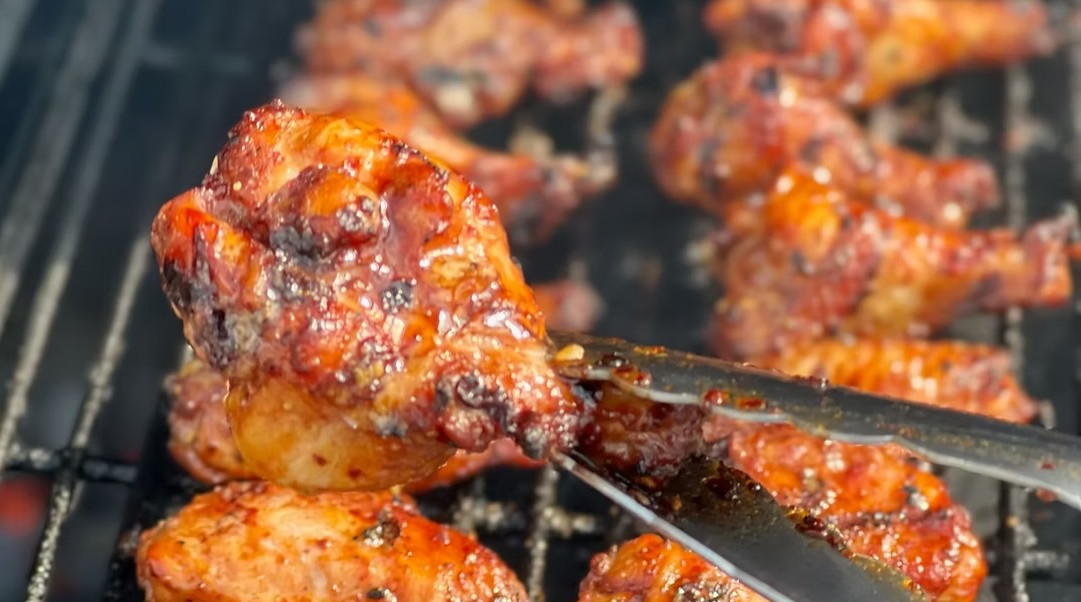
Sweet, savory, and irresistibly smoky, these Caramelized Honey Soy Wings are packed with layers of bold barbecue flavor. The chicken wings are seasoned with gluten-free soy sauce and Korean BBQ seasoning, then allowed to marinate before being slowly grilled over indirect heat. A finishing glaze of honey granules and Japanese BBQ sauce gives the wings a glossy, lightly caramelized exterior.
Cooking the wings primarily over indirect heat allows them to become tender and juicy without burning the seasonings. After they are fully cooked, the wings are coated with the honey soy glaze and returned to the grill. This final cooking period thickens the sauce and helps it cling to every bite.
For an extra-smoky finish, the wings can be moved over direct heat during the final minutes of cooking. This optional step adds attractive grill marks and a touch of char that balances the sweetness of the glaze. Watch the wings carefully during this stage because sauces containing sugar can darken quickly.
These flavorful grilled wings are perfect for game days, summer cookouts, tailgate parties, casual gatherings, or an easy family dinner. Serve them as an appetizer with dipping sauces and crunchy vegetables, or turn them into a complete meal with rice, coleslaw, grilled vegetables, or a crisp green salad.
Directions
Step 1: Prepare the Chicken Wings
Place the chicken wings in a large mixing bowl. Patting the wings dry with paper towels before placing them in the bowl can help the oil and seasonings adhere more evenly.
Drizzle the wings with the olive oil. Toss until every wing is lightly and evenly coated.
Step 2: Season the Wings
Add the gluten-free soy sauce and Korean BBQ rub seasoning to the bowl. Toss the wings thoroughly by hand or with sturdy kitchen tongs, making sure the seasoning mixture covers all sides of each piece.
Step 3: Marinate the Wings
Cover the bowl and refrigerate the seasoned wings for at least 2 hours. This resting time gives the savory soy sauce and Korean BBQ seasoning an opportunity to flavor the chicken.
Keep the wings refrigerated throughout the marinating period. Remove them from the refrigerator when you are ready to preheat the grill.
Step 4: Prepare the Grill
Preheat the grill to 425°F and arrange it with direct and indirect heat zones. The wings will cook primarily over indirect heat before receiving an optional finish over the hotter side of the grill.
Lightly grease the clean grill grates with canola oil to help prevent sticking. Use long-handled tongs and an oil-soaked paper towel rather than pouring the oil directly over the grill.
Step 5: Arrange the Wings
Remove the wings from the marinade and arrange them in a single layer on the indirect-heat side of the grill. Leave a little room between the pieces so heat can circulate around them.
Discard any liquid remaining in the bowl that held the raw chicken. Do not use it as a sauce or glaze.
Step 6: Grill the Wings
Close the grill lid and cook the wings over indirect heat for 40 minutes. Turn them after the first 20 minutes so both sides cook evenly.
Grill temperatures can fluctuate, so monitor the heat and adjust the burners or vents as necessary to keep the grill near 425°F.
Step 7: Check for Doneness
Insert an instant-read meat thermometer into the thickest portion of several wings without touching the bone. The chicken must reach an internal temperature of at least 165°F before the glaze is added.
If some wings reach the proper temperature before others, transfer the cooked pieces to a clean bowl while the remaining wings continue cooking.
Step 8: Glaze the Wings
Place the fully cooked wings in a large, clean mixing bowl. Do not reuse the unwashed bowl that held the raw chicken.
Sprinkle the honey granules evenly over the hot wings, then drizzle them with the Japanese BBQ sauce. Toss gently until every wing is thoroughly coated with the sweet and savory glaze.
Step 9: Caramelize the Glaze
Return the glazed wings to the indirect-heat side of the grill. Close the lid and cook for an additional 10 minutes, turning the wings as needed.
During this final cooking period, the glaze will become hot, glossy, and lightly caramelized. Watch for flare-ups and move the wings farther from the heat if the sauce begins to darken too quickly.
Step 10: Add an Optional Char
For a smokier flavor and lightly charred exterior, move the wings over direct heat during the final 2 minutes of cooking. Grill for approximately 1 minute per side.
Stay close to the grill and turn the wings promptly. The honey granules and Japanese BBQ sauce contain sugars that can burn when exposed to intense heat.
Step 11: Serve
Transfer the finished wings to a clean serving platter. Allow them to rest for a few minutes so the glaze can settle, then serve while hot.
These wings can be served on their own or paired with sliced cucumbers, carrot sticks, coleslaw, steamed rice, grilled vegetables, or a fresh green salad. Offer extra gluten-free Japanese BBQ sauce on the side if desired.
Notes
For spicier wings, add a pinch of cayenne pepper or crushed red pepper flakes to the seasoning mixture. Adjust the amount according to your preferred heat level.
Gluten-free soy sauce or tamari can be used in this recipe. Check the product label before using it because ingredients and manufacturing practices can vary among brands.
Honey granules help produce a caramelized coating without making the wings as sticky as a glaze prepared entirely with liquid honey.
Japanese BBQ sauce and Korean BBQ seasoning are not always gluten-free. When preparing these wings for someone with celiac disease or gluten sensitivity, select products with appropriate gluten-free labeling and prevent cross-contact during preparation, grilling, and serving.
Use separate clean utensils, bowls, and platters for raw and cooked chicken. Never place grilled wings on a surface that previously held raw poultry unless it has been thoroughly washed and sanitized.
Chicken is safe to eat when it reaches a minimum internal temperature of 165°F. Check several of the thickest wings because individual pieces may cook at slightly different rates.
The optional direct-heat finish provides additional char, but it requires close attention. If the glaze begins to burn, immediately return the wings to the indirect-heat side of the grill.
Store leftover wings in an airtight container in the refrigerator for up to 3 days. Reheat them in a 375°F oven or air fryer until they reach an internal temperature of 165°F and the exterior is hot and crisp.