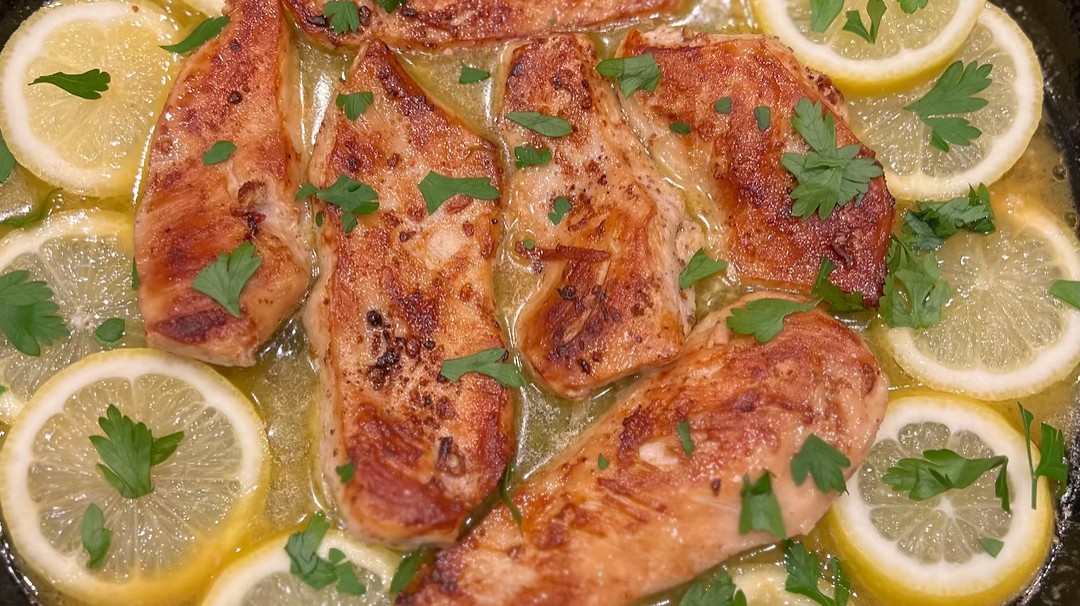
Make a bright piccata sauce with lemon, white wine, butter, garlic, and capers for chicken, fish, shrimp, scallops, or pork.
Bright, buttery, and pleasantly tangy, this Piccata Sauce Recipe combines fresh lemon juice, dry white wine, garlic, shallot, and briny capers. The silky lemon caper butter sauce brings restaurant-style flavor to chicken, fish, shrimp, scallops, or pork without requiring a long list of complicated ingredients.
Lightly coating the selected meat or seafood in sweet rice flour helps it brown beautifully while creating flavorful bits in the skillet. Deglazing the pan with white wine lifts those savory bits into the sauce, while butter gives the finished piccata a smooth, glossy consistency. The result is naturally gluten-free when every packaged ingredient is appropriately labeled.
Ready in about 20 minutes, this versatile sauce is ideal for an elegant weeknight dinner or a special occasion meal. Serve it with mashed potatoes, gluten-free pasta, rice, roasted vegetables, or crusty gluten-free bread to capture every spoonful of the vibrant lemon butter sauce.
Directions
Step 1: Prepare the Meat or Seafood
Pat the chicken, fish, shrimp, scallops, or pork dry with paper towels. Removing excess surface moisture helps the sweet rice flour adhere evenly and encourages better browning in the skillet.
Season both sides with salt and black pepper. Spread the sweet rice flour on a shallow plate, then lightly coat each piece in the flour. Shake off the excess so that only a thin, even layer remains. Discard any flour that has come into contact with raw meat or seafood.
Step 2: Heat the Skillet
Place a large skillet over medium heat. Add the olive oil and 1 tablespoon of the butter. Allow the butter to melt and begin sizzling, but do not let it burn.
The skillet should be hot enough to brown the coating as soon as the meat or seafood is added. If the butter begins darkening too quickly, reduce the heat slightly before continuing.
Step 3: Brown the Meat or Seafood
Arrange the floured meat or seafood in the skillet in a single layer. Avoid overcrowding the pan, as crowding may trap steam and prevent the exterior from browning properly. Cook in batches if necessary.
Cook thin fillets or small pieces for approximately 2 to 3 minutes per side, or until lightly golden and cooked through. Adjust the cooking time for thicker cuts and for the particular meat or seafood being prepared.
Transfer the cooked meat or seafood to a clean serving platter and keep it warm while preparing the sauce. Do not place cooked food on the plate that held the raw ingredients.
Step 4: Deglaze the Skillet
Increase the heat to medium-high. Carefully pour the dry white wine into the skillet. The wine may bubble vigorously when it reaches the hot pan.
Use a wooden spoon to scrape the browned bits from the bottom of the skillet. These flavorful bits contribute savory depth and help give the finished piccata sauce its characteristic pan-cooked flavor.
Step 5: Add the Aromatics
Add the finely chopped shallot and minced garlic to the wine. Cook for 1 to 2 minutes, stirring frequently, until the shallot begins to soften and the garlic becomes fragrant.
Watch the garlic carefully because it can become bitter if it burns. The wine should reduce slightly as the aromatics cook, concentrating the flavor of the sauce.
Step 6: Add the Lemon and Capers
Stir in the fresh lemon juice and drained capers. Allow the mixture to simmer for about 1 minute so the bright citrus, wine, garlic, shallot, and caper flavors can blend.
Taste the sauce carefully and adjust the salt and black pepper if needed. Capers are naturally salty, so taste the sauce before adding additional salt.
Step 7: Finish With Butter
Remove the skillet from the heat. Add the remaining 1 tablespoon of butter and stir gently until it has completely melted into the sauce.
Finishing the sauce away from direct heat helps the butter blend smoothly with the wine and lemon juice. The completed piccata sauce should look silky, glossy, and lightly thickened rather than oily or separated.
Step 8: Sauce the Meat or Seafood
Spoon the warm lemon caper butter sauce over the cooked chicken, fish, shrimp, scallops, or pork. Make sure each serving receives some of the shallot, garlic, and capers along with the buttery liquid.
If desired, briefly return the cooked meat or seafood to the skillet and turn it gently in the sauce. Keep this step short to prevent delicate seafood or thin pieces of meat from overcooking.
Step 9: Garnish and Serve
Garnish the finished dish with fresh parsley leaves or chopped fresh parsley. Serve immediately while the piccata sauce is warm, glossy, and aromatic.
Pair the dish with mashed potatoes, gluten-free pasta, steamed rice, roasted vegetables, or gluten-free bread. Mild side dishes work particularly well because they balance the sauce’s lively lemon and caper flavors.
Notes
Sweet rice flour creates a delicate gluten-free coating and helps develop flavorful browned bits in the skillet. It is different from regular rice flour and is sometimes labeled glutinous rice flour, although it does not contain gluten.
The full cup of sweet rice flour provides enough flour for convenient dredging. The amount that actually adheres will depend on the size and quantity of meat or seafood being prepared. Discard leftover flour that has touched raw ingredients.
When preparing this recipe for someone with celiac disease or gluten sensitivity, confirm that the sweet rice flour, capers, butter, wine, and all other packaged ingredients have appropriate gluten-free labeling. Prevent cross-contact by using clean cookware, utensils, and preparation surfaces.
Use freshly squeezed lemon juice for the cleanest and brightest citrus flavor. Bottled lemon juice may taste more acidic or muted and can change the balance of the sauce.
Sauvignon Blanc, Pinot Grigio, and Chardonnay are all suitable dry white wines for piccata sauce. Choose a wine with a flavor you enjoy because its character will become more concentrated as it cooks.
Must be 21 years of age or older to purchase or consume alcoholic beverages. Please drink responsibly.
For a richer finish, an additional tablespoon of butter may be stirred into the sauce after the skillet has been removed from the heat. This is optional and will create a fuller, more buttery consistency.
Small capers distribute easily throughout the sauce, but larger capers may also be used. Drain them well before adding them to the skillet. For a milder caper flavor, rinse and drain them before use.
Do not overcook delicate fish, shrimp, or scallops. If they finish cooking before the sauce is ready, transfer them to a warm platter and add the sauce immediately before serving.
Piccata sauce is best served freshly prepared. If leftovers remain, refrigerate the sauce and cooked meat or seafood promptly in an airtight container. Reheat gently over low heat, stirring as needed to help the butter sauce come back together.