
Discover what makes the best gluten-free cannoli so delicious, from crisp homemade shells to creamy ricotta mascarpone filling and classic garnishes.
Gluten-free cannoli brings the irresistible contrast of crisp pastry and creamy filling to anyone who needs or prefers a gluten-free dessert. With golden homemade shells, rich ricotta mascarpone filling, delicate citrus, warm cinnamon, and miniature chocolate chips, these Italian pastries are every bit as inviting as their traditional counterparts.
Cannoli are a natural choice for holidays, Italian-themed dinners, weddings, birthdays, and other special occasions. Their elegant appearance makes them feel festive, while the familiar combination of pastry, cream, chocolate, and citrus gives them broad appeal.
The most memorable cannoli balance texture and flavor carefully. The shells should be light and crisp rather than heavy or greasy, while the filling should be smooth, thick, and pleasantly sweet. Neither component should overpower the other. When they come together just before serving, the result is a dessert with a satisfying crunch followed by a cool, creamy center.
What Makes Gluten-Free Cannoli Special
Traditional cannoli shells are generally made with wheat flour, which means they are unsuitable for people following a gluten-free diet. Gluten-free cannoli shells rely on a carefully balanced combination of alternative flours and starches to achieve a similar crisp texture.
Rice flour provides structure, while tapioca flour and potato starch contribute lightness and flexibility. Xanthan gum helps bind the dough and gives it enough elasticity to be shaped around cannoli forms without falling apart.
This combination is especially important because cannoli shells need to be thin enough to become crisp but strong enough to hold a generous amount of filling. A properly balanced gluten-free dough can produce delicate bubbles, golden color, and the satisfying snap associated with traditional cannoli.
The Appeal of Homemade Cannoli Shells
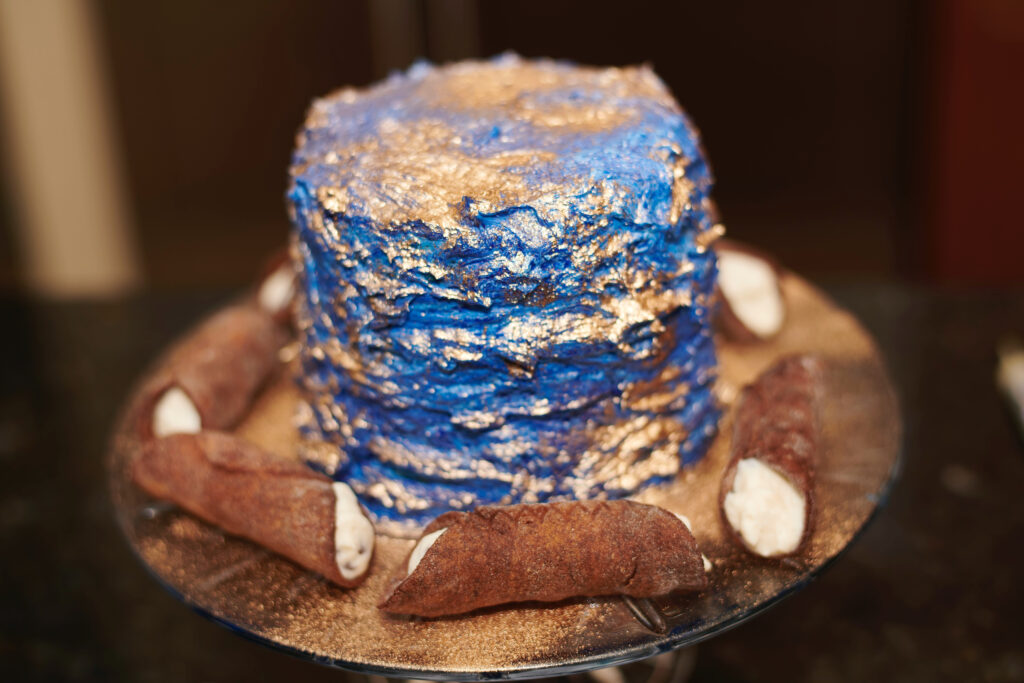
Homemade cannoli shells give this classic dessert its distinctive character. Their slightly rustic shapes, delicate blistering, and crisp texture create an artisanal appearance that is difficult to duplicate with packaged shells.
The shells are traditionally shaped around metal cannoli tubes and fried until crisp. Careful temperature control encourages even browning and helps prevent the pastry from becoming overly oily. Once cooled, the hollow shells are ready to hold the creamy filling.
One of the advantages of homemade shells is the opportunity to customize their flavor. A small amount of cinnamon adds warmth, while cocoa can create a deeper color and subtle chocolate note. The finished shells should remain lightly flavored so the ricotta mascarpone filling stays at the center of the experience.
Why Ricotta and Mascarpone Work So Well Together
Ricotta is the foundation of a classic cannoli filling. Its mild flavor and slightly textured consistency give cannoli their traditional character. Whole milk ricotta offers a particularly rich result, but it must be thoroughly drained so the filling remains thick and does not soften the shells too quickly.
Mascarpone complements the ricotta with its smooth texture and luxurious mouthfeel. Combining the two cheeses creates a filling that is rich and creamy without becoming excessively heavy.
Confectioners’ sugar adds sweetness while blending smoothly into the cheese mixture. Vanilla, cinnamon, and a small pinch of salt round out the flavor, creating a balanced filling that tastes more complex than simple sweetened cheese.
Citrus Adds Freshness and Balance
Fresh citrus zest is one of the details that makes cannoli filling especially appealing. Orange zest lends a traditional Sicilian-inspired flavor and pairs beautifully with ricotta, mascarpone, chocolate, and pistachios.
Lemon zest offers a brighter, lighter alternative. Its fresh aroma cuts through the richness of the cheese and gives the filling an elegant finish.
Both options work well, so the choice can reflect the occasion and accompanying garnishes. Orange is particularly inviting during the holidays, while lemon gives cannoli a fresh quality that suits spring and summer entertaining.
Chocolate, Pistachios, and Classic Garnishes
Mini chocolate chips are a popular addition to cannoli filling because they add texture and chocolate flavor without overwhelming the creamy center. Their small size allows them to distribute evenly throughout the filling and keeps it easy to pipe into the shells.
The exposed ends of each cannoli provide an ideal place for decorative garnishes. Chopped pistachios add color, crunch, and a classic Italian flavor. Mini chocolate chips or chocolate shavings create a rich, crowd-pleasing finish.
Candied orange peel reinforces the citrus flavor, while gluten-free maraschino cherries or dried fruit can add festive color. A light dusting of confectioners’ sugar gives the finished pastries the polished appearance associated with an Italian bakery.
The Secret to Crisp Cannoli
The contrast between a crisp shell and creamy filling is essential to a great cannoli. Even a beautifully fried shell will begin to soften after it comes into contact with the moist ricotta mixture.
For that reason, the shells and filling are best stored separately until shortly before serving. This allows the shells to retain their delicate crunch while the filling stays chilled, thick, and creamy.
Unfilled shells need protection from moisture and humidity, which can make them lose their crispness. The filling should remain refrigerated in a covered container. Bringing the two components together at the last possible moment creates the best texture and presentation.
Serving Gluten-Free Cannoli for Special Occasions
Gluten-free cannoli make an elegant addition to a dessert table. Their individual size makes them easy to serve, and several garnish combinations can be used to create an attractive assortment.
Chocolate-tipped cannoli have a rich, familiar appearance, while pistachio-coated ends provide beautiful color. Citrus peel and cherries can make the platter feel especially festive during the holidays. Arranging the cannoli on a decorative tray and adding confectioners’ sugar shortly before serving creates a simple yet impressive presentation.
Cannoli pair naturally with coffee, espresso, cappuccino, or hot chocolate. Fresh berries can provide a lighter contrast to the rich filling, while other gluten-free Italian-inspired sweets can help create a varied dessert spread.
Gluten-Free Ingredient Awareness
Although the flours and starches used for gluten-free cannoli are naturally free from gluten, packaged ingredients can be exposed to gluten during manufacturing. Rice flour, tapioca flour, potato starch, xanthan gum, cocoa powder, confectioners’ sugar, chocolate chips, garnishes, and frying oil should all be checked for suitable gluten-free labeling.
Cross-contact can also occur through shared utensils, preparation surfaces, cannoli forms, mixers, or frying oil. When serving someone with celiac disease or gluten sensitivity, use thoroughly cleaned equipment, a dedicated preparation area, and oil that has not been used to fry gluten-containing foods.
A Gluten-Free Italian Dessert Worth Celebrating
The best gluten-free cannoli deliver everything people love about this classic Italian pastry. Crisp homemade shells surround a cool ricotta mascarpone filling accented with citrus, cinnamon, chocolate, and colorful garnishes.
Whether served during the holidays, after an Italian dinner, or as the centerpiece of a special dessert table, gluten-free cannoli feel elegant, festive, and deeply satisfying. Their combination of traditional flavors and carefully selected gluten-free ingredients makes it possible for more guests to enjoy one.
Here is to fresh flavors, beautiful gardens, and all the little moments that make cooking and growing so rewarding.
Sending joy and happiness from my garden and kitchen to yours,